
Working equines: horses, donkeys and mules
Roughly 100 million working horses, donkeys and mules support some of the poorest households in the countries WARN is preparing to operate in. Their welfare is the welfare of the families who depend o
By WARN Research & Conservation TeamLast updated
Working equines — horses, donkeys and mules used for transport, agriculture and small-trade haulage — number an estimated 100 million worldwide and are a critical livelihood for low-income households; the most common welfare problems are harness sores, dental disease, parasite burden and lack of access to veterinary care.
Want to fund partner-led rescue on this issue? Browse donor rescue guides or give at donate.
Donate todayKey Facts
- Approximately 100 million working equines globally, supporting an estimated 600 million people.
- Donkeys account for around 40-50 million; horses around 50 million; mules around 10 million.
- Welfare problems are usually clinical (sores, dental, parasites, dehydration), not malicious.
- Most working-equine welfare programmes operate through free or subsidised mobile veterinary clinics.
- The global donkey-skin trade for traditional medicine has driven steep population declines in Africa and Asia.
Where working equines live and work
Pakistan, Egypt, Ethiopia, Mexico, Brazil, India and Pakistan together account for most of the working-equine population. They are used for water haulage, brick-kiln work, vegetable transport, agricultural traction and informal taxi services. Most operate at low to moderate intensity but with no formal veterinary access.
The donkey-skin trade
Demand for ejiao — a traditional medicine product made from gelatine extracted from donkey skin — has driven steep donkey population declines in Africa and parts of Asia over the past decade. Several African countries have introduced export bans; the African Union endorsed a continental ban in 2024.
What welfare work looks like
Mobile clinics, harness-fitting workshops, free dental and farriery services, parasite-control programmes and owner education are the core interventions. WARN's working-equines appeal funds partner clinics in the regions where need is highest.
Popular questions
Working equines: horses, donkeys and mules questions
Related search answers that connect this topic to WARN welfare guidance, rescue explainers and action routes.
Rescue & Welfare
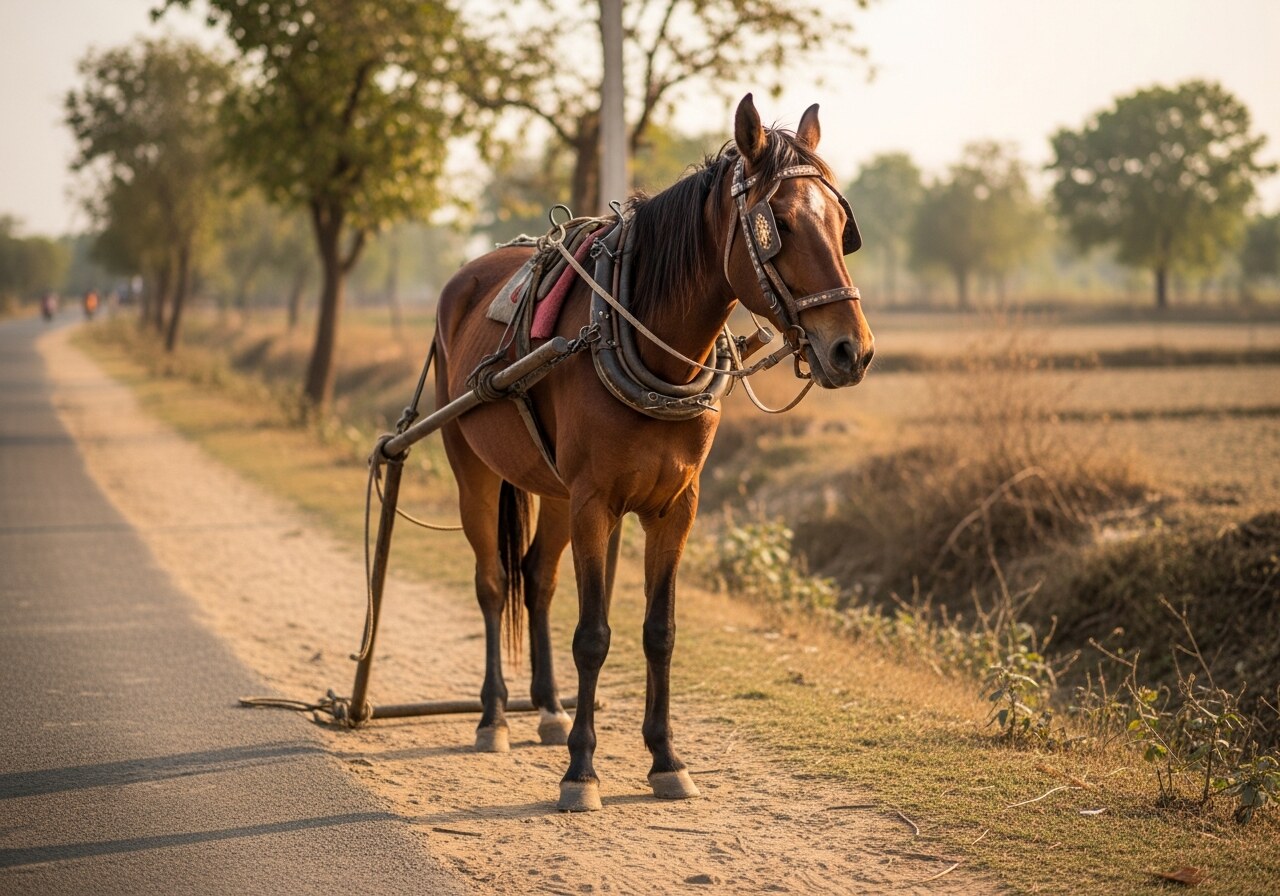
Is horse carriage riding cruel?
Horse carriage riding can be cruel when horses work in heat, traffic, hard surfaces, poor harnessing or long shifts without rest. Welfare depends on conditions, but urban tourist carriage rides often raise serious concerns. This travel query lets WARN explain working-equine welfare without oversimplifying every working relationship.
Rescue & Welfare
Are donkey rides cruel?
Donkey rides can be cruel when donkeys carry excessive weight, work in heat, lack rest, have poor hoof care or are handled harshly. Donkeys are strong but not machines; welfare checks matter before any ride. This page extends the ethical travel cluster into working-equine welfare, a strong match for WARN appeals.
Wildlife
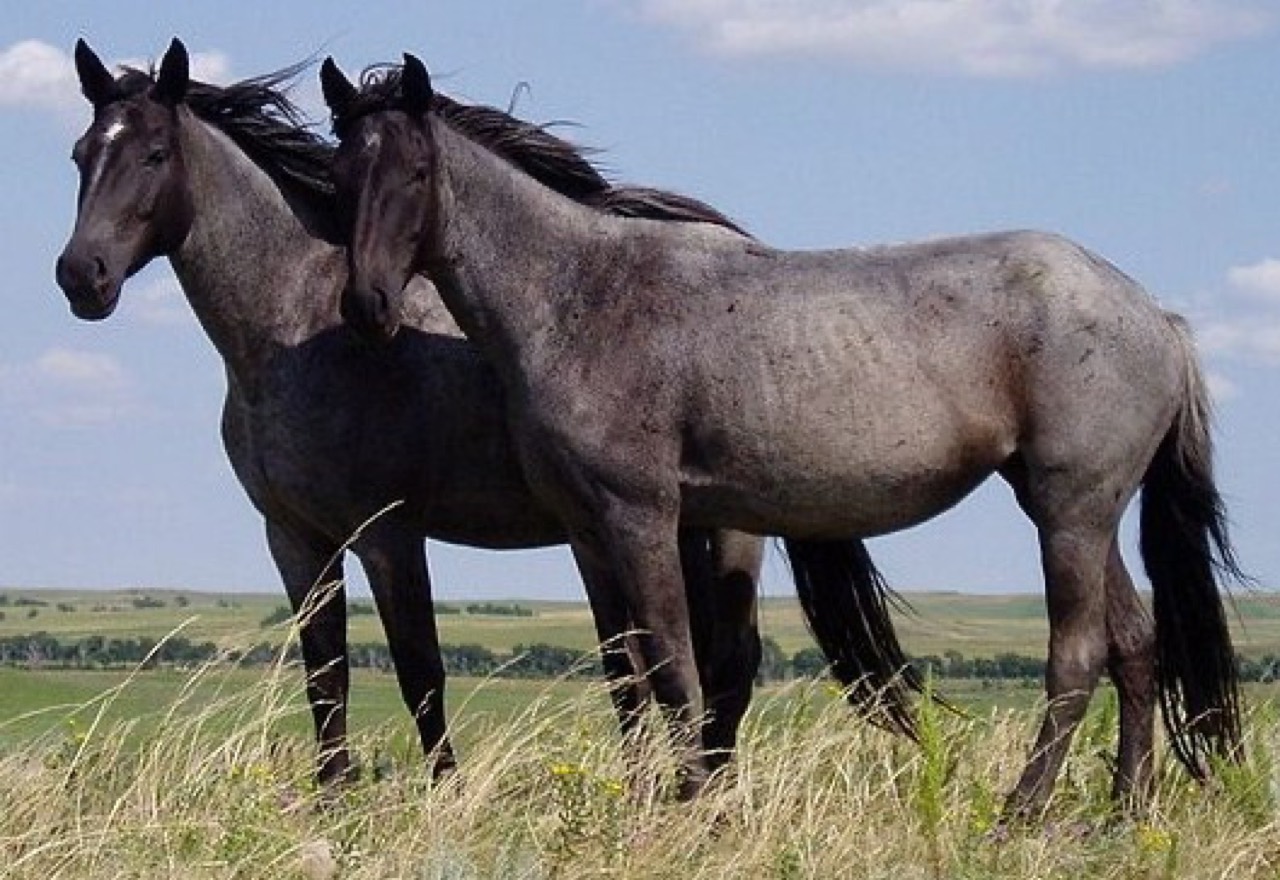
What is the difference between a horse and a pony?
Ponies are horses under about 14.2 hands (147 cm) at the withers — same species (Equus caballus), smaller sturdy build. Ponies often have proportionally shorter legs, thicker manes and hardier constitutions than horse breeds. 2 hands (147 cm) at withers separates pony from horse in equestrian convention.
Wildlife
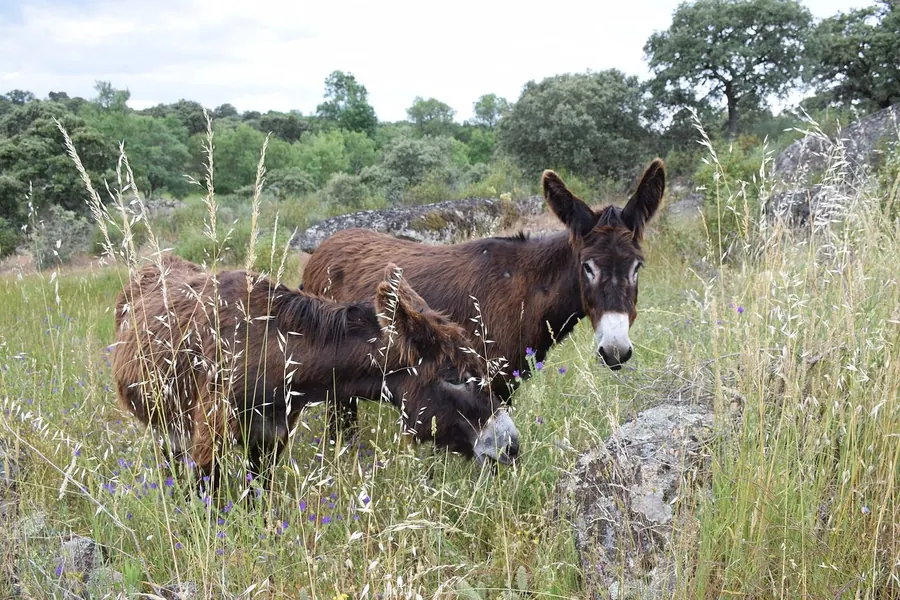
What is the difference between a donkey and a mule?
A donkey (Equus asinus) is its own species — long ears, braying voice and sure-footed build. A mule is a hybrid — male donkey crossed with a female horse — usually sterile, stronger than a donkey and more patient than a horse. Mules inherit traits from both parents.