Wildlife trafficking
Wildlife trafficking is the illegal trade of wild animals and their parts. It is one of the largest illicit industries in the world and a leading driver of biodiversity loss across Southeast Asia, Sou
By WARN Research & Conservation TeamLast updated
Wildlife trafficking is the illegal capture, transport and sale of wild animals or their parts for pets, food, medicine, trophies or ornaments — repeatedly identified by UNODC as a transnational organised crime.
Want to fund partner-led rescue on this issue? Browse donor rescue guides or give at donate.
Donate todayKey Facts
- Wildlife trafficking is consistently ranked among the largest illicit industries (UNODC).
- Pangolins, parrots, big cats, primates and reptiles are the most affected groups.
- Online marketplaces and social media are now primary sales channels.
- Effective response requires demand reduction, enforcement, and welfare-first rescue.
- WARN's planned anti-trafficking programme covers Southeast Asia, Pakistan, and East Africa.
What counts as wildlife trafficking?
Trafficking covers the capture, transit, sale and possession of wild animals or their parts outside what national or international law permits. The Convention on International Trade in Endangered Species (CITES) is the main international framework. CITES Appendix I species cannot be commercially traded; Appendix II species require legal-origin paperwork.
Why is it so widespread?
Profit margins rival narcotics and weapons trafficking. Enforcement is under-resourced, penalties are often weak, and the supply chain — from rural trappers to international buyers — is highly fragmented. The COVID-19 pandemic accelerated scrutiny of the live-animal trade but has not significantly reduced volumes.
How does rescue and welfare work fit in?
Most wildlife seized in raids is alive, injured, or stressed. Without specialist veterinary care, sanctuary placement, or release planning, seized animals die in custody — undermining enforcement. WARN's planned programme focuses on this welfare gap: triage, rehabilitation, and lifetime sanctuary care for animals that cannot return to the wild.
Popular questions
Wildlife trafficking questions
Related search answers that connect this topic to WARN welfare guidance, rescue explainers and action routes.
Trafficking
What is wildlife trafficking?
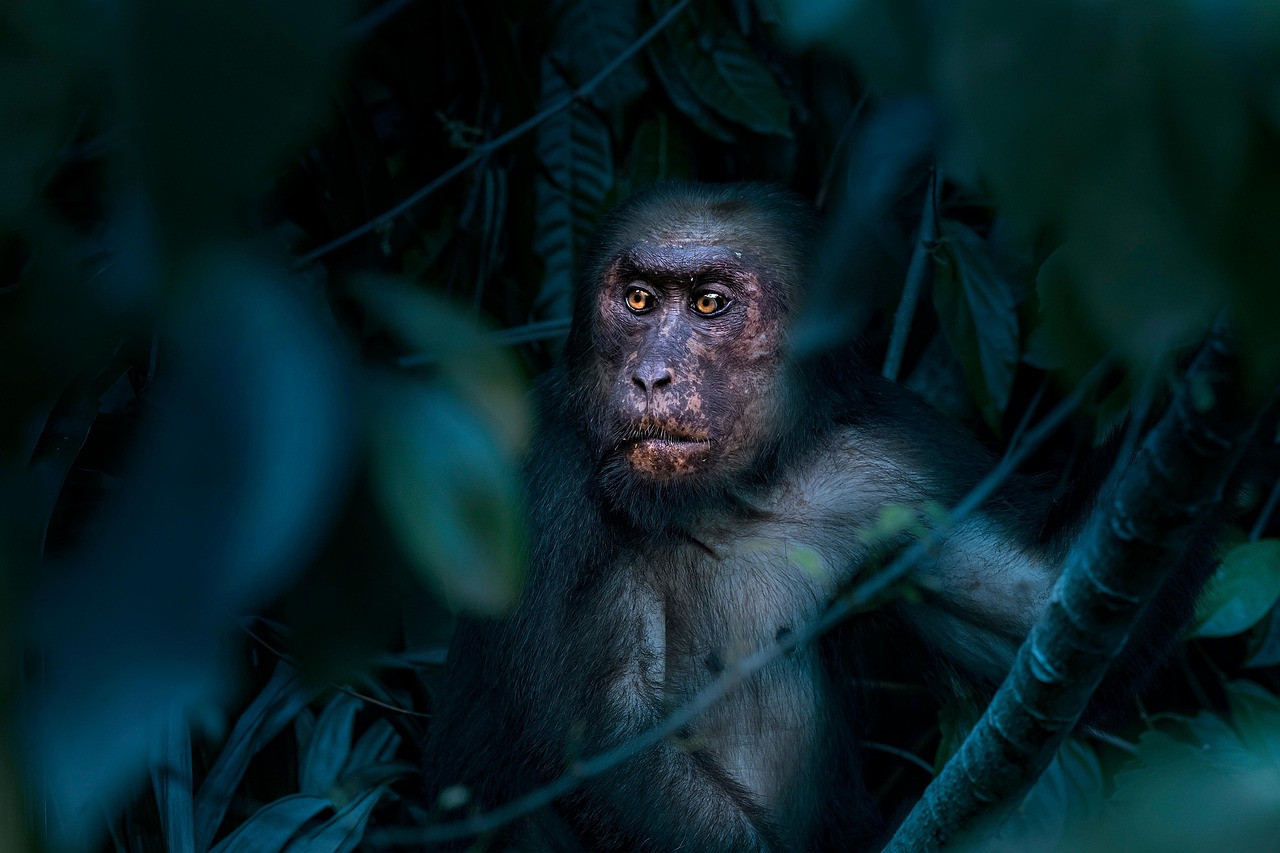
Wildlife trafficking is the illegal capture, transport, sale or possession of wild animals or their parts — for pets, food, medicine, trophies or ornaments. UNODC classifies it as a major transnational organised crime. Wildlife trafficking moves live animals, ivory, pangolin scales, parrots, big-cat parts and reptiles across borders for pets, food, medicine, trophies and ornaments.
Trafficking
How do I report wildlife trafficking?
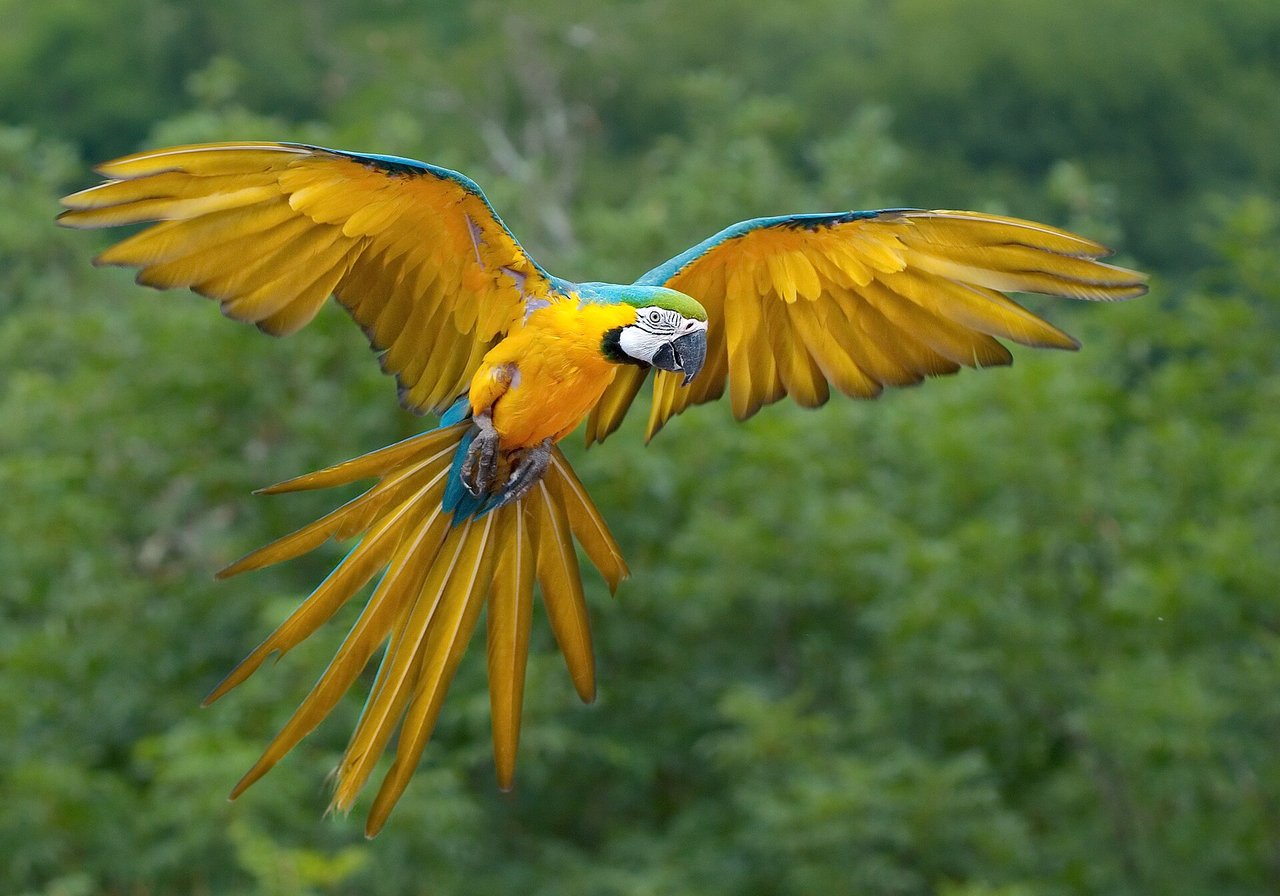
Report suspected wildlife crime to your national wildlife enforcement unit or police. In the UK, contact the National Wildlife Crime Unit; internationally, use CITES authority contacts or INTERPOL’s reporting channels where available. Suspected wildlife trafficking should be reported to national wildlife enforcement or police — in the UK, the National Wildlife Crime Unit.
Trafficking
What are the most trafficked animals?
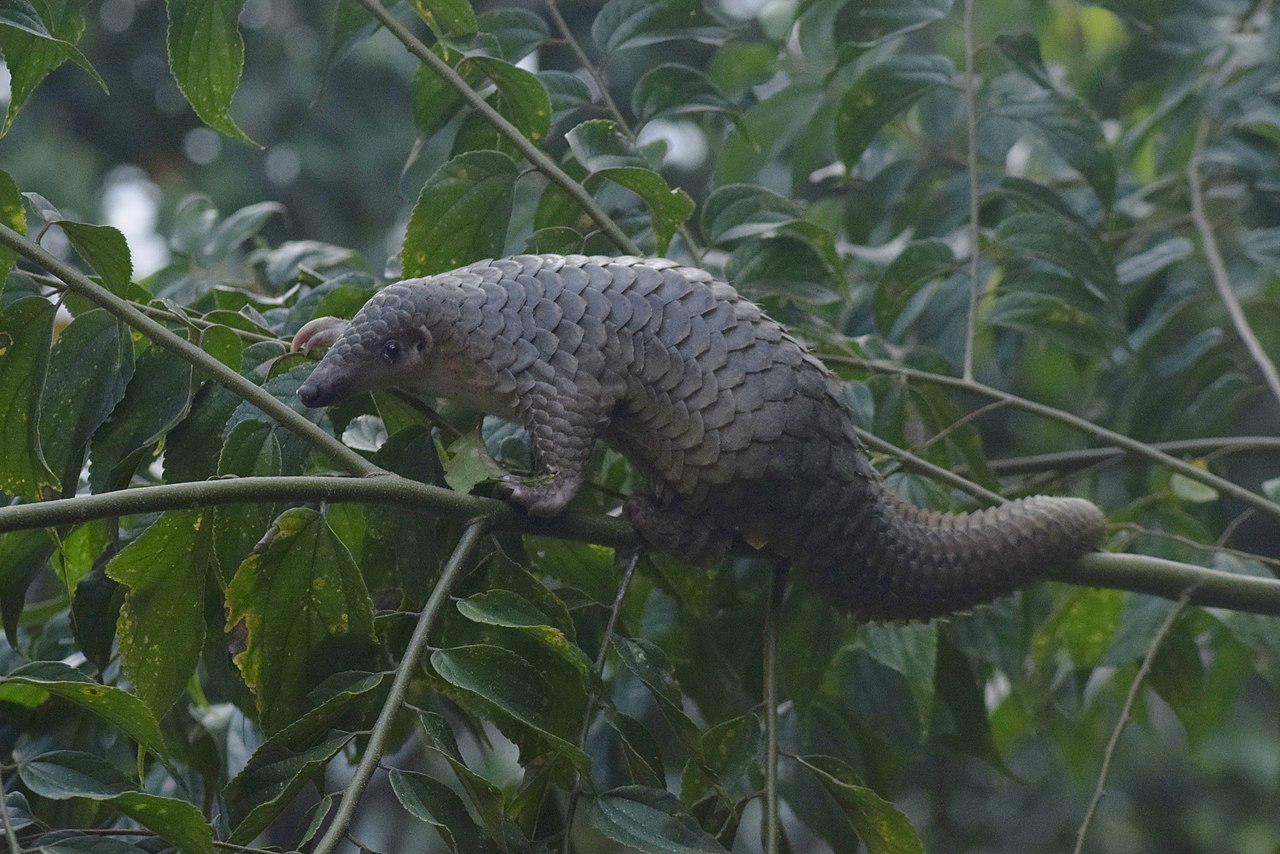
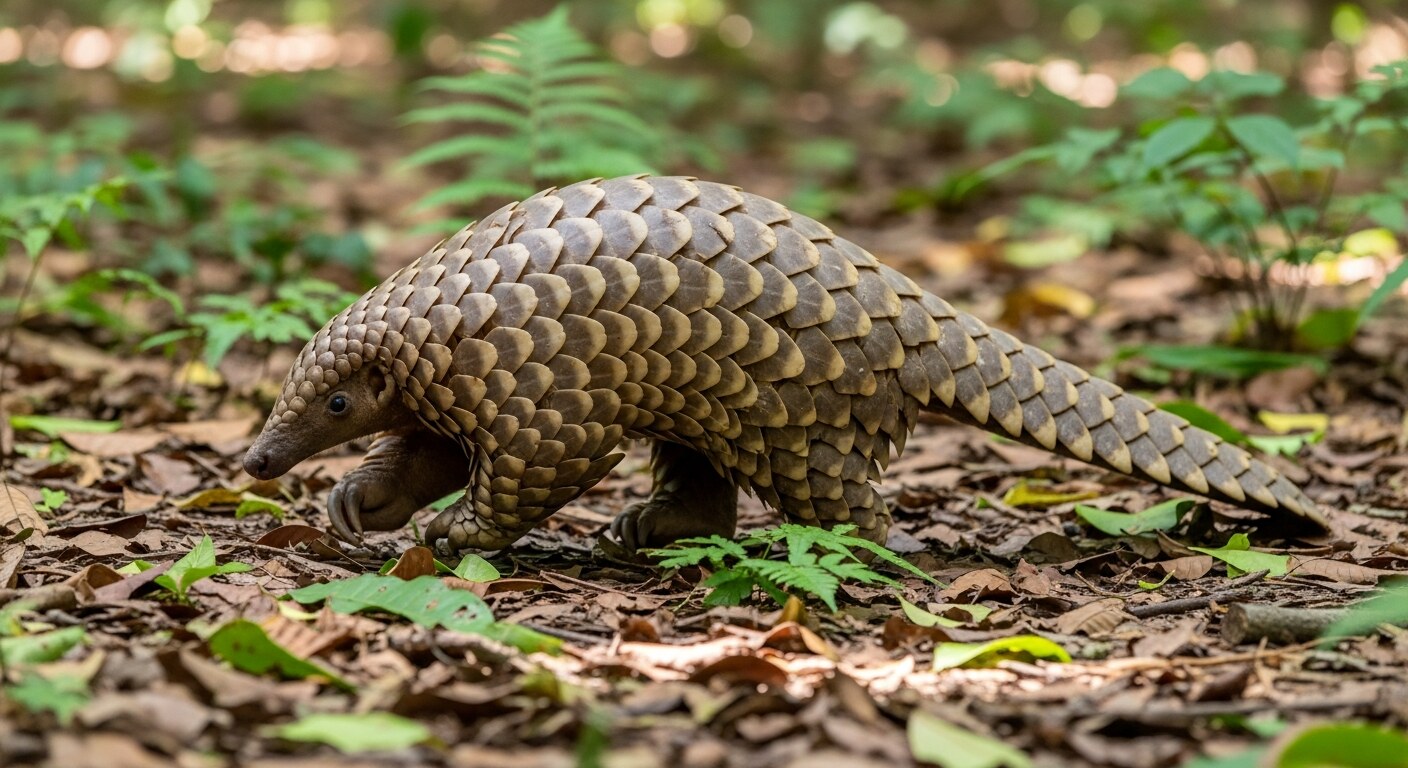
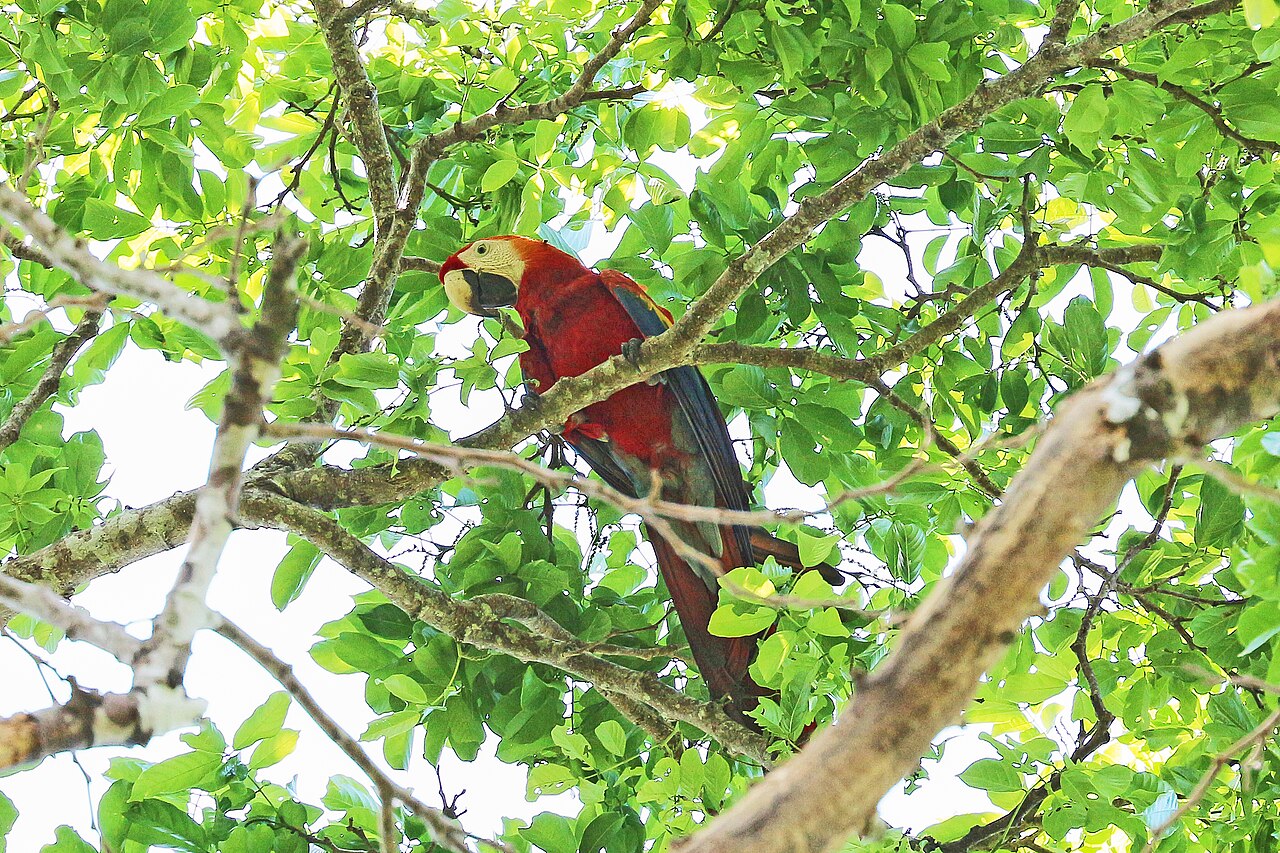
Pangolins are widely cited as the most trafficked mammal. Parrots, elephants (for ivory), big cats, turtles, reptiles and primates are also among the highest-volume illegal wildlife trades. Trafficking patterns vary by region: pangolins and songbirds in Asia, parrots and jaguars in Latin America, ivory and bushmeat in Africa.
Trafficking
What animals are most affected by the illegal pet trade?
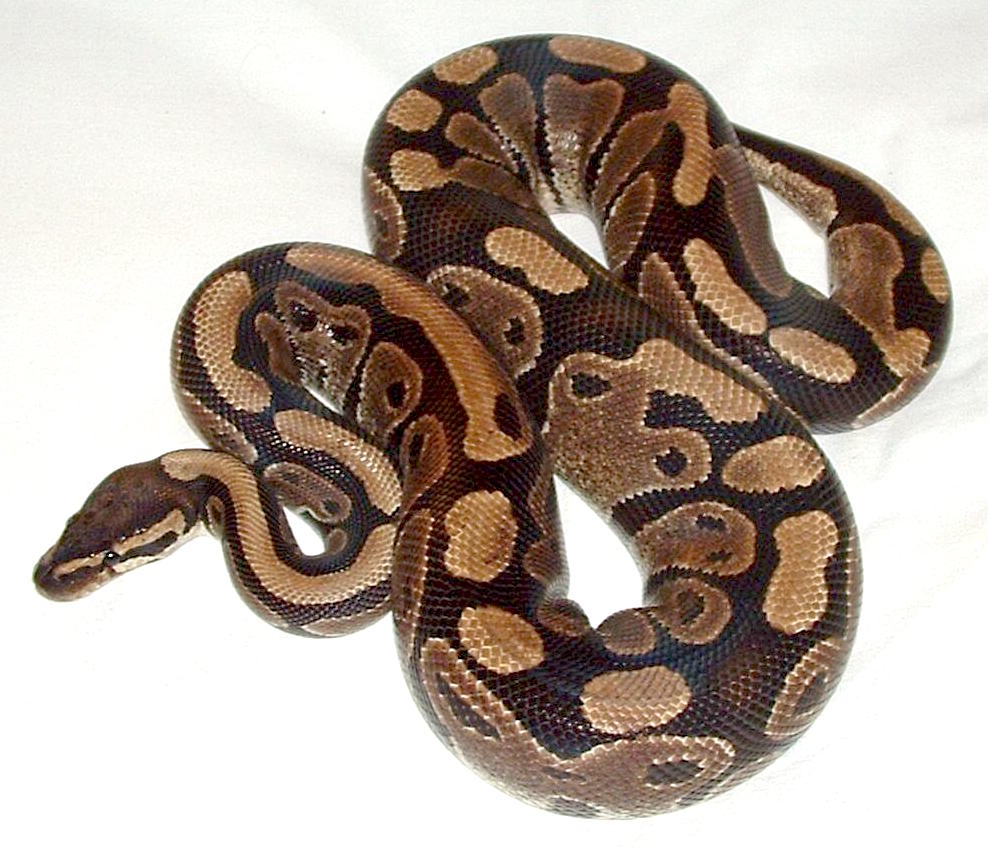
Animals heavily affected by the illegal pet trade include parrots, songbirds, reptiles, turtles, primates, slow lorises, big cats and some amphibians. Risk varies by region, rarity, price and online demand. This page functions as a broad answer and an internal link hub for species-specific trafficking pages.
Trafficking
Why is the exotic pet trade a problem?
The exotic pet trade is a problem when it removes animals from the wild, hides illegal sourcing, normalises unsuitable pets and leaves rescues with animals whose needs ordinary homes cannot meet. WARN can compete for exotic-pet search traffic by answering the real user question while explaining the hidden rescue and trafficking costs.
Trafficking
What is the difference between captive-bred and wild-caught animals?
Captive-bred animals are born in controlled human care; wild-caught animals are taken from nature. Captive breeding can reduce wild pressure, but false “captive-bred” claims are used to launder trafficked wildlife. This answer explains a phrase people see in exotic pet listings and wildlife trade documents, then links it to the welfare and conservation risks behind the words.