Pigeon Breed · United States
King
A substantial American domestic pigeon with distinct utility and exhibition histories. Rescued Kings need safe housing, appropriate company and individual care.
By WARN Research & Conservation TeamLast updated
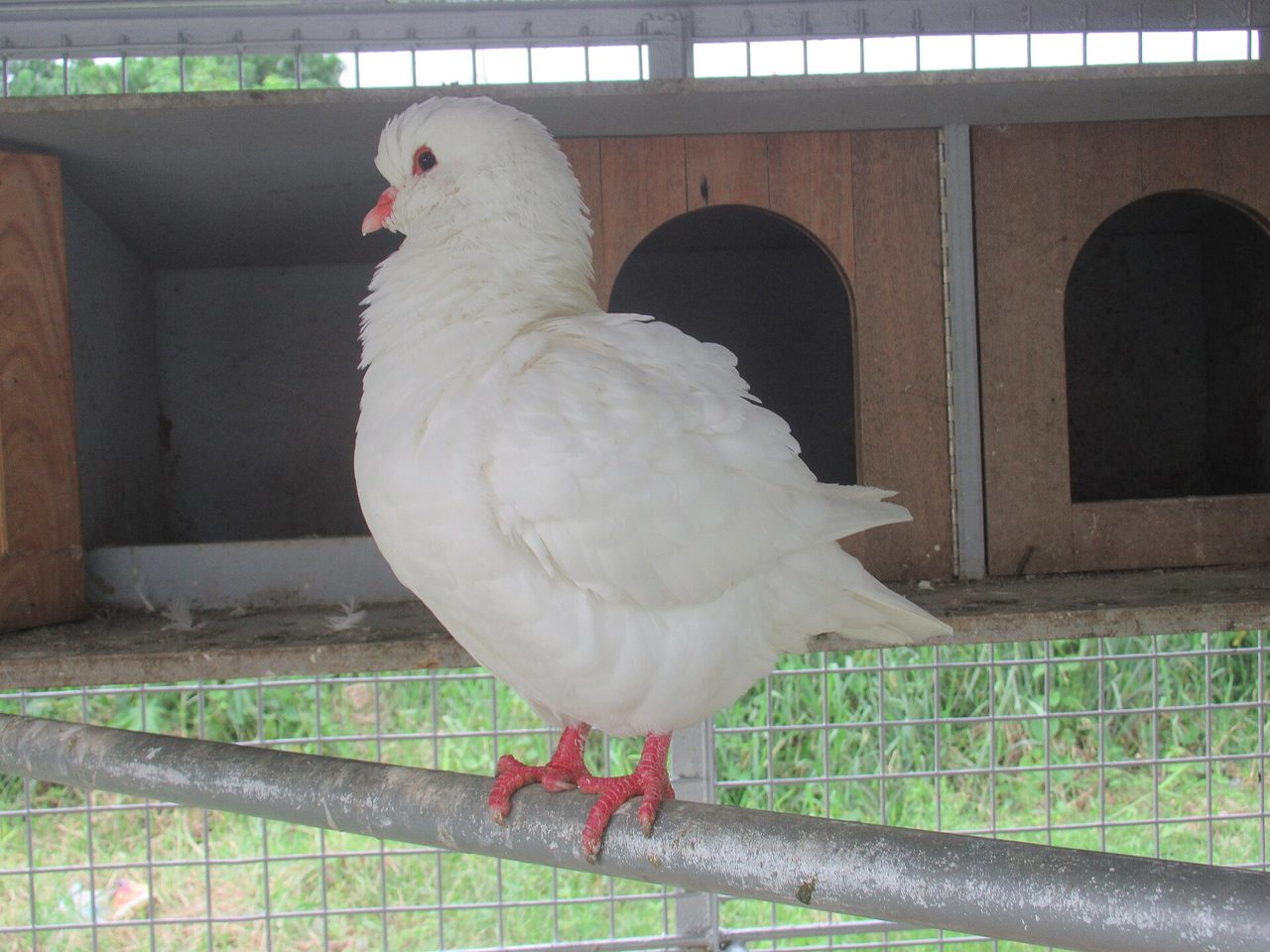
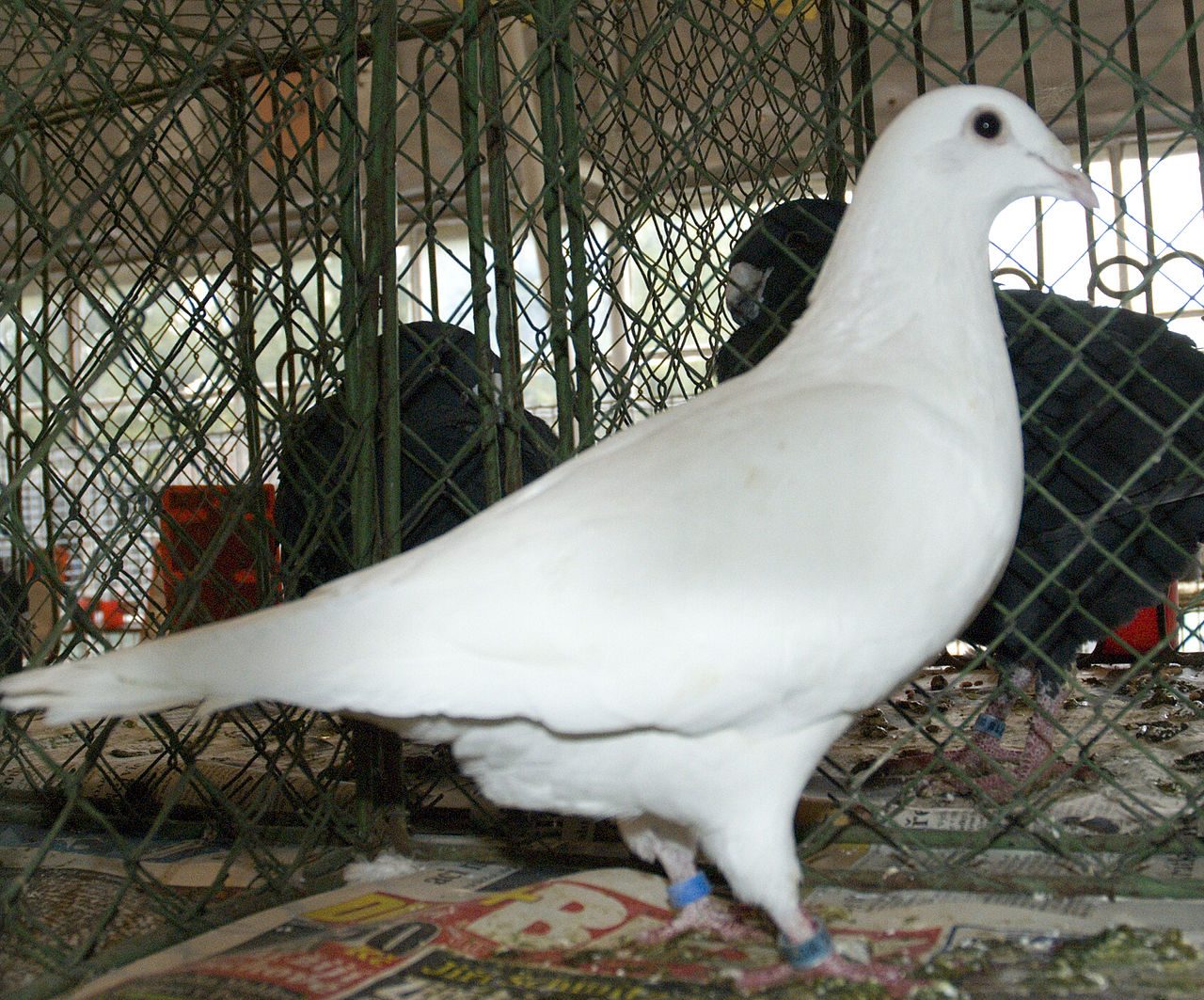
Photo: SJasminum / Wikimedia Commons (CC BY-SA 4.0). Resized. · Original photograph · Licence
A captive King pigeon, photographed on 21 June 2023. The source does not identify it as a rescued bird.
In brief
The King is a large domestic pigeon developed in the United States for utility and exhibition purposes. A Show King’s rounded outline and upright stance are breed features, not evidence that every King has the same size or care needs. These domestic birds should not be released to fend for themselves.
What are the key facts about a King?
The King is a selectively bred form of the domestic pigeon, descended from the rock dove. It has a broad, substantial body, relatively short-looking proportions and a distinctive stance in its exhibition form. “King” does not mean a giant wild pigeon or a separate biological species.
| Origin | United States |
|---|---|
| Size | Large domestic pigeon; show and utility forms differ |
| Size & weight | Show standard: 30–37 oz (about 850–1,050 g); not a pet weight prescription |
| Lifespan | Long-term care commitment; individual longevity varies |
| Plumage | Large rounded body; smooth plumage, often white; upright stance |
| Temperament | Often calm; confidence and compatibility vary |
| Kept for / suits | Prepared homes or aviaries, with compatible pigeons and access to an avian vet |
Would a King pigeon suit your home?
A King can be a rewarding domestic companion when its home is prepared around a pigeon’s needs: secure space, daily care, suitable company and a vet who treats birds. Choose the individual and its circumstances, rather than assuming a large white bird will be automatically tame, healthy or easy.
Start with the practical commitments. Who will clean and refresh food and water each day? Where can the bird move safely? Can you keep it apart from cats and dogs, including during cleaning? Who can provide care when you travel? These questions matter before an adoption, not only once a bird arrives.
A rescue or experienced keeper can describe an individual’s flight, confidence, established pair bond and medical history. Some pigeons seek human contact; others are more comfortable with other pigeons. A calm meeting is useful, but settling into a new environment takes time. Do not separate an established compatible pair merely to make one bird more dependent on people.
What is a King pigeon?
Utility Kings were selected for meat production, with young pigeons sold as squab. Exhibition breeding placed greater emphasis on the show outline and the balance of the bird’s features. The American King Club’s standard describes Show Kings; it should not be used to judge every utility bird or rescued crossbreed.
White is a familiar colour, particularly in rescue stories, but plumage alone does not establish breed or purpose. A lost white pigeon might be a King, a homer, another breed or a cross. Identification should consider the whole bird and any leg ring, while its immediate welfare needs take priority over finding a perfect breed label.
From American utility bird to Show King
The American King Club traces the breed’s development through utility breeding and organised exhibition in the United States. Its history describes changes in recognised colours and the growth of a dedicated breed organisation. Modern Show Kings preserve that lineage while being judged against an exhibition ideal.
The distinction between utility and show selection explains why photographs labelled King can show noticeably different birds. A commercial utility bird, a carefully conditioned exhibition bird and a rescued juvenile are not interchangeable examples. Breed history describes the aims of breeders; it does not tell us whether a particular individual is healthy or suited to a particular home.
The club’s standard updated in 2025 specifies 30–37 ounces for exhibition Kings, approximately 850–1,050 grams. This is a standard for showing, not a recommended weight for every pet pigeon. A vet should interpret weight alongside body condition, size and health. Do not increase a bird’s food to push it towards a show number, or restrict food simply because it exceeds an online generic range.
Daily care: housing, food and movement
Prepare a secure indoor home or properly designed outdoor aviary before taking in a King. The bird needs room to move, comfortable resting places, clean water and a suitable pigeon diet. A small cage is not a complete lifelong environment, and an indoor cage is not predator-proof outdoor housing.
For a heavy or less agile individual, make food, water and resting sites easy to reach. Provide solid, clean surfaces and accessible shelves or perches; avoid making every essential resource depend on a steep jump. The enclosure should still encourage movement. Watch how the bird actually uses the space rather than assuming a layout is suitable because it looks tidy.
Use a pigeon-appropriate feeding plan agreed with the rescue or avian vet. Palomacy’s guidance discusses suitable seed and grain mixes and fresh water. Do not treat bread, kitchen leftovers or a generic parrot diet as a complete pigeon ration. Changes in feeding should be gradual where appropriate, with attention to whether the individual is actually eating.
Check the bird every day: its appetite, droppings, posture, movement and usual social behaviour. A written baseline makes changes easier to recognise. Cleaning feeding and drinking equipment is especially important in shared housing. New arrivals should be kept separately according to veterinary advice before introductions, rather than placed immediately beside resident birds.
An outdoor enclosure needs protection from digging and reaching predators, secure doors, shelter, ventilation and a safe place to retreat from weather. A wire cage placed in a garden is not equivalent. Ask an experienced pigeon rescue to review the design before use, including gaps around the roof, floor, hinges and access points.
What surprises people about the King?
A few details about the breed, alongside the practical care information in this guide.
- King is a breed of domestic pigeon, not a separate wild species.
- The American King Club publishes a specific exhibition standard; it is not a feeding target for rescued birds.
- Utility Kings and Show Kings share a history but are selected for different purposes.
- A white pigeon is not automatically a trained homing bird.
What health issues should you know about in a King?
Health concerns to discuss with your vet, including changes to watch for and everyday care. This is general guidance, not veterinary advice — always speak to your vet.
Changes in appetite or body condition
Weight loss, difficulty eating, persistent fluffed posture or a marked behaviour change can indicate illness. A heavy body shape should not disguise declining condition.
Care: Contact a pigeon-experienced avian vet promptly. Difficulty breathing, collapse or inability to stand needs urgent assessment. Do not force food or water into the beak.
Trichomonosis (canker)
Trichomonas gallinae can affect pigeons’ mouths and upper digestive tracts. Similar signs can have other causes, so appearance alone is not a diagnosis.
Care: A vet should assess and test an affected bird. Keep drinking and feeding equipment clean; do not scrape mouth lesions or give unprescribed medication.
Foot and mobility problems
Pressure, dirty or unsuitable surfaces, injuries and excess body condition can affect comfortable movement and resting.
Care: Provide clean solid resting areas and accessible perches. Have a vet examine lameness or sores rather than changing a healthy bird’s weight to meet an exhibition ideal.
When to postpone an adoption
Wait if secure housing, daily cover or access to appropriate veterinary help is not ready. A King should not be acquired for a ceremony, released as a symbolic gesture or expected to survive by joining feral pigeons. Domestic dependence is part of the animal’s welfare needs.
Palomacy has documented rescues of Kings released into environments where they could not safely fend for themselves. A well-meant release can create a rescue emergency. A bird’s ability to flap or make a short flight is not proof that it can find food, avoid predators and orient back to a familiar loft.
If a pigeon is already in difficulty, contact a local rescue or avian vet and explain its location, visible condition and any immediate hazards. Use our rescue directory to look for a relevant service. Keep pets and crowds away. Do not force-feed or pour water into the beak; a bird that cannot eat or drink normally needs skilled assessment.
Details that make a difference
Good pigeon care is based on the individual. Three common assumptions deserve particular attention when taking in a King.
Large body does not mean healthy weight
Muscle, frame, fat and a full crop all affect what you see. Record weight and body condition with veterinary guidance; do not diagnose obesity or good health from a single photograph.
A ring is information, not a release instruction
A leg ring can help trace a bird’s origin. Record the complete inscription without forcing or removing it. A domestic bird may still need help even when it has an identifiable owner or breeder.
Quiet can mean settled or unwell
A calm pigeon may be comfortable, but marked inactivity, persistent fluffing, breathing changes or reduced appetite need attention. Compare with the bird’s normal behaviour and seek advice promptly.
King, Racing Homer or Modena?
All are domestic pigeons, but their breeding histories differ. Choose care around the bird you have; none of these labels replaces a health or housing assessment.
| Feature | King | Racing Homer | Modena |
|---|---|---|---|
| Main breeding history | Utility and exhibition | Homing and racing performance | Exhibition form and colour |
| Typical impression | Substantial body | Athletic, flight-oriented build | Rounded, compact show form |
| A key care question | Can it comfortably reach every resource? | What is its flight and previous loft history? | Which type and standard does it represent? |
| Unsupervised release | Do not release a dependent domestic bird | A found bird needs assessment and owner/rescue advice | Do not release a dependent domestic bird |
The priority is a safe, suitable home
The most useful King pigeon question is not how large it can become. It is whether this bird can eat, move, rest and socialise comfortably in the home available to it. Welfare should guide decisions before appearance, show points or a wish for an unusually large pet.
Meet the bird through a responsible rescue or experienced keeper, ask about its history and prepare its environment first. Keep care notes and identify an avian vet before an emergency occurs. WARN’s guide is education; it does not advertise Kings for sale or claim that WARN operates a pigeon rehoming centre.
Pigeons are loyal, intelligent birds
Domestic pigeons bond closely with their keepers and navigate astonishing distances home. They need a clean, secure loft, company, and protection from predators and disease — and rescued ex-racing and 'release' birds often need homes.
What do people ask about the King?
How big is a King pigeon?
Can King pigeons fly?
Are white King pigeons suitable for ceremonial release?
Do King pigeons make affectionate pets?
What should I feed a King pigeon?
Does a King need another pigeon?
Sources and further reading
Reviewed 8 September 2026. Breed standards describe exhibition ideals; veterinary and welfare references guide care. Historical sources are identified as such.
_captive_04.jpg)