Pigeon Breed · Italy (Modena)
Modena
A rounded exhibition pigeon with Italian roots and a modern English show tradition. Learn how type, markings and everyday welfare fit together.
By WARN Research & Conservation TeamLast updated
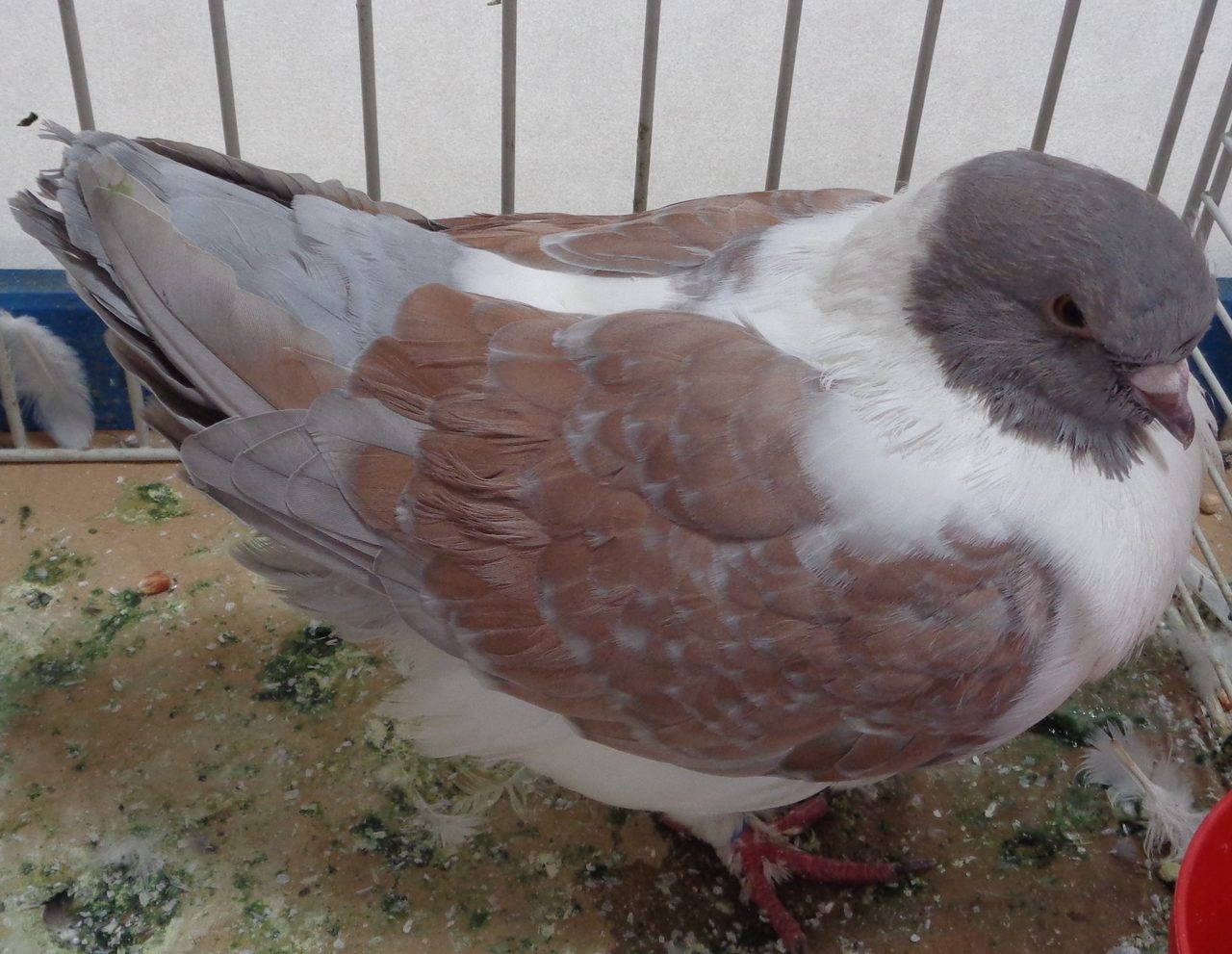
Photo: Uikitireza / Wikimedia Commons (CC0 1.0). Resized. · Original photograph · Licence
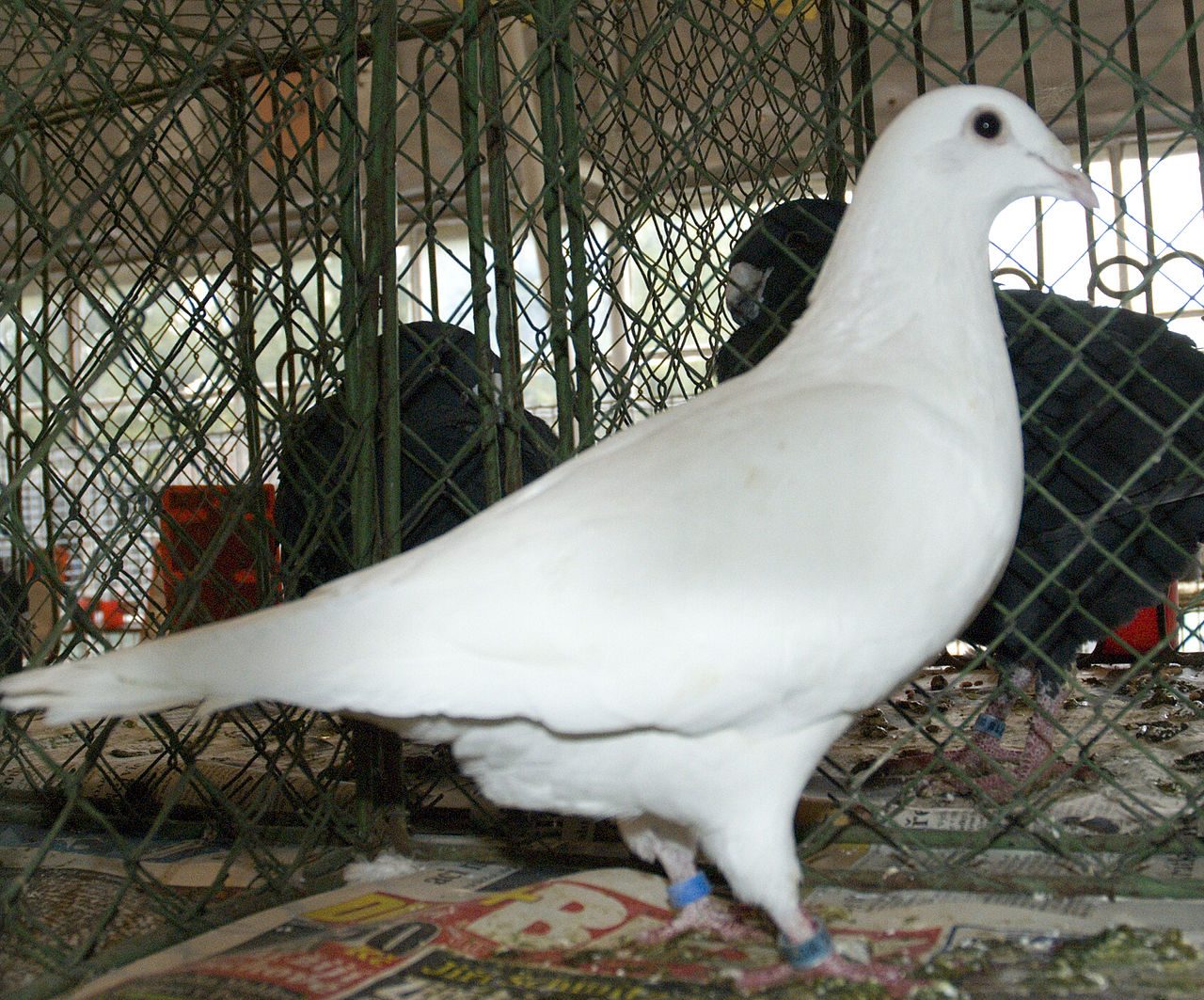
A Gazzi-marked Modena pigeon, photographed on 26 August 2018. The original file describes it as a Modène Gazzi and is categorised as Modena (UK).
In brief
The Modena is a domestic exhibition pigeon with Italian roots, developed into a rounded, compact show form in Britain. English Modena, German Modena and Triganino Modenese should not be treated as interchangeable standards. Gazzi and Schietti describe marking groups; they are not separate species.
What are the key facts about a Modena?
The modern English-type Modena is an exhibition pigeon with a compact, rounded body and a balanced, upright appearance. It is a domestic pigeon breed, not a wild species. Its name reflects Italian origins, while the familiar modern show form owes much to later selection in Britain.
| Origin | Italy (Modena) |
|---|---|
| Size | Compact, rounded exhibition pigeon; identify the type |
| Size & weight | Varies by type and standard; no universal 300–360 g target |
| Lifespan | Long-term care commitment; individual longevity varies |
| Plumage | Compact, cobby body; upright stance; hundreds of colours and patterns |
| Temperament | Often alert and active; individual temperament varies |
| Kept for / suits | A well-planned loft or aviary with compatible pigeons and daily care |
Would a Modena suit your loft or home?
A Modena may suit a prepared keeper who enjoys observing a domestic pigeon’s behaviour as well as its appearance. The rounded show outline is only one part of the bird. Secure housing, suitable companions, cleaning and veterinary access are the practical foundations of a good home.
Meet the individual before deciding. Watch it walk, reach a perch, eat and interact with other birds. A photograph selected for colour or a show pose cannot reveal those everyday abilities. Ask how it is currently housed, whether it has a bonded companion and whether any health or mobility issues require adjustments.
If your interest is exhibition, learn the standard used by the relevant club. If your interest is companionship, there is no need to seek the most exaggerated outline or a rare colour. A rescue bird with an imperfect show pattern can have exactly the same need for security, social contact and patient care as a prize-winning pigeon.
What is a Modena pigeon?
The French Modena breed club’s English-type standard describes selection in Great Britain from northern Italian stock. A short, broad body and balanced carriage are central to that standard. Standards describe an ideal for judging. They are not proof that every animal carrying the name has that exact conformation or the same health needs.
The term can be confusing because English Modena, German Modena and Triganino Modenese are separately distinguished in breed classifications. Do not combine measurements from one with photographs or show criteria from another. When asking for advice, give the full type if known and show a clear side view. “Modena” without context may not identify the standard your source is discussing.
Italian roots and different show traditions
Pigeon keeping in Modena has a long history, but the modern English show pigeon should not be treated as an unchanged medieval flying bird. Selection in different countries produced distinct forms and standards. The history explains the names; it does not remove the need to identify today’s type accurately.
Historical accounts such as W. F. Holmes’s book document how breeders discussed Modena form and markings in their own period. They are useful evidence of that tradition, not current veterinary advice. Modern club descriptions should be used when discussing contemporary exhibition criteria, and the issuing club should be named when a precise measurement is quoted.
A 300–360 gram range is too narrow to serve as a universal Modena weight across types and individuals. For a pet or rescue bird, a vet’s assessment of frame, muscle, body condition and movement is more meaningful than fitting an unsourced number. Do not use food restriction or overfeeding to force a bird into an internet breed description.
Housing and everyday care for a Modena
Plan a clean, secure loft or aviary that allows the bird to move comfortably and share space without being crowded. A rounded body does not remove the need for exercise. Watch whether the individual can reach food, water and preferred resting places easily, and adjust the layout where needed.
Provide dry, solid resting areas and suitable perches or shelves. Check access routes rather than merely measuring the outer enclosure: a large space is less useful if a dominant bird blocks the only feeder or a less agile pigeon cannot reach a resting shelf. Separate resources and visual breaks can make it easier to manage introductions under experienced guidance.
Feed for health rather than show shape. Use appropriate pigeon food and fresh water, and agree changes with an avian vet or knowledgeable rescue. A colour variety does not need a special diet because of its name. Monitor what each bird eats; an apparently full food bowl does not show that a timid or unwell individual has fed.
Clean drinking and feeding equipment regularly. Keep new birds separate according to veterinary advice and do not share equipment casually between groups. Exhibitions, purchases and rescue intakes can change a loft’s exposure to disease, so plan how a returning or newly arrived bird will be assessed before it rejoins residents.
Outdoor housing needs genuinely secure construction, weather protection and safe ventilation. An ordinary indoor cage placed outside is vulnerable to predators reaching through it. Indoor time also needs supervision: close escape routes and separate the pigeon from other pets. Good care consists of these repeated practical choices, not simply obtaining a bird described as hardy.
What surprises people about the Modena?
A few details about the breed, alongside the practical care information in this guide.
- The breed name comes from Modena in northern Italy.
- The modern English show form reflects selection outside its Italian region of origin.
- Gazzi and Schietti concern markings rather than separate species.
- A bird’s show placement does not establish its health, temperament or suitability for a particular home.
What health issues should you know about in a Modena?
Health concerns to discuss with your vet, including changes to watch for and everyday care. This is general guidance, not veterinary advice — always speak to your vet.
Changes in appetite or body condition
Weight loss, difficulty eating, persistent fluffed posture or a marked behaviour change can indicate illness. A heavy body shape should not disguise declining condition.
Care: Contact a pigeon-experienced avian vet promptly. Difficulty breathing, collapse or inability to stand needs urgent assessment. Do not force food or water into the beak.
Trichomonosis (canker)
Trichomonas gallinae can affect pigeons’ mouths and upper digestive tracts. Similar signs can have other causes, so appearance alone is not a diagnosis.
Care: A vet should assess and test an affected bird. Keep drinking and feeding equipment clean; do not scrape mouth lesions or give unprescribed medication.
Foot and mobility problems
Pressure, dirty or unsuitable surfaces, injuries and excess body condition can affect comfortable movement and resting.
Care: Provide clean solid resting areas and accessible perches. Have a vet examine lameness or sores rather than changing a healthy bird’s weight to meet an exhibition ideal.
When a Modena is not the right choice yet
Postpone bringing one home if you are choosing only for colour, cannot provide secure housing or have no plan for veterinary care and daily cover. A Modena is not a decorative object, and it should not be released to establish itself among wild or feral birds.
A bird bred for exhibition is not interchangeable with a trained Racing Homer. Even within one breed, flight and confidence vary. Free release should not be used as exercise for an unfamiliar or dependent domestic bird. A found Modena may need help to trace its origin and obtain suitable care rather than encouragement to fly away.
Avoid choosing an extreme form simply because it photographs dramatically. Comfortable movement, clear breathing, feeding and resting matter more than a particular outline. Ask the keeper or rescue to demonstrate the housing routine and discuss any concerns. A reputable source should welcome questions about welfare as well as a bird’s appearance or pedigree.
Gazzi, Schietti and common identification mistakes
Modena terminology becomes easier when colour, markings, type and condition are treated as different things. They answer different questions about the same bird.
Gazzi is a marking group
Gazzi birds have defined coloured areas on a largely white body, including the head and wing shields. The standard specifies the desired distribution. A bird does not become a separate species because it belongs to this group.
Schietti does not mean only one possible colour
Schietti describes birds without the Gazzi white-and-coloured division. Colour and wing pattern still vary. Avoid calling Gazzi and Schietti the only two colours or confusing them with the English and German types.
A show fault is not necessarily a health problem
A feather outside a colour boundary may affect judging without affecting comfort. Conversely, an attractive pattern cannot rule out illness. Look at behaviour and condition separately from conformity to an exhibition standard.
Modena types and other domestic pigeons
These labels describe different histories or uses. Match an identification to an appropriate source, then assess the individual’s practical needs.
| Name | What the name tells you | What it does not establish |
|---|---|---|
| English-type Modena | A rounded exhibition form with its own standards | One universal weight or guaranteed temperament |
| German Modena | A separately distinguished Modena-type breed | That English-type measurements apply |
| Triganino Modenese | An Italian breed classification with its own tradition | That all modern Modenas retain the same flying traits |
| King | A substantial utility and exhibition breed | A safe release bird or a pet weight target |
| Racing Homer | Selection for homing and racing | That a found individual is healthy or ready to fly home |
Look beyond the show outline
A good Modena home supports the whole bird: its movement, feeding, resting, social relationships and health. Learn the terminology if you enjoy exhibitions, but let welfare guide the everyday decisions. A bird’s value as an animal does not depend on colour rarity or a judge’s score.
Before an adoption or transfer, ask for the bird’s history, current routine and any medical information. Prepare secure accommodation and introduce companions carefully. WARN publishes this guide for education; it does not certify breeders, sell pigeons or promise a particular temperament from a breed label.
Pigeons are loyal, intelligent birds
Domestic pigeons bond closely with their keepers and navigate astonishing distances home. They need a clean, secure loft, company, and protection from predators and disease — and rescued ex-racing and 'release' birds often need homes.
What do people ask about the Modena?
How much should a Modena pigeon weigh?
What is the difference between Gazzi and Schietti?
Is the Modena Italian or English?
Can Modenas fly?
Are Modena pigeons aggressive?
Is the Modena a good beginner pigeon?
Sources and further reading
Reviewed 8 September 2026. Breed standards describe exhibition ideals; veterinary and welfare references guide care. Historical sources are identified as such.
- French Modena Club — English-type standard
- National German Modena Club — breed standard discussion
- W. F. Holmes — The Modena Pigeon (historical primary account)
- Palomacy — pigeon and dove care
- Palomacy — feeding pigeons and doves
- Palomacy — pigeon husbandry guide
- Merck Veterinary Manual — trichomonosis in birds