Monkey Species · Brazil (Atlantic Forest of Rio de Janeiro)
Golden Lion Tamarin
Flame-orange mane and one of conservation's great recovery stories.
By WARN Research & Conservation TeamLast updated
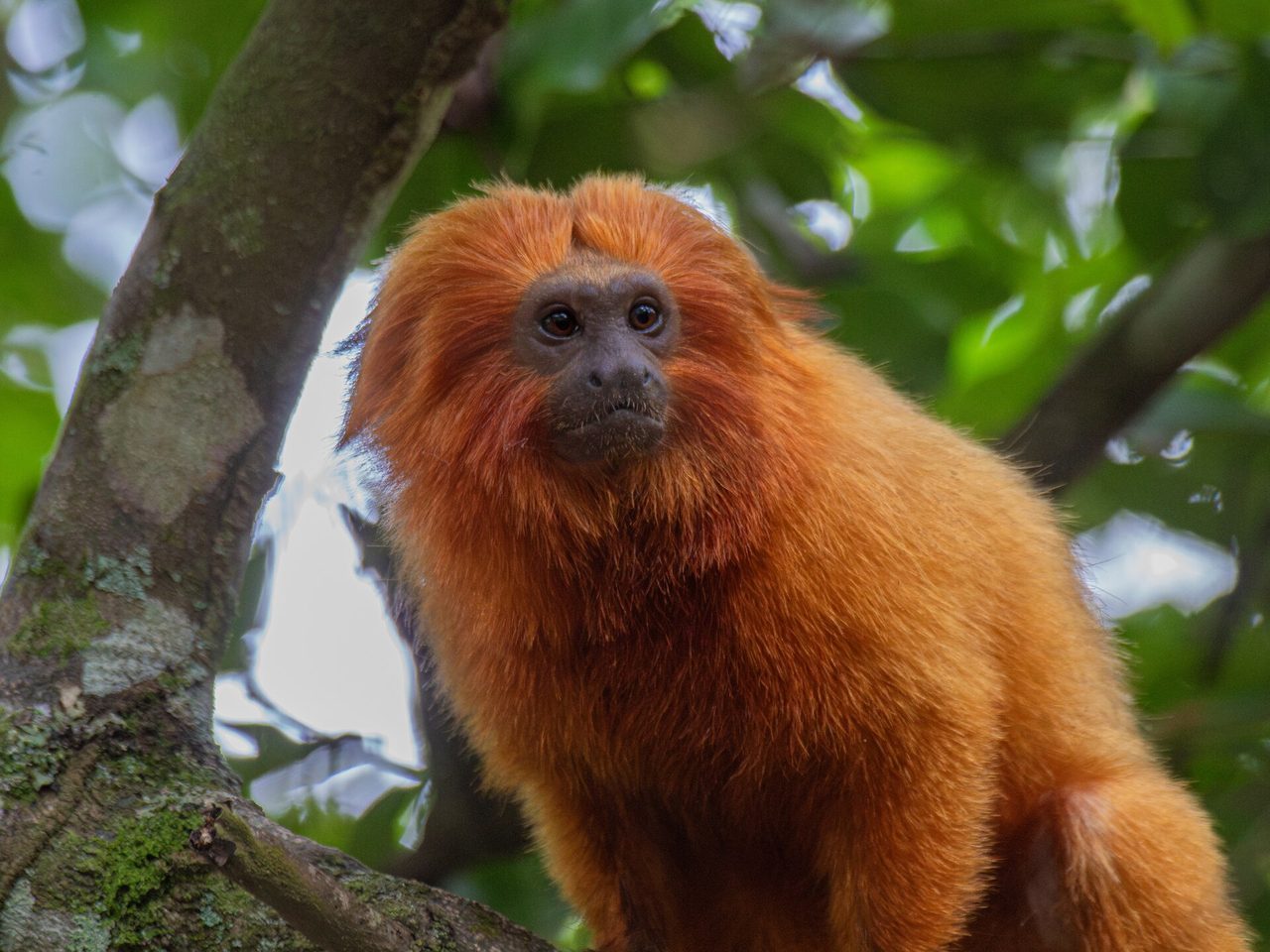
Photo: Henrique Bitencourt / Wikimedia Commons (CC BY-SA 4.0)
In brief
The Golden Lion Tamarin is a flame-orange Atlantic Forest monkey with a lion-like mane — one of conservation's greatest recovery stories after wild numbers fell below 200 in the 1970s. Its defining trait is striking colour and cooperative family life, yet it remains Endangered and CITES Appendix I protected.
What are the key facts about a Golden Lion Tamarin?
The Golden Lion Tamarin is a monkey species from Brazil (Atlantic Forest of Rio de Janeiro): small (about 600–700 g), striking, social, cooperatively breeding. Flame-orange mane and one of conservation's great recovery stories.
| Origin | Brazil (Atlantic Forest of Rio de Janeiro) |
|---|---|
| Size | Small (about 600–700 g) |
| Typical weight | 620–790 g (1.4–1.7 lb); small-bodied with long, non-prehensile tail |
| Lifespan | Up to ~8 years (wild); 15+ in captivity |
| Coat & markings | Brilliant golden-red fur forms a mane around the face and flows down shoulders and back. Bare pink skin on face and around eyes. Fur requires social grooming within family groups; colour intensity varies slightly with age and health. |
| Temperament | Striking, social, cooperatively breeding |
| Conservation note | Golden lion tamarins must never be kept as casual pets — they are Endangered, CITES Appendix I listed and survive only where Atlantic Forest is connected and protected in Rio de Janeiro state, Brazil. Captive breeding supports reintroduction insurance populations under coordinated programmes, not private trade. Donations to Brazilian corridor planting and anti-poaching patrols directly benefit wild tamarins. |
Should you keep a Golden Lion Tamarin as a pet?
No. A Golden Lion Tamarin is a wild monkey from Brazil (Atlantic Forest of Rio de Janeiro), not a companion animal. Private keeping usually means an infant taken from a troop, a lifetime of unmet social needs, and often a legal offence.
People search this page because the Golden Lion Tamarin looks small, clever or “manageable” in photos. That is the trap. Wild primates need a troop, a range, and a diet that is not human leftovers. The Golden Lion Tamarin is from Brazil (Atlantic Forest of Rio de Janeiro); its conservation note on this page is golden lion tamarins must never be kept as casual pets — they are endangered, cites appendix i listed and survive only where atlantic forest is connected and protected in rio de janeiro state, brazil. captive breeding supports reintroduction insurance populations under coordinated programmes, not private trade. donations to brazilian corridor planting and anti-poaching patrols directly benefit wild tamarins..
If you met a Golden Lion Tamarin in a selfie setting or a roadside stall, walk away and do not pay. Paying creates the next capture. Read this as a species briefing, then use the wildlife guide and the appeals linked at the bottom if you want to help the wild population.
What is a Golden Lion Tamarin?
Flame-orange mane and one of conservation's great recovery stories. Origin is Brazil (Atlantic Forest of Rio de Janeiro); coat or markings are described as Brilliant golden-red fur forms a mane around the face and flows down shoulders and back. Bare pink skin on face and around eyes. Fur requires social grooming within family groups; colour intensity varies slightly with age and health..
Treat “species” here as a library label for a wild species or distinct form, not as a kennel-club product.
Where does the Golden Lion Tamarin come from?
Golden Lion Tamarins come from Brazil (Atlantic Forest of Rio de Janeiro). Golden lion tamarins — Leontopithecus rosalia — live exclusively in Brazil's Atlantic Forest, once covering much of the coast before centuries of sugar, coffee and urban sprawl reduced it to fragments.
By the 1960s trapping for laboratories and pets drove wild numbers below 200. A coalition of Brazilian and international zoos built a captive breeding programme that reintroduced hundreds of tamarins into protected reserves linked by replanted corridors. Population recovery reached roughly 4,800 individuals, yet the species remains Endangered because fragments are still isolated by roads and pasture. The tamarin became a global symbol of what intensive, community-led conservation can achieve.
What does a Golden Lion Tamarin actually need?
A wild Golden Lion Tamarin needs the habitat and social system of Brazil (Atlantic Forest of Rio de Janeiro), not a spare room. Size (Small (about 600–700 g)) and a striking, social, cooperatively breeding life history are why private keeping fails.
In the wild that means connected habitat, a diet the species evolved with, and distance from the pet and selfie trades. Captive “care sheets” for wild monkeys are how trafficking gets laundered as husbandry.
If you already work in accredited rescue, follow specialist protocols and licensing. Everyone else: do not acquire a Golden Lion Tamarin. Support habitat and anti-trafficking work instead.
What surprises people about the Golden Lion Tamarin?
A few details about the breed, alongside the practical care information in this guide.
- Golden lion tamarins fell below 200 wild individuals before coordinated breeding saved the species.
- Reintroduced tamarins wear radio collars so rangers can monitor survival and breeding success.
- Family groups share food and carry twin infants between adults in cooperative care.
- Forest corridors planted with native trees let isolated groups meet and exchange genes.
What health issues should you know about in a Golden Lion Tamarin?
Health concerns to discuss with your vet, including changes to watch for and everyday care. This is general guidance, not veterinary advice — always speak to your vet.
Habitat loss (wild)
Atlantic Forest clearance for pasture, eucalyptus and urban sprawl confines tamarins to reserves too small for long-term genetic health without corridors.
Care: Fund native tree planting and land purchase that connects Poço das Antas and adjacent protected areas in Rio de Janeiro state.
Inbreeding in small populations
Isolated groups lose genetic diversity, increasing infertility and susceptibility to disease such as yellow fever.
Care: Maintain meta-population management, vaccination programmes and translocation between reserves under Brazilian wildlife authority guidance.
Capture stress (historical trade)
Decades of trapping for pets and labs traumatised wild troops and removed breeding adults essential to recovery.
Care: Continued anti-poaching patrols and public awareness prevent repeat exploitation now that reintroduction has rebuilt numbers.
Who should skip a Golden Lion Tamarin?
Skip a Golden Lion Tamarin if you are anyone hoping to keep a Golden Lion Tamarin as a pet or photo prop. This Brazil (Atlantic Forest of Rio de Janeiro) monkey is small (about 600–700 g) and striking, social, cooperatively breeding — the mismatch is usually lifestyle, not a missing accessory.
This page is allowed to say no. Skip if you are anyone hoping to keep a Golden Lion Tamarin as a pet or photo prop. Skip if you are anyone who will pay for a wild-caught or roadside animal. Skip if you are tourists looking for handling or selfies.
A different monkey species on this site may fit. Wanting “a Golden Lion Tamarin” after a film or a colour photo is not a reason to ignore the skip list.
What are the hidden catches with a Golden Lion Tamarin?
The hidden cost of a Golden Lion Tamarin is usually not the purchase price. It is years of care, the health list on this page, and the mismatch between a striking, social, cooperatively breeding animal and a busy home.
The pet-trade catch
Cute infant Golden Lion Tamarins in ads were usually taken from wild families. The adult you cannot house is then dumped, euthanised, or passed on. Do not create that demand.
The tourism catch
Paying to hold, ride, or selfie with a Golden Lion Tamarin funds the next capture or a stressed ambassador animal. Distance and accredited viewing are the ethical default.
The habitat loss (wild) catch
Atlantic Forest clearance for pasture, eucalyptus and urban sprawl confines tamarins to reserves too small for long-term genetic health without corridors. Fund native tree planting and land purchase that connects Poço das Antas and adjacent protected areas in Rio de Janeiro state.
The inbreeding in small populations catch
Isolated groups lose genetic diversity, increasing infertility and susceptibility to disease such as yellow fever. Maintain meta-population management, vaccination programmes and translocation between reserves under Brazilian wildlife authority guidance.
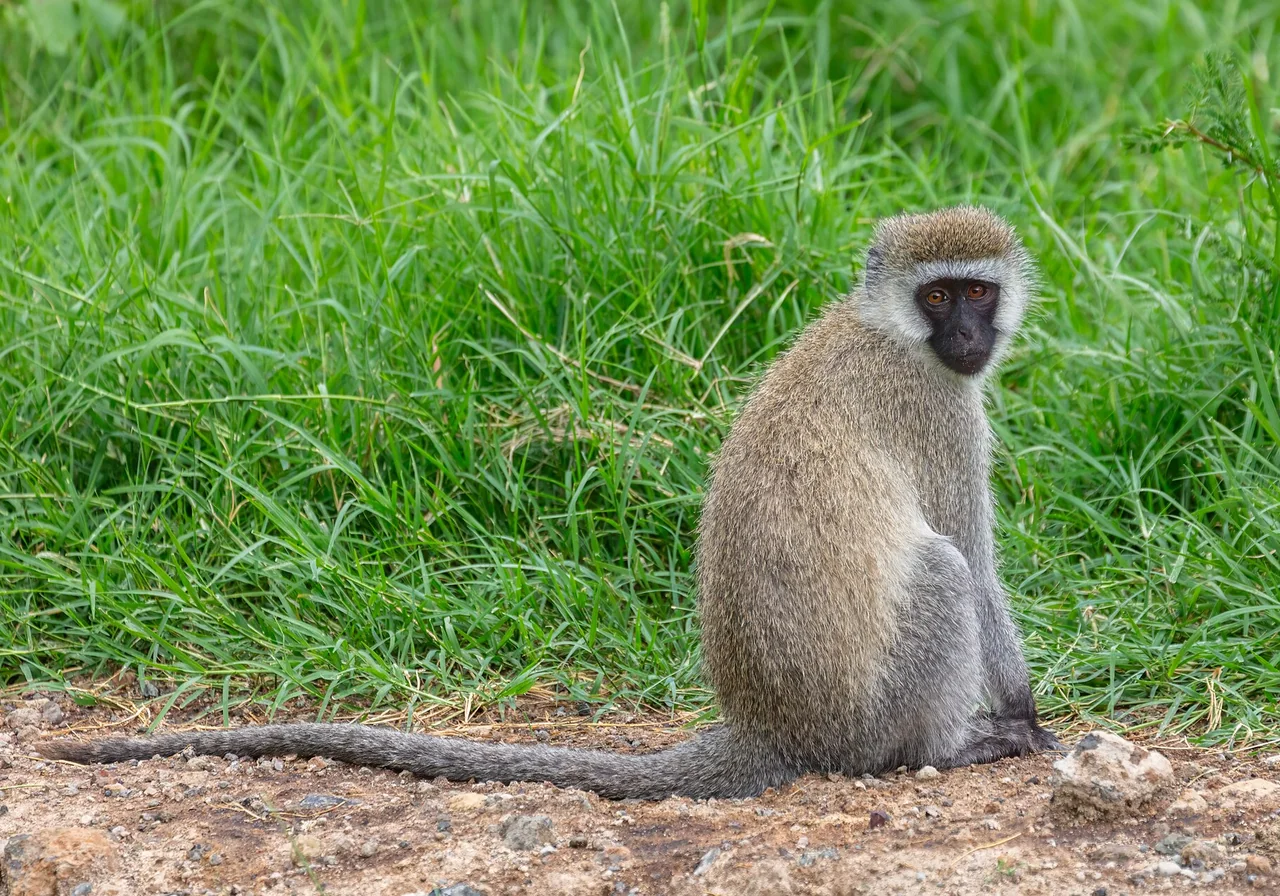
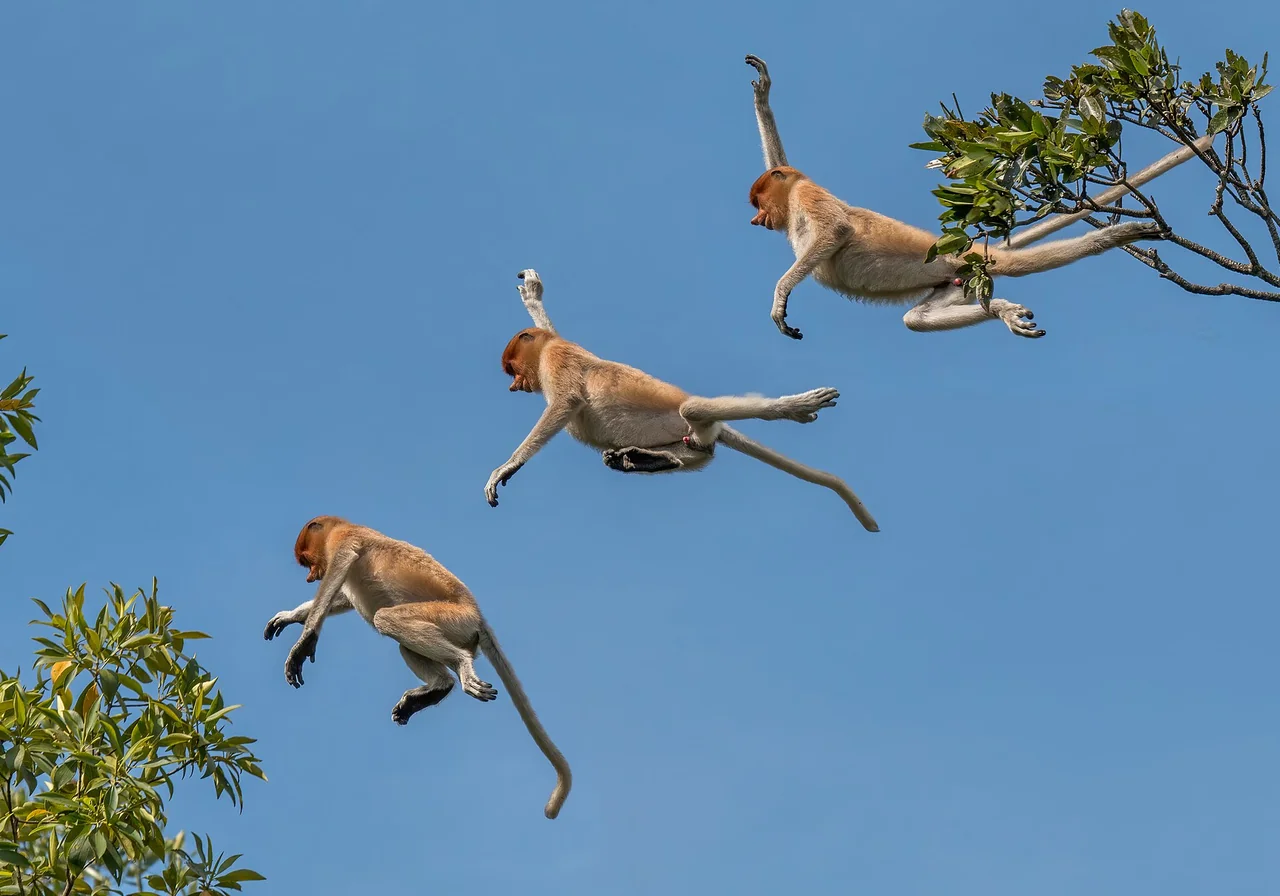
How does a Golden Lion Tamarin compare with Vervet Monkey and Proboscis Monkey?
A Golden Lion Tamarin is not interchangeable with Vervet Monkey and Proboscis Monkey. Compare origin, size, lifespan and temperament before you choose — those four lines prevent most regret.
| Monkey fact | Golden Lion Tamarin | Vervet Monkey | Proboscis Monkey |
|---|---|---|---|
| Origin | Brazil (Atlantic Forest of Rio de Janeiro) | Eastern & southern Africa | Borneo (coastal & riverine forest) |
| Size | Small (about 600–700 g) | Medium (3.5–8 kg) | Large (males ~16–24 kg; females ~7–12 kg) |
| Lifespan | Up to ~8 years (wild); 15+ in captivity | 12–24 years (wild) | Around 13–20 years (wild) |
| Temperament | Striking, social, cooperatively breeding | Alert, adaptable, highly vocal | Swamp-forest specialist, strong swimmer |
What is the verdict on the Golden Lion Tamarin?
A Golden Lion Tamarin is a wild monkey to understand and protect, not a pet to acquire. If you came here to buy one, the verdict is no. If you came here to learn, use the species guide next.
Help looks like habitat, enforcement and refusing the trade — not a cage in a spare room. WARN is a CIC, not a charity; donate only if you want to fund partner work in our network countries, and do not expect Gift Aid.
Monkeys belong in the wild
Monkeys are intelligent, social primates — not pets. The illegal pet trade and habitat loss threaten species from marmosets to macaques. WARN funds anti-trafficking and habitat work for primates in our partner countries.