Monkey Species · Borneo (coastal & riverine forest)
Proboscis Monkey
Big-nosed, pot-bellied and pop-eyed — Borneo's iconic riverine monkey.
By WARN Research & Conservation TeamLast updated
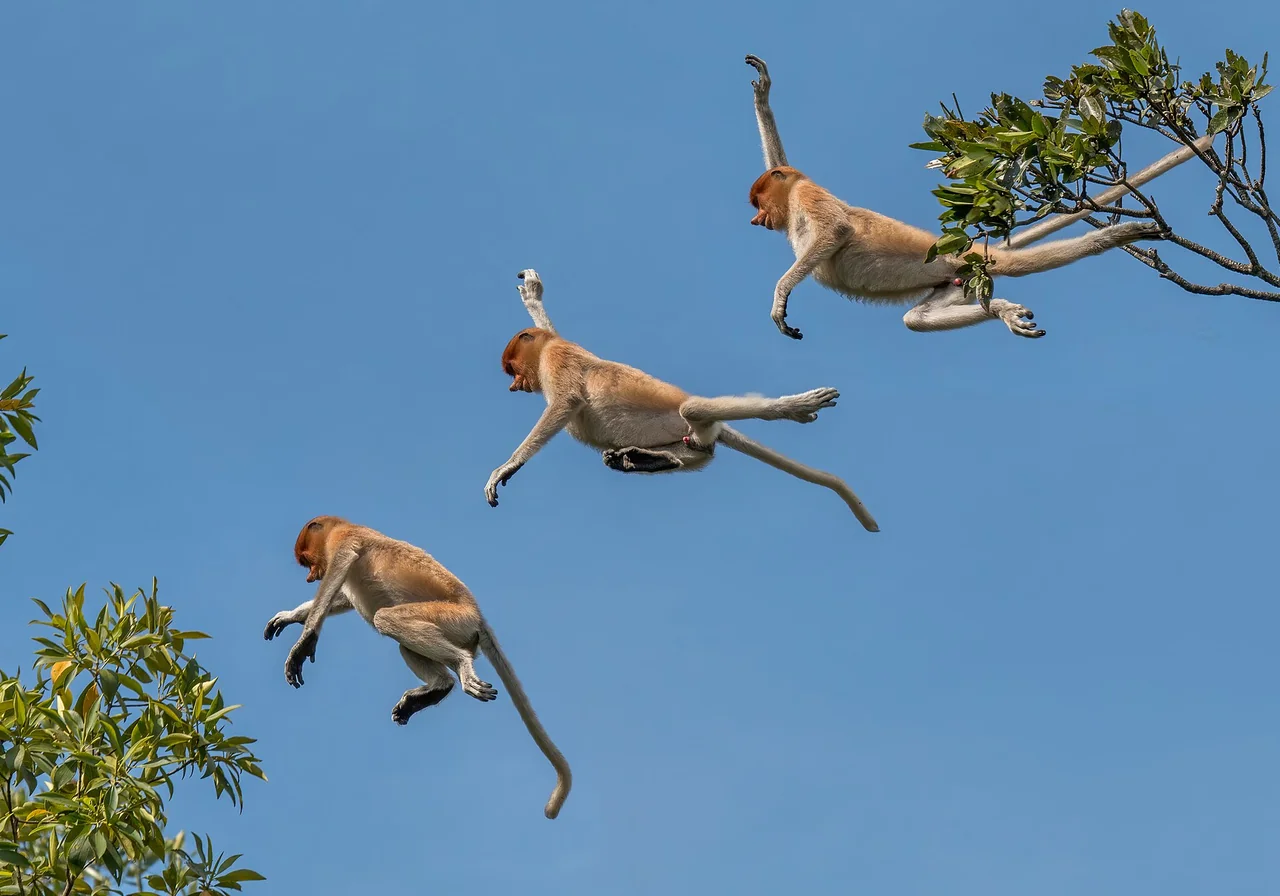
In brief
The Proboscis Monkey is Borneo's iconic riverine primate — males carry a huge pendulous nose and pot belly adapted to leaf-eating in mangrove and swamp forest. Its defining trait is aquatic agility combined with Endangered status driven by oil palm expansion and CITES Appendix I protection.
What are the key facts about a Proboscis Monkey?
The Proboscis Monkey is a monkey species from Borneo (coastal & riverine forest): large (males ~16–24 kg; females ~7–12 kg), swamp-forest specialist, strong swimmer. Big-nosed, pot-bellied and pop-eyed — Borneo's iconic riverine monkey.
| Origin | Borneo (coastal & riverine forest) |
|---|---|
| Size | Large (males ~16–24 kg; females ~7–12 kg) |
| Typical weight | 7–24 kg (15–53 lb); males dramatically larger with enlarged nose and belly |
| Lifespan | Around 13–20 years (wild) |
| Coat & markings | Reddish-brown fur on back and shoulders with grey limbs, pale belly and pinkish face on adults. Infants are slate blue. Webbed fingers and toes support swimming between riverbank trees — among the most aquatic of all primates. |
| Temperament | Swamp-forest specialist, strong swimmer |
| Conservation note | Proboscis monkeys cannot be kept as pets — they are Endangered, CITES Appendix I listed and survive only in Borneo's riverine and mangrove forest. Captive breeding has had limited success; wild habitat protection in Indonesia, Malaysia and Brunei is the priority. Support WARN partner programmes and sustainable palm oil advocacy rather than any attempt to acquire these specialised forest monkeys. |
Should you keep a Proboscis Monkey as a pet?
No. A Proboscis Monkey is a wild monkey from Borneo (coastal & riverine forest), not a companion animal. Private keeping usually means an infant taken from a troop, a lifetime of unmet social needs, and often a legal offence.
People search this page because the Proboscis Monkey looks small, clever or “manageable” in photos. That is the trap. Wild primates need a troop, a range, and a diet that is not human leftovers. The Proboscis Monkey is from Borneo (coastal & riverine forest); its conservation note on this page is proboscis monkeys cannot be kept as pets — they are endangered, cites appendix i listed and survive only in borneo's riverine and mangrove forest. captive breeding has had limited success; wild habitat protection in indonesia, malaysia and brunei is the priority. support warn partner programmes and sustainable palm oil advocacy rather than any attempt to acquire these specialised forest monkeys..
If you met a Proboscis Monkey in a selfie setting or a roadside stall, walk away and do not pay. Paying creates the next capture. Read this as a species briefing, then use the wildlife guide and the appeals linked at the bottom if you want to help the wild population.
What is a Proboscis Monkey?
Big-nosed, pot-bellied and pop-eyed — Borneo's iconic riverine monkey. Origin is Borneo (coastal & riverine forest); coat or markings are described as Reddish-brown fur on back and shoulders with grey limbs, pale belly and pinkish face on adults. Infants are slate blue. Webbed fingers and toes support swimming between riverbank trees — among the most aquatic of all primates..
Treat “species” here as a library label for a wild species or distinct form, not as a kennel-club product.
Where does the Proboscis Monkey come from?
Proboscis Monkeys come from Borneo (coastal & riverine forest). Proboscis monkeys — Nasalis larvatus — live exclusively on Borneo, from coastal mangroves to peat-swamp forest along rivers.
Males' oversized noses amplify vocalisations and signal maturity to females. Multi-chambered stomachs ferment tough leaves similarly to ruminants. Oil palm plantations, logging and river pollution destroyed lowland habitat throughout the late 20th century. IUCN estimates populations fell more than 50% over three generations, with fewer than 7,000 mature individuals in fragmented river corridors. Ecotourism along the Kinabatangan and Sekonyer rivers funds local guards, but palm expansion remains the dominant threat.
What does a Proboscis Monkey actually need?
A wild Proboscis Monkey needs the habitat and social system of Borneo (coastal & riverine forest), not a spare room. Size (Large (males ~16–24 kg; females ~7–12 kg)) and a swamp-forest specialist, strong swimmer life history are why private keeping fails.
In the wild that means connected habitat, a diet the species evolved with, and distance from the pet and selfie trades. Captive “care sheets” for wild monkeys are how trafficking gets laundered as husbandry.
If you already work in accredited rescue, follow specialist protocols and licensing. Everyone else: do not acquire a Proboscis Monkey. Support habitat and anti-trafficking work instead.
What surprises people about the Proboscis Monkey?
A few details about the breed, alongside the practical care information in this guide.
- Proboscis monkeys are among the best primate swimmers — they can dive and cross rivers underwater.
- Male noses can exceed 10 cm in length and grow throughout adulthood.
- Proboscis monkeys are endemic to Borneo and found nowhere else in the wild.
- Their pot bellies house bacteria that ferment leaves other monkeys cannot digest.
What health issues should you know about in a Proboscis Monkey?
Health concerns to discuss with your vet, including changes to watch for and everyday care. This is general guidance, not veterinary advice — always speak to your vet.
Habitat loss (wild)
Drainage of peat swamp and mangrove for agriculture removes sleeping trees and food plants along rivers proboscis monkeys never leave.
Care: Protect riparian buffer zones and restore degraded mangrove where troops still persist in Sabah, Sarawak and Kalimantan.
Oil palm expansion
Large-scale conversion of lowland forest to monoculture palm isolates troops and increases human disturbance along river edges.
Care: Support certified sustainable palm oil policies and land-use planning that excludes primate corridors from new concessions.
River pollution
Agricultural runoff, mining sediment and untreated sewage degrade water quality where proboscis monkeys swim and forage.
Care: Fund watershed protection and community monitoring on rivers such as the Kinabatangan and Sekonyer.
Who should skip a Proboscis Monkey?
Skip a Proboscis Monkey if you are anyone hoping to keep a Proboscis Monkey as a pet or photo prop. This Borneo (coastal & riverine forest) monkey is large (males ~16–24 kg; females ~7–12 kg) and swamp-forest specialist, strong swimmer — the mismatch is usually lifestyle, not a missing accessory.
This page is allowed to say no. Skip if you are anyone hoping to keep a Proboscis Monkey as a pet or photo prop. Skip if you are anyone who will pay for a wild-caught or roadside animal. Skip if you are tourists looking for handling or selfies.
A different monkey species on this site may fit. Wanting “a Proboscis Monkey” after a film or a colour photo is not a reason to ignore the skip list.
What are the hidden catches with a Proboscis Monkey?
The hidden cost of a Proboscis Monkey is usually not the purchase price. It is years of care, the health list on this page, and the mismatch between a swamp-forest specialist, strong swimmer animal and a busy home.
The pet-trade catch
Cute infant Proboscis Monkeys in ads were usually taken from wild families. The adult you cannot house is then dumped, euthanised, or passed on. Do not create that demand.
The tourism catch
Paying to hold, ride, or selfie with a Proboscis Monkey funds the next capture or a stressed ambassador animal. Distance and accredited viewing are the ethical default.
The habitat loss (wild) catch
Drainage of peat swamp and mangrove for agriculture removes sleeping trees and food plants along rivers proboscis monkeys never leave. Protect riparian buffer zones and restore degraded mangrove where troops still persist in Sabah, Sarawak and Kalimantan.
The oil palm expansion catch
Large-scale conversion of lowland forest to monoculture palm isolates troops and increases human disturbance along river edges. Support certified sustainable palm oil policies and land-use planning that excludes primate corridors from new concessions.
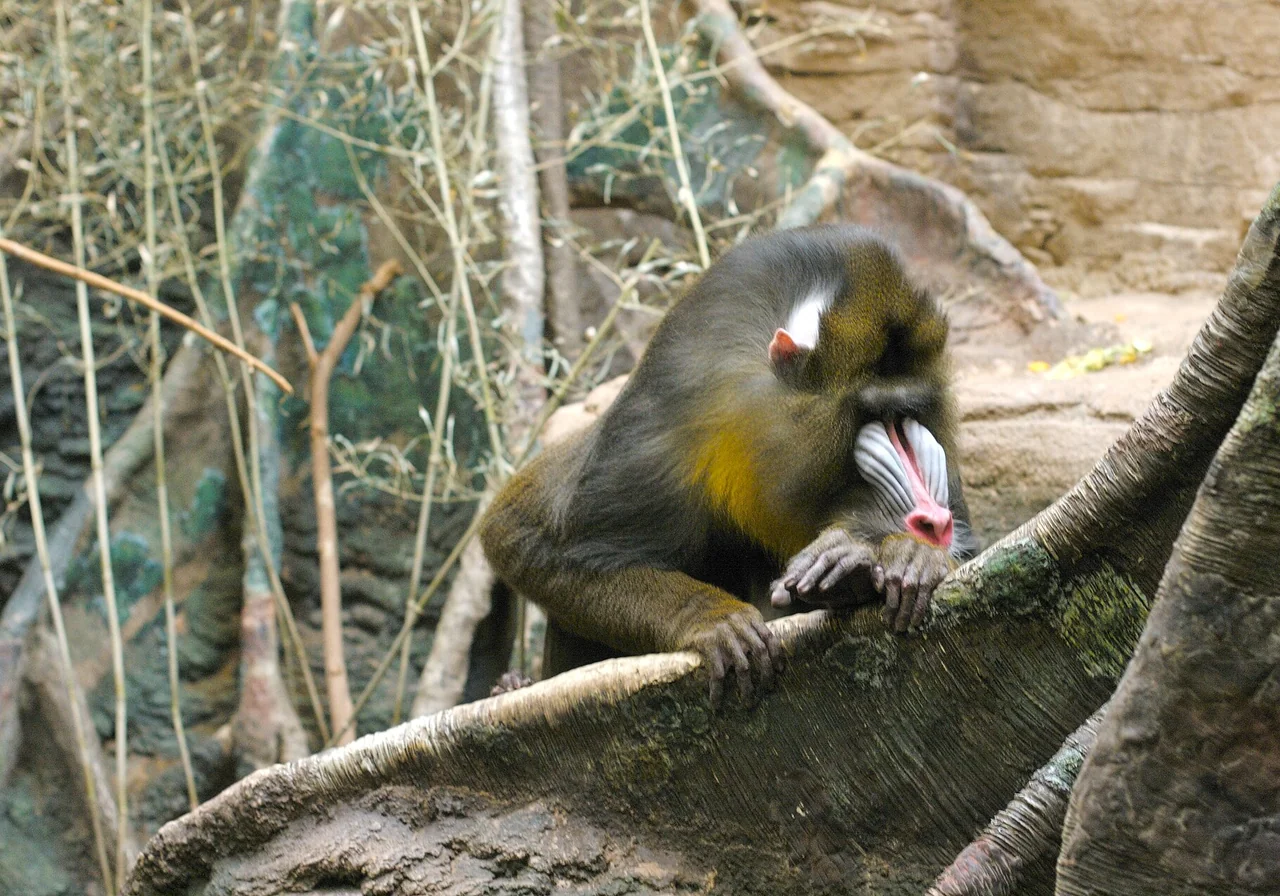
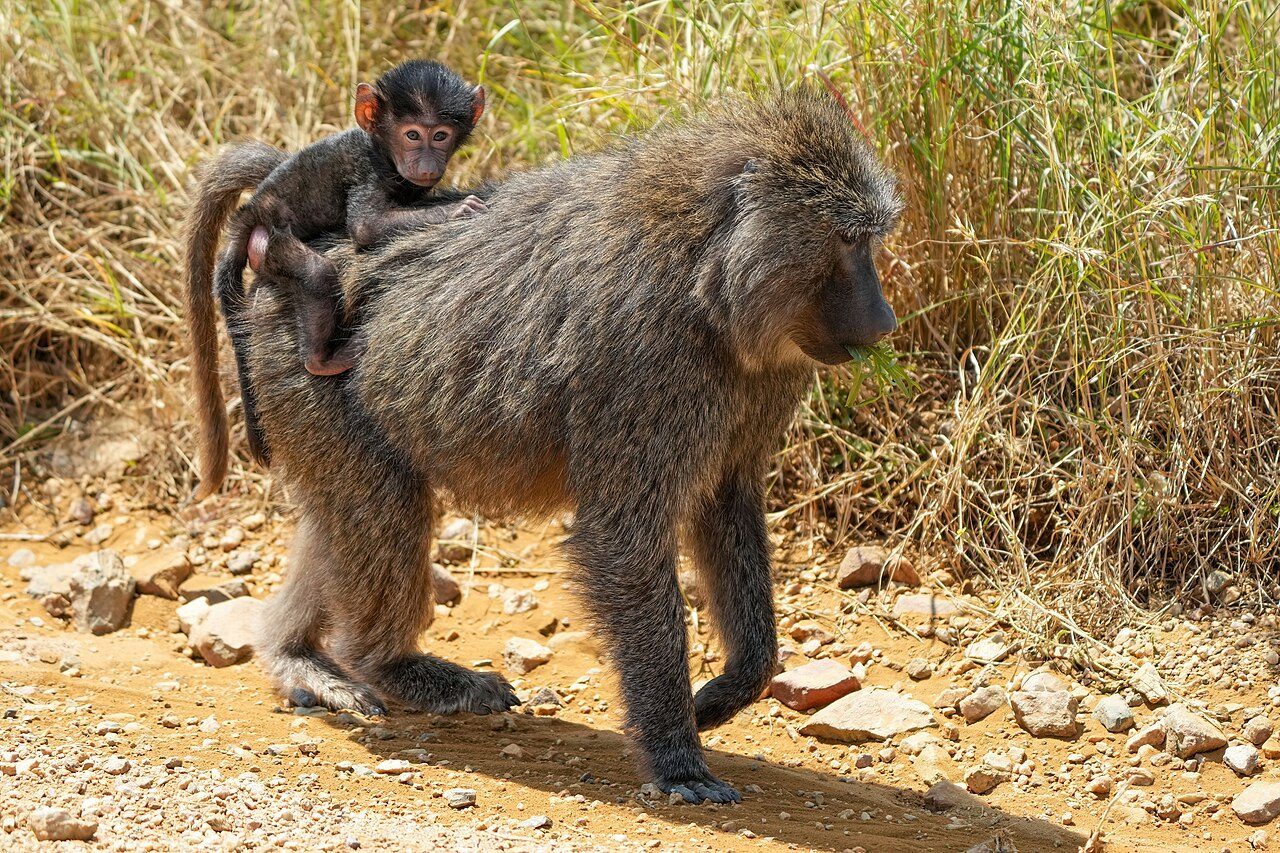
How does a Proboscis Monkey compare with Mandrill and Olive Baboon?
A Proboscis Monkey is not interchangeable with Mandrill and Olive Baboon. Compare origin, size, lifespan and temperament before you choose — those four lines prevent most regret.
| Monkey fact | Proboscis Monkey | Mandrill | Olive Baboon |
|---|---|---|---|
| Origin | Borneo (coastal & riverine forest) | West-central Africa (Cameroon, Gabon, Congo, Eq. Guinea) | Equatorial Africa (savanna belt) |
| Size | Large (males ~16–24 kg; females ~7–12 kg) | Large (males ~19–37 kg; females ~10–15 kg) | Large (males 24–30 kg; females ~14 kg) |
| Lifespan | Around 13–20 years (wild) | Around 20 years (wild); 30+ in captivity | 20–30 years (wild); longer in protected settings |
| Temperament | Swamp-forest specialist, strong swimmer | Colourful, powerful, highly social | Bold, terrestrial, highly social |
What is the verdict on the Proboscis Monkey?
A Proboscis Monkey is a wild monkey to understand and protect, not a pet to acquire. If you came here to buy one, the verdict is no. If you came here to learn, use the species guide next.
Help looks like habitat, enforcement and refusing the trade — not a cage in a spare room. WARN is a CIC, not a charity; donate only if you want to fund partner work in our network countries, and do not expect Gift Aid.
Monkeys belong in the wild
Monkeys are intelligent, social primates — not pets. The illegal pet trade and habitat loss threaten species from marmosets to macaques. WARN funds anti-trafficking and habitat work for primates in our partner countries.