Monkey Species · Eastern & southern Africa
Vervet Monkey
Greenish-olive savanna monkey with a famous alarm-call 'vocabulary'.
By WARN Research & Conservation TeamLast updated
In brief
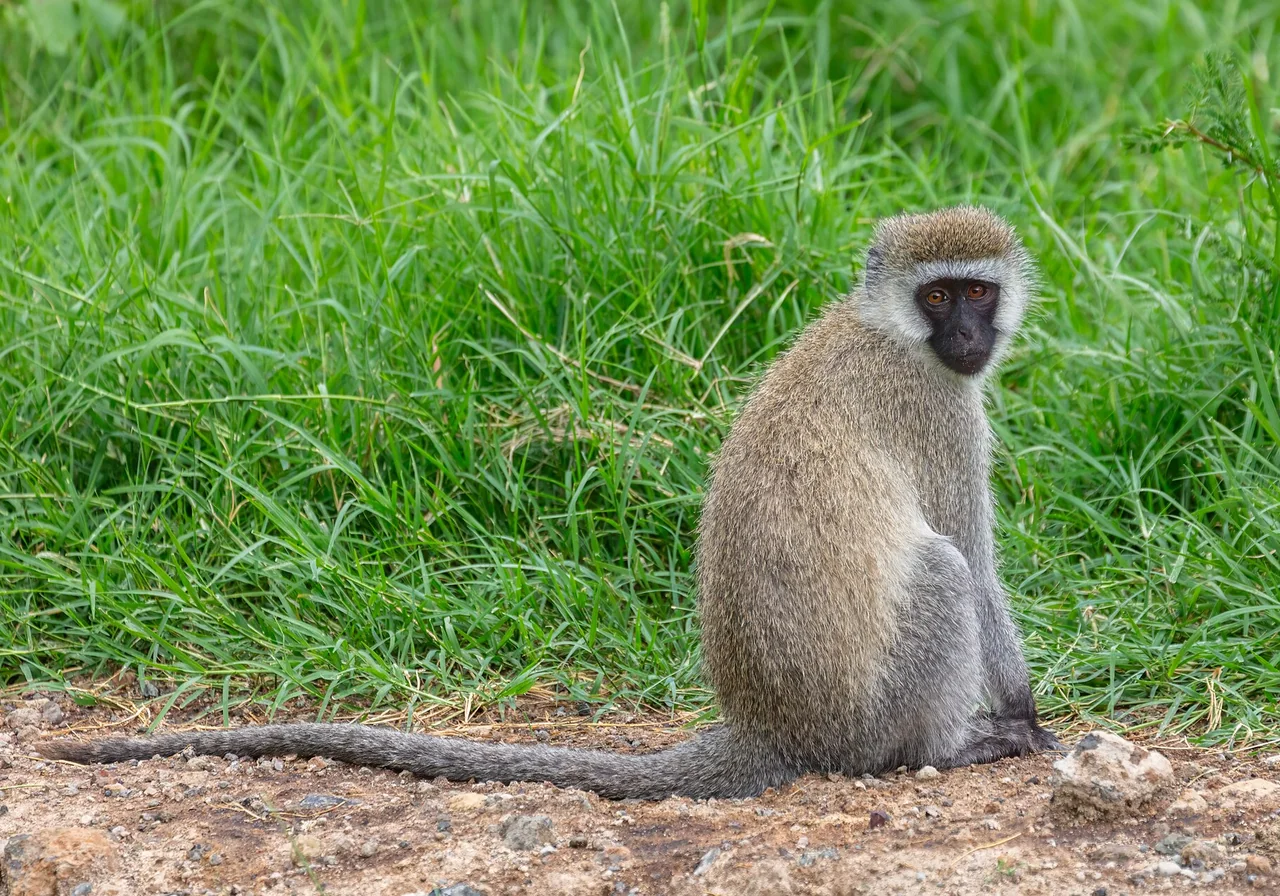
The Vervet Monkey is a greenish-olive savanna primate famous for graded alarm calls that distinguish leopards, eagles and snakes. Its defining trait is behavioural adaptability — thriving near agriculture while suffering persecution, road deaths and illegal pet trade across sub-Saharan Africa.
What are the key facts about a Vervet Monkey?
The Vervet Monkey is a monkey species from Eastern & southern Africa: medium (3.5–8 kg), alert, adaptable, highly vocal. Greenish-olive savanna monkey with a famous alarm-call 'vocabulary'.
| Origin | Eastern & southern Africa |
|---|---|
| Size | Medium (3.5–8 kg) |
| Typical weight | 3.5–8 kg (8–18 lb); males larger with blue scrotal colouration unique among primates |
| Lifespan | 12–24 years (wild) |
| Coat & markings | Olive-green or grey fur with white brow band, black face and long tail with black tip. Bare facial skin darkens with age. Seasonal moult keeps coat sleek; social grooming removes parasites and reinforces female alliances within multi-male troops. |
| Temperament | Alert, adaptable, highly vocal |
| Conservation note | Vervet monkeys are not suitable pets — they are CITES Appendix II listed, highly social and become destructive and aggressive in domestic settings. Wild populations need tolerance and conflict management where troops border farmland, not trapping for export. Support community coexistence programmes and primate sanctuary rescue rather than purchasing vervets from dealers. |
Should you keep a Vervet Monkey as a pet?
No. A Vervet Monkey is a wild monkey from Eastern & southern Africa, not a companion animal. Private keeping usually means an infant taken from a troop, a lifetime of unmet social needs, and often a legal offence.
People search this page because the Vervet Monkey looks small, clever or “manageable” in photos. That is the trap. Wild primates need a troop, a range, and a diet that is not human leftovers. The Vervet Monkey is from Eastern & southern Africa; its conservation note on this page is vervet monkeys are not suitable pets — they are cites appendix ii listed, highly social and become destructive and aggressive in domestic settings. wild populations need tolerance and conflict management where troops border farmland, not trapping for export. support community coexistence programmes and primate sanctuary rescue rather than purchasing vervets from dealers..
If you met a Vervet Monkey in a selfie setting or a roadside stall, walk away and do not pay. Paying creates the next capture. Read this as a species briefing, then use the wildlife guide and the appeals linked at the bottom if you want to help the wild population.
What is a Vervet Monkey?
Greenish-olive savanna monkey with a famous alarm-call 'vocabulary'. Origin is Eastern & southern Africa; coat or markings are described as Olive-green or grey fur with white brow band, black face and long tail with black tip. Bare facial skin darkens with age. Seasonal moult keeps coat sleek; social grooming removes parasites and reinforces female alliances within multi-male troops..
Treat “species” here as a library label for a wild species or distinct form, not as a kennel-club product.
Where does the Vervet Monkey come from?
Vervet Monkeys come from Eastern & southern Africa. Vervet monkeys — Chlorocebus pygerythrus and related species — range across eastern and southern Africa into introduced populations on Caribbean islands from historic translocations.
Their alarm-call vocabulary made them a model species in primate communication research at Amboseli and elsewhere. Omnivorous diet lets troops exploit crops, gardens and tourist sites, provoking conflict when rubbish and feeding habituate animals. The pet trade exports infants to Middle Eastern and other markets despite welfare failures. In South Africa and Kenya, relocation and sterilisation programmes attempt to reduce conflict without extermination. Vervets remain Least Concern globally but face local eradication.
What does a Vervet Monkey actually need?
A wild Vervet Monkey needs the habitat and social system of Eastern & southern Africa, not a spare room. Size (Medium (3.5–8 kg)) and a alert, adaptable, highly vocal life history are why private keeping fails.
In the wild that means connected habitat, a diet the species evolved with, and distance from the pet and selfie trades. Captive “care sheets” for wild monkeys are how trafficking gets laundered as husbandry.
If you already work in accredited rescue, follow specialist protocols and licensing. Everyone else: do not acquire a Vervet Monkey. Support habitat and anti-trafficking work instead.
What surprises people about the Vervet Monkey?
A few details about the breed, alongside the practical care information in this guide.
- Vervets produce distinct alarm calls for aerial, terrestrial and snake predators — listeners respond appropriately.
- Male vervets show bright blue scrotal skin — colour intensity signals social status.
- Caribbean vervet populations descend from African ancestors brought during the colonial era.
- Troops contain multiple males and females with complex female kin networks.
What health issues should you know about in a Vervet Monkey?
Health concerns to discuss with your vet, including changes to watch for and everyday care. This is general guidance, not veterinary advice — always speak to your vet.
Human-wildlife conflict
Farmers and homeowners kill or poison vervets that raid fruit, vegetables and stored grain — especially where troops have lost fear of people.
Care: Deploy crop guarding, primate-proof storage and community education on why feeding worsens aggression.
Road mortality
Vervets crossing roads between feeding patches suffer vehicle strikes — a major source of troop disruption near highways and resorts.
Care: Install canopy bridges or rope crossings and reduce speed limits through known vervet corridors.
Pet trade welfare issues
Infants pulled from wild troops for export develop abnormal behaviour, malnutrition and zoonotic disease risk in private hands.
Care: Report illegal trade and support sanctuaries that rehabilitate confiscated vervets without returning them to unsuitable release sites.
Who should skip a Vervet Monkey?
Skip a Vervet Monkey if you are anyone hoping to keep a Vervet Monkey as a pet or photo prop. This Eastern & southern Africa monkey is medium (3.5–8 kg) and alert, adaptable, highly vocal — the mismatch is usually lifestyle, not a missing accessory.
This page is allowed to say no. Skip if you are anyone hoping to keep a Vervet Monkey as a pet or photo prop. Skip if you are anyone who will pay for a wild-caught or roadside animal. Skip if you are tourists looking for handling or selfies.
A different monkey species on this site may fit. Wanting “a Vervet Monkey” after a film or a colour photo is not a reason to ignore the skip list.
What are the hidden catches with a Vervet Monkey?
The hidden cost of a Vervet Monkey is usually not the purchase price. It is years of care, the health list on this page, and the mismatch between a alert, adaptable, highly vocal animal and a busy home.
The pet-trade catch
Cute infant Vervet Monkeys in ads were usually taken from wild families. The adult you cannot house is then dumped, euthanised, or passed on. Do not create that demand.
The tourism catch
Paying to hold, ride, or selfie with a Vervet Monkey funds the next capture or a stressed ambassador animal. Distance and accredited viewing are the ethical default.
The human-wildlife conflict catch
Farmers and homeowners kill or poison vervets that raid fruit, vegetables and stored grain — especially where troops have lost fear of people. Deploy crop guarding, primate-proof storage and community education on why feeding worsens aggression.
The road mortality catch
Vervets crossing roads between feeding patches suffer vehicle strikes — a major source of troop disruption near highways and resorts. Install canopy bridges or rope crossings and reduce speed limits through known vervet corridors.
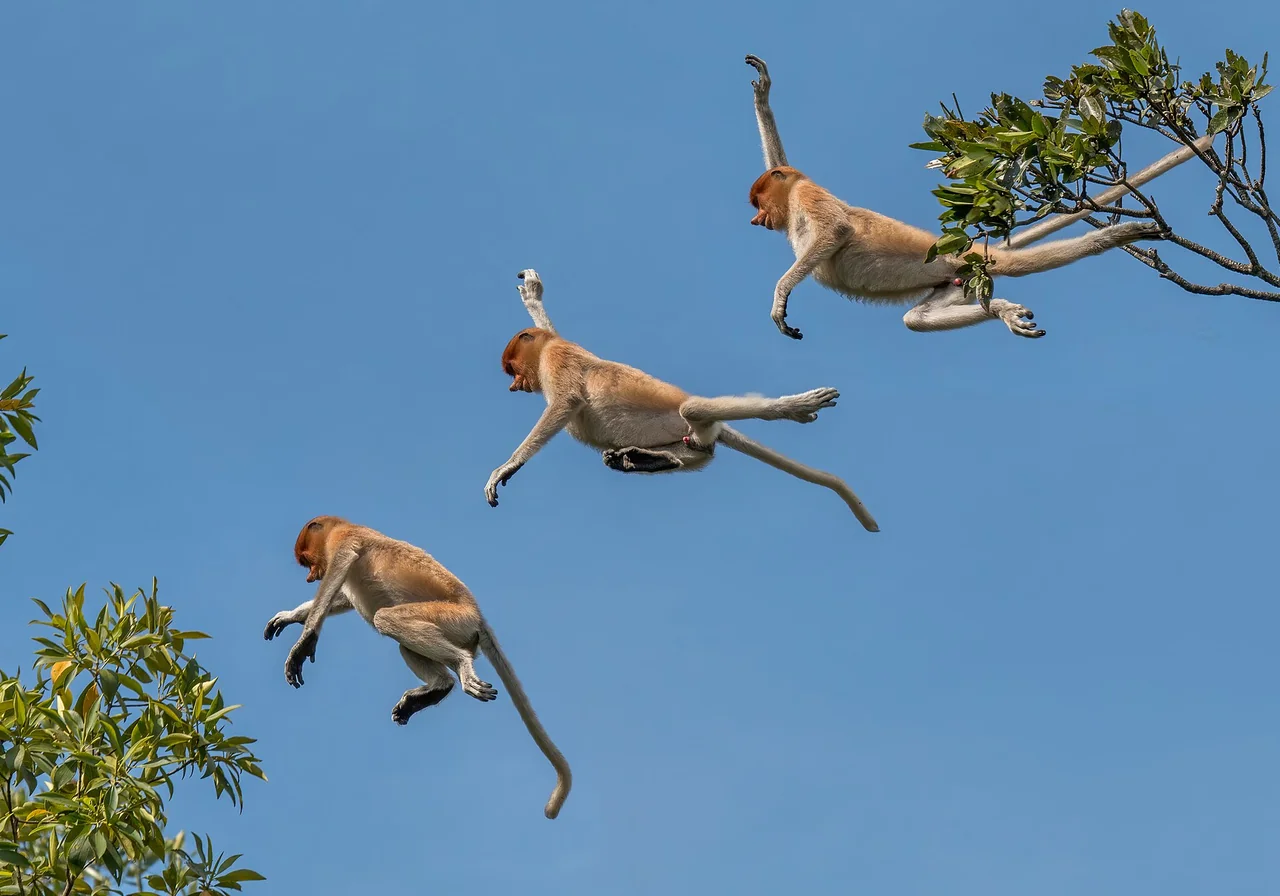
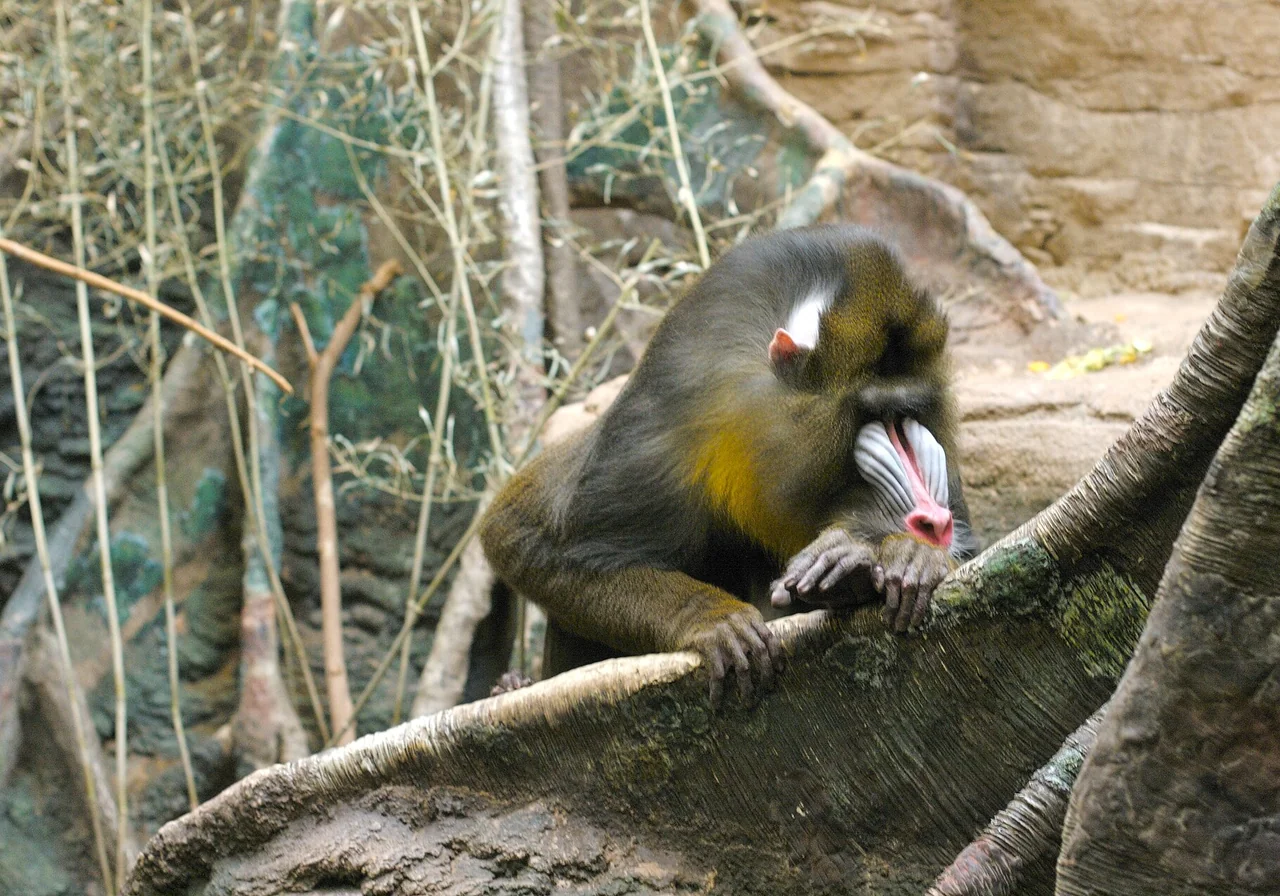
How does a Vervet Monkey compare with Proboscis Monkey and Mandrill?
A Vervet Monkey is not interchangeable with Proboscis Monkey and Mandrill. Compare origin, size, lifespan and temperament before you choose — those four lines prevent most regret.
| Monkey fact | Vervet Monkey | Proboscis Monkey | Mandrill |
|---|---|---|---|
| Origin | Eastern & southern Africa | Borneo (coastal & riverine forest) | West-central Africa (Cameroon, Gabon, Congo, Eq. Guinea) |
| Size | Medium (3.5–8 kg) | Large (males ~16–24 kg; females ~7–12 kg) | Large (males ~19–37 kg; females ~10–15 kg) |
| Lifespan | 12–24 years (wild) | Around 13–20 years (wild) | Around 20 years (wild); 30+ in captivity |
| Temperament | Alert, adaptable, highly vocal | Swamp-forest specialist, strong swimmer | Colourful, powerful, highly social |
What is the verdict on the Vervet Monkey?
A Vervet Monkey is a wild monkey to understand and protect, not a pet to acquire. If you came here to buy one, the verdict is no. If you came here to learn, use the species guide next.
Help looks like habitat, enforcement and refusing the trade — not a cage in a spare room. WARN is a CIC, not a charity; donate only if you want to fund partner work in our network countries, and do not expect Gift Aid.
Monkeys belong in the wild
Monkeys are intelligent, social primates — not pets. The illegal pet trade and habitat loss threaten species from marmosets to macaques. WARN funds anti-trafficking and habitat work for primates in our partner countries.