East Africa
Animal rescue in Rwanda
Rwanda’s forests, wetlands and savanna habitats support important wildlife populations. Protection of animals is closely connected with health, suitable habitat and local…
By WARN Research & Conservation TeamLast updated
Find urgent animal help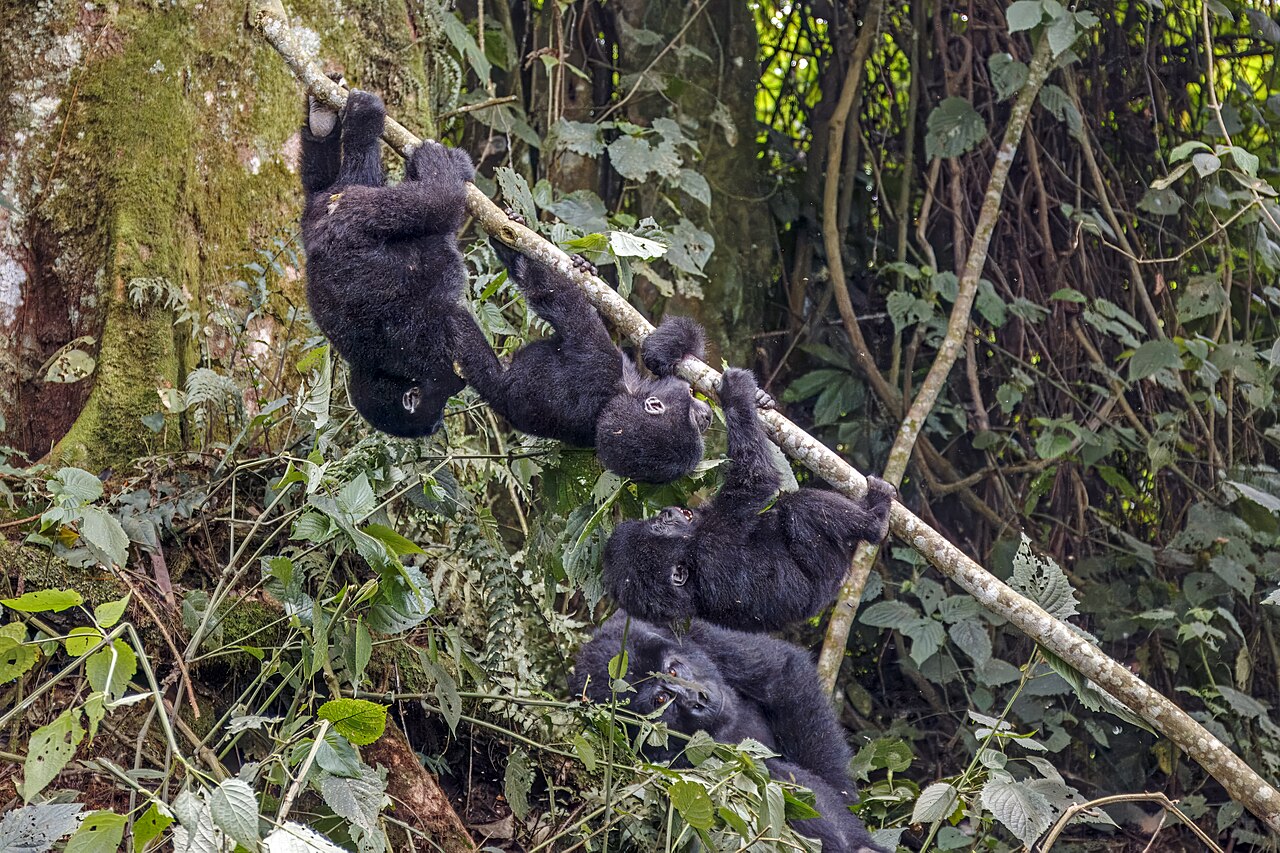
Mountain gorilla family photographed in Bwindi Impenetrable National Park, Uganda on 23 October 2016. This species photograph does not document a WARN grant or a current incident in Rwanda. Photo: Charles J. Sharp / Wikimedia Commons (CC BY-SA 4.0). Commons-generated thumbnail; no further image edits. Display may be cropped. Original source · CC BY-SA 4.0
In brief
Rwanda’s forests, wetlands and savanna habitats support important wildlife populations. Protection of animals is closely connected with health, suitable habitat and local communities.
Key Facts About Rwanda
- Habitat encroachment and fragmentation is an important context for animal welfare and conservation.
- The related appeals explain proposed purposes and their geographic scope.
- Published grant records are separate from country and species information.
Forests, wetlands and connectivity
Rwanda’s CBD profile describes pressures including habitat encroachment, poaching, invasive species, fire and human-wildlife conflict. It also identifies connectivity and disease as conservation considerations. These are background pressures rather than a current animal emergency report.
Responsible primate support
Primate welfare work needs specialist expertise and careful decisions about contact, care and habitat. A proposed grant should identify the organisation’s authority and the intended activity. A gorilla photograph or a reference to Rwanda does not establish a WARN rescue operation or visitor access.
How to assess a relevant appeal
Start with the stated purpose, its geographic scope and the current recipient status. Then look for a costed proposal, authority to do the work, an animal welfare approach and a reporting plan. Proposed support, an approved award and a completed payment are different stages. Country and species guides explain context; grant records establish what WARN has committed or paid.
Threats to Wildlife in Rwanda
Habitat encroachment and fragmentation
Poaching
Invasive species
Human-wildlife conflict
WARN’s role and funding status
WARN raises awareness and seeks funds for assessed animal welfare needs. Before an award, proposed recipients, activities, permissions, costs and reporting need review. This country guide is not a list of funded operations; check the public grant register for published decisions and payments.
Key Species in Rwanda
Rwanda FAQ
What animal welfare issues does this Rwanda guide cover?
Does this page confirm WARN has funded work in Rwanda?
Can I restrict a gift to Rwanda?
How do I find urgent animal help in Rwanda?
Can I help by sharing this information?
Rescue Guides for Rwanda
Explore animal welfare and conservation topics connected to Rwanda. These explain needs and possible responses, rather than confirming funded WARN operations.
Uganda · Great ape protection
Mountain Gorilla Rescue in Uganda
Mountain gorilla rescue in Uganda focuses on partner-led veterinary response for snared and injured gorillas, snare removal in Bwindi and Mgahinga, and humane conflict mitigation at park edges — not WARN-run facilities or tourism.
Wildlife rescue · Gorillas
Donate to Gorilla Conservation
You can donate to gorilla conservation through WARN at /appeals/gorillas — gifts are intended to support partner-led veterinary response for snared and injured mountain gorillas, snare removal in Bwindi and Mgahinga and conflict mitigation in Rwanda and Uganda.
_female_with_young_Bwindi_Uganda.jpg)
Related animal welfare appeals
Explore a related cause and read its stated purpose, geographic scope and recipient status before donating. A link from this guide does not create a fund restricted to Rwanda.
Mountain gorilla conservation
Help Mountain Gorillas
Learn about mountain-gorilla health, habitat and sustained conservation. Read dated survey context and proposed support before choosing to give.
Support this appeal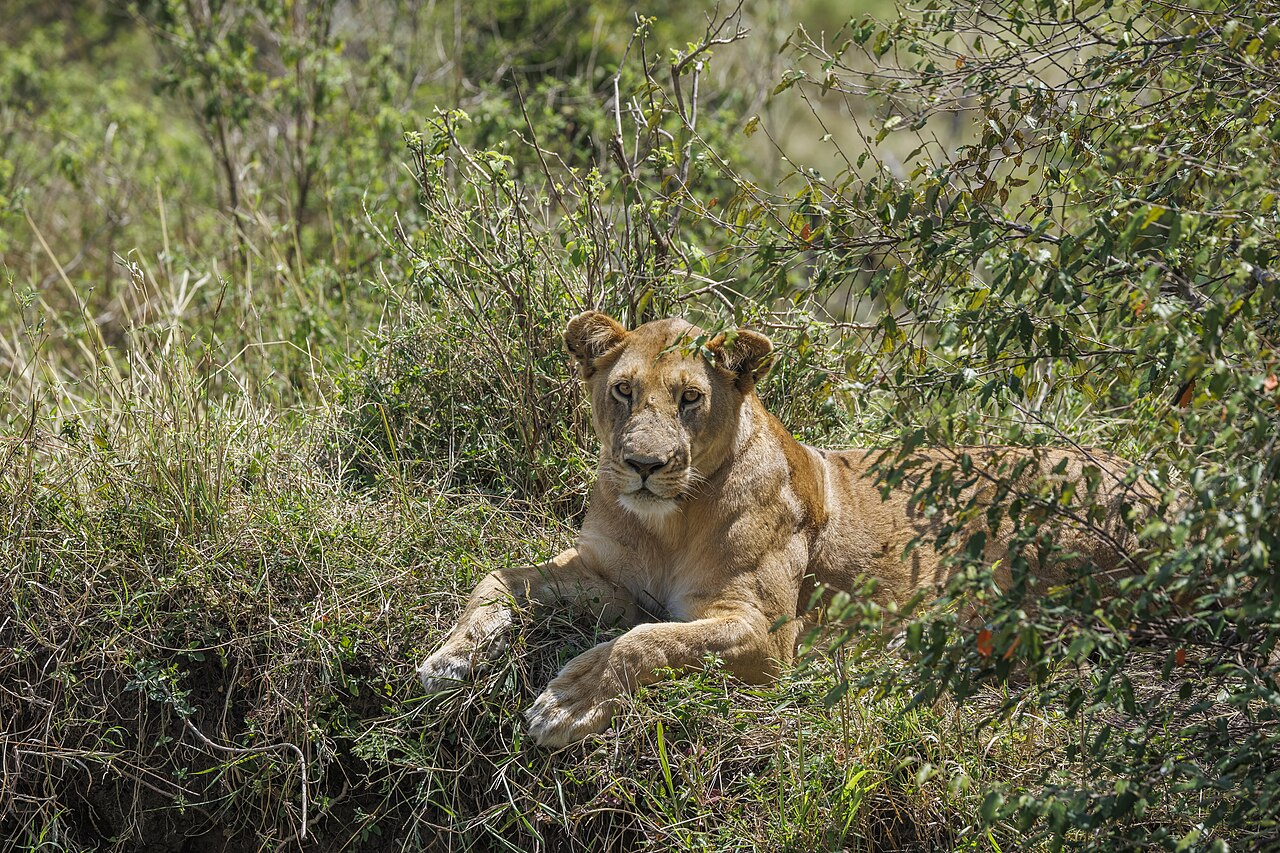
Lion welfare and conservation
Help Protect Lions
Explore lion protection, humane coexistence and appropriate rescue or continuing care. Read the proposed support and how recipients would be assessed.
Support this appeal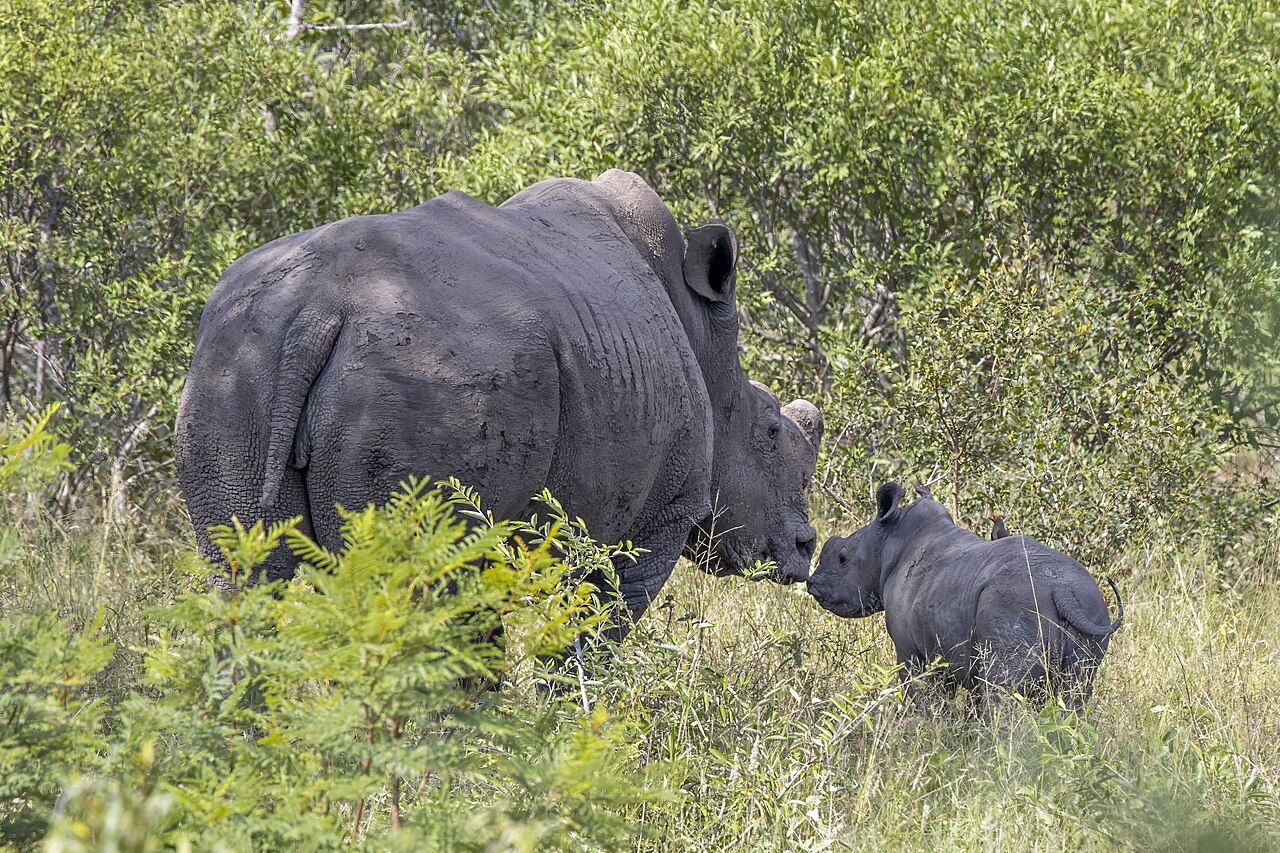
Rhino conservation · Africa and Asia
Help Protect Rhinos
Understand the different needs of the five rhino species, from protection and habitat to qualified care, and review WARN’s proposed funding approach.
Support this appeal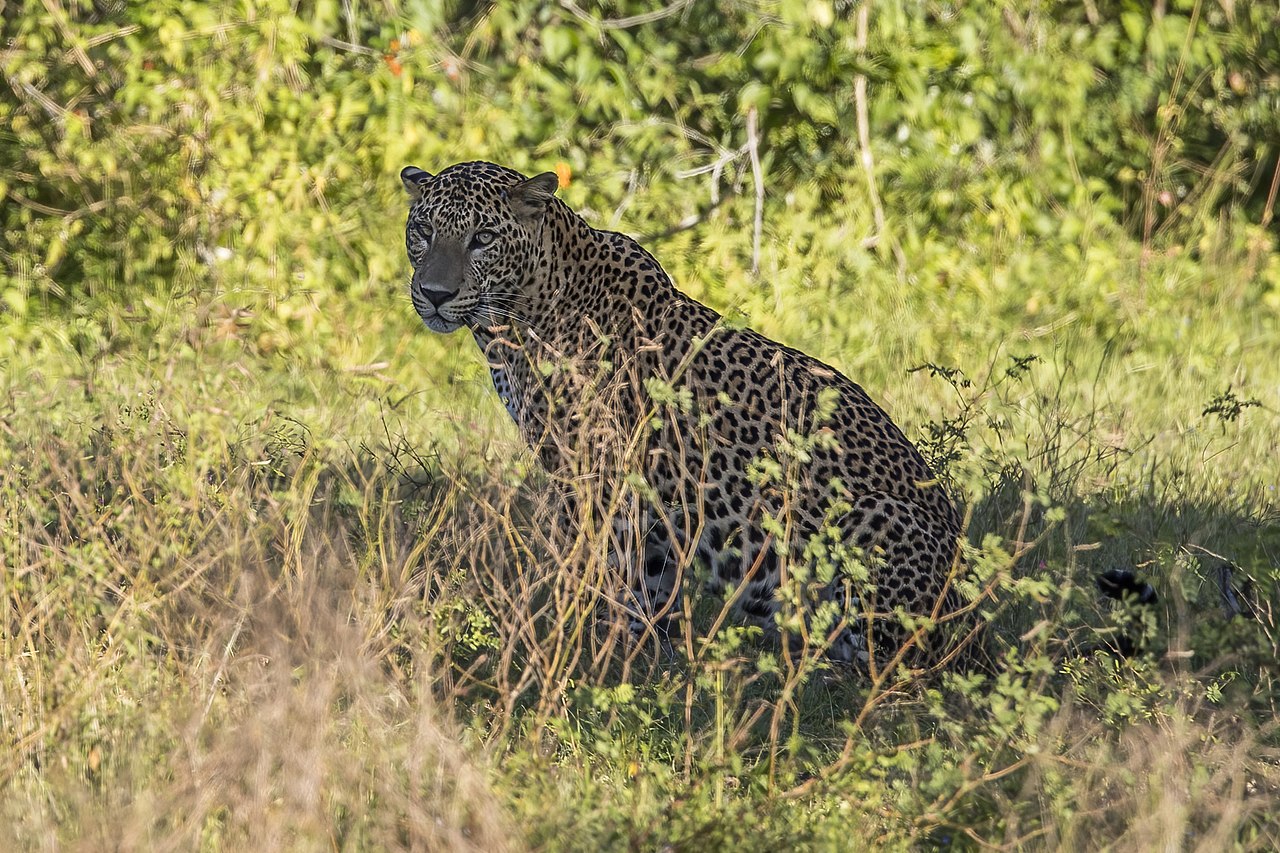
Leopard welfare · Asia and Africa
Help Protect Leopards
Explore humane coexistence, snare response and appropriate care for leopards. Read how a proposed grant would be assessed and reported.
Support this appealSources and how to use this guide
The CBD country profile provides background on biodiversity and habitat pressures. Its figures and policy sections include historical information, and some profiles are marked draft; it is not a live emergency feed. Follow dated original sources in the related appeals for incident information, and the linked species guides for assessment context.
Sources reviewed 8 September 2026. Country coverage does not establish a partnership with the organisations cited.
Help the Animals of Rwanda
Choose a relevant appeal, share reliable information or find local animal help. The general donation page offers unrestricted support and available appeal choices; it does not automatically restrict a gift to this country.
Donate Now