East Africa
Animal rescue in Kenya
Kenya’s savannas, highlands, freshwater habitats and coast support wildlife alongside communities and working animals. Rescue needs and conservation priorities vary by place and…
By WARN Research & Conservation Team Last updated
Find urgent animal help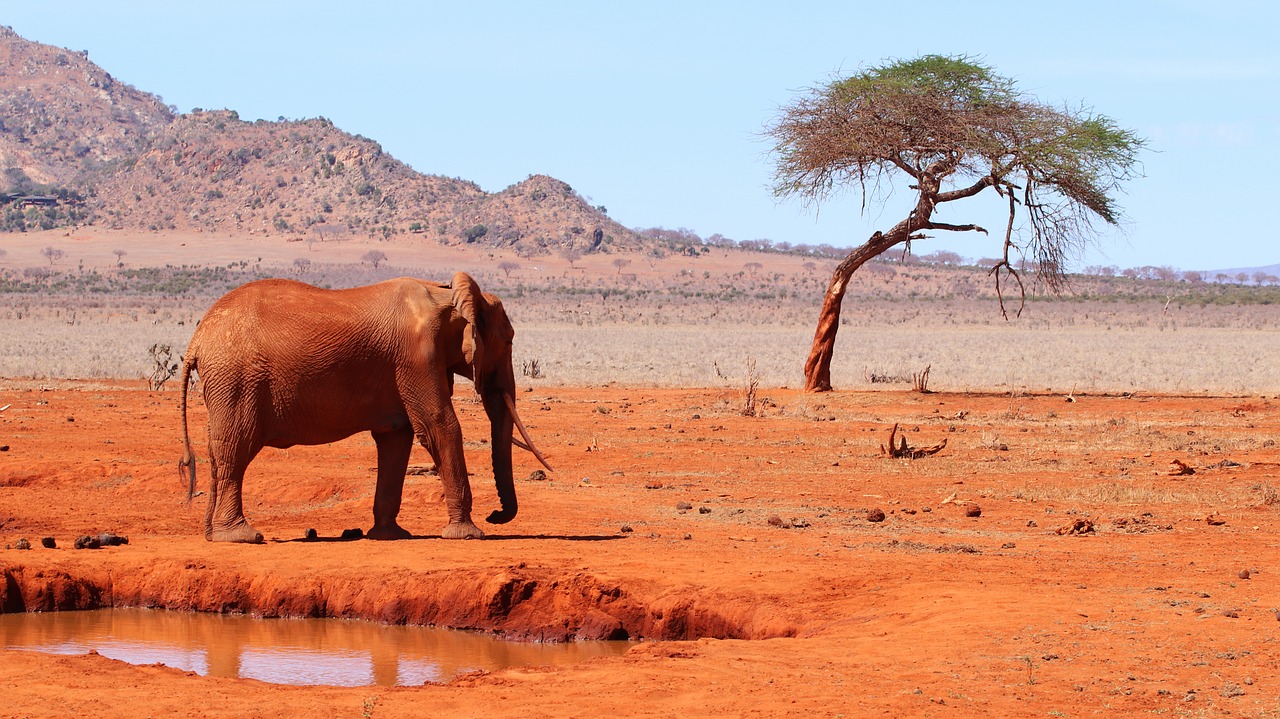
Illustrative image. The location, date and any connection to a WARN-funded activity have not been verified.
In brief
Kenya’s savannas, highlands, freshwater habitats and coast support wildlife alongside communities and working animals. Rescue needs and conservation priorities vary by place and species.
Key Facts About Kenya
- Habitat degradation is an important context for animal welfare and conservation.
- The related appeals explain proposed purposes and their geographic scope.
- Published grant records are separate from country and species information.
More than one wildlife landscape
Kenya’s CBD profile describes pressures involving land degradation, pollution, invasive species and coastal development. Conservation decisions need to take account of people’s livelihoods as well as wildlife habitat. A national overview cannot establish the current needs of a particular project.
Matching expertise to the need
An injured wild animal, a working donkey and a sea turtle need different professional responses. Proposed support should identify the responsible organisation, relevant permissions, welfare standards and the follow-up required. Where an appeal covers several countries, a gift is not automatically restricted to Kenya.
How to assess a relevant appeal
Start with the stated purpose, its geographic scope and the current recipient status. Then look for a costed proposal, authority to do the work, an animal welfare approach and a reporting plan. Proposed support, an approved award and a completed payment are different stages. Country and species guides explain context; grant records establish what WARN has committed or paid.
Threats to Wildlife in Kenya
Habitat degradation
Pollution
Invasive species
Pressure on coastal and freshwater habitats
WARN’s role and funding status
WARN raises awareness and seeks funds for assessed animal welfare needs. Before an award, proposed recipients, activities, permissions, costs and reporting need review. This country guide is not a list of funded operations; check the public grant register for published decisions and payments.
Key Species in Kenya
Species assessments differ; see sea-turtle guide
Green and hawksbill sea turtles
Kenya FAQ
What animal welfare issues does this Kenya guide cover?
Does this page confirm WARN has funded work in Kenya?
Can I restrict a gift to Kenya?
How do I find urgent animal help in Kenya?
Can I help by sharing this information?
Rescue Guides for Kenya
Explore animal welfare and conservation topics connected to Kenya. These explain needs and possible responses, rather than confirming funded WARN operations.
Sri Lanka · Marine rescue
Sea Turtle Rescue in Sri Lanka
Sea turtle rescue in Sri Lanka focuses on protecting nests, reducing bycatch, treating injured turtles and helping hatchlings reach the sea safely.
South Africa · Anti-poaching
Rhino Poaching in South Africa
Rhino poaching in South Africa is driven by illegal demand for horn; rescue work combines anti-poaching patrols, emergency veterinary care and orphan-calf rehabilitation.
Southern Africa · Orphan care
Rhino Orphan Calf Rescue
Rhino orphan calf rescue starts with emergency stabilisation after poaching, then specialist milk feeding, quarantine, trauma care and long rehabilitation before any possible return to a protected reserve.
UK donors · Working equines
Help Working Donkeys Abroad
From the UK, you can help working donkeys abroad by funding mobile veterinary clinics, hoof care, dental treatment, wound care, emergency medicines and humane harness support.
Working equines · Field care
Mobile Vet Clinics for Donkeys
Mobile vet clinics for donkeys bring treatment to working animals where they are: wound care, hoof trimming, dental treatment, deworming, pain relief, harness checks and emergency medicines.
Global · Donkey welfare threat
Donkey Skin Trade
The donkey skin trade kills donkeys for hides used in ejiao, driving theft, slaughter and population pressure in countries where poor families depend on working donkeys.
UK donors · Working horse welfare
Help Working Horses Abroad
From the UK, you can help working horses abroad by funding mobile equine clinics, farriery, wound care, dental treatment, nutrition support, humane harness checks and owner education.
UK donors · International horse welfare
Horse Rescue Abroad
Horse rescue abroad often means mobile veterinary care, farriery, wound treatment, nutrition support and owner education, not moving every horse into sanctuary or overseas adoption.
Working horses · Field veterinary care
Mobile Equine Clinics for Horses
Mobile equine clinics for horses bring veterinary care to working animals on site: farriery, wound care, dental treatment, parasite control, nutrition support, pain relief and owner education.
UK donors · Horse donation intent
Donate to Help Horses Abroad
UK supporters can donate to help horses abroad by funding partner-led mobile equine clinics, farriery, emergency veterinary care, nutrition support, wound treatment and humane harness education.
UK donors · International giving
Donate to an Animal Charity Abroad UK
UK donors can support animal welfare abroad by choosing an organisation with a relevant purpose, clear legal identity and evidence of how funds are used. WARN accepts donations towards assessed animal-welfare support as a UK CIC; it is not a registered charity or Gift Aid eligible.
UK donors · Wildlife rescue intent
Donate to Wildlife Rescue from the UK
To contribute towards wildlife rescue through WARN, choose a species appeal and read its purpose and funding status. Veterinary assessment, suitable care and habitat protection may be eligible areas to assess; naming a country or organisation in a guide does not confirm a WARN grant.
Wildlife rescue · Lions
Donate to Lion Conservation in Africa
A lion conservation donation should follow a clear purpose and an assessed plan for welfare or conservation. WARN’s lion appeal describes potential support; recipient selection, agreements, payments and later results must be checked separately.
Donor intent · Rescue giving
Animal Rescue Donations — How to Give Effectively
An animal rescue donation is most useful when its purpose, recipient and reporting are clear. Through WARN, choose a named appeal or unrestricted support, understand that grants require assessment and agreement, and check the public register for available records.
UK donors · Honest comparison
Best Animal Charities to Donate To UK
When comparing animal welfare organisations, match the work to your intended purpose and review legal status, published reports and donation terms. WARN is a UK CIC raising funds towards assessed support, not a registered charity; UK Gift Aid is unavailable.
US donors · International rescue giving
Donate to Animal Rescue from the United States
US supporters can donate to WARN in USD towards a selected animal-welfare appeal or unrestricted support. WARN is a UK CIC rather than a US 501(c)(3), so it does not offer US charitable tax deductions. Check the appeal’s purpose and funding status before paying.
US donors · Honest comparison
Best Animal Charities to Donate To US
There is no single best animal organisation for every donor. Compare the purpose you want to support, its legal status, evidence of delivery and financial reporting. WARN is a UK CIC, not a US 501(c)(3), and publishes its appeal purposes and current grant-reporting status.
US donors · Wildlife rescue intent
Donate to Wildlife Rescue from the United States
US donors can choose a WARN wildlife appeal and contribute in USD after reviewing its purpose and funding status. The appeal describes proposed eligible support; it does not guarantee a rescue or prove that a grant has been paid. WARN is not a US 501(c)(3).
US donors · Rescue giving
Animal Rescue Donations — US Donor Guide
For an animal rescue donation from the US, choose an organisation and purpose that fit your intentions, then review the terms and published evidence. WARN accepts USD contributions towards assessed support and identifies its UK CIC status; US charitable tax deductions are unavailable.
Animal welfare 101 · The foundations
What Is Animal Welfare?
Animal welfare is the state of an individual animal — how it is coping, physically and mentally, with the conditions it lives in. It is most often summarised by the Five Freedoms, formalised by the UK Farm Animal Welfare Council in 1979: freedom from hunger and thirst, from discomfort, from pain, injury and disease, to express normal behaviour, and from fear and distress. Modern welfare science has largely moved on to the Five Domains model, which asks not only whether suffering has been removed but whether the animal has anything positive in its life.
Policy · Welfare law
Animal Welfare Laws Compared
The UK Animal Welfare Act 2006 imposes a positive duty of care — anyone responsible for an animal must take reasonable steps to meet its five welfare needs — and applies broadly to vertebrates under human control. The US Animal Welfare Act 1966 is narrower: it governs research, exhibition, transport and dealers, and its definition of "animal" excludes birds, rats and mice bred for research along with farm animals raised for food, which means roughly 95% of animals used in US research fall outside it.
Practical guides · Emergencies
Pet Emergency Preparedness
Pet emergency preparedness comes down to two decisions made before anything happens: never leave animals behind when you evacuate, and identify in advance where you can take them, because most emergency shelters do not accept pets. Everything else — the go-kit, the carriers, the copies of vaccination records, the microchip details — exists to make those two decisions possible under pressure.
Practical guides · Wildlife first response
Found an Injured Wild Animal?
If you find an injured wild animal, contain it somewhere dark, quiet and warm — a ventilated cardboard box lined with a towel — and contact a licensed wildlife rehabilitator or veterinary practice immediately. Do not offer food or water, do not attempt treatment, and keep handling to the absolute minimum. Many apparently orphaned young animals are not orphaned at all, so the first question is always whether the animal genuinely needs intervention.
Donor intent · Wildlife giving
Wildlife Charity Donation
Before making a wildlife donation, check the organisation’s legal status, intended work and evidence of funding. WARN’s wildlife appeals describe potential eligible support, with recipient assessment and agreements needed before grants. WARN is a CIC, not a registered charity.
Donor intent · Save animals
Donate to Save Animals
A donation can contribute towards animal welfare, but a fixed amount does not guarantee that an animal will be saved. Choose a relevant appeal, read the funding terms and check for recipient and payment records. WARN is developing support through assessed grants.
Donor intent · International welfare
Help Animals Abroad
To help animals abroad, learn from credible local sources, support an appropriate welfare purpose and share accurate information. WARN offers appeals for assessed support; its country guides provide context and do not establish funded operations in those countries.
Donor intent · International giving
International Animal Charity Donation
An international animal donation should have a clear purpose and accountable use. Compare relevant organisations and read the funding terms before giving. WARN is a UK CIC raising funds towards assessed animal-welfare support; it is not a registered charity.
Corporate giving · CSR
Corporate Donation to Animal Charity
A company can make a donation towards a WARN appeal or discuss a proposed fundraising arrangement. Agree any restrictions, use of names and reporting before announcing a partnership. A corporate contribution does not guarantee a clinic day or establish an existing grant recipient.
Legacy giving · Wills
Leave a Gift in Your Will for Animal Welfare
You can leave a gift in your will for animal welfare to WARN using the exact legal name World Animal Rescue Network CIC and company number 17298990 — your solicitor should use the registered company name and number in the will clause; WARN is a UK CIC global not-for-profit, not a registered charity.
Recurring giving · Sponsorship
Monthly Animal Sponsorship
Monthly animal sponsorship through WARN from £5/month at /adopt is recurring programme support for partner-led rescue abroad — not naming or owning an individual animal, not Gift Aid eligible, cancel anytime by email. You receive a receipt, not a zoo visit.
Related animal welfare appeals
Explore a related cause and read its stated purpose, geographic scope and recipient status before donating. A link from this guide does not create a fund restricted to Kenya.
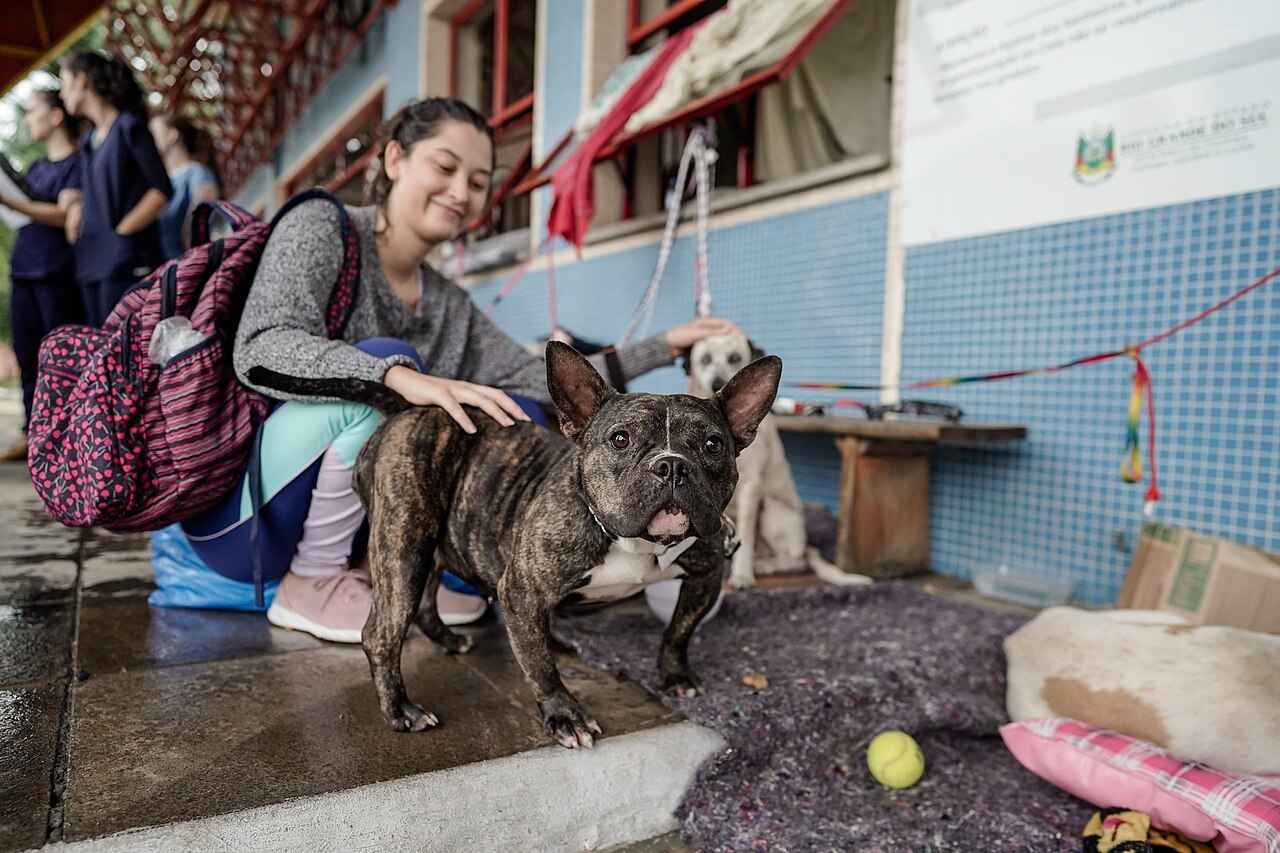
Animal disaster response and preparedness
Help Animals After a Disaster
Explore emergency veterinary care, safe water, feed, shelter and preparedness for animals affected by disasters, and read the appeal’s funding purpose.
Support this appeal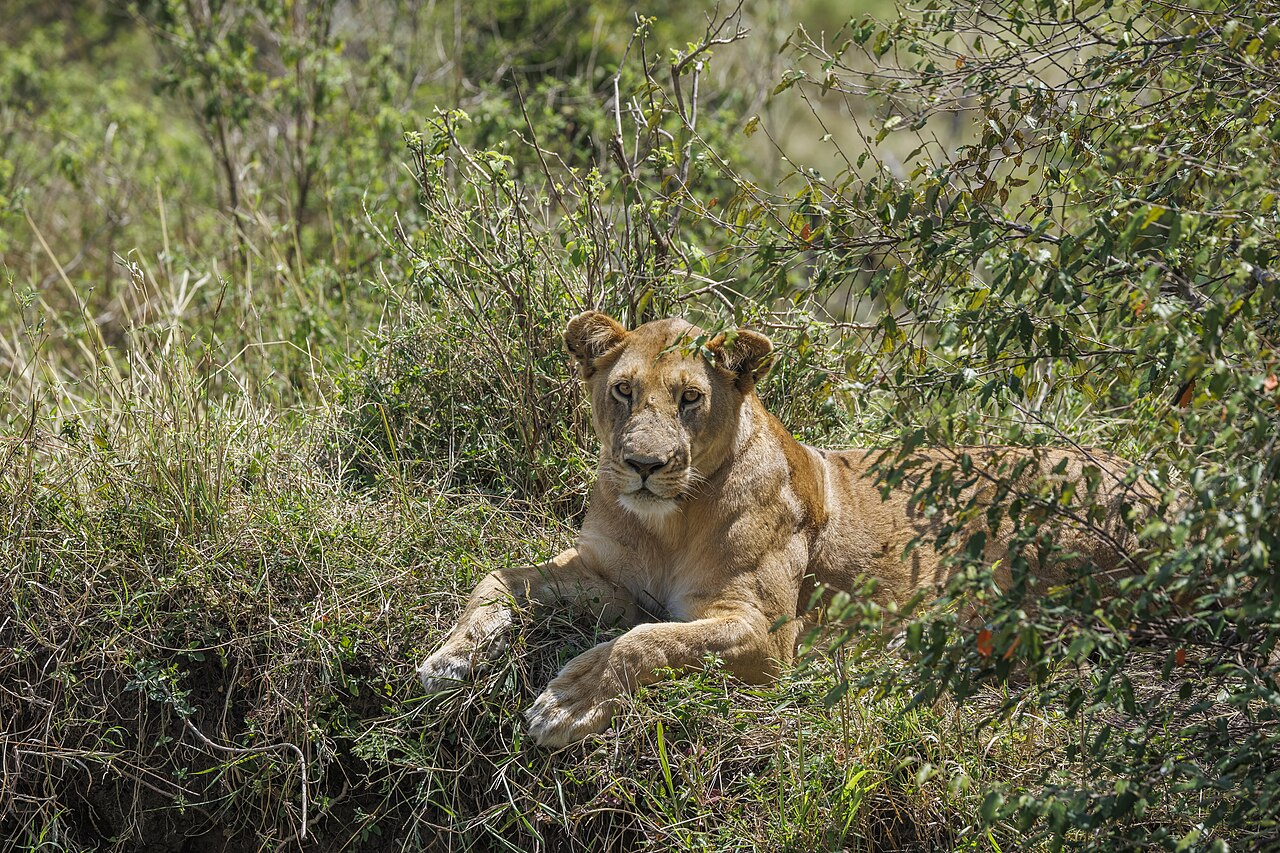
Lion welfare and conservation
Help Protect Lions
Explore lion protection, humane coexistence and appropriate rescue or continuing care. Read the proposed support and how recipients would be assessed.
Support this appeal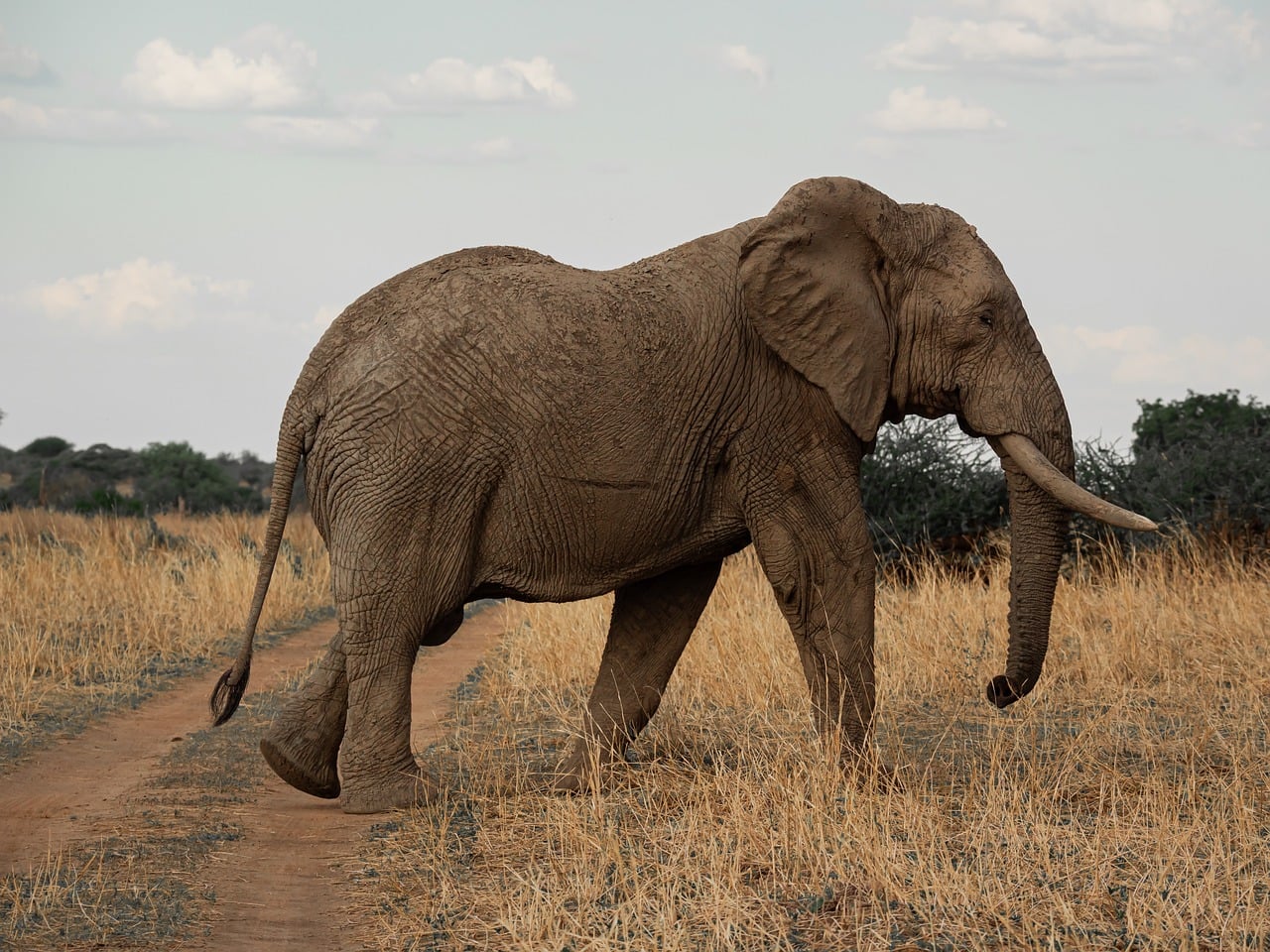
Elephant welfare · Indonesia and Malaysia
Elephant Rescue & Protection
Explore elephant veterinary care, snare prevention and humane coexistence in Indonesia and Malaysia, with clear proposed purposes and funding records.
Support this appeal
Working-donkey welfare · Pakistan
Help Working Donkeys
Explore veterinary and hoof care, suitable harnesses and practical owner support for working donkeys, with clear proposed grant purposes.
Support this appeal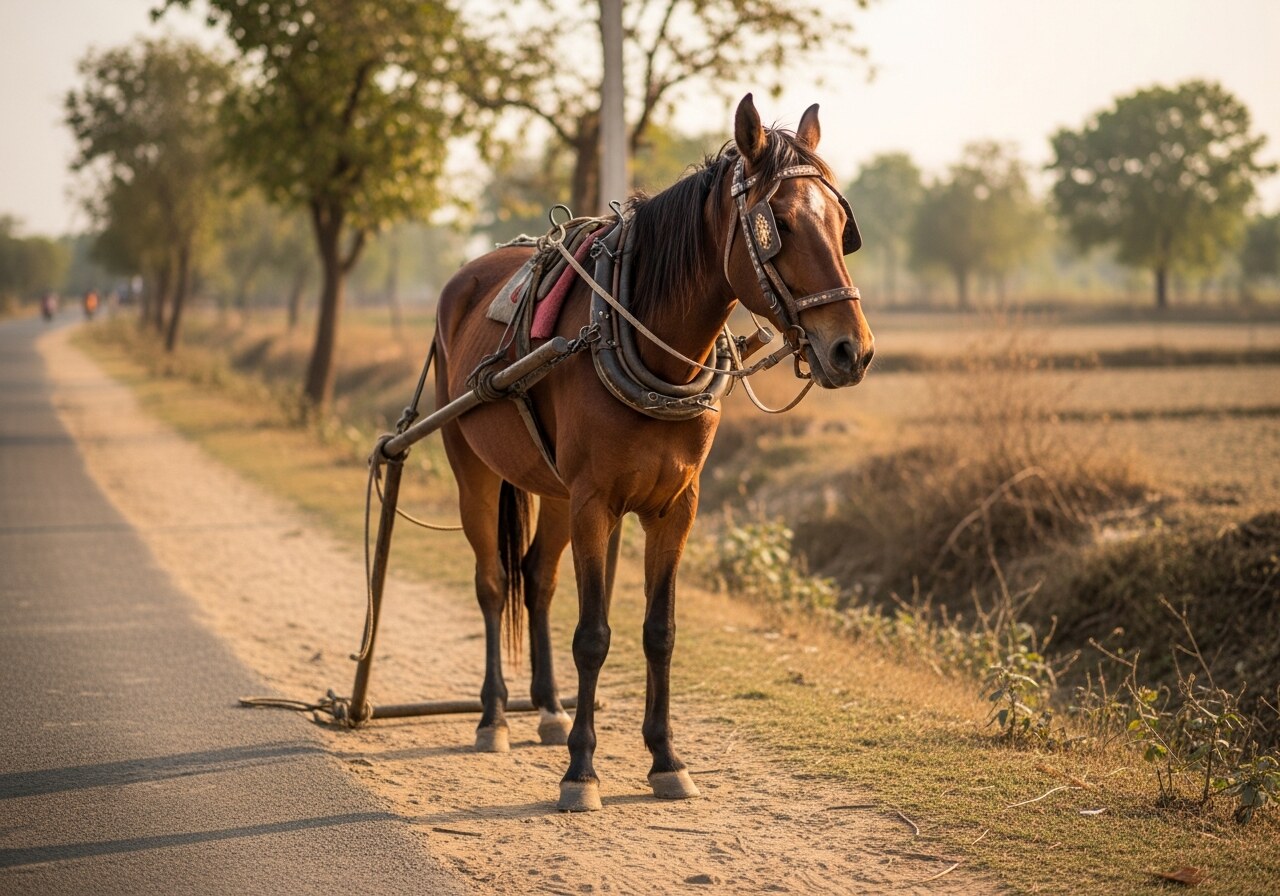
Working-horse welfare · Pakistan
Help Working Horses
Learn about veterinary and hoof care, suitable harnesses and better everyday conditions for working horses, and review the proposed support.
Support this appeal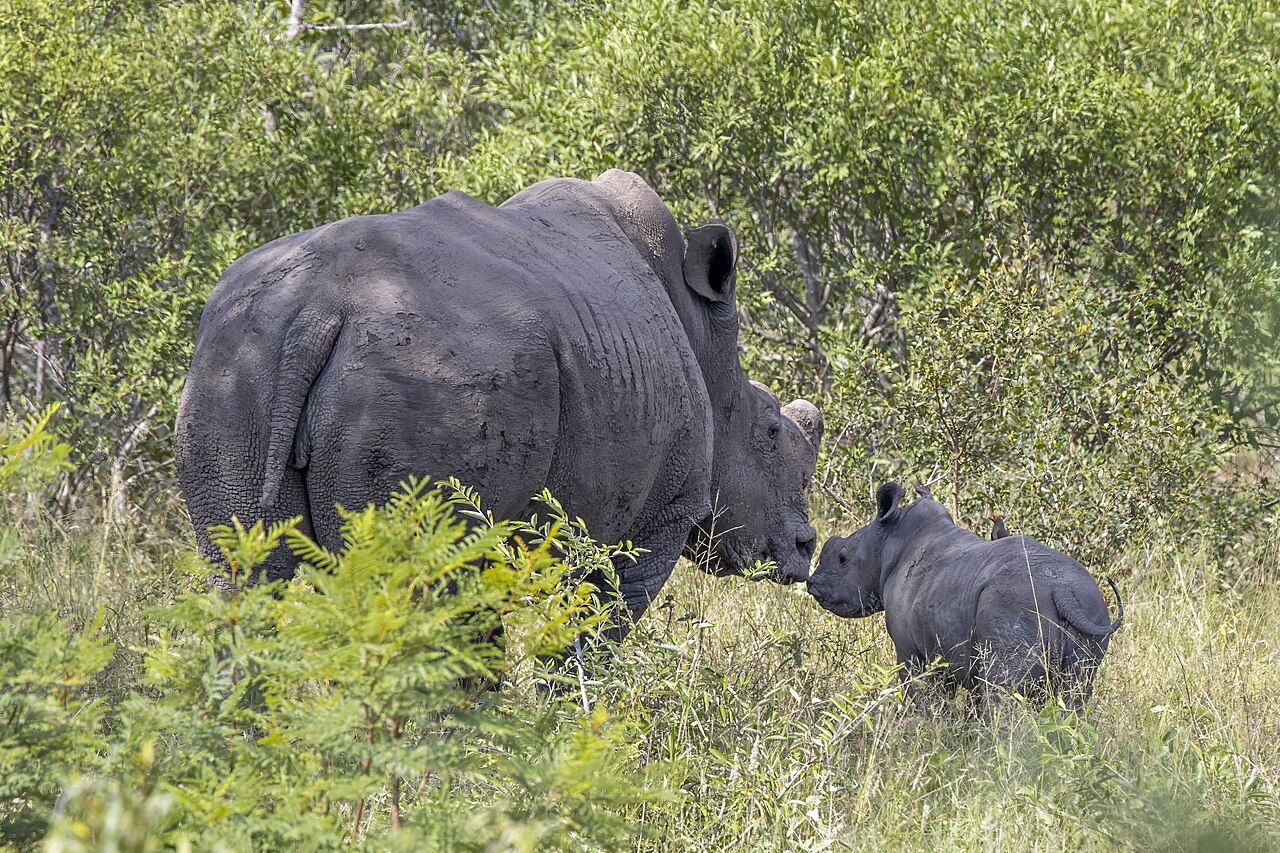
Rhino conservation · Africa and Asia
Help Protect Rhinos
Understand the different needs of the five rhino species, from protection and habitat to qualified care, and review WARN’s proposed funding approach.
Support this appeal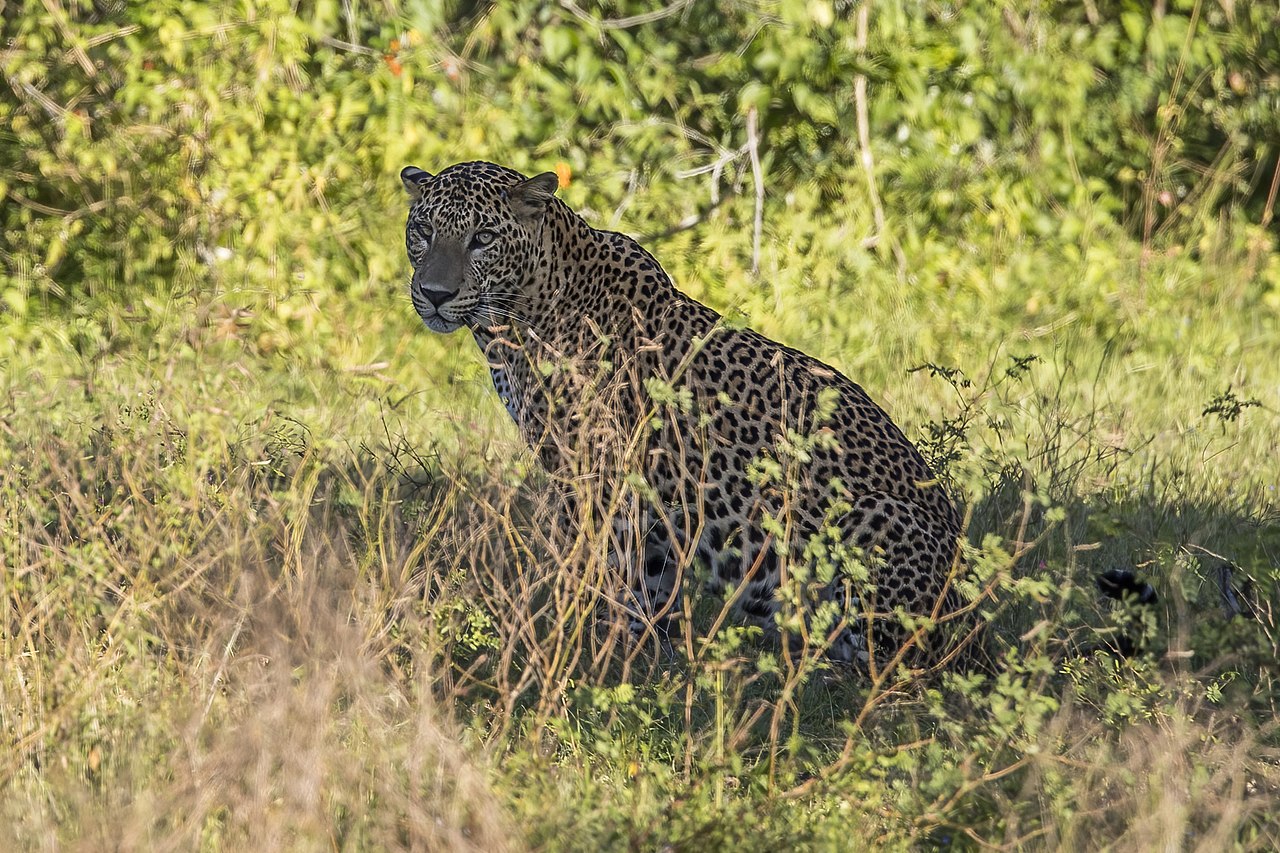
Leopard welfare · Asia and Africa
Help Protect Leopards
Explore humane coexistence, snare response and appropriate care for leopards. Read how a proposed grant would be assessed and reported.
Support this appeal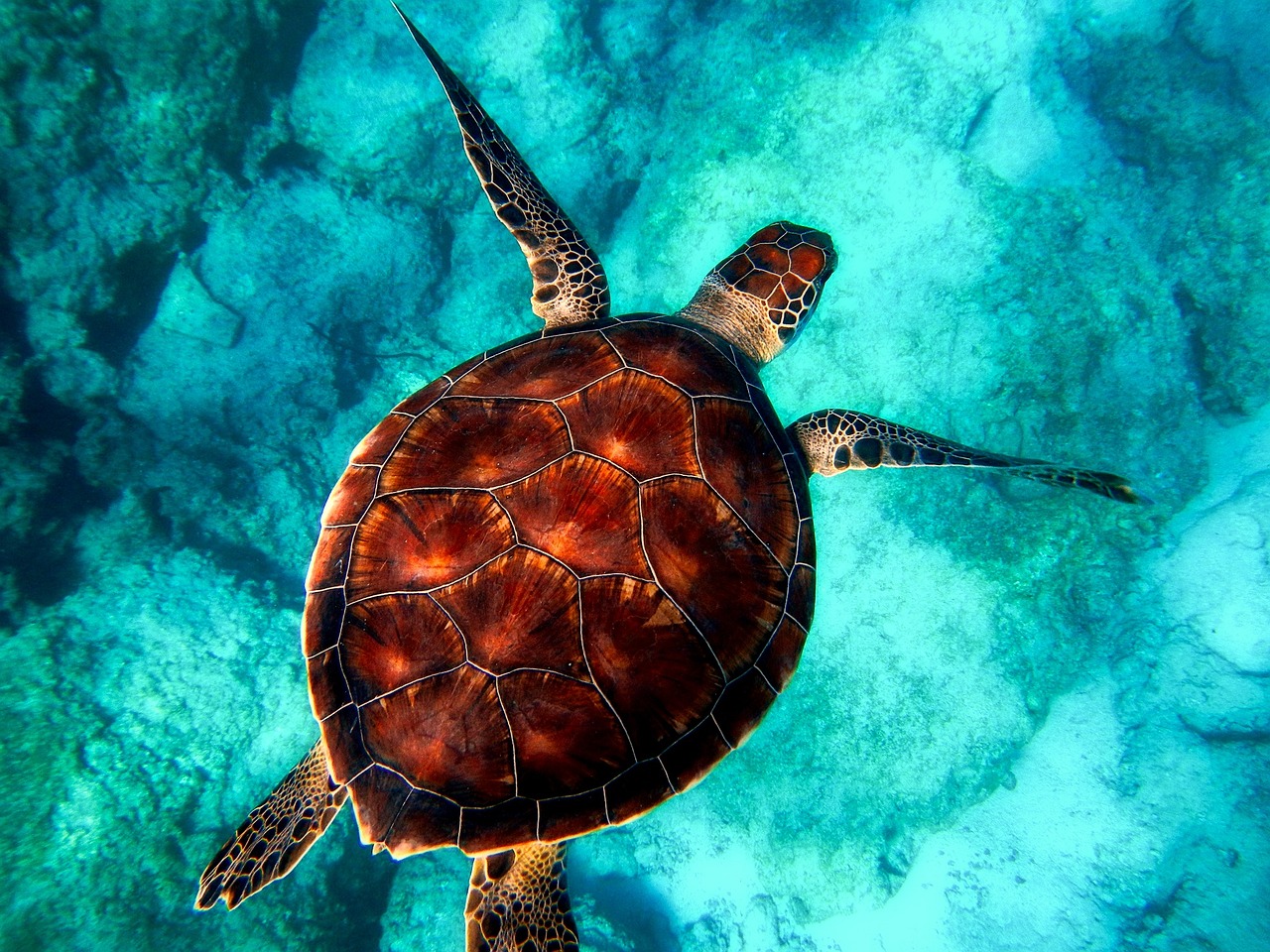
Sea turtle welfare and conservation
Protect Sea Turtles
Explore safer seas, nesting habitat and appropriate turtle care. Conservation status differs by species and population; local protection remains important.
Support this appealSources and how to use this guide
The CBD country profile provides background on biodiversity and habitat pressures. Its figures and policy sections include historical information, and some profiles are marked draft; it is not a live emergency feed. Follow dated original sources in the related appeals for incident information, and the linked species guides for assessment context.
Sources reviewed 8 September 2026. Country coverage does not establish a partnership with the organisations cited.
Help the Animals of Kenya
Choose a relevant appeal, share reliable information or find local animal help. The general donation page offers unrestricted support and available appeal choices; it does not automatically restrict a gift to this country.
Donate Now