Lemur Species · Madagascar (eastern rainforest)
Indri
Largest living lemur — haunting songs echo through rainforest canopy.
By WARN Research & Conservation TeamLast updated
In brief
The Indri is the largest living lemur — a black-and-white arboreal specialist of eastern Madagascar's rainforest with a haunting, whale-like song audible over two kilometres. Its defining trait is an inability to survive in captivity, making wild forest protection the only viable conservation strategy. Critically Endangered and CITES Appendix I listed, it must never be kept as a pet.
What are the key facts about a Indri?
The Indri is a lemur species from Madagascar (eastern rainforest): large (7–10 kg), pair-bonded, vocal, arboreal. Largest living lemur — haunting songs echo through rainforest canopy.
| Origin | Madagascar (eastern rainforest) |
|---|---|
| Size | Large (7–10 kg) |
| Typical weight | 7–10 kg (15–22 lb); among the heaviest extant lemurs after extinction of giant sloth lemurs |
| Lifespan | 15–25 years (varies; mouse lemurs shorter) |
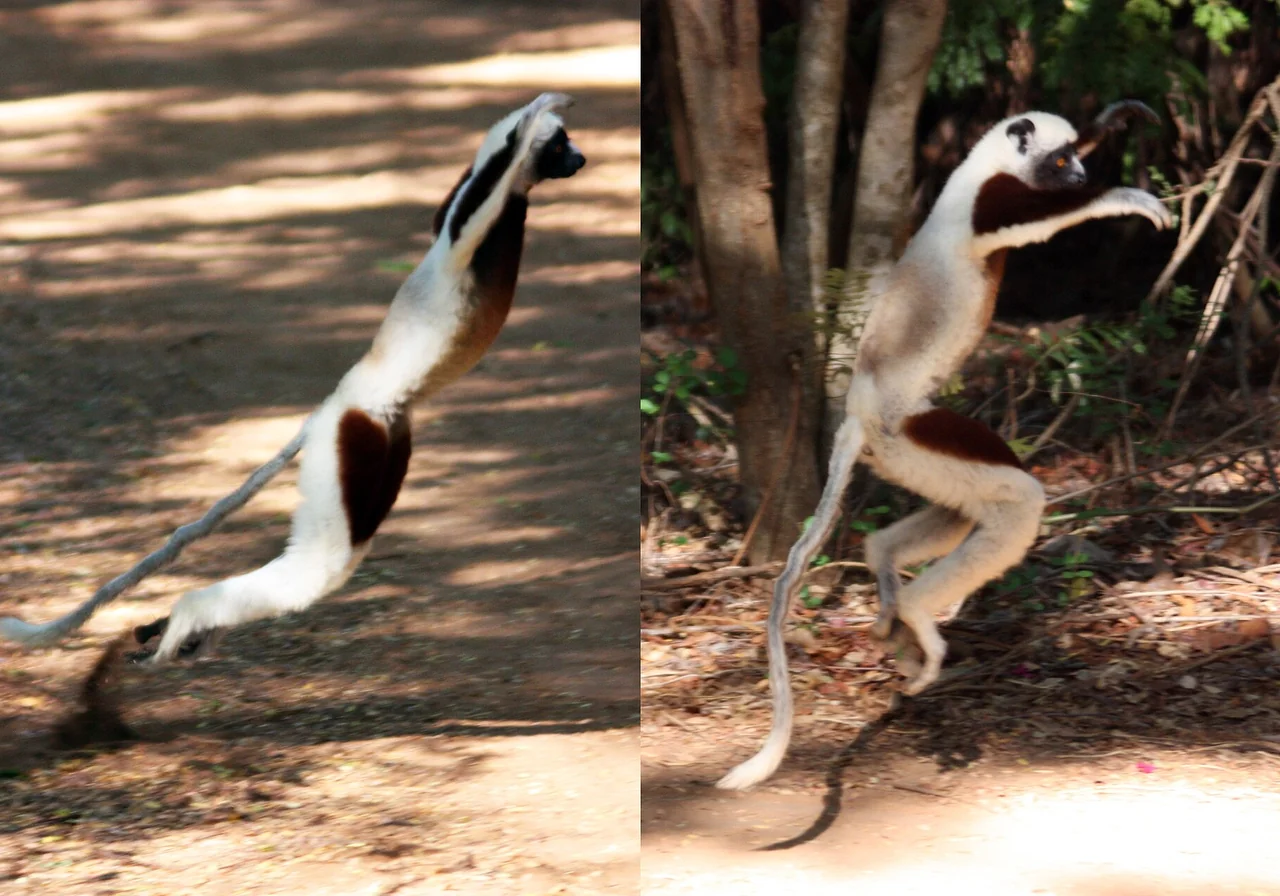
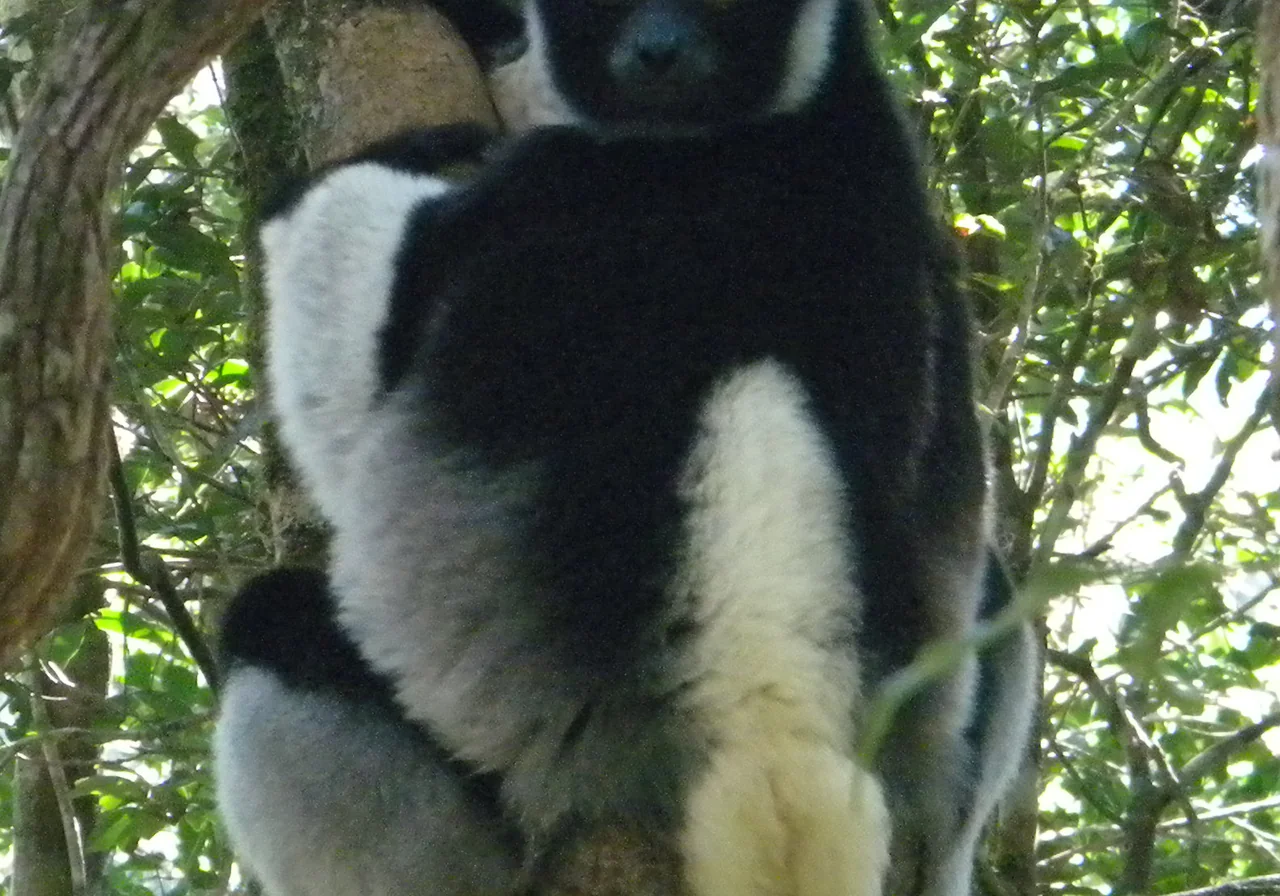
| Coat & markings | Dense woolly black fur with white patches on the crown, neck, shoulders and rump forming a distinctive pied pattern. Short tail barely visible — indri are vertical clingers adapted for leaping between tree trunks. Fur insulates against cool montane rainforest; infants cling to mothers' bellies for the first months of life. |
| Temperament | Pair-bonded, vocal, arboreal |
| Conservation note | Wild conservation only — indri cannot be kept in captivity and every individual depends on intact eastern rainforest. CITES Appendix I listing prohibits commercial trade. Support Madagascar forest protection in Andasibe-Mantadia and Anjanaharibe-Sud, and ecotourism that funds local communities without disturbing singing pairs. |
Should you keep a Indri as a pet?
No. A Indri is a wild lemur from Madagascar (eastern rainforest), not a companion animal. Private keeping usually means an infant taken from a troop, a lifetime of unmet social needs, and often a legal offence.
People search this page because the Indri looks small, clever or “manageable” in photos. That is the trap. Wild primates need a troop, a range, and a diet that is not human leftovers. The Indri is from Madagascar (eastern rainforest); its conservation note on this page is wild conservation only — indri cannot be kept in captivity and every individual depends on intact eastern rainforest. cites appendix i listing prohibits commercial trade. support madagascar forest protection in andasibe-mantadia and anjanaharibe-sud, and ecotourism that funds local communities without disturbing singing pairs..
If you met a Indri in a selfie setting or a roadside stall, walk away and do not pay. Paying creates the next capture. Read this as a species briefing, then use the wildlife guide and the appeals linked at the bottom if you want to help the wild population.
What is a Indri?
Largest living lemur — haunting songs echo through rainforest canopy. Origin is Madagascar (eastern rainforest); coat or markings are described as Dense woolly black fur with white patches on the crown, neck, shoulders and rump forming a distinctive pied pattern. Short tail barely visible — indri are vertical clingers adapted for leaping between tree trunks. Fur insulates against cool montane rainforest; infants cling to mothers' bellies for the first months of life..
Treat “species” here as a library label for a wild species or distinct form, not as a kennel-club product.
Where does the Indri come from?
Indris come from Madagascar (eastern rainforest). The indri (Indri indri) lives only in lowland and montane rainforest of eastern Madagascar, from sea level to roughly 1,800 metres.
Pairs or small family groups sing coordinated duets at dawn — a territorial advertisement and pair-bond display that echoes through the canopy for up to two kilometres. They eat mainly leaves, buds and fruit, moving through the forest by vertical clinging and leaping between trunks rather than running along branches. No indri has ever bred successfully in captivity despite repeated attempts since the nineteenth century — a rarity among primates that underscores total dependence on wild habitat. Deforestation for rice paddies, logging and slash-and-burn farming has fragmented the eastern rainforest belt, leaving isolated populations genetically vulnerable. The species is Critically Endangered on the IUCN Red List and CITES Appendix I listed. Local taboos (fady) traditionally protected indri in some communities, though hunting pressure persists where forest income collapses.
What does a Indri actually need?
A wild Indri needs the habitat and social system of Madagascar (eastern rainforest), not a spare room. Size (Large (7–10 kg)) and a pair-bonded, vocal, arboreal life history are why private keeping fails.
In the wild that means connected habitat, a diet the species evolved with, and distance from the pet and selfie trades. Captive “care sheets” for wild lemurs are how trafficking gets laundered as husbandry.
If you already work in accredited rescue, follow specialist protocols and licensing. Everyone else: do not acquire a Indri. Support habitat and anti-trafficking work instead.
What surprises people about the Indri?
A few details about the breed, alongside the practical care information in this guide.
- Indri song sounds like a whale or siren — among the loudest calls produced by any land mammal relative to body size.
- The name 'indri' may derive from a Malagasy word meaning 'look' or 'there it is' — reportedly from an early observer's call.
- Indri have only a stump of a tail — an adaptation for upright vertical clinging on tree trunks.
- They are the only genus Indri — no other living species shares their branch of the lemur family tree.
What health issues should you know about in a Indri?
Health concerns to discuss with your vet, including changes to watch for and everyday care. This is general guidance, not veterinary advice — always speak to your vet.
Habitat loss (wild)
Lowland rainforest clearance for agriculture removes the tree species indri depend on for leaf foraging and vertical travel routes between forest patches.
Care: Fund rainforest protection and corridor creation linking fragments in eastern Madagascar. Community agroforestry reduces pressure on primary forest.
Hunting (wild)
Although protected by fady in some villages, indri are hunted where forest resources collapse and bushmeat demand rises despite legal prohibition.
Care: Support community conservation contracts that link forest protection to livelihood benefits. Enforcement must accompany education.
Cannot be kept in captivity
Repeated attempts to keep indri in zoos since the 1800s ended in death within months — stress, diet failure and disease prevent any captive management strategy.
Care: Direct all conservation funding to in-situ forest protection rather than captive breeding proposals. Wild habitat is the only option.
Who should skip a Indri?
Skip a Indri if you are anyone hoping to keep a Indri as a pet or photo prop. This Madagascar (eastern rainforest) lemur is large (7–10 kg) and pair-bonded, vocal, arboreal — the mismatch is usually lifestyle, not a missing accessory.
This page is allowed to say no. Skip if you are anyone hoping to keep a Indri as a pet or photo prop. Skip if you are anyone who will pay for a wild-caught or roadside animal. Skip if you are tourists looking for handling or selfies.
A different lemur species on this site may fit. Wanting “a Indri” after a film or a colour photo is not a reason to ignore the skip list.
What are the hidden catches with a Indri?
The hidden cost of a Indri is usually not the purchase price. It is years of care, the health list on this page, and the mismatch between a pair-bonded, vocal, arboreal animal and a busy home.
The pet-trade catch
Cute infant Indris in ads were usually taken from wild families. The adult you cannot house is then dumped, euthanised, or passed on. Do not create that demand.
The tourism catch
Paying to hold, ride, or selfie with a Indri funds the next capture or a stressed ambassador animal. Distance and accredited viewing are the ethical default.
The habitat loss (wild) catch
Lowland rainforest clearance for agriculture removes the tree species indri depend on for leaf foraging and vertical travel routes between forest patches. Fund rainforest protection and corridor creation linking fragments in eastern Madagascar. Community agroforestry reduces pressure on primary forest.
The hunting (wild) catch
Although protected by fady in some villages, indri are hunted where forest resources collapse and bushmeat demand rises despite legal prohibition. Support community conservation contracts that link forest protection to livelihood benefits. Enforcement must accompany education.
How does a Indri compare with Aye-aye and Mouse Lemur?
A Indri is not interchangeable with Aye-aye and Mouse Lemur. Compare origin, size, lifespan and temperament before you choose — those four lines prevent most regret.
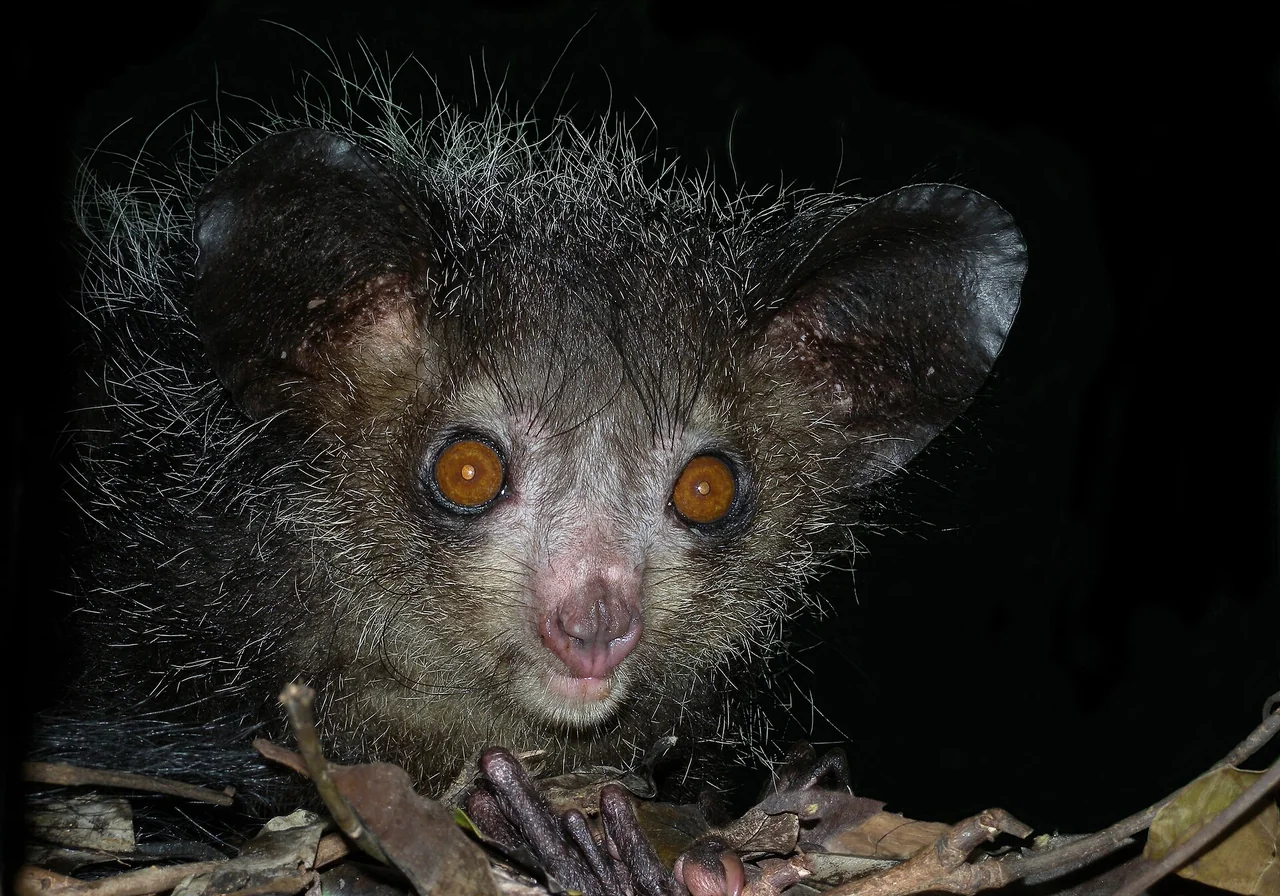
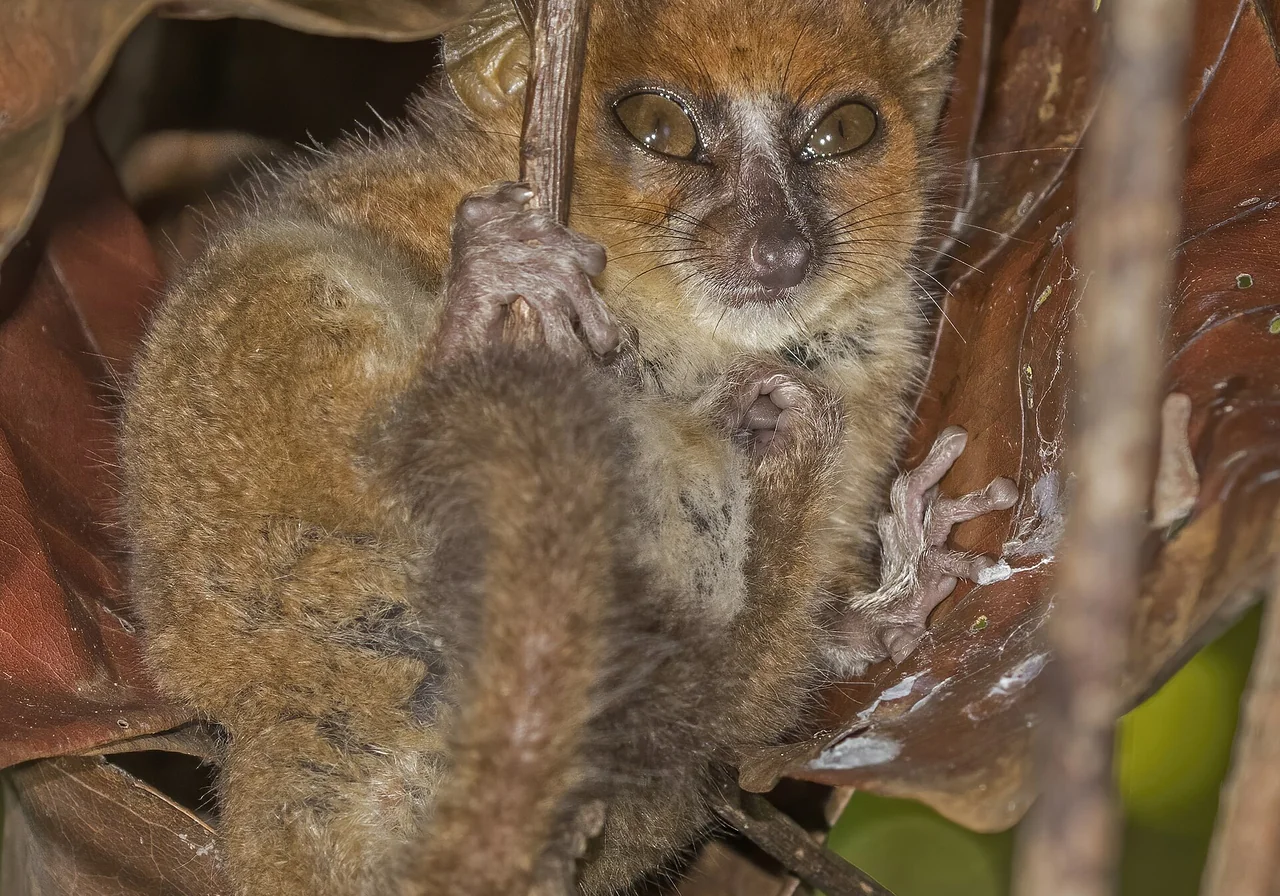
| Lemur fact | Indri | Aye-aye | Mouse Lemur |
|---|---|---|---|
| Origin | Madagascar (eastern rainforest) | Madagascar (east & north) | Madagascar (widespread) |
| Size | Large (7–10 kg) | Medium (2.5 kg) | Tiny (30–60 g) |
| Lifespan | 15–25 years (varies; mouse lemurs shorter) | 15–25 years (varies; mouse lemurs shorter) | 15–25 years (varies; mouse lemurs shorter) |
| Temperament | Pair-bonded, vocal, arboreal | Nocturnal, solitary, specialised feeder | Nocturnal, solitary, torpor-capable |
What is the verdict on the Indri?
A Indri is a wild lemur to understand and protect, not a pet to acquire. If you came here to buy one, the verdict is no. If you came here to learn, use the species guide next.
Help looks like habitat, enforcement and refusing the trade — not a cage in a spare room. WARN is a CIC, not a charity; donate only if you want to fund partner work in our network countries, and do not expect Gift Aid.
Lemurs belong in Madagascar's forests
Every lemur species is CITES Appendix I and most are Endangered or Critically Endangered. Habitat protection — not the pet trade — is their only path to survival.