Lemur Species · Madagascar (widespread)
Mouse Lemur
Among the smallest primates — several cryptic species in Madagascar's forests.
By WARN Research & Conservation TeamLast updated
In brief
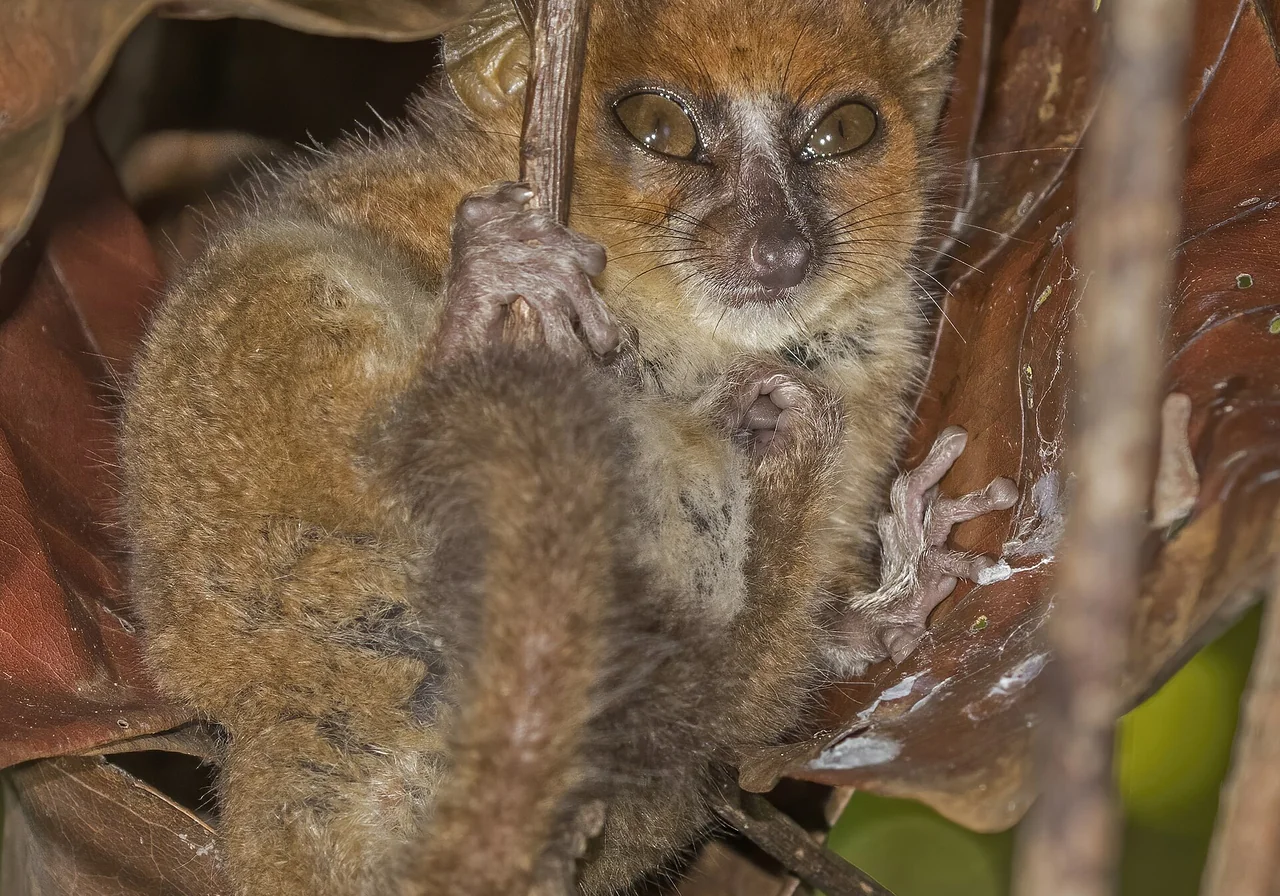
The Mouse Lemur is among the smallest primates on Earth — a nocturnal, torpor-capable lemur weighing as little as 30 grams across Madagascar's forests. Its defining trait is cryptic diversity, with genetic studies revealing dozens of species where one was once recognised. Widespread but forest-dependent, all populations are CITES Appendix I listed and must never be kept as pets.
What are the key facts about a Mouse Lemur?
The Mouse Lemur is a lemur species from Madagascar (widespread): tiny (30–60 g), nocturnal, solitary, torpor-capable. Among the smallest primates — several cryptic species in Madagascar's forests.
| Origin | Madagascar (widespread) |
|---|---|
| Size | Tiny (30–60 g) |
| Typical weight | 30–60 g (1–2 oz) depending on species; roughly the size of a mouse, hence the common name |
| Lifespan | 15–25 years (varies; mouse lemurs shorter) |
| Coat & markings | Soft grey-brown or rufous fur with pale belly; large eyes encircled by dark rings adapted for nocturnal vision. Some species show dorsal stripes or reddish tones. Fur thickens before dry-season torpor; tail is long and used for balance during leaps between fine branches. |
| Temperament | Nocturnal, solitary, torpor-capable |
| Conservation note | Wild conservation only — mouse lemurs are CITES Appendix I listed and far too small and specialised for any domestic setting. They need intact forest, nocturnal ranging and seasonal torpor cycles. Support Madagascar forest protection and research stations such as Kirindy and Ranomafana rather than purchasing wild-caught individuals sold illegally online. |
Should you keep a Mouse Lemur as a pet?
No. A Mouse Lemur is a wild lemur from Madagascar (widespread), not a companion animal. Private keeping usually means an infant taken from a troop, a lifetime of unmet social needs, and often a legal offence.
People search this page because the Mouse Lemur looks small, clever or “manageable” in photos. That is the trap. Wild primates need a troop, a range, and a diet that is not human leftovers. The Mouse Lemur is from Madagascar (widespread); its conservation note on this page is wild conservation only — mouse lemurs are cites appendix i listed and far too small and specialised for any domestic setting. they need intact forest, nocturnal ranging and seasonal torpor cycles. support madagascar forest protection and research stations such as kirindy and ranomafana rather than purchasing wild-caught individuals sold illegally online..
If you met a Mouse Lemur in a selfie setting or a roadside stall, walk away and do not pay. Paying creates the next capture. Read this as a species briefing, then use the wildlife guide and the appeals linked at the bottom if you want to help the wild population.
What is a Mouse Lemur?
Among the smallest primates — several cryptic species in Madagascar's forests. Origin is Madagascar (widespread); coat or markings are described as Soft grey-brown or rufous fur with pale belly; large eyes encircled by dark rings adapted for nocturnal vision. Some species show dorsal stripes or reddish tones. Fur thickens before dry-season torpor; tail is long and used for balance during leaps between fine branches..
Treat “species” here as a library label for a wild species or distinct form, not as a kennel-club product.
Where does the Mouse Lemur come from?
Mouse Lemurs come from Madagascar (widespread). Mouse lemurs (genus Microcebus) occur across Madagascar's remaining forests — from dry deciduous woodland in the west to humid rainforest in the east.
Once considered a single widespread species, genetic analysis since the 1990s revealed more than 20 cryptic species with tiny ranges, many named only in the last two decades. They forage alone at night for insects, fruit, gum and nectar, entering daily torpor to conserve energy and seasonal hibernation during the dry months. Despite their small size, mouse lemurs play roles in pollination and insect control. Forest clearance, charcoal production and climate shifts threaten even 'common' species as fragments shrink below viable population size. All lemurs are CITES Appendix I listed. The illegal pet trade occasionally markets mouse lemurs as exotic companions — a welfare disaster given their nocturnal habits, temperature sensitivity and need for forest microhabitats.
What does a Mouse Lemur actually need?
A wild Mouse Lemur needs the habitat and social system of Madagascar (widespread), not a spare room. Size (Tiny (30–60 g)) and a nocturnal, solitary, torpor-capable life history are why private keeping fails.
In the wild that means connected habitat, a diet the species evolved with, and distance from the pet and selfie trades. Captive “care sheets” for wild lemurs are how trafficking gets laundered as husbandry.
If you already work in accredited rescue, follow specialist protocols and licensing. Everyone else: do not acquire a Mouse Lemur. Support habitat and anti-trafficking work instead.
What surprises people about the Mouse Lemur?
A few details about the breed, alongside the practical care information in this guide.
- The Madame Berthe's mouse lemur weighs around 30 grams — possibly the smallest primate in the world.
- Mouse lemurs enter daily torpor, lowering body temperature and metabolism to survive energy-scarce nights.
- Some species hibernate for months during the dry season — rare among tropical primates.
- Genetic studies continue to split and name new mouse lemur species across Madagascar.
What health issues should you know about in a Mouse Lemur?
Health concerns to discuss with your vet, including changes to watch for and everyday care. This is general guidance, not veterinary advice — always speak to your vet.
Habitat fragmentation
Small forest fragments isolate mouse lemur populations below viable size, causing local extinctions even before species are formally described.
Care: Protect remaining forest blocks and create corridors. Support land trusts and community-managed reserves in western and eastern Madagascar.
Climate stress
Extended drought disrupts fruiting cycles and torpor patterns, increasing mortality during dry-season hibernation.
Care: Climate adaptation funding for Madagascar forest communities reduces slash-and-burn pressure. Long-term monitoring tracks population responses at research stations.
Pet trade (illegal)
Mouse lemurs are occasionally trafficked as novelty pets via social media. Confiscated individuals rarely survive without specialist nocturnal husbandry.
Care: Report illegal online sales. Support accredited sanctuaries equipped for nocturnal primate care — never attempt home ownership.
Who should skip a Mouse Lemur?
Skip a Mouse Lemur if you are anyone hoping to keep a Mouse Lemur as a pet or photo prop. This Madagascar (widespread) lemur is tiny (30–60 g) and nocturnal, solitary, torpor-capable — the mismatch is usually lifestyle, not a missing accessory.
This page is allowed to say no. Skip if you are anyone hoping to keep a Mouse Lemur as a pet or photo prop. Skip if you are anyone who will pay for a wild-caught or roadside animal. Skip if you are tourists looking for handling or selfies.
A different lemur species on this site may fit. Wanting “a Mouse Lemur” after a film or a colour photo is not a reason to ignore the skip list.
What are the hidden catches with a Mouse Lemur?
The hidden cost of a Mouse Lemur is usually not the purchase price. It is years of care, the health list on this page, and the mismatch between a nocturnal, solitary, torpor-capable animal and a busy home.
The pet-trade catch
Cute infant Mouse Lemurs in ads were usually taken from wild families. The adult you cannot house is then dumped, euthanised, or passed on. Do not create that demand.
The tourism catch
Paying to hold, ride, or selfie with a Mouse Lemur funds the next capture or a stressed ambassador animal. Distance and accredited viewing are the ethical default.
The habitat fragmentation catch
Small forest fragments isolate mouse lemur populations below viable size, causing local extinctions even before species are formally described. Protect remaining forest blocks and create corridors. Support land trusts and community-managed reserves in western and eastern Madagascar.
The climate stress catch
Extended drought disrupts fruiting cycles and torpor patterns, increasing mortality during dry-season hibernation. Climate adaptation funding for Madagascar forest communities reduces slash-and-burn pressure. Long-term monitoring tracks population responses at research stations.
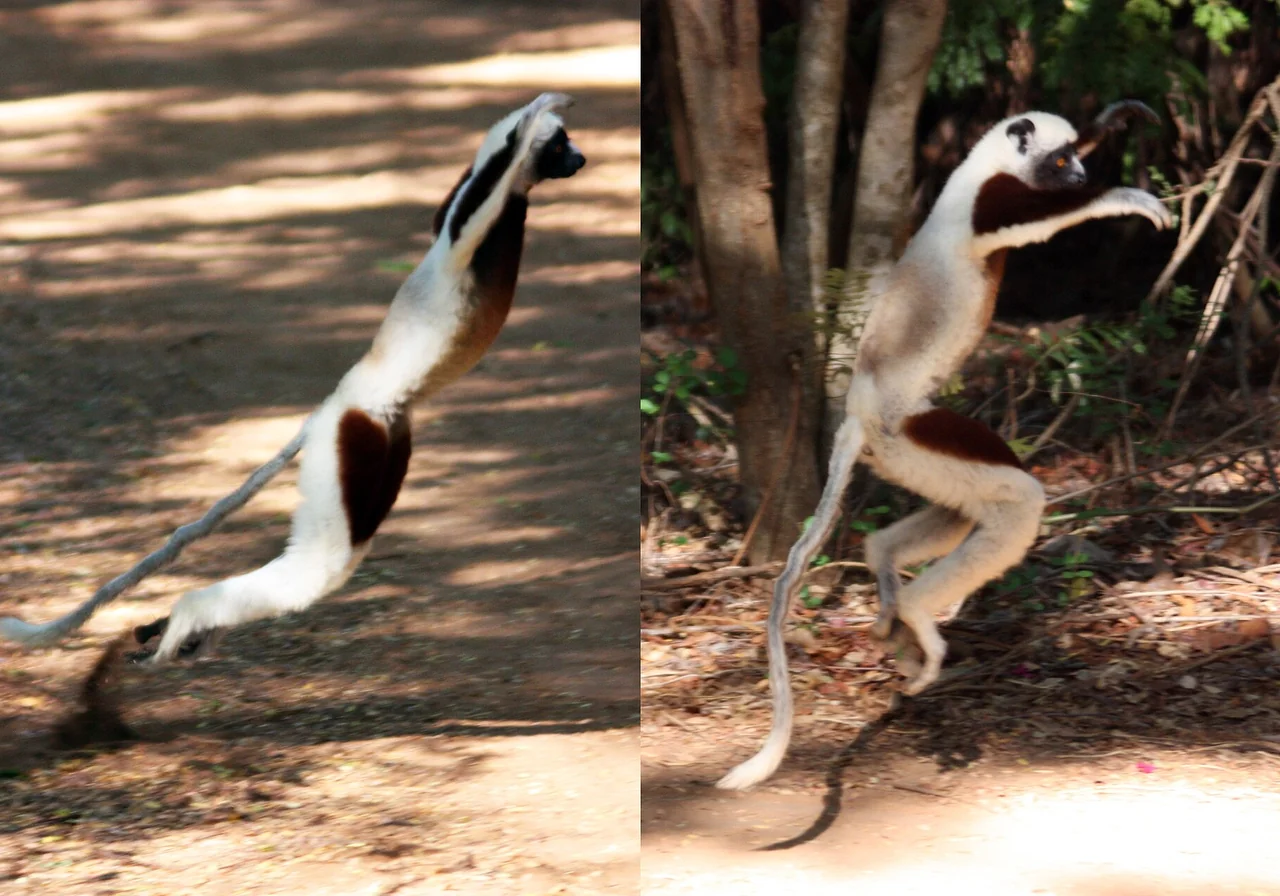
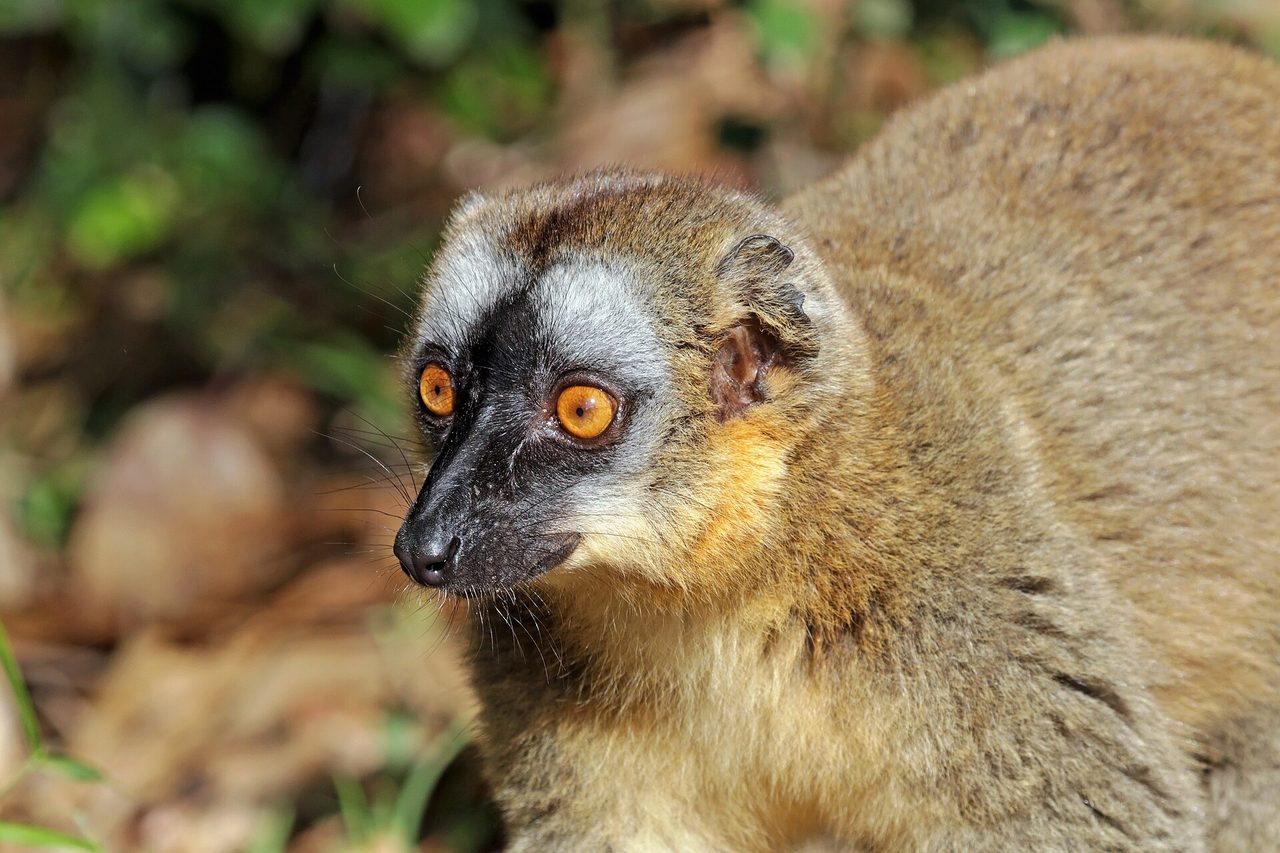
How does a Mouse Lemur compare with Coquerel's Sifaka and Brown Lemur?
A Mouse Lemur is not interchangeable with Coquerel's Sifaka and Brown Lemur. Compare origin, size, lifespan and temperament before you choose — those four lines prevent most regret.
| Lemur fact | Mouse Lemur | Coquerel's Sifaka | Brown Lemur |
|---|---|---|---|
| Origin | Madagascar (widespread) | Madagascar (north-west dry forest) | Madagascar (east & north-west) |
| Size | Tiny (30–60 g) | Medium (3.7 kg) | Medium (2.5 kg) |
| Lifespan | 15–25 years (varies; mouse lemurs shorter) | 15–25 years (varies; mouse lemurs shorter) | 15–25 years (varies; mouse lemurs shorter) |
| Temperament | Nocturnal, solitary, torpor-capable | Diurnal, leaping, social | Social, cathemeral, adaptable |
What is the verdict on the Mouse Lemur?
A Mouse Lemur is a wild lemur to understand and protect, not a pet to acquire. If you came here to buy one, the verdict is no. If you came here to learn, use the species guide next.
Help looks like habitat, enforcement and refusing the trade — not a cage in a spare room. WARN is a CIC, not a charity; donate only if you want to fund partner work in our network countries, and do not expect Gift Aid.
Lemurs belong in Madagascar's forests
Every lemur species is CITES Appendix I and most are Endangered or Critically Endangered. Habitat protection — not the pet trade — is their only path to survival.