Lemur Species · Madagascar (east & north)
Aye-aye
Madagascar's strangest lemur — tapping finger extracts grubs from wood.
By WARN Research & Conservation TeamLast updated
In brief
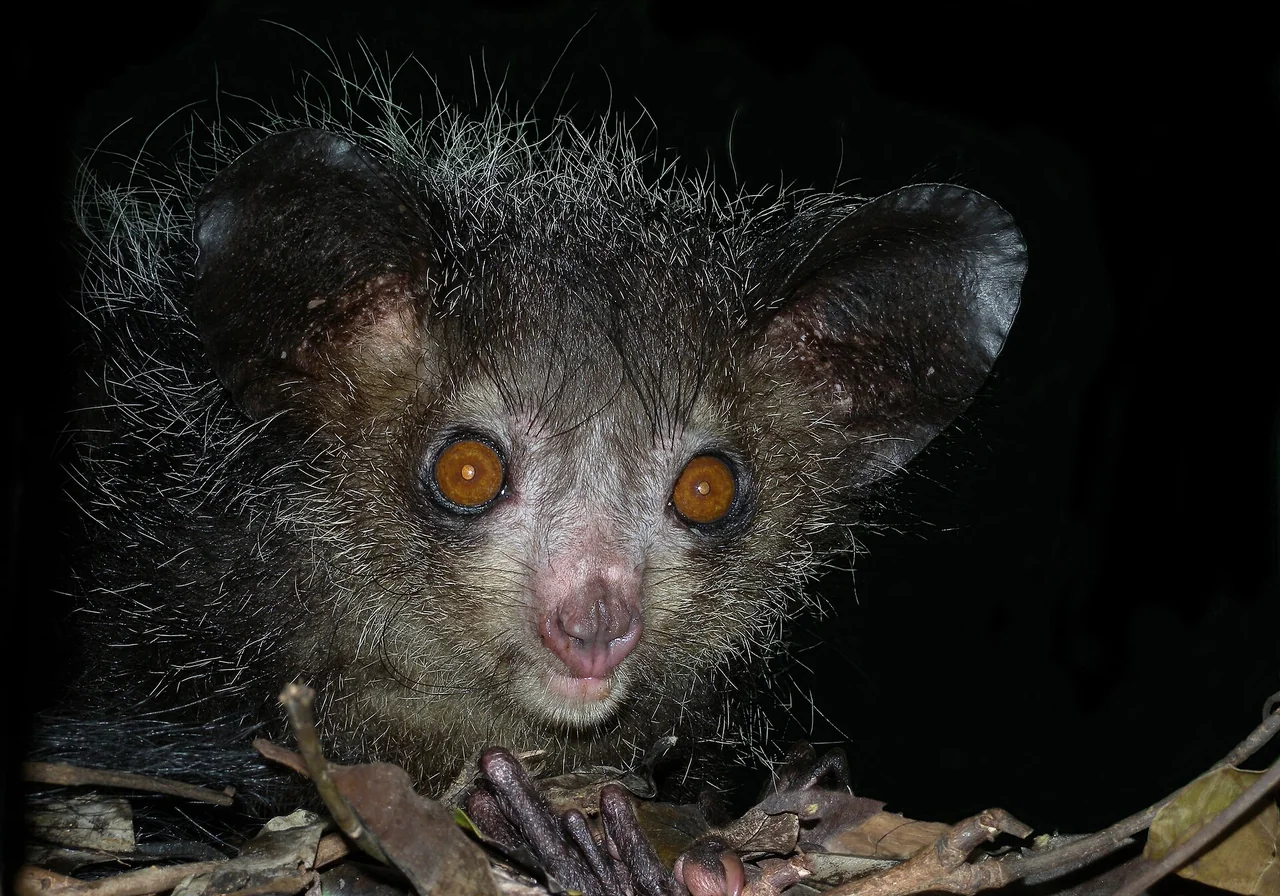
The Aye-aye is Madagascar's most extraordinary lemur — a nocturnal specialist with rodent-like ever-growing teeth, huge ears and a skeletal middle finger for tapping grubs from wood. Its defining trait is percussive foraging unique among primates. Endangered, persecuted through superstition and CITES Appendix I listed, it must never be kept as a pet.
What are the key facts about a Aye-aye?
The Aye-aye is a lemur species from Madagascar (east & north): medium (2.5 kg), nocturnal, solitary, specialised feeder. Madagascar's strangest lemur — tapping finger extracts grubs from wood.
| Origin | Madagascar (east & north) |
|---|---|
| Size | Medium (2.5 kg) |
| Typical weight | 2.5–3 kg (5.5–6.6 lb); body length roughly 40 cm plus a bushy tail longer than the body |
| Lifespan | 15–25 years (varies; mouse lemurs shorter) |
| Coat & markings | Shaggy dark brown or black fur with white-tipped guard hairs giving a grizzled appearance. Large naked ears rotate independently to locate larval movement inside wood. Bushy tail provides balance during nocturnal canopy travel. Middle finger is elongated, skeletal and used for tapping — not for gripping. |
| Temperament | Nocturnal, solitary, specialised feeder |
| Conservation note | Wild conservation only — aye-ayes are CITES Appendix I listed and impossible to keep responsibly in domestic settings. They need nocturnal forest canopy, solitary ranging patterns and specialised invertebrate diets. Support anti-persecution education and forest protection in eastern and northern Madagascar rather than attempting private ownership. |
Should you keep a Aye-aye as a pet?
No. A Aye-aye is a wild lemur from Madagascar (east & north), not a companion animal. Private keeping usually means an infant taken from a troop, a lifetime of unmet social needs, and often a legal offence.
People search this page because the Aye-aye looks small, clever or “manageable” in photos. That is the trap. Wild primates need a troop, a range, and a diet that is not human leftovers. The Aye-aye is from Madagascar (east & north); its conservation note on this page is wild conservation only — aye-ayes are cites appendix i listed and impossible to keep responsibly in domestic settings. they need nocturnal forest canopy, solitary ranging patterns and specialised invertebrate diets. support anti-persecution education and forest protection in eastern and northern madagascar rather than attempting private ownership..
If you met a Aye-aye in a selfie setting or a roadside stall, walk away and do not pay. Paying creates the next capture. Read this as a species briefing, then use the wildlife guide and the appeals linked at the bottom if you want to help the wild population.
What is a Aye-aye?
Madagascar's strangest lemur — tapping finger extracts grubs from wood. Origin is Madagascar (east & north); coat or markings are described as Shaggy dark brown or black fur with white-tipped guard hairs giving a grizzled appearance. Large naked ears rotate independently to locate larval movement inside wood. Bushy tail provides balance during nocturnal canopy travel. Middle finger is elongated, skeletal and used for tapping — not for gripping..
Treat “species” here as a library label for a wild species or distinct form, not as a kennel-club product.
Where does the Aye-aye come from?
Aye-ayes come from Madagascar (east & north). The aye-aye (Daubentonia madagascariensis) is the sole surviving member of an ancient lemur lineage, found in rainforest and coastal forest of eastern and northern Madagascar.
At night it taps tree bark with its elongated middle finger, listening for hollow echoes that reveal wood-boring insect larvae. Rodent-like incisors gnaw through wood; the finger extracts prey — an evolutionary convergence with woodpeckers absent from Madagascar. Malagasy folklore often treats the aye-aye as an omen of death, leading to persecution on sight despite legal protection. Deforestation fragments forest and forces aye-ayes into villages where superstition and crop-raiding accusations increase killing. The species is Endangered on the IUCN Red List and CITES Appendix I listed. Captive breeding in a handful of accredited zoos provides research insight, but reintroduction remains challenging where local communities still fear the species.
What does a Aye-aye actually need?
A wild Aye-aye needs the habitat and social system of Madagascar (east & north), not a spare room. Size (Medium (2.5 kg)) and a nocturnal, solitary, specialised feeder life history are why private keeping fails.
In the wild that means connected habitat, a diet the species evolved with, and distance from the pet and selfie trades. Captive “care sheets” for wild lemurs are how trafficking gets laundered as husbandry.
If you already work in accredited rescue, follow specialist protocols and licensing. Everyone else: do not acquire a Aye-aye. Support habitat and anti-trafficking work instead.
What surprises people about the Aye-aye?
A few details about the breed, alongside the practical care information in this guide.
- The aye-aye's middle finger is the thinnest of any primate — specialised for tapping and hooking grubs, not for grasping.
- Ever-growing incisors resemble rodent teeth — unique among primates and an evolutionary solution to gnawing wood.
- Aye-ayes were once classified as rodents because of their teeth and appearance before genetic studies confirmed lemur ancestry.
- They spend up to 80% of the night travelling and foraging alone across large home ranges.
What health issues should you know about in a Aye-aye?
Health concerns to discuss with your vet, including changes to watch for and everyday care. This is general guidance, not veterinary advice — always speak to your vet.
Persecution (wild)
Superstition-driven killing removes breeding adults from local populations. Aye-ayes entering villages after forest clearance face heightened persecution.
Care: Fund community education linking aye-ayes to forest health and pest control. Work with local leaders to transform fady into protection.
Habitat loss
Rainforest and coastal forest fragmentation restricts nocturnal ranging and reduces tree species harbouring wood-boring larvae.
Care: Protect continuous forest blocks in eastern Madagascar. Reforestation must use native tree species that support invertebrate prey.
Low genetic diversity
Small, isolated populations lose genetic variation, reducing resilience to disease and environmental change.
Care: Maintain forest corridors between subpopulations. Genetic monitoring guides prioritisation of the most isolated fragments for urgent protection.
Who should skip a Aye-aye?
Skip a Aye-aye if you are anyone hoping to keep a Aye-aye as a pet or photo prop. This Madagascar (east & north) lemur is medium (2.5 kg) and nocturnal, solitary, specialised feeder — the mismatch is usually lifestyle, not a missing accessory.
This page is allowed to say no. Skip if you are anyone hoping to keep a Aye-aye as a pet or photo prop. Skip if you are anyone who will pay for a wild-caught or roadside animal. Skip if you are tourists looking for handling or selfies.
A different lemur species on this site may fit. Wanting “a Aye-aye” after a film or a colour photo is not a reason to ignore the skip list.
What are the hidden catches with a Aye-aye?
The hidden cost of a Aye-aye is usually not the purchase price. It is years of care, the health list on this page, and the mismatch between a nocturnal, solitary, specialised feeder animal and a busy home.
The pet-trade catch
Cute infant Aye-ayes in ads were usually taken from wild families. The adult you cannot house is then dumped, euthanised, or passed on. Do not create that demand.
The tourism catch
Paying to hold, ride, or selfie with a Aye-aye funds the next capture or a stressed ambassador animal. Distance and accredited viewing are the ethical default.
The persecution (wild) catch
Superstition-driven killing removes breeding adults from local populations. Aye-ayes entering villages after forest clearance face heightened persecution. Fund community education linking aye-ayes to forest health and pest control. Work with local leaders to transform fady into protection.
The habitat loss catch
Rainforest and coastal forest fragmentation restricts nocturnal ranging and reduces tree species harbouring wood-boring larvae. Protect continuous forest blocks in eastern Madagascar. Reforestation must use native tree species that support invertebrate prey.
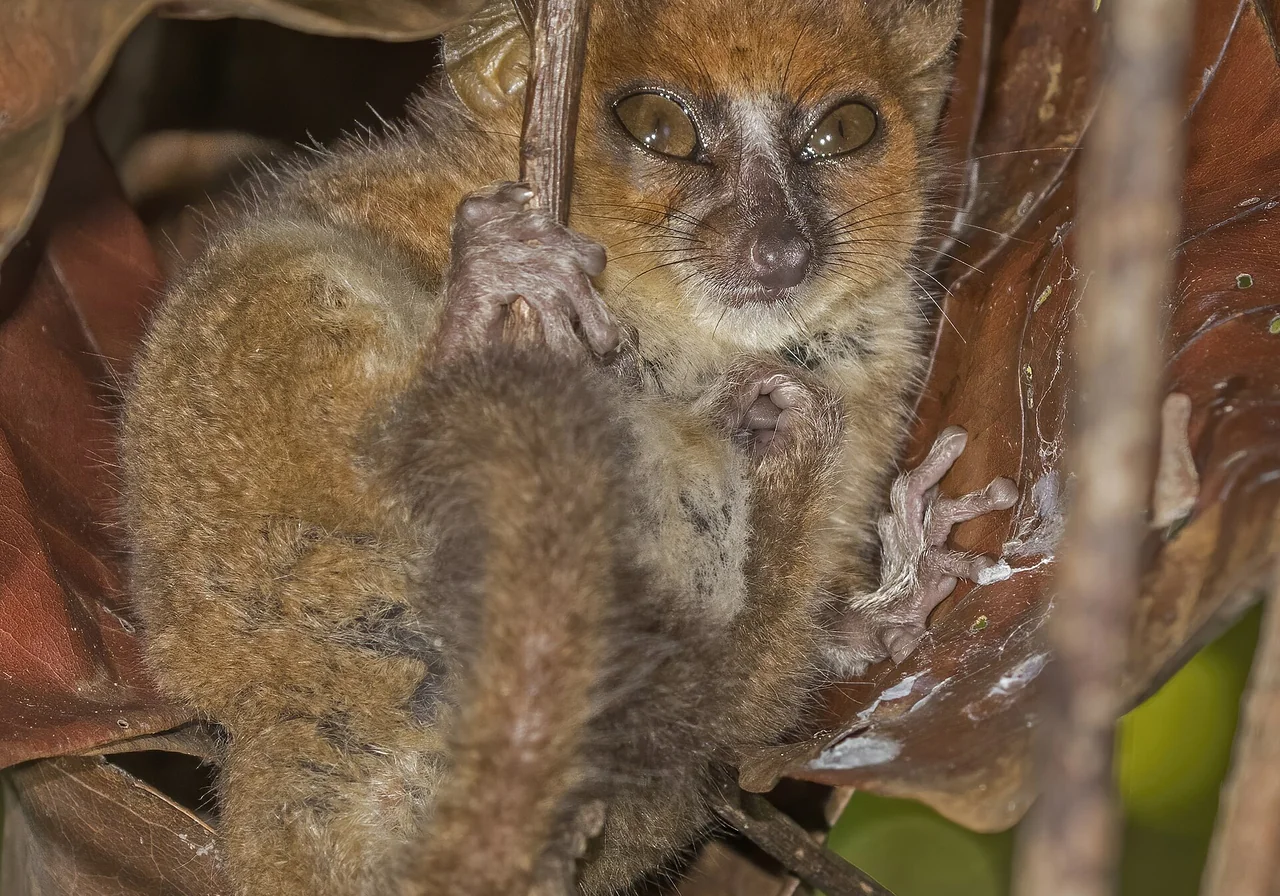
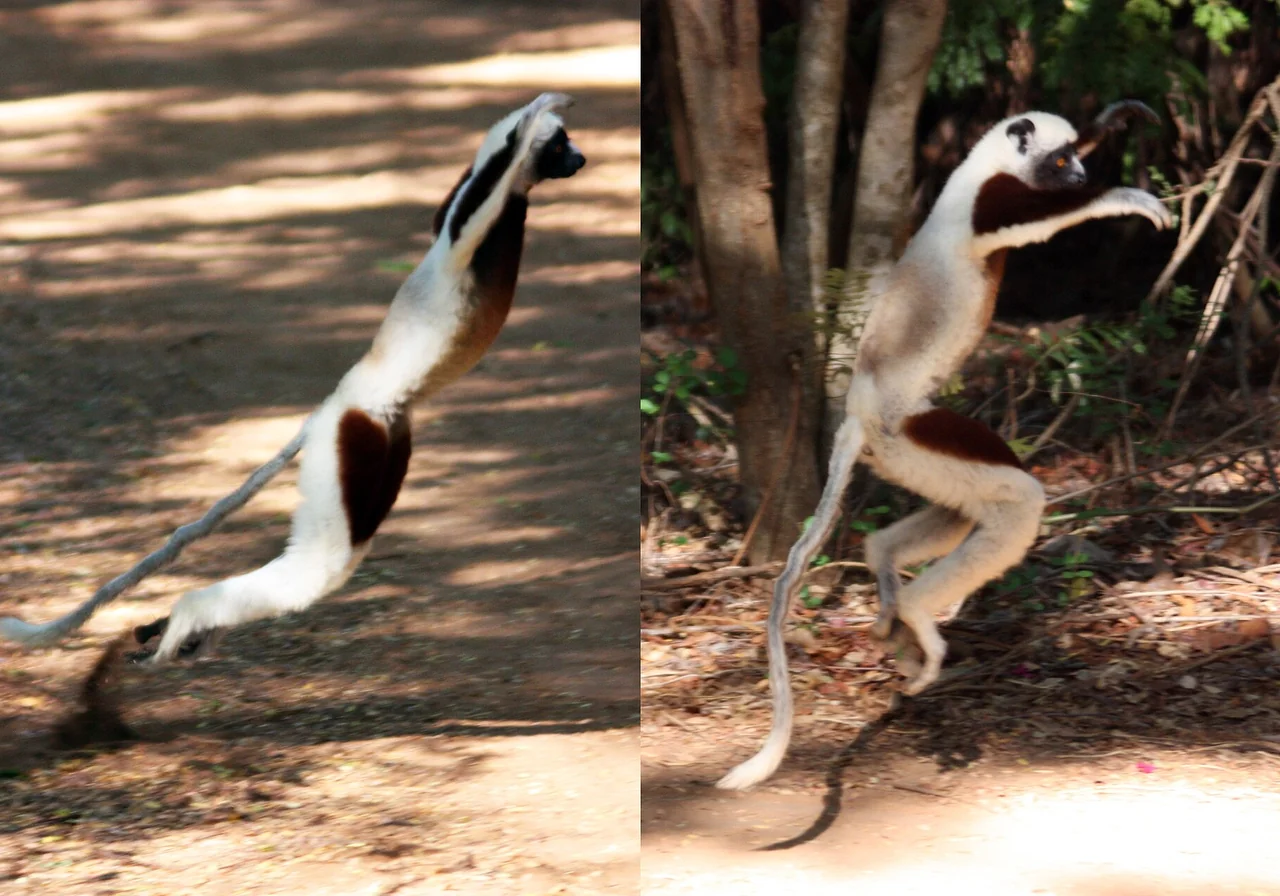
How does a Aye-aye compare with Mouse Lemur and Coquerel's Sifaka?
A Aye-aye is not interchangeable with Mouse Lemur and Coquerel's Sifaka. Compare origin, size, lifespan and temperament before you choose — those four lines prevent most regret.
| Lemur fact | Aye-aye | Mouse Lemur | Coquerel's Sifaka |
|---|---|---|---|
| Origin | Madagascar (east & north) | Madagascar (widespread) | Madagascar (north-west dry forest) |
| Size | Medium (2.5 kg) | Tiny (30–60 g) | Medium (3.7 kg) |
| Lifespan | 15–25 years (varies; mouse lemurs shorter) | 15–25 years (varies; mouse lemurs shorter) | 15–25 years (varies; mouse lemurs shorter) |
| Temperament | Nocturnal, solitary, specialised feeder | Nocturnal, solitary, torpor-capable | Diurnal, leaping, social |
What is the verdict on the Aye-aye?
A Aye-aye is a wild lemur to understand and protect, not a pet to acquire. If you came here to buy one, the verdict is no. If you came here to learn, use the species guide next.
Help looks like habitat, enforcement and refusing the trade — not a cage in a spare room. WARN is a CIC, not a charity; donate only if you want to fund partner work in our network countries, and do not expect Gift Aid.
Lemurs belong in Madagascar's forests
Every lemur species is CITES Appendix I and most are Endangered or Critically Endangered. Habitat protection — not the pet trade — is their only path to survival.