Lemur Species · Madagascar (east & north-west)
Brown Lemur
Common name for several similar true lemurs — variable coat, flexible activity.
By WARN Research & Conservation TeamLast updated
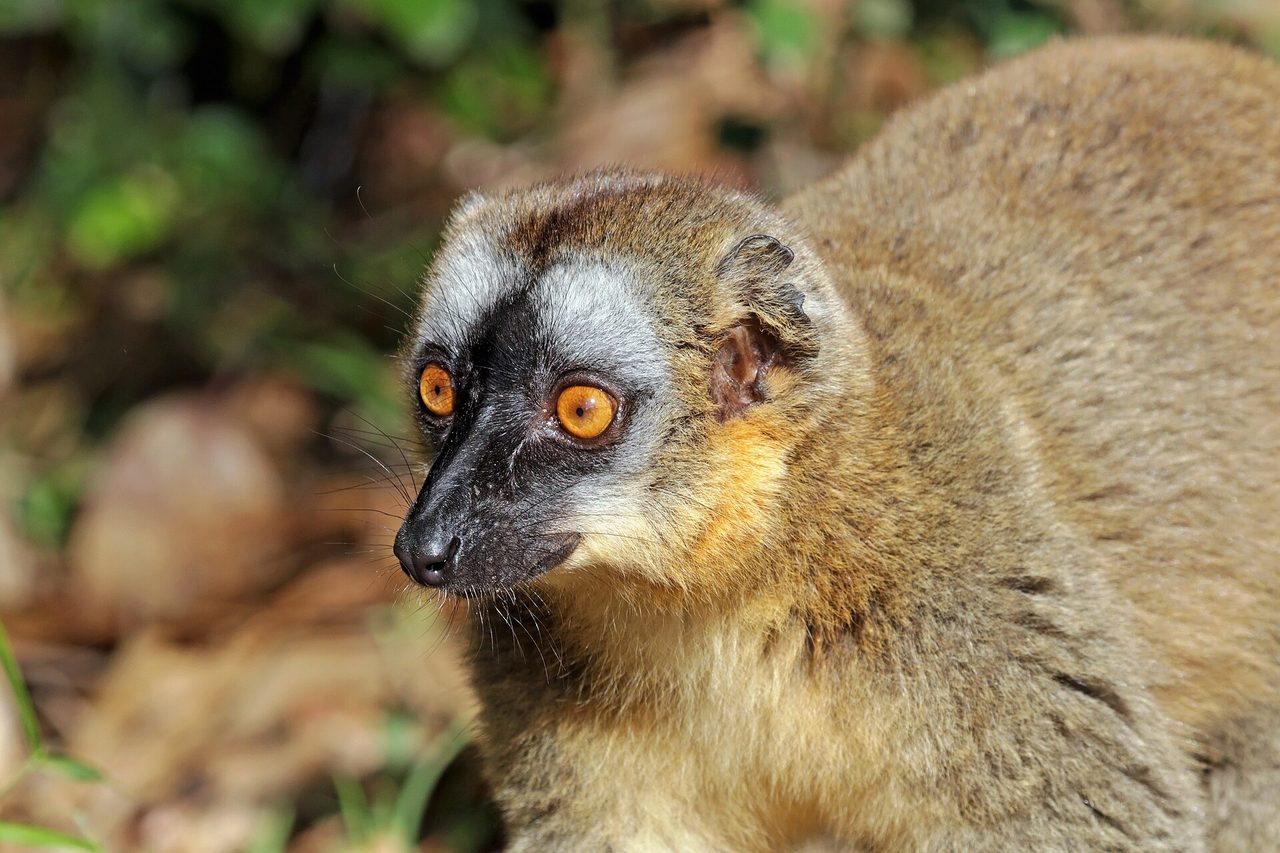
Photo: Rod Waddington / Wikimedia Commons (CC BY-SA 2.0)
In brief
The Brown Lemur is a collective name for several closely related true lemurs (Eulemur species) across eastern and north-western Madagascar — medium-sized, cathemeral primates active by day and night. Its defining trait is flexible activity patterns and varied coat colour across a species complex now split by genetics. Several forms are Endangered and all lemurs are CITES Appendix I listed — none suitable as pets.
What are the key facts about a Brown Lemur?
The Brown Lemur is a lemur species from Madagascar (east & north-west): medium (2.5 kg), social, cathemeral, adaptable. Common name for several similar true lemurs — variable coat, flexible activity.
| Origin | Madagascar (east & north-west) |
|---|---|
| Size | Medium (2.5 kg) |
| Typical weight | 2.2–2.8 kg (4.9–6.2 lb); varies between species in the Eulemur complex |
| Lifespan | 15–25 years (varies; mouse lemurs shorter) |
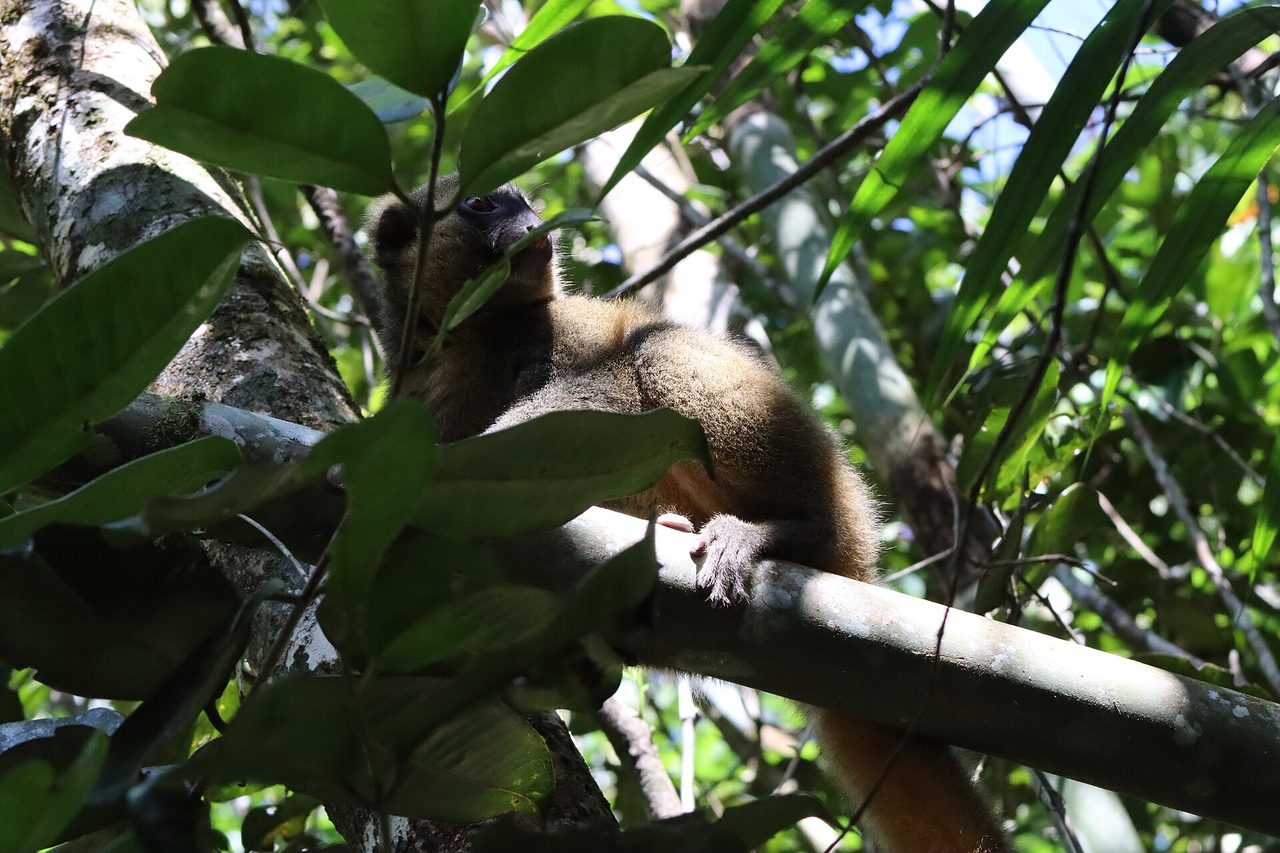
| Coat & markings | Variable — grey-brown, olive or reddish-brown body fur with lighter faces and bellies; some forms show dark masks or rufous crowns. Tail is long and bushy, used for balance during arboreal travel. Fur density shifts seasonally; males of some species develop reddish 'beards' in the breeding season. |
| Temperament | Social, cathemeral, adaptable |
| Conservation note | Wild conservation only — brown lemurs are CITES Appendix I listed and require forest habitat with social groups and cathemeral ranging patterns. They cannot be kept responsibly in domestic settings. Support eastern rainforest protection and avoid purchasing any lemur marketed as a pet, including hybridised forms in fragmented forests. |
Should you keep a Brown Lemur as a pet?
No. A Brown Lemur is a wild lemur from Madagascar (east & north-west), not a companion animal. Private keeping usually means an infant taken from a troop, a lifetime of unmet social needs, and often a legal offence.
People search this page because the Brown Lemur looks small, clever or “manageable” in photos. That is the trap. Wild primates need a troop, a range, and a diet that is not human leftovers. The Brown Lemur is from Madagascar (east & north-west); its conservation note on this page is wild conservation only — brown lemurs are cites appendix i listed and require forest habitat with social groups and cathemeral ranging patterns. they cannot be kept responsibly in domestic settings. support eastern rainforest protection and avoid purchasing any lemur marketed as a pet, including hybridised forms in fragmented forests..
If you met a Brown Lemur in a selfie setting or a roadside stall, walk away and do not pay. Paying creates the next capture. Read this as a species briefing, then use the wildlife guide and the appeals linked at the bottom if you want to help the wild population.
What is a Brown Lemur?
Common name for several similar true lemurs — variable coat, flexible activity. Origin is Madagascar (east & north-west); coat or markings are described as Variable — grey-brown, olive or reddish-brown body fur with lighter faces and bellies; some forms show dark masks or rufous crowns. Tail is long and bushy, used for balance during arboreal travel. Fur density shifts seasonally; males of some species develop reddish 'beards' in the breeding season..
Treat “species” here as a library label for a wild species or distinct form, not as a kennel-club product.
Where does the Brown Lemur come from?
Brown Lemurs come from Madagascar (east & north-west). Brown lemurs (Eulemur fulvus species complex) once ranged across much of Madagascar's remaining forest.
Genetic revision split the group into multiple species including common brown lemur, red-fronted brown lemur and Sanford's brown lemur — each with distinct range and conservation status. They are cathemeral, shifting activity between day and night according to temperature, moonlight and predation pressure. Fruit, flowers and leaves dominate the diet. Eastern rainforest clearance and north-western dry forest loss threaten every species in the complex. Fragmentation causes hybridisation between formerly isolated forms, blurring genetic boundaries and complicating conservation planning. Hunting and capture for the illegal pet trade persist despite CITES Appendix I listing for all lemurs. Brown lemurs appear in some tourist 'lemur experiences' that habituate wild animals to human contact — a practice conservationists discourage.
What does a Brown Lemur actually need?
A wild Brown Lemur needs the habitat and social system of Madagascar (east & north-west), not a spare room. Size (Medium (2.5 kg)) and a social, cathemeral, adaptable life history are why private keeping fails.
In the wild that means connected habitat, a diet the species evolved with, and distance from the pet and selfie trades. Captive “care sheets” for wild lemurs are how trafficking gets laundered as husbandry.
If you already work in accredited rescue, follow specialist protocols and licensing. Everyone else: do not acquire a Brown Lemur. Support habitat and anti-trafficking work instead.
What surprises people about the Brown Lemur?
A few details about the breed, alongside the practical care information in this guide.
- Brown lemurs are cathemeral — active during both day and night, unusual among primates.
- Genetic studies split one 'species' into at least six distinct forms with separate conservation needs.
- They spread pollen and seeds through fruit eating — important forest regenerators.
- Some brown lemur species hybridise where forest fragments bring formerly separate populations into contact.
What health issues should you know about in a Brown Lemur?
Health concerns to discuss with your vet, including changes to watch for and everyday care. This is general guidance, not veterinary advice — always speak to your vet.
Habitat loss
Rainforest and dry forest clearance across eastern and north-western Madagascar removes foraging trees and isolates social groups in unsustainable fragments.
Care: Support protected area management and community reforestation. Corridors linking fragments reduce isolation and hybridisation risk.
Hybridisation in fragments
Where forest clearance brings formerly separate Eulemur species into contact, interbreeding blurs genetic boundaries and threatens distinct evolutionary lineages.
Care: Protect species-specific ranges through forest corridor planning. Genetic monitoring identifies priority populations for urgent protection.
Capture for pet trade
Brown lemurs are among the species most frequently confiscated from illegal pet ownership in Madagascar and abroad.
Care: Never purchase lemurs. Report trafficking and support accredited sanctuaries that provide lifelong care for confiscated individuals.
Who should skip a Brown Lemur?
Skip a Brown Lemur if you are anyone hoping to keep a Brown Lemur as a pet or photo prop. This Madagascar (east & north-west) lemur is medium (2.5 kg) and social, cathemeral, adaptable — the mismatch is usually lifestyle, not a missing accessory.
This page is allowed to say no. Skip if you are anyone hoping to keep a Brown Lemur as a pet or photo prop. Skip if you are anyone who will pay for a wild-caught or roadside animal. Skip if you are tourists looking for handling or selfies.
A different lemur species on this site may fit. Wanting “a Brown Lemur” after a film or a colour photo is not a reason to ignore the skip list.
What are the hidden catches with a Brown Lemur?
The hidden cost of a Brown Lemur is usually not the purchase price. It is years of care, the health list on this page, and the mismatch between a social, cathemeral, adaptable animal and a busy home.
The pet-trade catch
Cute infant Brown Lemurs in ads were usually taken from wild families. The adult you cannot house is then dumped, euthanised, or passed on. Do not create that demand.
The tourism catch
Paying to hold, ride, or selfie with a Brown Lemur funds the next capture or a stressed ambassador animal. Distance and accredited viewing are the ethical default.
The habitat loss catch
Rainforest and dry forest clearance across eastern and north-western Madagascar removes foraging trees and isolates social groups in unsustainable fragments. Support protected area management and community reforestation. Corridors linking fragments reduce isolation and hybridisation risk.
The hybridisation in fragments catch
Where forest clearance brings formerly separate Eulemur species into contact, interbreeding blurs genetic boundaries and threatens distinct evolutionary lineages. Protect species-specific ranges through forest corridor planning. Genetic monitoring identifies priority populations for urgent protection.
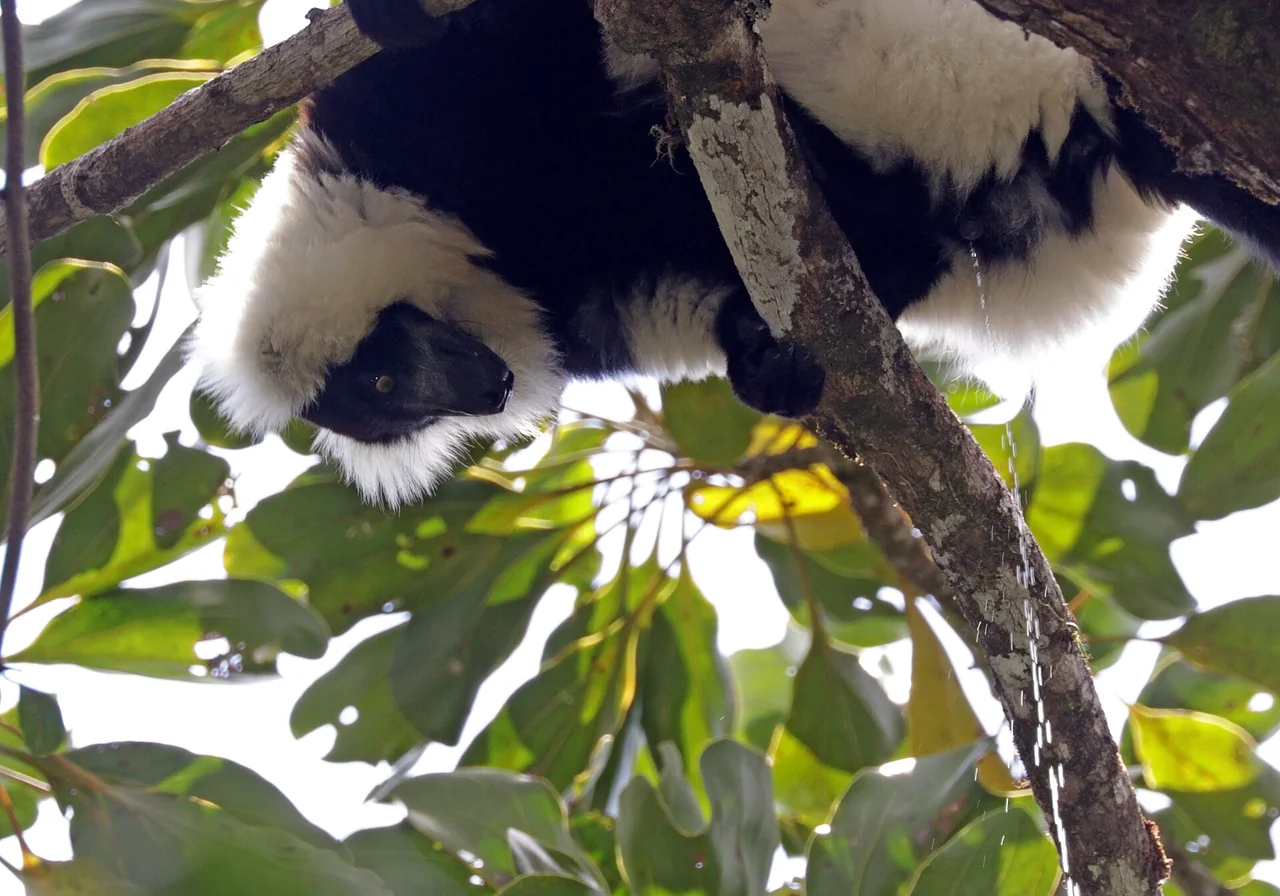
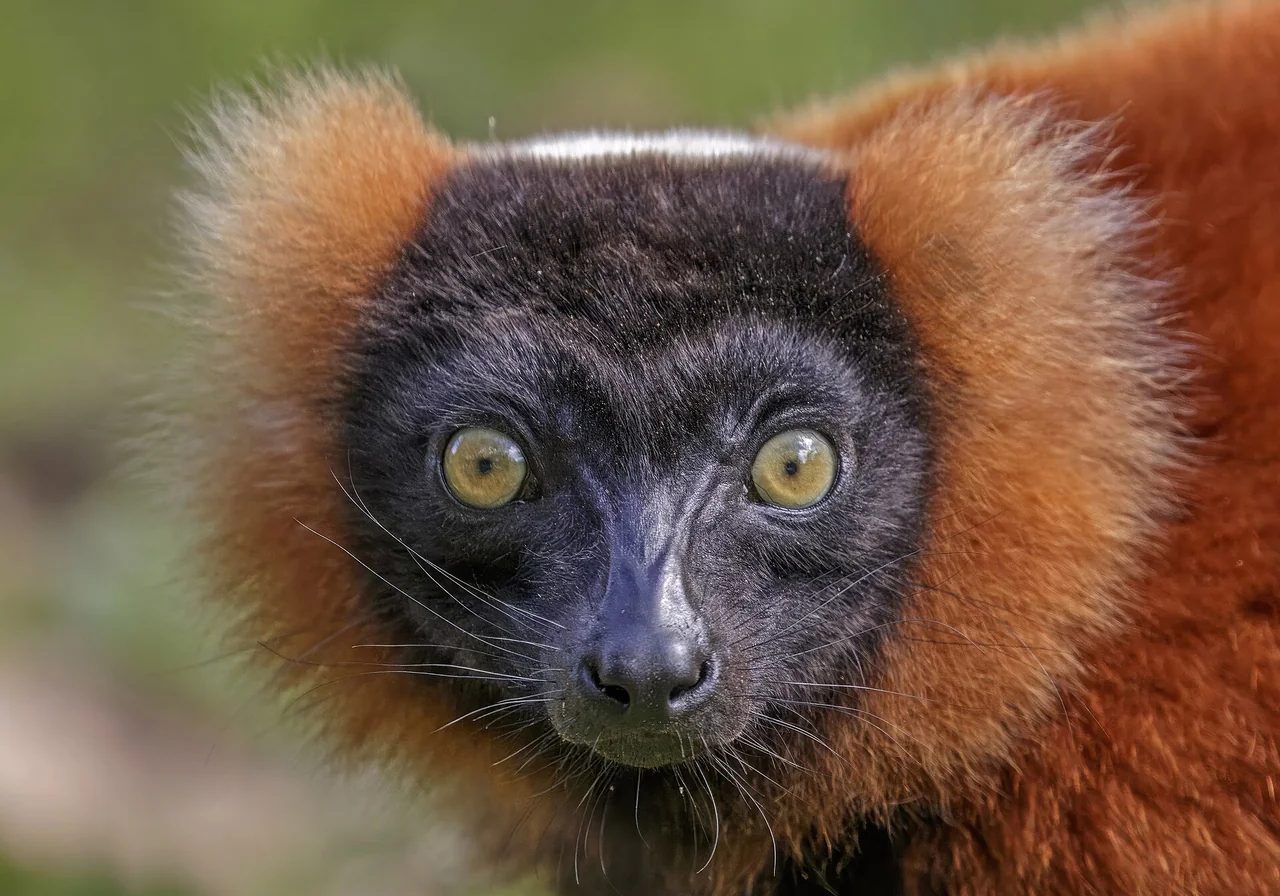
How does a Brown Lemur compare with Black-and-white Ruffed Lemur and Red Ruffed Lemur?
A Brown Lemur is not interchangeable with Black-and-white Ruffed Lemur and Red Ruffed Lemur. Compare origin, size, lifespan and temperament before you choose — those four lines prevent most regret.
| Lemur fact | Brown Lemur | Black-and-white Ruffed Lemur | Red Ruffed Lemur |
|---|---|---|---|
| Origin | Madagascar (east & north-west) | Madagascar (eastern rainforest) | Madagascar (Masoala Peninsula) |
| Size | Medium (2.5 kg) | Large (3.5 kg) | Large (3.6 kg) |
| Lifespan | 15–25 years (varies; mouse lemurs shorter) | 15–25 years (varies; mouse lemurs shorter) | 15–25 years (varies; mouse lemurs shorter) |
| Temperament | Social, cathemeral, adaptable | Loud, frugivorous, nest-building | Arboreal, frugivorous, vocal |
What is the verdict on the Brown Lemur?
A Brown Lemur is a wild lemur to understand and protect, not a pet to acquire. If you came here to buy one, the verdict is no. If you came here to learn, use the species guide next.
Help looks like habitat, enforcement and refusing the trade — not a cage in a spare room. WARN is a CIC, not a charity; donate only if you want to fund partner work in our network countries, and do not expect Gift Aid.
Lemurs belong in Madagascar's forests
Every lemur species is CITES Appendix I and most are Endangered or Critically Endangered. Habitat protection — not the pet trade — is their only path to survival.