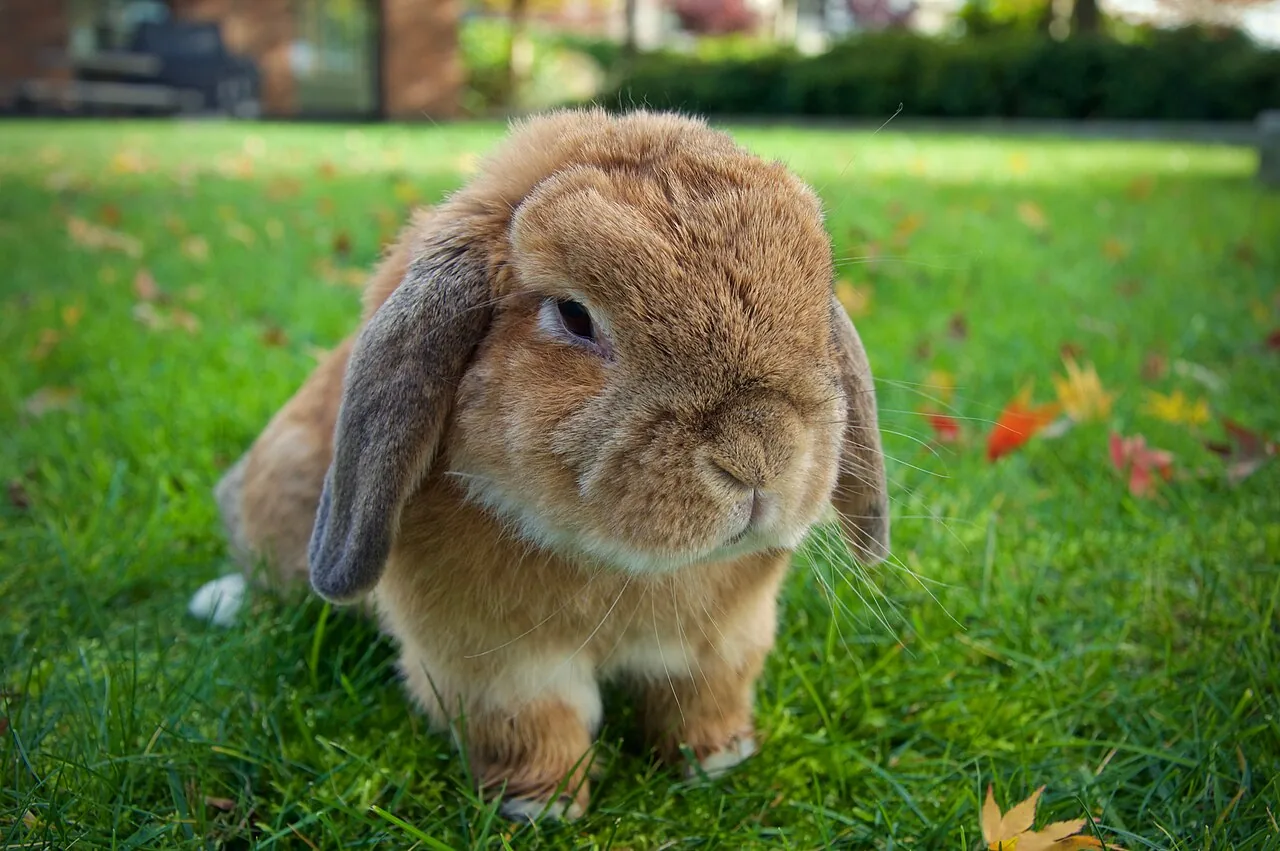
Rabbit breeds · Small and dwarf

Small and Dwarf Rabbit Breeds

Popular small rabbit breeds include the Netherland Dwarf, Holland Lop, Lionhead, Mini Rex, Polish and Dutch. Small does not mean low-maintenance: dwarf breeds need the same space as larger rabbits, and their compressed skulls make dental disease considerably more likely.

How this list was compiled

Breeds recorded as small in the WARN rabbit guides. Ordered by popularity rank.

Small rabbits are chosen because they look manageable, and that is where most of the trouble starts. A dwarf rabbit needs the same exercise space as a large one — the recommended minimum enclosure is measured in square metres, not in cage sizes — and it lives just as long.

The specific health issue with dwarf breeds is dental. Selecting for a small, round, flat face compresses the jaw, and rabbit teeth grow continuously throughout life. If the upper and lower teeth do not meet correctly they do not wear down, and the result is overgrowth, spurs that cut the tongue and cheek, abscesses and difficulty eating. It is manageable with veterinary care and it is lifelong.

Small and Dwarf Rabbit Breeds at a glance

Breed Size Lifespan Temperament
Holland Lop Small (1.4–1.8 kg) 7–12 years Friendly, curious, sometimes shy
Netherland Dwarf Small (0.9–1.2 kg) 7–10 years Energetic, bold, can be nippy if unsocialised
Lionhead Small (1.1–1.7 kg) 7–10 years Friendly, playful, confident
Mini Rex Small (1.4–2 kg) 7–12 years Calm, plush-coated, friendly
English Angora Small (2–3.5 kg) 7–12 years Calm, wool-producing, needs grooming
Dutch Small (1.5–2.5 kg) 7–12 years Active, friendly, marked
Jersey Wooly Small (1–1.6 kg) 7–12 years Gentle, fluffy, pet-sized
Polish Small (0.9–1.6 kg) 7–12 years Active, fine-boned, showy
American Fuzzy Lop Small (1.5–2 kg) 7–12 years Playful, lop-eared, woolly
Tan Small (2–3 kg) 7–12 years Active, arched, sleek

Small and Dwarf Rabbit Breeds: full profiles

Each entry covers what the breed was bred for, day-to-day needs, and health problems to watch — with a link to the full guide.

Holland Lop — rabbit breed guide

01 / Netherlands

Holland Lop

The Holland Lop is a small lop-eared rabbit breed from the Netherlands, prized as a pet for its compact size, floppy ears and affectionate temperament when well socialised.

Size
Small (1.4–1.8 kg)
Lifespan
7–12 years
Temperament
Friendly, curious, sometimes shy
Origin
Netherlands

Coat & grooming — Short, dense rollback fur in many colours and patterns

Suits — Indoor homes, gentle owners, pairs or bonded companions with slow introductions

Health to watch for

  • Dental malocclusion — Teeth grow continuously; misalignment causes drooling, weight loss or eye problems.
  • Gastrointestinal stasis — Slow gut motility is a life-threatening emergency causing reduced appetite and small droppings.
  • Ear infections — Lop ears trap moisture and debris, increasing infection risk.
Full Holland Lop guide
Netherland Dwarf — rabbit breed guide

02 / Netherlands

Netherland Dwarf

The Netherland Dwarf is one of the smallest rabbit breeds, with a compact body and large head. Popular as a pet, it needs gentle handling and careful socialisation because of its size and spirited nature.

Size
Small (0.9–1.2 kg)
Lifespan
7–10 years
Temperament
Energetic, bold, can be nippy if unsocialised
Origin
Netherlands

Coat & grooming — Short, soft fur in many colours including self, shaded and broken patterns

Suits — Quiet indoor homes, experienced handlers, supervised families

Health to watch for

  • Dental malocclusion — Common in dwarf breeds due to shortened skull shape.
  • Gastrointestinal stasis — Stress or pain can shut down the gut quickly in small rabbits.
  • Fragility injuries — Dropped or squeezed dwarfs suffer fractures more easily than larger breeds.
Full Netherland Dwarf guide
Lionhead — rabbit breed guide

03 / Belgium/France

Lionhead

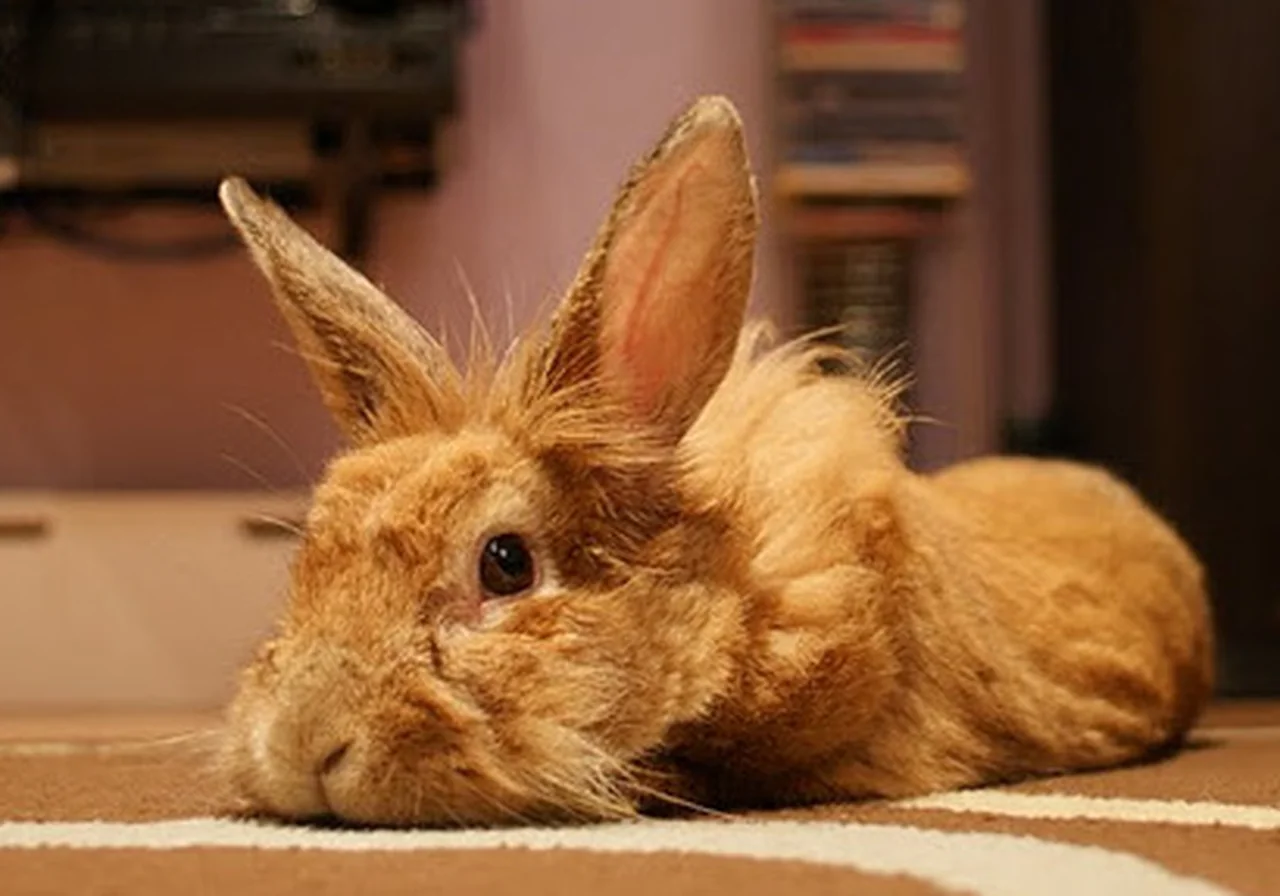
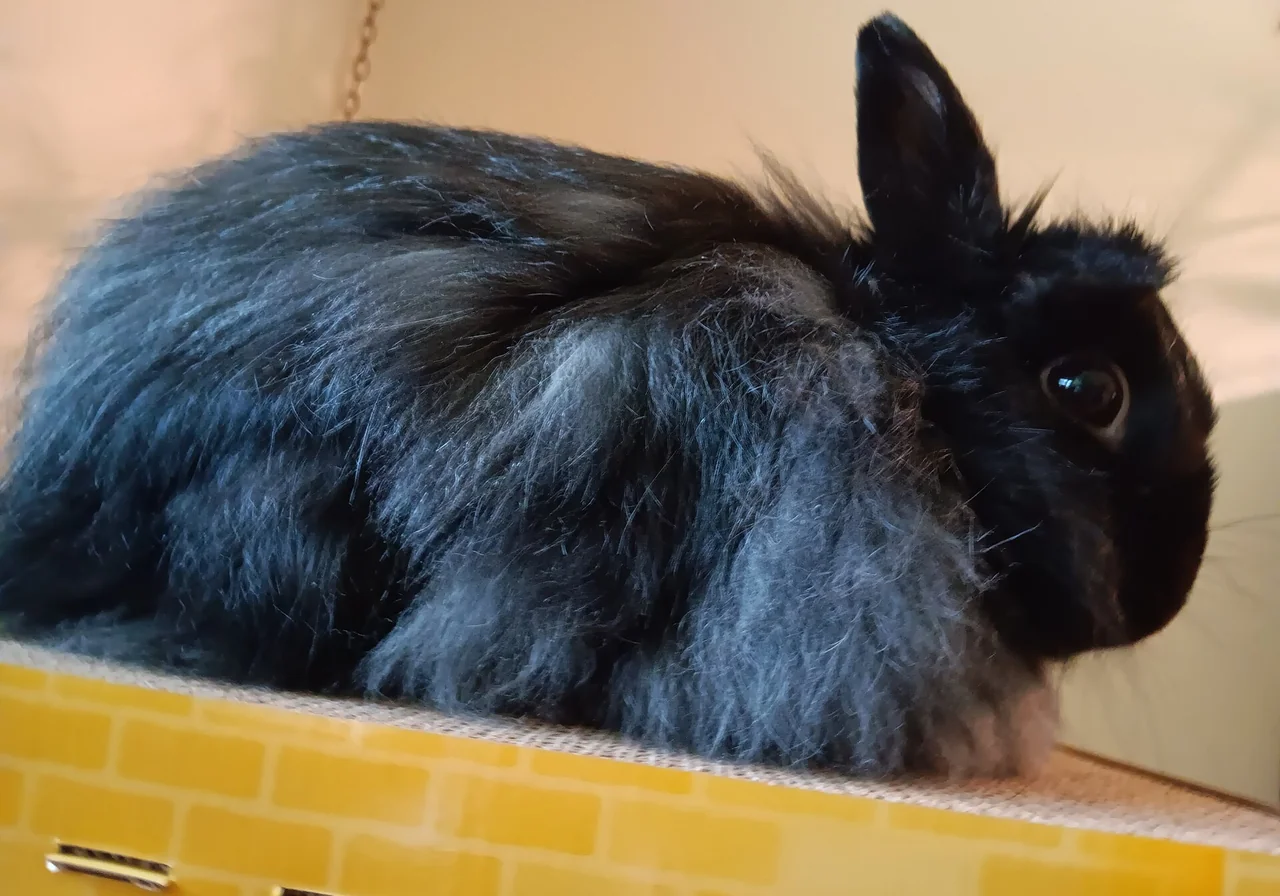
The Lionhead is a small rabbit breed distinguished by a wool mane around the head, like a lion's ruff. Developed in Europe, it is popular as a pet for its expressive face and outgoing temperament.

Size
Small (1.1–1.7 kg)
Lifespan
7–10 years
Temperament
Friendly, playful, confident
Origin
Belgium/France

Coat & grooming — Mane of wool around head; body coat short or slightly longer depending on type

Suits — Indoor pet homes, gentle grooming routines, attentive owners

Health to watch for

  • Wool block — Mane wool swallowed during grooming can slow or block the digestive tract.
  • Dental malocclusion — Small breeds are prone to tooth alignment problems.
  • Gastrointestinal stasis — Reduced gut movement presents as lethargy and no droppings.
Full Lionhead guide
Mini Rex — rabbit breed guide

04 / United States

Mini Rex

The Mini Rex is a small American rabbit breed famous for its plush, velvet-like rex fur that springs back when stroked. Its defining trait is an exceptionally soft, dense coat combined with a calm, friendly temperament that suits indoor companion homes.

Size
Small (1.4–2 kg)
Lifespan
7–12 years
Temperament
Calm, plush-coated, friendly
Origin
United States

Coat & grooming — Short rex fur with guard hairs the same length as undercoat, creating a springy, velvety texture in many colours including castor, black, blue and broken patterns. Grooming is minimal: weekly brushing and more during moults. Avoid over-bathing, which strips natural oils from rex coats.

Suits — Well suited to indoor homes with space for exercise, gentle handling and hay-based feeding. Mini Rex rabbits often tolerate petting when socialised early and pair well with neutered companions after careful bonding. They suit owners committed to litter training, daily enrichment and annual veterinary checks rather than hutch-only keeping.

Health to watch for

  • Dental malocclusion — Teeth grow continuously; misalignment causes overgrown incisors or molar spurs that pain chewing. Drooling and weight loss are warning signs.
  • Obesity — Small breeds gain weight quickly on excessive pellets or treats, stressing joints and the spine.
  • Gastrointestinal stasis — Slowed gut motility is life-threatening in rabbits, often triggered by stress, pain or low fibre intake. Reduced droppings and lethargy require urgent care.
Full Mini Rex guide
English Angora — rabbit breed guide

05 / England

English Angora

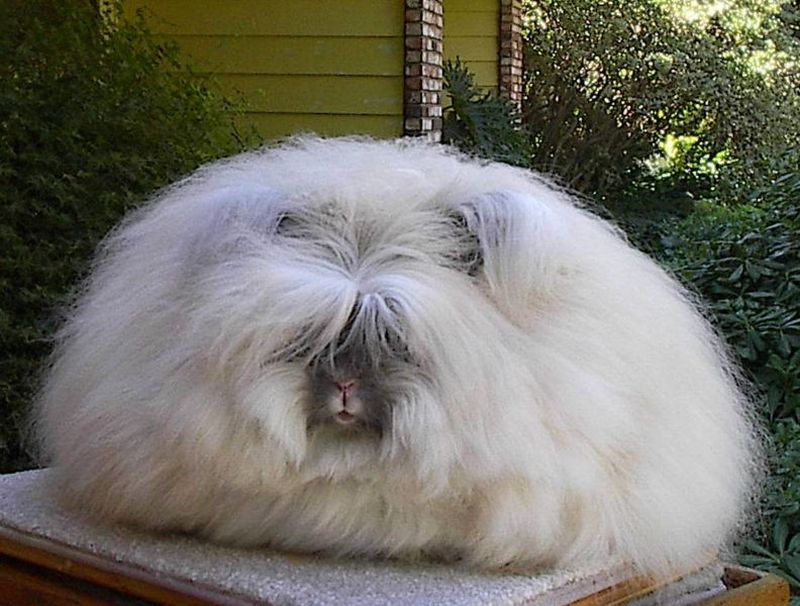
The English Angora is a wool breed from England producing long, silky fibre on a compact rabbit. Its defining trait is exceptionally dense wool covering face and ears — requiring dedicated daily grooming from committed owners.

Size
Small (2–3.5 kg)
Lifespan
7–12 years
Temperament
Calm, wool-producing, needs grooming
Origin
England

Coat & grooming — Long, fine wool with minimal guard hairs, covering the entire body including face furnishings and ear tufts ('furnishings'). Wool grows continuously and mats without daily combing. Harvest wool every three to four months by shearing or plucking during moult. Never allow wet, tangled coats to persist.

Suits — Best for dedicated owners who enjoy fibre arts and daily grooming routines. English Angoras suit calm indoor homes away from extreme heat. They need patient handling, cool ventilation in summer and owners willing to commit substantial time to coat care and wool block prevention.

Health to watch for

  • Wool block — Swallowed wool forms a gastrointestinal obstruction when grooming intake exceeds passage. Lethargy and anorexia follow.
  • Dental malocclusion — Continuous tooth growth with misalignment causes painful eating. Wool breeds may hide reduced intake behind dense facial fur.
  • Heat stress — Heavy wool coats cause overheating above roughly 24°C without cooling. Panting, lethargy and collapse can follow.
Full English Angora guide
Dutch — rabbit breed guide

06 / Netherlands

Dutch

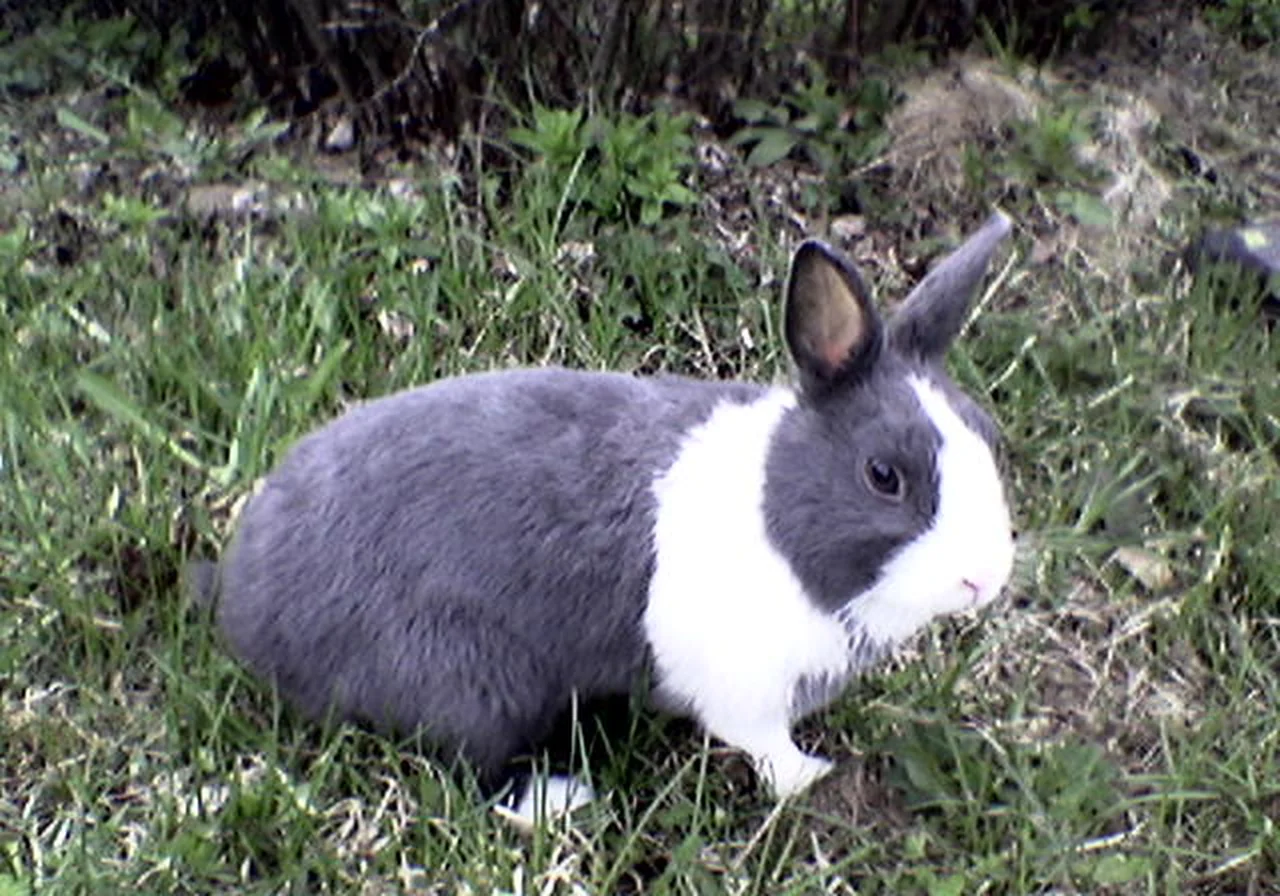
The Dutch is one of the oldest recognised rabbit breeds — a compact rabbit with distinctive white blaze, white collar and coloured saddle. Its defining trait is bold markings combined with an active, friendly temperament popular on show benches worldwide.

Size
Small (1.5–2.5 kg)
Lifespan
7–12 years
Temperament
Active, friendly, marked
Origin
Netherlands

Coat & grooming — Short, glossy flyback fur with sharp colour demarcation between white and coloured sections. Accepted colours include black, blue, chocolate, grey and tortoiseshell. Weekly grooming maintains shine; markings are judged precisely in show standards.

Suits — Excellent for indoor companion homes with daily interaction and space to run. Dutch rabbits are active and curious, suiting owners who provide enrichment and gentle handling. They often enjoy human company and can bond with neutered partners when introduced carefully.

Health to watch for

  • Dental malocclusion — Misaligned teeth lead to overgrowth and painful spurs affecting eating and behaviour.
  • Obesity — Treats and excess pellets cause rapid weight gain in small breeds with limited calorie requirements.
  • Gastrointestinal stasis — Life-threatening gut slowdown presents with lethargy and reduced faecal output.
Full Dutch guide
Jersey Wooly — rabbit breed guide

07 / United States

Jersey Wooly

The Jersey Wooly is a dwarf wool breed from New Jersey — a small rabbit with a woolly coat and gentle temperament marketed as a 'no-kick' pet. Its defining trait is manageable size combined with angora-type wool requiring regular grooming.

Size
Small (1–1.6 kg)
Lifespan
7–12 years
Temperament
Gentle, fluffy, pet-sized
Origin
United States

Coat & grooming — Medium-length wool with softer texture than larger angora breeds, forming a mane-like frill around the head. Wool mats without weekly combing. Colours span agouti, broken, self and shaded varieties. Trim wool around the hindquarters if soiling occurs.

Suits — Popular with families wanting a small, fluffy indoor rabbit willing to sit quietly when handled gently. Jersey Woolies suit owners who accept grooming duties and provide calm environments. They are not appropriate for rough handling or homes unwilling to manage wool block risk.

Health to watch for

  • Wool block — Ingested wool obstructs digestion, especially when mats are licked free.
  • Dental malocclusion — Dwarf breeds face elevated dental issue risk from jaw conformation.
  • Obesity — Small wool rabbits gain weight easily on treats and excess pellets.
Full Jersey Wooly guide
Polish — rabbit breed guide

08 / England

Polish

The Polish rabbit is a tiny British fancy breed — fine-boned with large eyes and upright ears despite its misleading name. Its defining trait is elegant, compact show type in one of the smallest recognised breeds.

Size
Small (0.9–1.6 kg)
Lifespan
7–12 years
Temperament
Active, fine-boned, showy
Origin
England

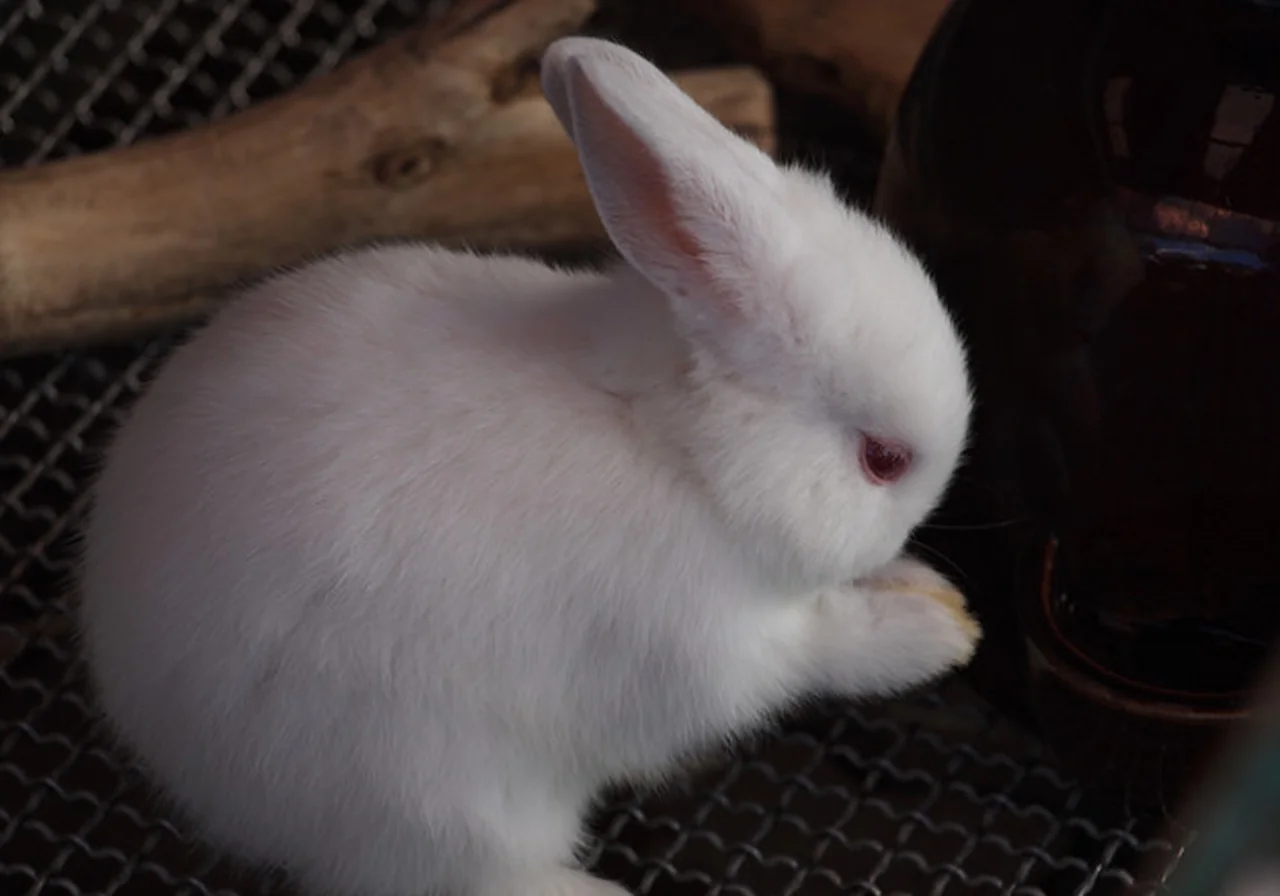
Coat & grooming — Short, fine flyback fur in black, blue, chocolate, white and broken patterns. The delicate coat needs gentle weekly grooming. White varieties may show ruby eyes. Fine bone structure requires careful handling to avoid fractures.

Suits — Best for adult owners or families with older children who understand fragile handling. Polish rabbits suit calm indoor homes with secure, low-level exercise areas. They are display rabbits and companions rather than rough children's pets.

Health to watch for

  • Dental malocclusion — Small jaws increase risk of tooth overgrowth and malocclusion in dwarf-type breeds.
  • Fragility in rough handling — Fine bones fracture easily from drops or squeezing. Spinal injuries occur when rabbits kick while improperly held.
  • Gastrointestinal stasis — Stress from handling or pain can trigger gut stasis rapidly in small rabbits.
Full Polish guide
American Fuzzy Lop — rabbit breed guide

09 / United States

American Fuzzy Lop

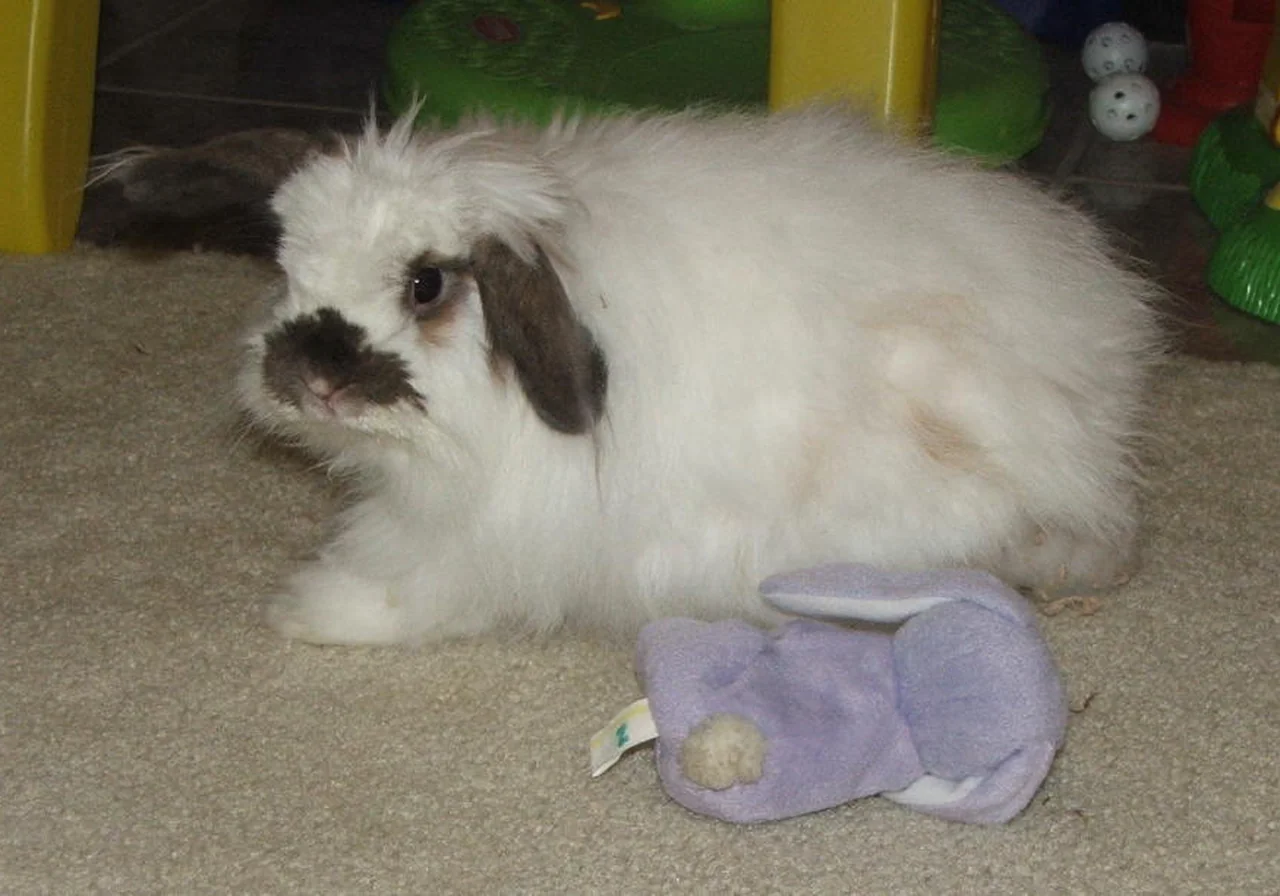
The American Fuzzy Lop combines lop ears with angora-type wool in a compact rabbit — essentially a woolly Holland Lop. Its defining trait is floppy ears and playful personality wrapped in a coat requiring regular grooming.

Size
Small (1.5–2 kg)
Lifespan
7–12 years
Temperament
Playful, lop-eared, woolly
Origin
United States

Coat & grooming — Wool coat similar to French Angora but shorter, with lop ears hanging beside the head. Colours include agouti, pointed white, self and broken patterns. Comb several times weekly to prevent mats, especially behind ears and under the chin where wool collects moisture.

Suits — Popular with families wanting a floppy-eared, fluffy rabbit with playful energy. American Fuzzy Lops suit indoor homes with grooming commitment and gentle handling. They enjoy toys and interaction but need wool block prevention through consistent coat care.

Health to watch for

  • Wool block — Ingested wool from grooming causes gastrointestinal obstruction in wool breeds.
  • Dental malocclusion — Lop and dwarf ancestry increases dental malocclusion risk.
  • Ear infections — Lop ears trap moisture and debris, predisposing to otitis externa. Head tilt may follow untreated infections.
Full American Fuzzy Lop guide
Tan — rabbit breed guide

10 / England

Tan

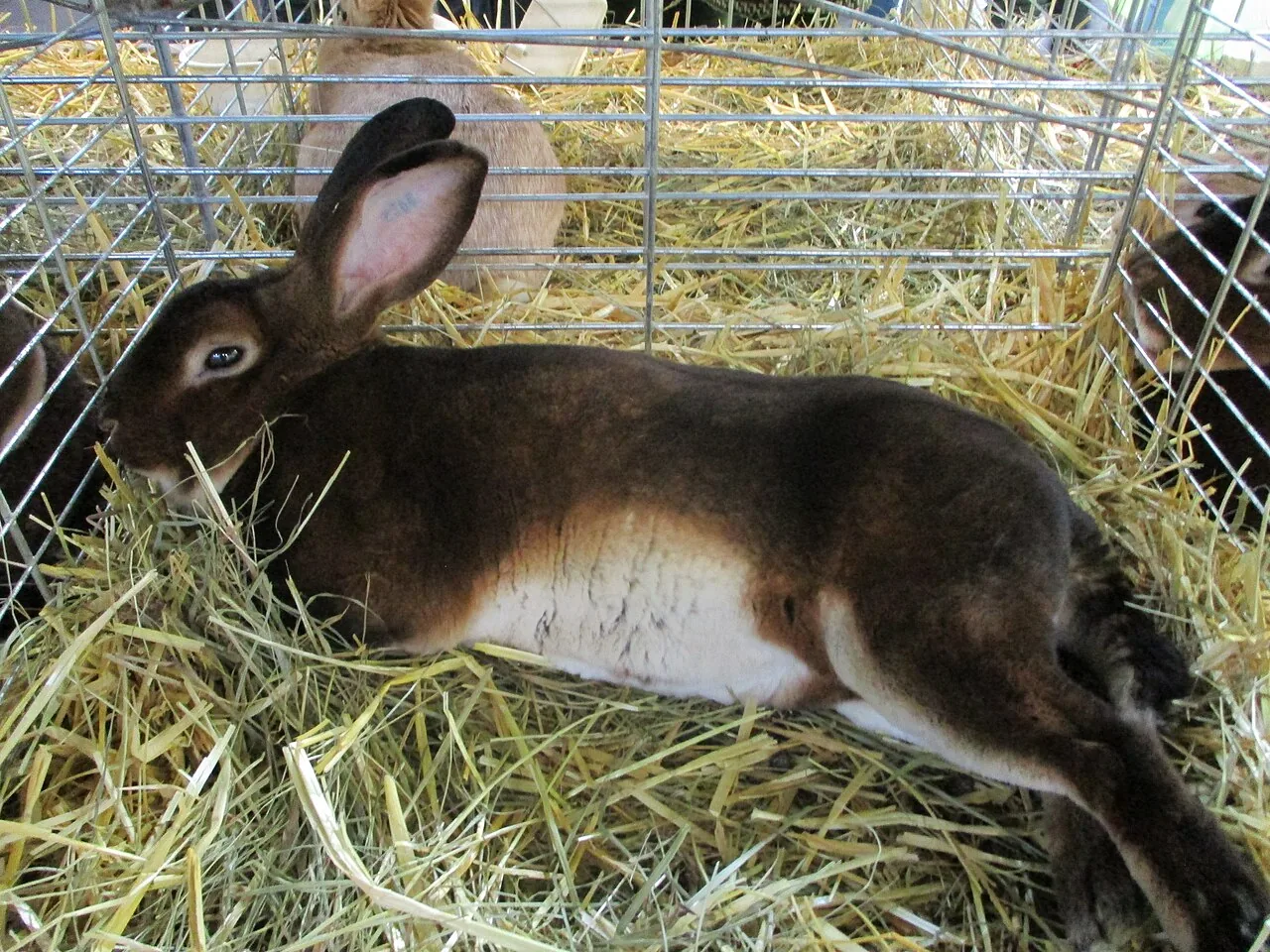
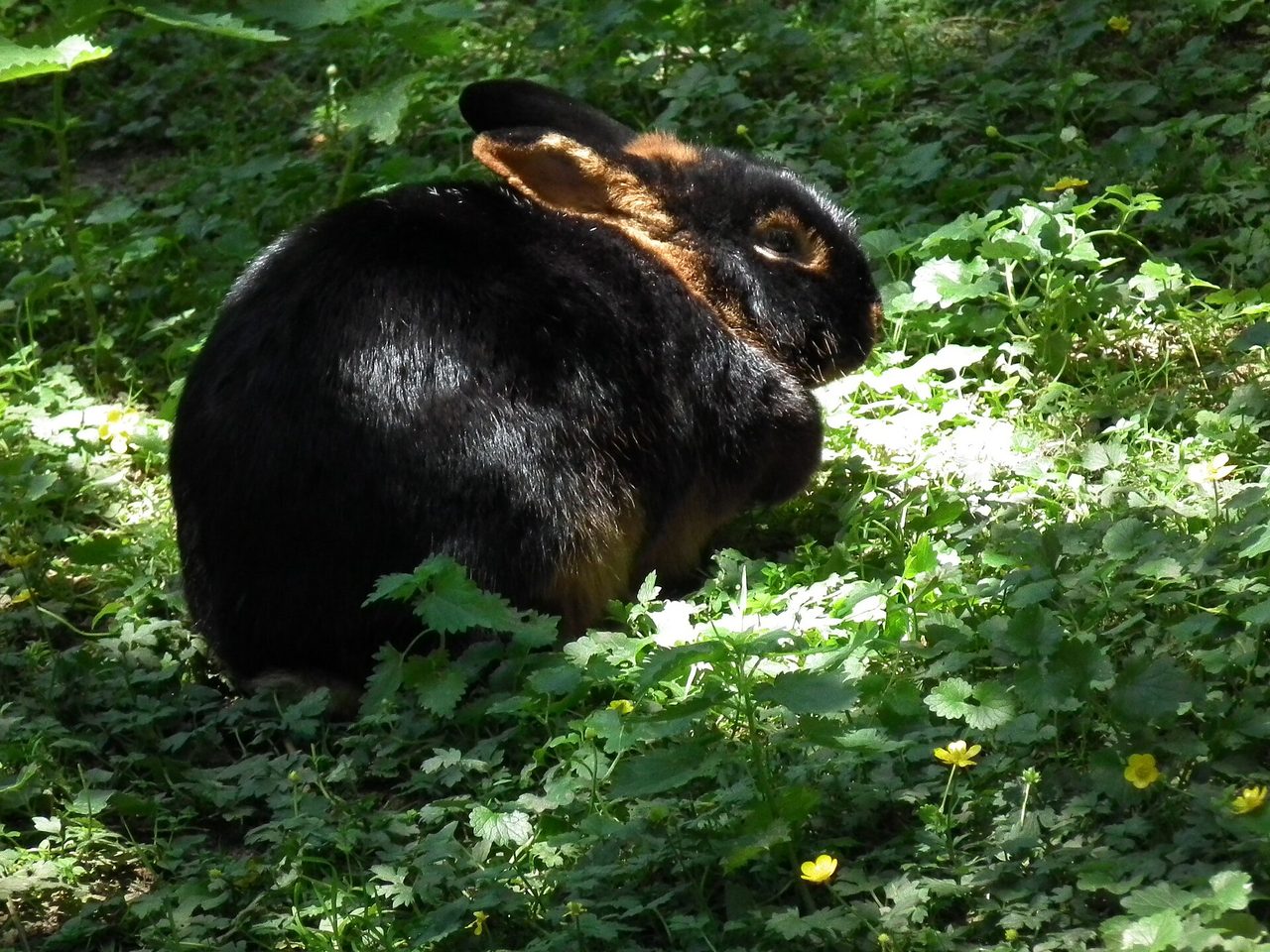
The Tan is a sleek British show breed with rich tan markings on a dark base coat and distinctive arched show pose. Its defining trait is fiery orange-tan patterning on an active, athletic rabbit built for the show table.

Size
Small (2–3 kg)
Lifespan
7–12 years
Temperament
Active, arched, sleek
Origin
England

Coat & grooming — Short, tight flyback fur in black, blue, chocolate or lilac base with sharply defined tan markings on muzzle, chest, inside legs and tail underside. The glossy coat needs minimal grooming — weekly brush and show preparation polishing. Marking edges must remain clean for exhibition.

Suits — Suits experienced rabbit enthusiasts appreciating an active, alert breed rather than a cuddly lap rabbit. Tans fit indoor homes with enrichment for running and jumping. They respond to patient handling but retain lively show-ring temperament.

Health to watch for

  • Dental malocclusion — Misaligned teeth cause overgrowth and eating difficulty in any breed without regular monitoring.
  • Gastrointestinal stasis — Stress or pain in active rabbits can halt gut motility within hours.
  • Obesity — Inactive show retirees gain weight quickly without exercise and rationed feeding.
Full Tan guide

Small and Dwarf Rabbit Breeds: frequently asked questions

What is the smallest rabbit breed?
The Netherland Dwarf, typically around 0.5 to 1.1kg, with the Polish close behind. Both were bred deliberately for compact size, which is also why both are prone to dental problems.
Do small rabbits need less space?
No. Space requirements are driven by exercise need rather than body size, and rabbits need room to run and to perform their full stretch and binky. Guidance in the UK recommends a minimum enclosure of around three square metres with permanent access to a run.
Are dwarf rabbits healthy?
They are prone to dental disease because selection for a small, flat face compresses the jaw and prevents the continuously growing teeth from wearing evenly. Buying from a breeder who selects for correct bite, and having teeth checked routinely, both help substantially.
Are lop-eared rabbits more prone to problems?
Yes. Lopped ears do not drain or ventilate as upright ears do, which raises the risk of ear infections and wax build-up, and research has linked lop conformation to increased dental and ear disease compared with upright-eared rabbits.

Before you go

The animals people take on, and then can't keep

Rabbits are among the most surrendered pets there are — usually bought small and appealing, then given up within a year once the reality of a decade-long, space-hungry, handling-averse animal sets in. The pattern is not unique to rabbits. It is the same pattern behind surrendered dogs, cats and exotic pets across every country WARN works in.

WARN funds partner-led rescue, veterinary care and the education work that stops the cycle earlier — helping people understand what an animal actually needs before they take it on, which is cheaper and kinder than rescuing it afterwards.