Rabbit breeds · Large and giant

Giant and Large Rabbit Breeds

The main giant rabbit breeds are the Flemish Giant and Checkered Giant, with the New Zealand and Silver Fox among the large breeds. Giant rabbits are typically calm and sociable, but they live noticeably shorter lives — often five to eight years — and need substantially more space, food and veterinary budget.

How this list was compiled

Breeds recorded as large or giant in the WARN rabbit guides. Ordered by popularity rank.

Giant rabbits have a deserved reputation for being placid. A Flemish Giant is often described as dog-like in temperament, and the calmness is real — a very large prey animal has less reason to be reactive than a very small one.

What gets underestimated is everything else. A giant rabbit eats a great deal of hay, needs an enclosure that a small hutch cannot approximate, and is heavy enough that being dropped or mishandled can break its back. They are also shorter-lived than small breeds, and prone to sore hocks, arthritis and heart problems associated with their size.

Giant and Large Rabbit Breeds at a glance

Breed Size Lifespan Temperament
Flemish Giant Giant (6–10 kg) 5–8 years Gentle, docile, laid-back
New Zealand Large (4–5.5 kg) 7–12 years Docile, hardy
Silver Fox Large (4–5.5 kg) 7–12 years Gentle, rare, striking coat
Checkered Giant Giant (5.5–7 kg) 5–8 years Active, athletic, marked

Giant and Large Rabbit Breeds: full profiles

Each entry covers what the breed was bred for, day-to-day needs, and health problems to watch — with a link to the full guide.

Flemish Giant — rabbit breed guide

01 / Belgium

Flemish Giant

The Flemish Giant is one of the largest rabbit breeds — a docile, imposing rabbit from Belgium that can exceed 7 kg. Its defining trait is gentle temperament in a massive frame, earning the nickname 'gentle giant' when properly socialised.

Size
Giant (6–10 kg)
Lifespan
5–8 years
Temperament
Gentle, docile, laid-back
Origin
Belgium

Coat & grooming — Short, glossy rollback fur in sandy, black, blue, fawn, light grey and steel colours. The dense coat needs weekly brushing and thorough checks during moults because large rabbits ingest substantial fur when grooming. Skin folds and dewlaps should stay clean and dry.

Suits — Suits experienced rabbit owners with space for a very large enclosure and floor exercise. Flemish Giants often tolerate handling well and can suit families with older children who understand gentle interaction. They need reinforced housing, soft flooring to protect feet and careful weight management throughout life.

Health to watch for

  • Sore hocks — Pressure sores on hind feet develop on wire floors or hard surfaces, especially in heavy rabbits. Bald patches and redness precede open ulcers.
  • Obesity — Giants are prone to dangerous weight gain that overloads joints and the heart. Difficulty grooming the hindquarters may follow.
  • Heart strain — Large body mass stresses the cardiovascular system, especially when overweight. Lethargy and reduced exercise tolerance may appear.
Full Flemish Giant guide
New Zealand — rabbit breed guide

02 / United States

New Zealand

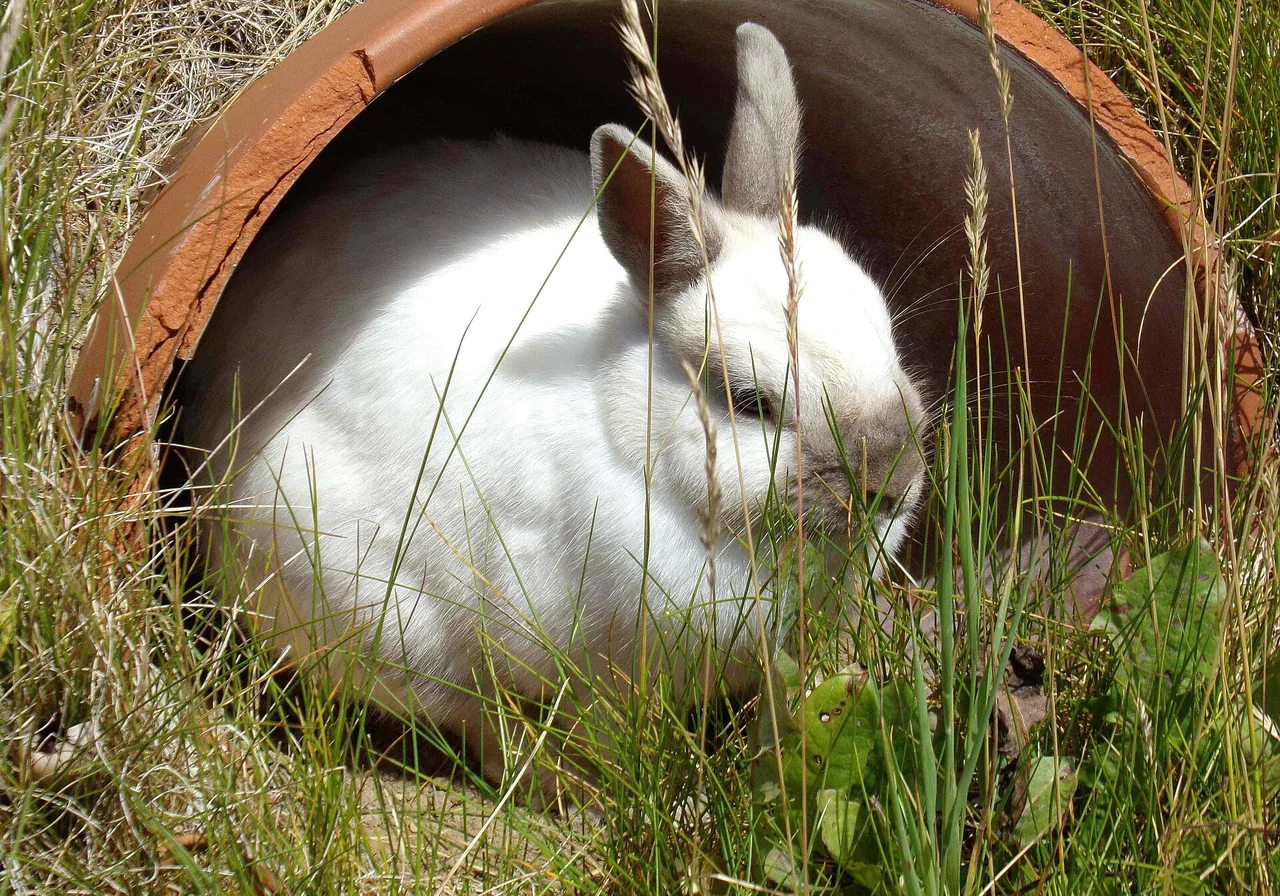
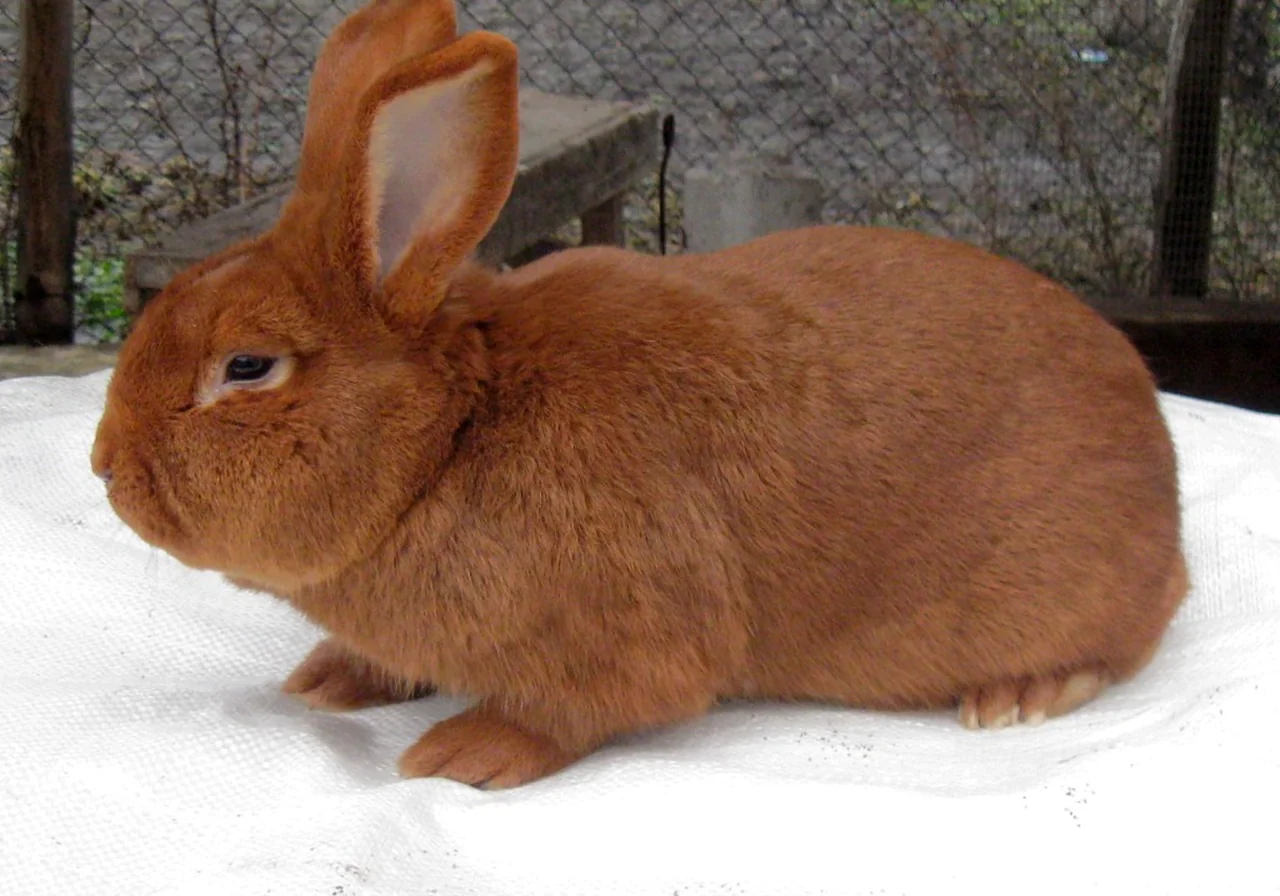
The New Zealand Rabbit is an American breed — not from New Zealand — bred in red or white varieties for meat, fur and laboratory use. Its defining trait is a docile, hardy commercial body type that also makes a steady companion when kept as a pet.

Size
Large (4–5.5 kg)
Lifespan
7–12 years
Temperament
Docile, hardy
Origin
United States

Coat & grooming — Short, flyback fur in white, red, black or broken patterns depending on variety. Grooming is straightforward: weekly brush, nail trims and moult management. White New Zealands show pink eyes as a breed characteristic in that variety.

Suits — Suitable for owners wanting a large, calm rabbit with straightforward coat care. New Zealands fit indoor homes with exercise space and tolerate handling when socialised from youth. They suit first-time rabbit owners who research proper diet and housing before committing.

Health to watch for

  • Obesity — Large commercial types become overweight easily on ad-lib pellets. Excess weight predisposes to joint and gut issues.
  • Dental malocclusion — Overgrown teeth cause drooling, selective eating and weight loss. Regular monitoring catches problems early.
  • Gastrointestinal stasis — Reduced gut movement is an emergency common in rabbits after stress, pain or low fibre intake.
Full New Zealand guide
Silver Fox — rabbit breed guide

03 / United States

Silver Fox

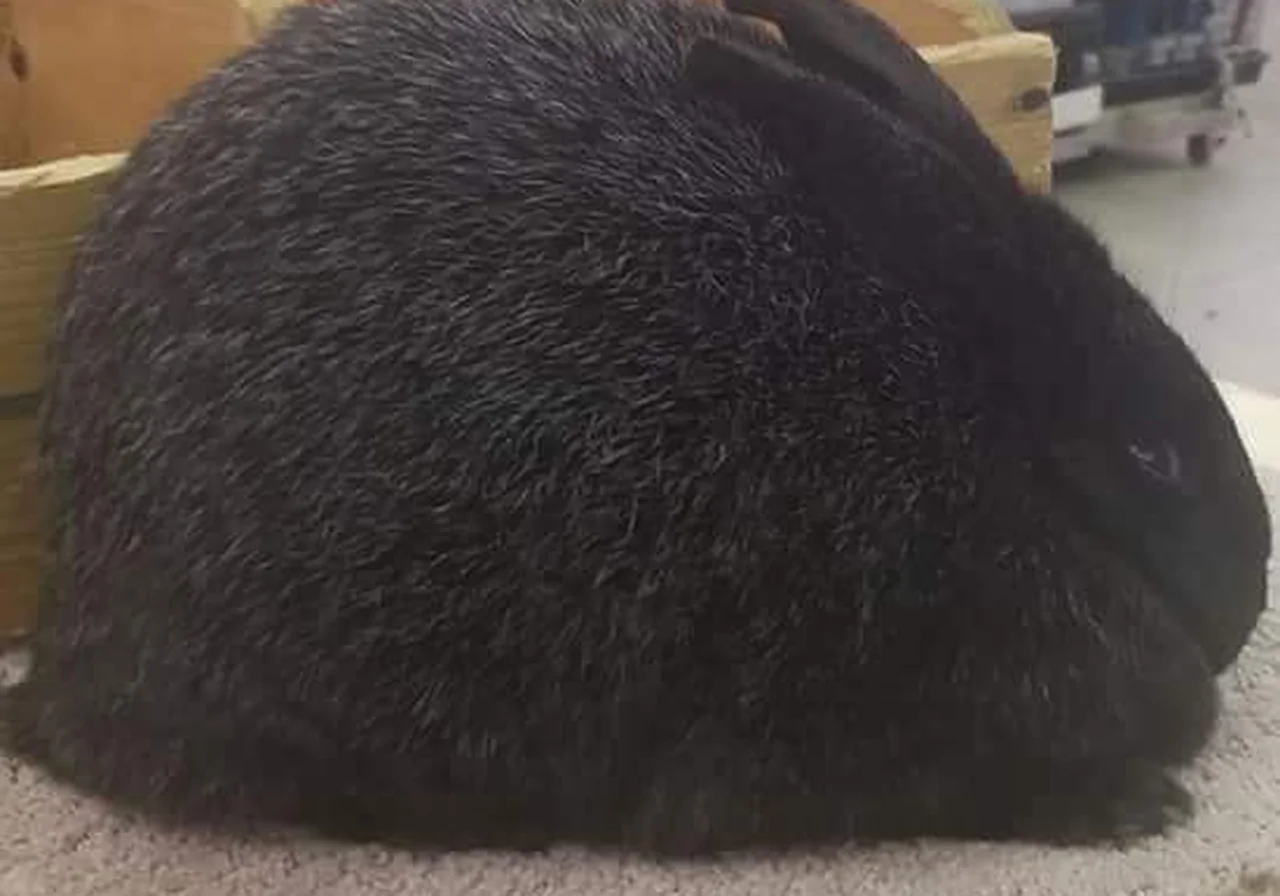
The Silver Fox is a rare American breed with long fur that stands upright when stroked forward — giving a silver-tipped, standing coat unique among rabbits. Its defining trait is striking pelage combined with a gentle, calm temperament.

Size
Large (4–5.5 kg)
Lifespan
7–12 years
Temperament
Gentle, rare, striking coat
Origin
United States

Coat & grooming — Medium-length fur with white or silver tipping on dark base hairs, creating a frosted appearance. When stroked from tail to head, fur stands erect — a breed hallmark. Groom weekly and thoroughly during moults to prevent fur block. Only black Silver Fox is recognised in current ARBA standards.

Suits — Ideal for owners seeking a large, calm rabbit with unusual coat character. Silver Fox rabbits suit indoor homes with soft flooring and owners who enjoy grooming. Their docile nature helps therapy and companion roles when socialised consistently.

Health to watch for

  • Obesity — Large, calm rabbits gain weight when diet and exercise are not managed, stressing joints and organs.
  • Dental malocclusion — Overgrown molars or incisors cause pain and reduced fibre intake.
  • Gastrointestinal stasis — Fur ingestion during moults plus low fibre intake increases obstruction risk.
Full Silver Fox guide
Checkered Giant — rabbit breed guide

04 / France/Germany

Checkered Giant

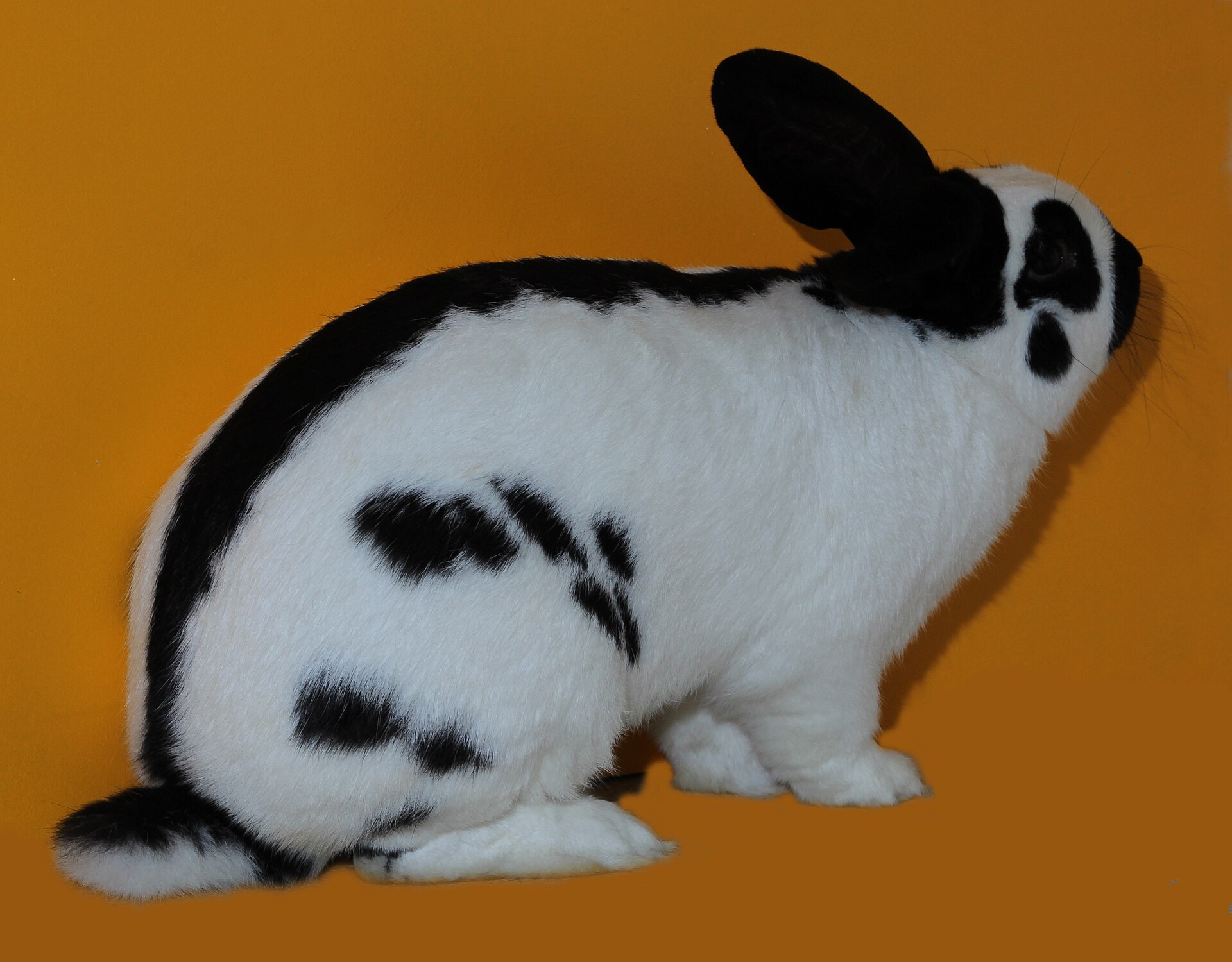
The Checkered Giant is a large marked breed with distinctive butterfly face markings and bold body patterns. Its defining trait is athletic size combined with precise colour patterning prized on European and American show tables.

Size
Giant (5.5–7 kg)
Lifespan
5–8 years
Temperament
Active, athletic, marked
Origin
France/Germany

Coat & grooming — Short, rollback fur with strict marking requirements: butterfly marking across the face, dark ears, spine stripe and side markings on white base. Weekly grooming maintains presentation; markings are genetic and judged precisely in show standards.

Suits — Suits experienced rabbit owners with space for an active, large rabbit. Checkered Giants need roomy floor pens, soft footing and owners appreciating an athletic rather than lap-rabbit temperament. They fit indoor homes with several hours daily exercise.

Health to watch for

  • Sore hocks — Heavy rabbits on inadequate flooring develop foot pad ulcers and infection risk.
  • Obesity — Large breeds gain weight without adequate exercise and portion control.
  • Gastrointestinal stasis — Pain from sore hocks or stress can precipitate life-threatening gut slowdown.
Full Checkered Giant guide

Giant and Large Rabbit Breeds: frequently asked questions

What is the biggest rabbit breed?
The Flemish Giant, which commonly reaches 6 to 10kg and can exceed that — comparable in weight to a small dog. The Checkered Giant and Continental Giant are the other very large breeds.
How long do giant rabbits live?
Often only five to eight years, noticeably shorter than the eight to twelve typical of smaller breeds. Large body size is associated with a shorter lifespan in rabbits as it is in dogs.
Are giant rabbits good pets?
They are generally calm and sociable, which makes them appealing. The practical demands are the issue: a great deal of space, a large hay and vegetable bill, and careful handling, since a rabbit that heavy can injure its spine if it struggles or is dropped.
What health problems do giant rabbits have?
Sore hocks from carrying their weight on hard flooring, arthritis, and heart problems. Their size also makes routine care harder — nail trimming, grooming and veterinary handling all take more effort than with a small rabbit.

Before you go

The animals people take on, and then can't keep

Rabbits are among the most surrendered pets there are — usually bought small and appealing, then given up within a year once the reality of a decade-long, space-hungry, handling-averse animal sets in. The pattern is not unique to rabbits. It is the same pattern behind surrendered dogs, cats and exotic pets across every country WARN works in.

WARN funds partner-led rescue, veterinary care and the education work that stops the cycle earlier — helping people understand what an animal actually needs before they take it on, which is cheaper and kinder than rescuing it afterwards.