Rabbit breeds · Ranked by popularity

Most Popular Rabbit Breeds

The most popular pet rabbit breeds are the Holland Lop, Netherland Dwarf, Lionhead, Mini Rex and Dutch. Popularity here tracks appearance far more than suitability — the smallest and flattest-faced breeds sell best, and several of them carry dental and eye problems as a direct result.

How this list was compiled

Ordered by our popularity rank across the 17 breeds covered in the WARN rabbit guides. Popularity is not a measure of health or suitability.

Rabbits are the third most commonly kept pet in the UK and among the most poorly understood. Popularity in this species is driven almost entirely by looks: small, round-faced, lop-eared rabbits sell fastest.

That matters more than it does in most animals, because the features being selected for cause problems. Flattened dwarf skulls crowd the teeth, and rabbit teeth grow continuously — misaligned teeth mean a lifetime of veterinary correction. Lopped ears drain poorly and are prone to infection. None of that makes these bad rabbits, but it should be in front of anyone choosing one.

Most Popular Rabbit Breeds at a glance

# Breed Size Lifespan Temperament
1 Holland Lop Small (1.4–1.8 kg) 7–12 years Friendly, curious, sometimes shy
2 Netherland Dwarf Small (0.9–1.2 kg) 7–10 years Energetic, bold, can be nippy if unsocialised
3 Lionhead Small (1.1–1.7 kg) 7–10 years Friendly, playful, confident
4 Mini Rex Small (1.4–2 kg) 7–12 years Calm, plush-coated, friendly
5 Flemish Giant Giant (6–10 kg) 5–8 years Gentle, docile, laid-back
6 English Angora Small (2–3.5 kg) 7–12 years Calm, wool-producing, needs grooming
7 French Angora Medium (3.5–5 kg) 7–12 years Gentle, wool breed
8 Californian Medium (3.5–5 kg) 7–12 years Calm, hardy, commercial type
9 New Zealand Large (4–5.5 kg) 7–12 years Docile, hardy
10 Dutch Small (1.5–2.5 kg) 7–12 years Active, friendly, marked
11 Harlequin Medium (2.5–4 kg) 7–12 years Active, curious, colourful
12 Silver Fox Large (4–5.5 kg) 7–12 years Gentle, rare, striking coat
13 Jersey Wooly Small (1–1.6 kg) 7–12 years Gentle, fluffy, pet-sized
14 Polish Small (0.9–1.6 kg) 7–12 years Active, fine-boned, showy
15 Checkered Giant Giant (5.5–7 kg) 5–8 years Active, athletic, marked
16 American Fuzzy Lop Small (1.5–2 kg) 7–12 years Playful, lop-eared, woolly
17 Tan Small (2–3 kg) 7–12 years Active, arched, sleek

Most Popular Rabbit Breeds: full profiles

Each entry covers what the breed was bred for, day-to-day needs, and health problems to watch — with a link to the full guide.

Holland Lop — rabbit breed guide

01 / Popularity rank 1

Holland Lop

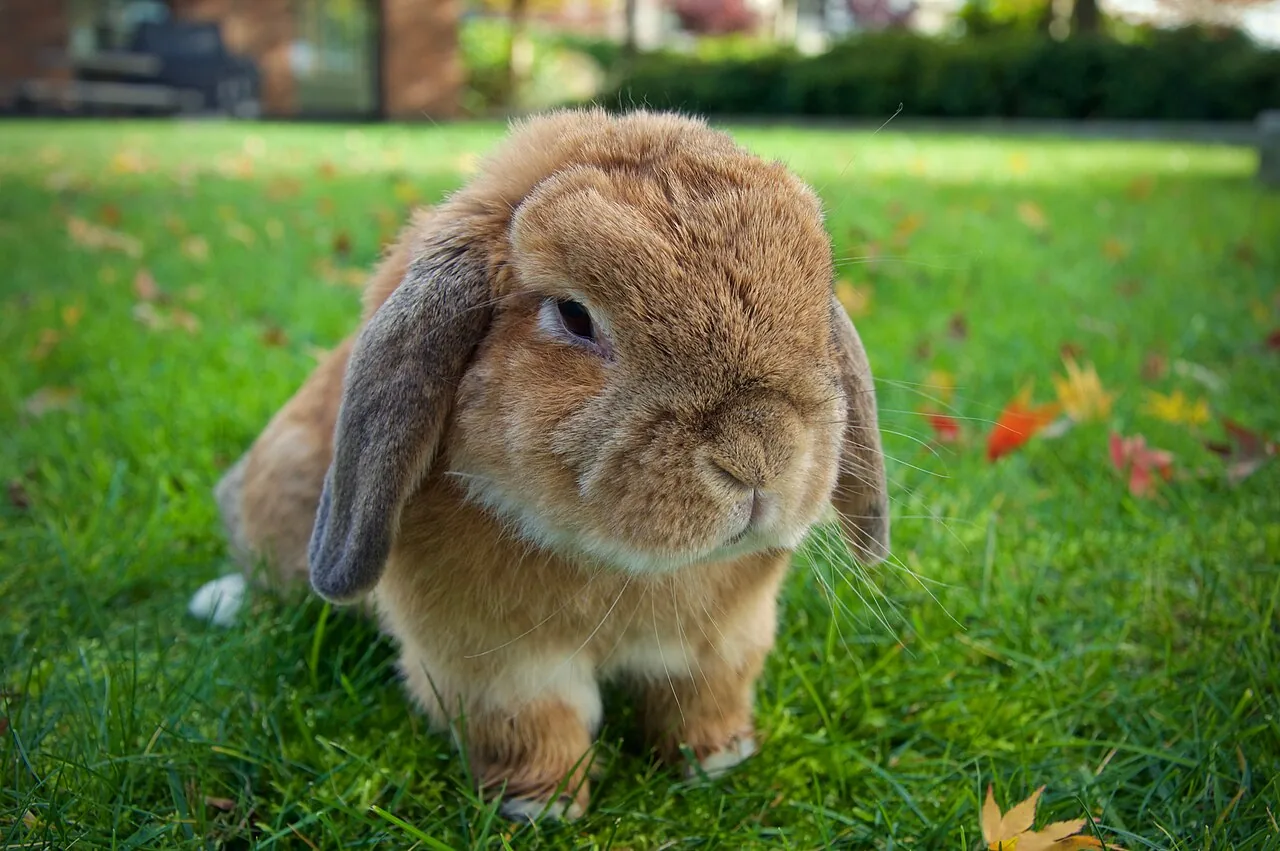
The Holland Lop is a small lop-eared rabbit breed from the Netherlands, prized as a pet for its compact size, floppy ears and affectionate temperament when well socialised.

Size
Small (1.4–1.8 kg)
Lifespan
7–12 years
Temperament
Friendly, curious, sometimes shy
Origin
Netherlands

Coat & grooming — Short, dense rollback fur in many colours and patterns

Suits — Indoor homes, gentle owners, pairs or bonded companions with slow introductions

Health to watch for

  • Dental malocclusion — Teeth grow continuously; misalignment causes drooling, weight loss or eye problems.
  • Gastrointestinal stasis — Slow gut motility is a life-threatening emergency causing reduced appetite and small droppings.
  • Ear infections — Lop ears trap moisture and debris, increasing infection risk.
Full Holland Lop guide
Netherland Dwarf — rabbit breed guide

02 / Popularity rank 2

Netherland Dwarf

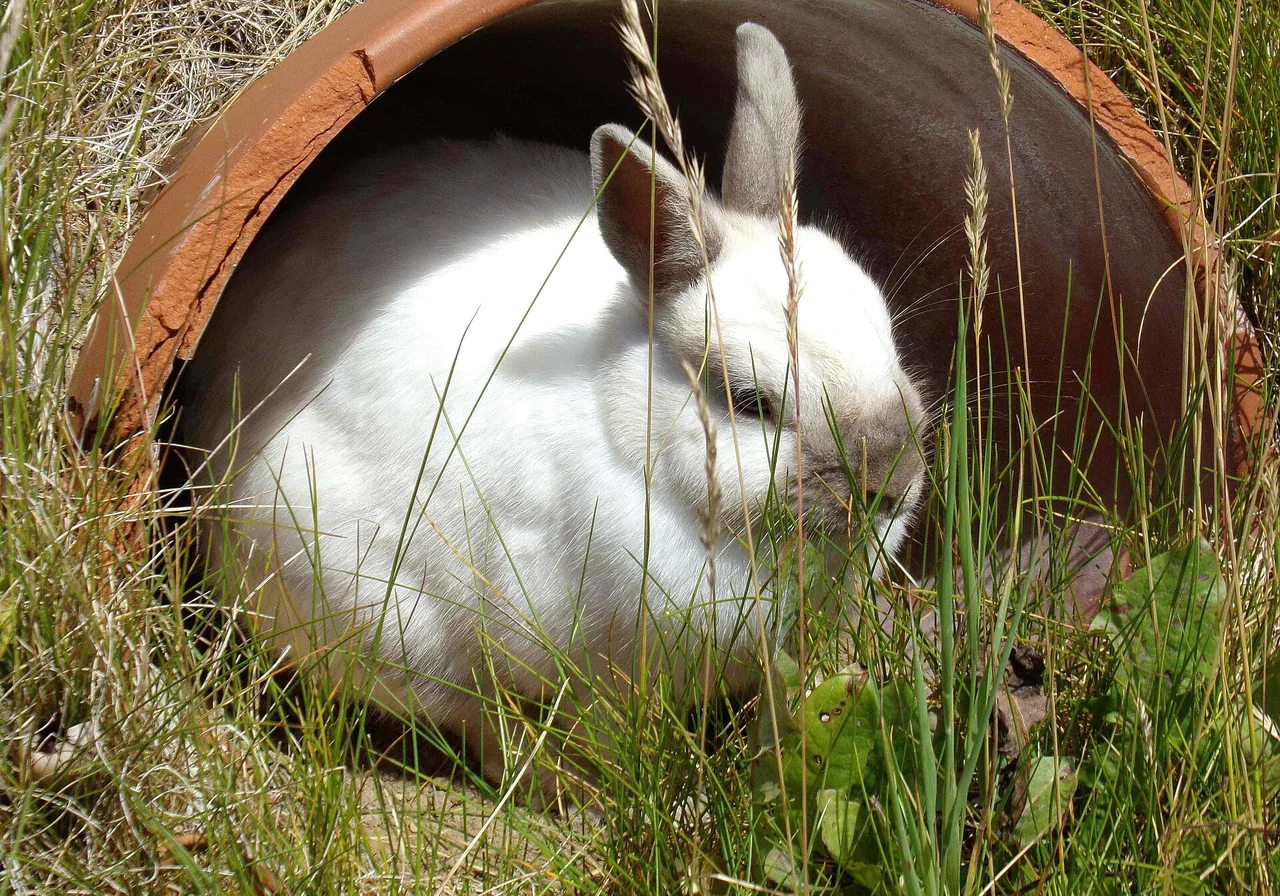
The Netherland Dwarf is one of the smallest rabbit breeds, with a compact body and large head. Popular as a pet, it needs gentle handling and careful socialisation because of its size and spirited nature.

Size
Small (0.9–1.2 kg)
Lifespan
7–10 years
Temperament
Energetic, bold, can be nippy if unsocialised
Origin
Netherlands

Coat & grooming — Short, soft fur in many colours including self, shaded and broken patterns

Suits — Quiet indoor homes, experienced handlers, supervised families

Health to watch for

  • Dental malocclusion — Common in dwarf breeds due to shortened skull shape.
  • Gastrointestinal stasis — Stress or pain can shut down the gut quickly in small rabbits.
  • Fragility injuries — Dropped or squeezed dwarfs suffer fractures more easily than larger breeds.
Full Netherland Dwarf guide
Lionhead — rabbit breed guide

03 / Popularity rank 3

Lionhead

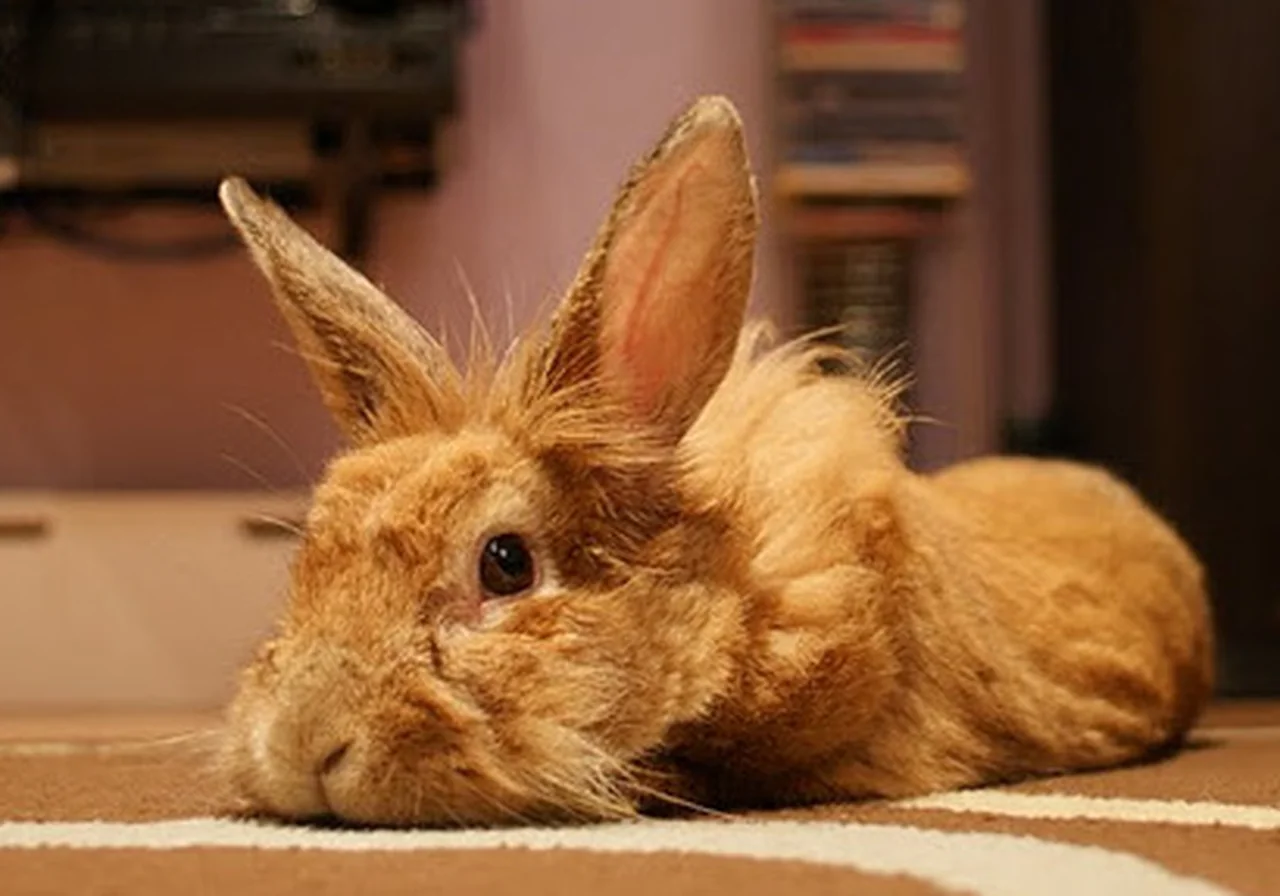
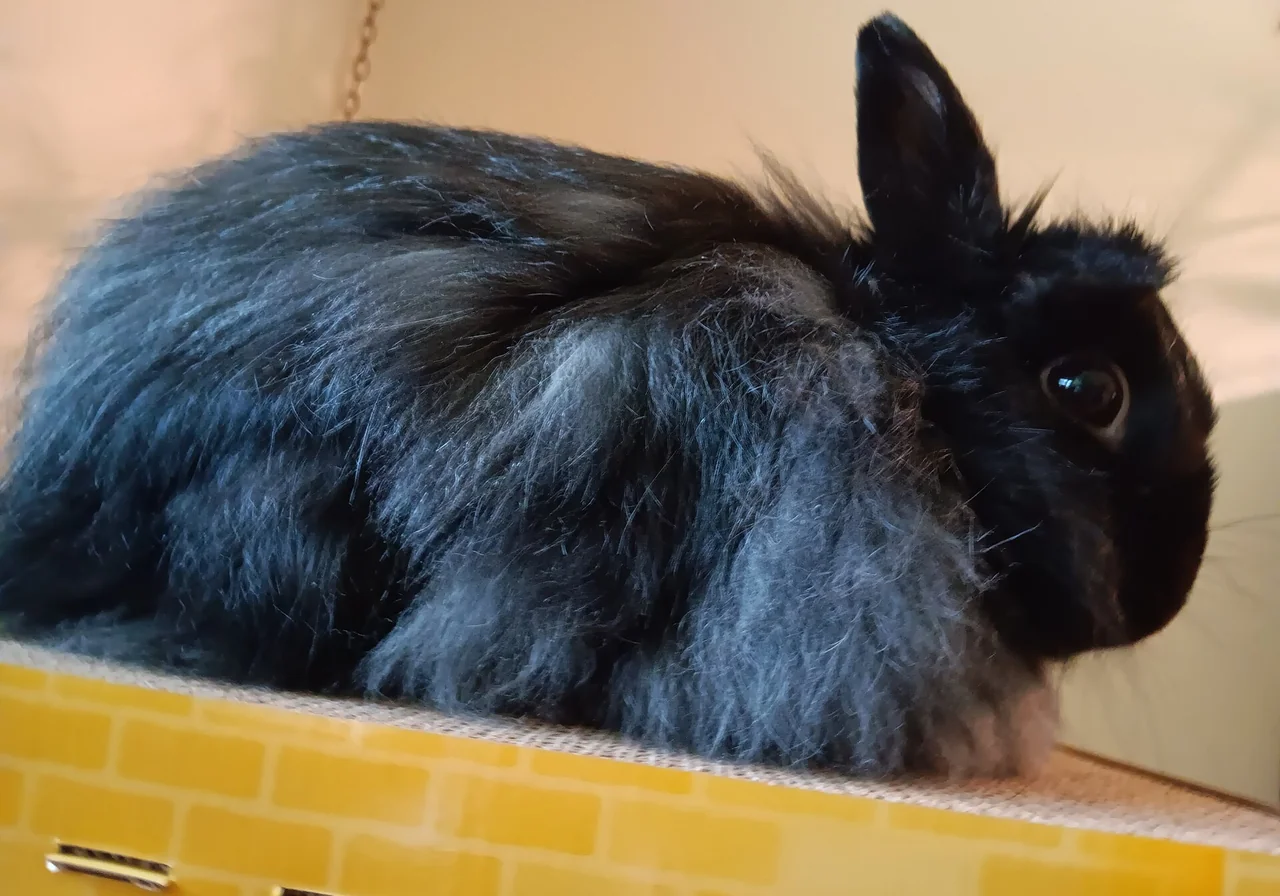
The Lionhead is a small rabbit breed distinguished by a wool mane around the head, like a lion's ruff. Developed in Europe, it is popular as a pet for its expressive face and outgoing temperament.

Size
Small (1.1–1.7 kg)
Lifespan
7–10 years
Temperament
Friendly, playful, confident
Origin
Belgium/France

Coat & grooming — Mane of wool around head; body coat short or slightly longer depending on type

Suits — Indoor pet homes, gentle grooming routines, attentive owners

Health to watch for

  • Wool block — Mane wool swallowed during grooming can slow or block the digestive tract.
  • Dental malocclusion — Small breeds are prone to tooth alignment problems.
  • Gastrointestinal stasis — Reduced gut movement presents as lethargy and no droppings.
Full Lionhead guide
Mini Rex — rabbit breed guide

04 / Popularity rank 4

Mini Rex

The Mini Rex is a small American rabbit breed famous for its plush, velvet-like rex fur that springs back when stroked. Its defining trait is an exceptionally soft, dense coat combined with a calm, friendly temperament that suits indoor companion homes.

Size
Small (1.4–2 kg)
Lifespan
7–12 years
Temperament
Calm, plush-coated, friendly
Origin
United States

Coat & grooming — Short rex fur with guard hairs the same length as undercoat, creating a springy, velvety texture in many colours including castor, black, blue and broken patterns. Grooming is minimal: weekly brushing and more during moults. Avoid over-bathing, which strips natural oils from rex coats.

Suits — Well suited to indoor homes with space for exercise, gentle handling and hay-based feeding. Mini Rex rabbits often tolerate petting when socialised early and pair well with neutered companions after careful bonding. They suit owners committed to litter training, daily enrichment and annual veterinary checks rather than hutch-only keeping.

Health to watch for

  • Dental malocclusion — Teeth grow continuously; misalignment causes overgrown incisors or molar spurs that pain chewing. Drooling and weight loss are warning signs.
  • Obesity — Small breeds gain weight quickly on excessive pellets or treats, stressing joints and the spine.
  • Gastrointestinal stasis — Slowed gut motility is life-threatening in rabbits, often triggered by stress, pain or low fibre intake. Reduced droppings and lethargy require urgent care.
Full Mini Rex guide
Flemish Giant — rabbit breed guide

05 / Popularity rank 5

Flemish Giant

The Flemish Giant is one of the largest rabbit breeds — a docile, imposing rabbit from Belgium that can exceed 7 kg. Its defining trait is gentle temperament in a massive frame, earning the nickname 'gentle giant' when properly socialised.

Size
Giant (6–10 kg)
Lifespan
5–8 years
Temperament
Gentle, docile, laid-back
Origin
Belgium

Coat & grooming — Short, glossy rollback fur in sandy, black, blue, fawn, light grey and steel colours. The dense coat needs weekly brushing and thorough checks during moults because large rabbits ingest substantial fur when grooming. Skin folds and dewlaps should stay clean and dry.

Suits — Suits experienced rabbit owners with space for a very large enclosure and floor exercise. Flemish Giants often tolerate handling well and can suit families with older children who understand gentle interaction. They need reinforced housing, soft flooring to protect feet and careful weight management throughout life.

Health to watch for

  • Sore hocks — Pressure sores on hind feet develop on wire floors or hard surfaces, especially in heavy rabbits. Bald patches and redness precede open ulcers.
  • Obesity — Giants are prone to dangerous weight gain that overloads joints and the heart. Difficulty grooming the hindquarters may follow.
  • Heart strain — Large body mass stresses the cardiovascular system, especially when overweight. Lethargy and reduced exercise tolerance may appear.
Full Flemish Giant guide
English Angora — rabbit breed guide

06 / Popularity rank 6

English Angora

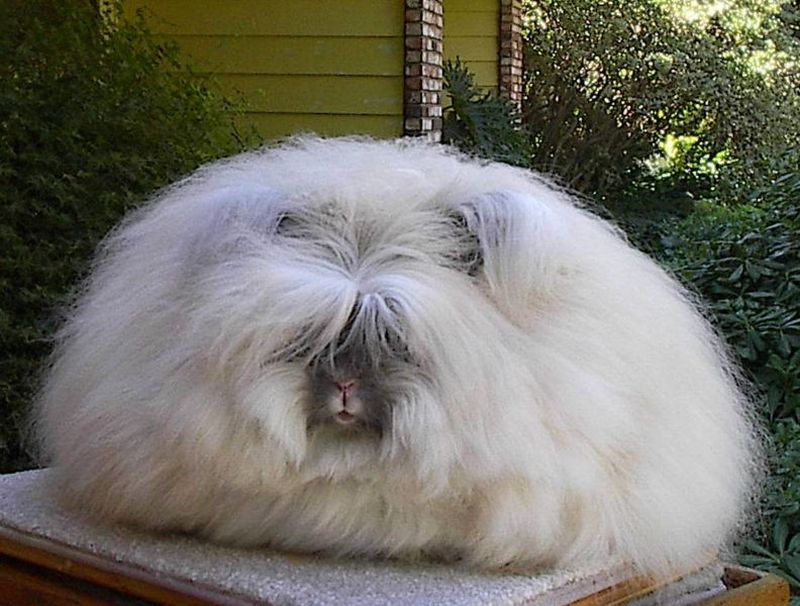
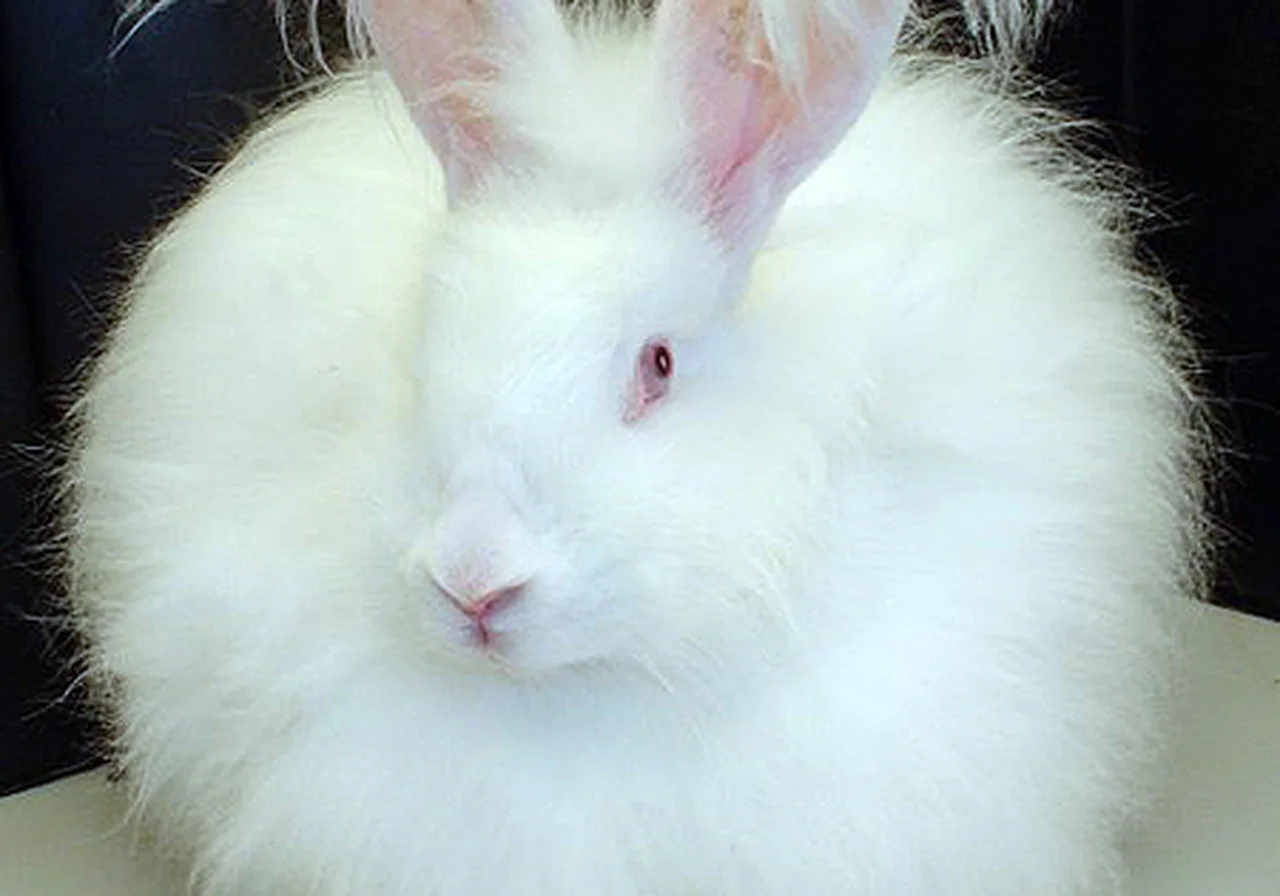
The English Angora is a wool breed from England producing long, silky fibre on a compact rabbit. Its defining trait is exceptionally dense wool covering face and ears — requiring dedicated daily grooming from committed owners.

Size
Small (2–3.5 kg)
Lifespan
7–12 years
Temperament
Calm, wool-producing, needs grooming
Origin
England

Coat & grooming — Long, fine wool with minimal guard hairs, covering the entire body including face furnishings and ear tufts ('furnishings'). Wool grows continuously and mats without daily combing. Harvest wool every three to four months by shearing or plucking during moult. Never allow wet, tangled coats to persist.

Suits — Best for dedicated owners who enjoy fibre arts and daily grooming routines. English Angoras suit calm indoor homes away from extreme heat. They need patient handling, cool ventilation in summer and owners willing to commit substantial time to coat care and wool block prevention.

Health to watch for

  • Wool block — Swallowed wool forms a gastrointestinal obstruction when grooming intake exceeds passage. Lethargy and anorexia follow.
  • Dental malocclusion — Continuous tooth growth with misalignment causes painful eating. Wool breeds may hide reduced intake behind dense facial fur.
  • Heat stress — Heavy wool coats cause overheating above roughly 24°C without cooling. Panting, lethargy and collapse can follow.
Full English Angora guide
French Angora — rabbit breed guide

07 / Popularity rank 7

French Angora

The French Angora is a medium-sized wool breed from France with dense body wool and a clean, groomed face. Its defining trait is commercial-quality fibre production with somewhat lower facial maintenance than the English type.

Size
Medium (3.5–5 kg)
Lifespan
7–12 years
Temperament
Gentle, wool breed
Origin
France

Coat & grooming — Dense wool on body with guard hairs giving texture; face and ears remain comparatively clean without heavy furnishings. Wool grows continuously and requires grooming several times weekly minimum, with shearing every three to four months. Colours include white, black, blue, chocolate and broken patterns.

Suits — Suits fibre enthusiasts and indoor owners committed to regular grooming schedules. French Angoras tolerate handling when accustomed early and fit homes with space for exercise and cool summer conditions. They are not low-maintenance pets despite the cleaner face compared with English Angoras.

Health to watch for

  • Wool block — Ingested wool obstructs the gut when grooming exceeds safe intake. Reduced droppings and appetite loss are emergencies.
  • Dental disease — Molar spurs and incisor overgrowth cause pain and reduced eating. Wool on the face may hide weight loss early.
  • Flystrike risk if soiled — Soiled wool attracts blowflies that lay eggs on skin, causing maggot infestation within hours in warm weather.
Full French Angora guide
Californian — rabbit breed guide

08 / Popularity rank 8

Californian

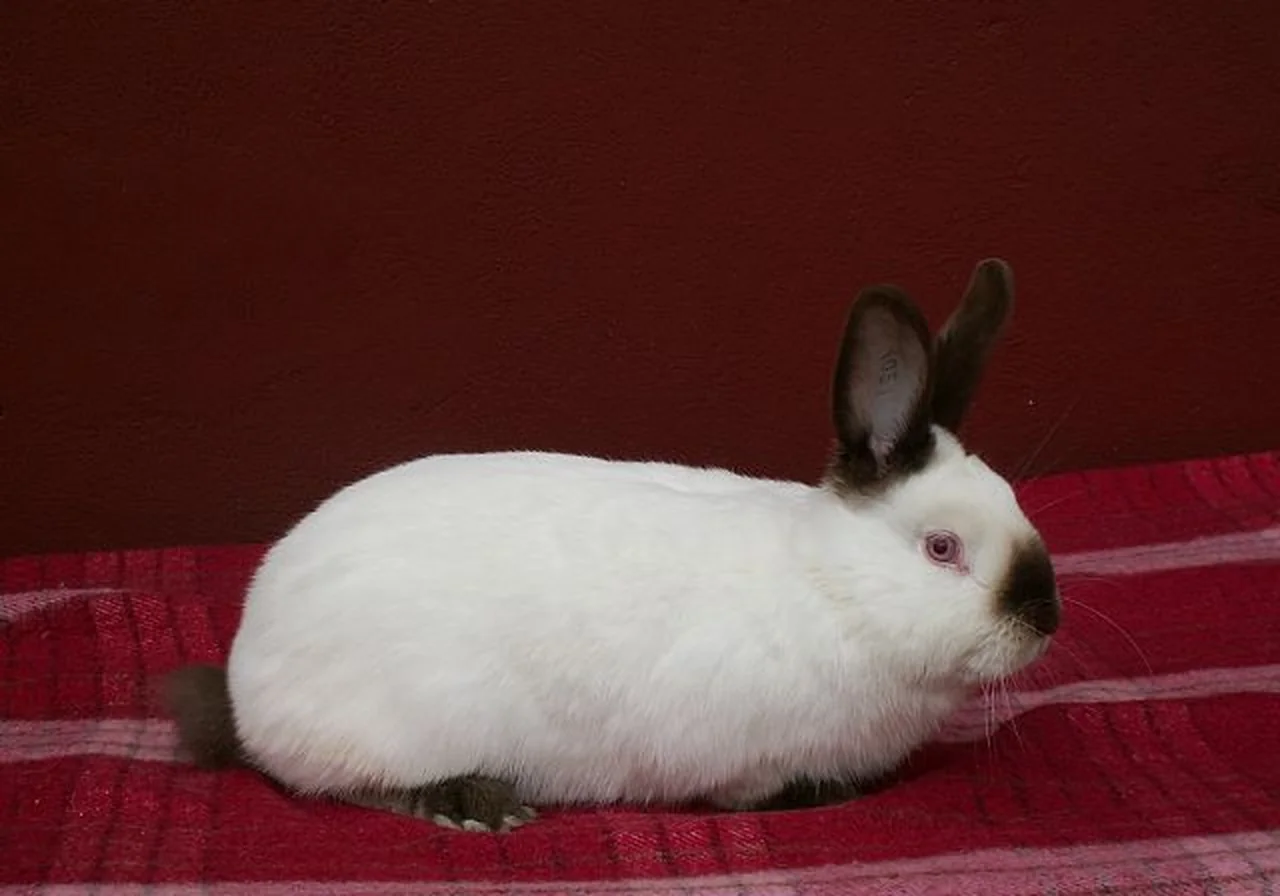
The Californian is an American meat and show breed with a white body and dark points on nose, ears, feet and tail. Its defining trait is a hardy, calm commercial-type rabbit that adapts well to structured indoor or outdoor housing with proper management.

Size
Medium (3.5–5 kg)
Lifespan
7–12 years
Temperament
Calm, hardy, commercial type
Origin
United States

Coat & grooming — Short, white rollback fur with dark Himalayan-style points in black or chocolate. The practical coat needs weekly brushing and more during moults. Point colour darkens in cooler environments because temperature affects pigment expression on extremities.

Suits — Suits owners wanting a calm, medium-sized rabbit for showing, breeding or companion keeping with adequate space. Californians tolerate handling when socialised and fit homes with good ventilation, soft flooring and measured feeding to prevent obesity.

Health to watch for

  • Sore hocks — Ulcerated foot pads develop on wire mesh or inadequate bedding, especially in heavier rabbits.
  • Respiratory issues in poor ventilation — Snuffles and pneumonia arise in dusty, ammonia-heavy environments. Sneezing and nasal discharge need prompt vet attention.
  • Obesity — Commercial-type rabbits gain weight rapidly on excess pellets. Joint and gut problems follow.
Full Californian guide
New Zealand — rabbit breed guide

09 / Popularity rank 9

New Zealand

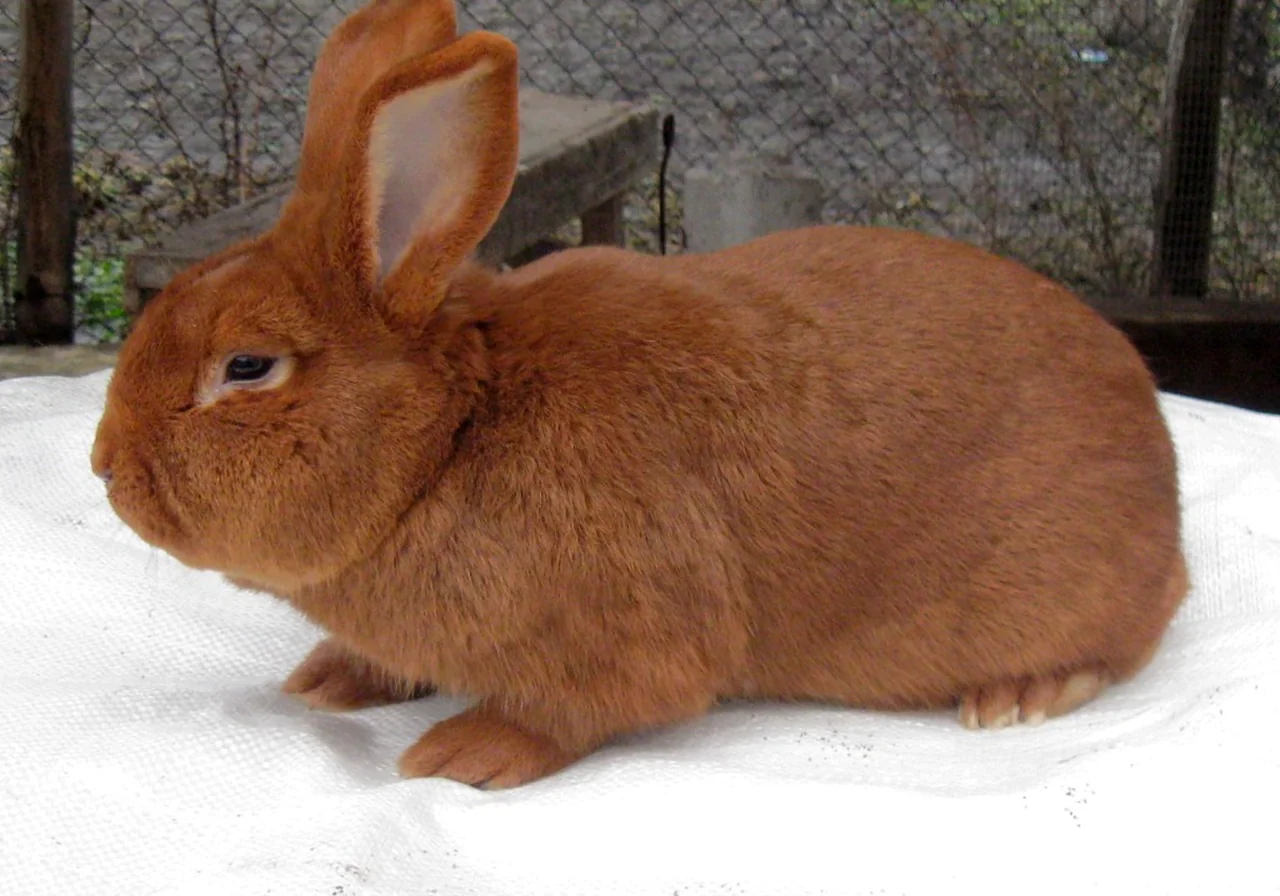
The New Zealand Rabbit is an American breed — not from New Zealand — bred in red or white varieties for meat, fur and laboratory use. Its defining trait is a docile, hardy commercial body type that also makes a steady companion when kept as a pet.

Size
Large (4–5.5 kg)
Lifespan
7–12 years
Temperament
Docile, hardy
Origin
United States

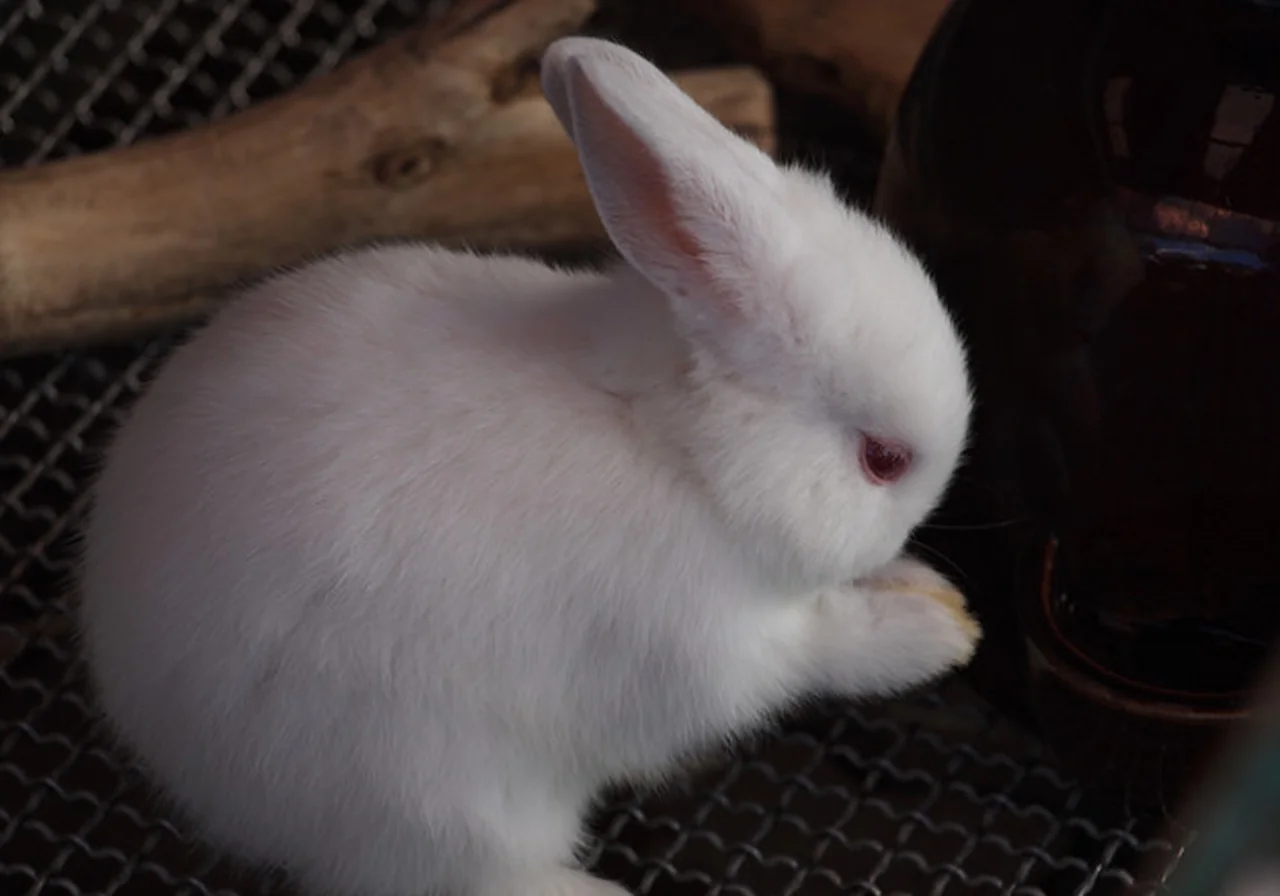
Coat & grooming — Short, flyback fur in white, red, black or broken patterns depending on variety. Grooming is straightforward: weekly brush, nail trims and moult management. White New Zealands show pink eyes as a breed characteristic in that variety.

Suits — Suitable for owners wanting a large, calm rabbit with straightforward coat care. New Zealands fit indoor homes with exercise space and tolerate handling when socialised from youth. They suit first-time rabbit owners who research proper diet and housing before committing.

Health to watch for

  • Obesity — Large commercial types become overweight easily on ad-lib pellets. Excess weight predisposes to joint and gut issues.
  • Dental malocclusion — Overgrown teeth cause drooling, selective eating and weight loss. Regular monitoring catches problems early.
  • Gastrointestinal stasis — Reduced gut movement is an emergency common in rabbits after stress, pain or low fibre intake.
Full New Zealand guide
Dutch — rabbit breed guide

10 / Popularity rank 10

Dutch

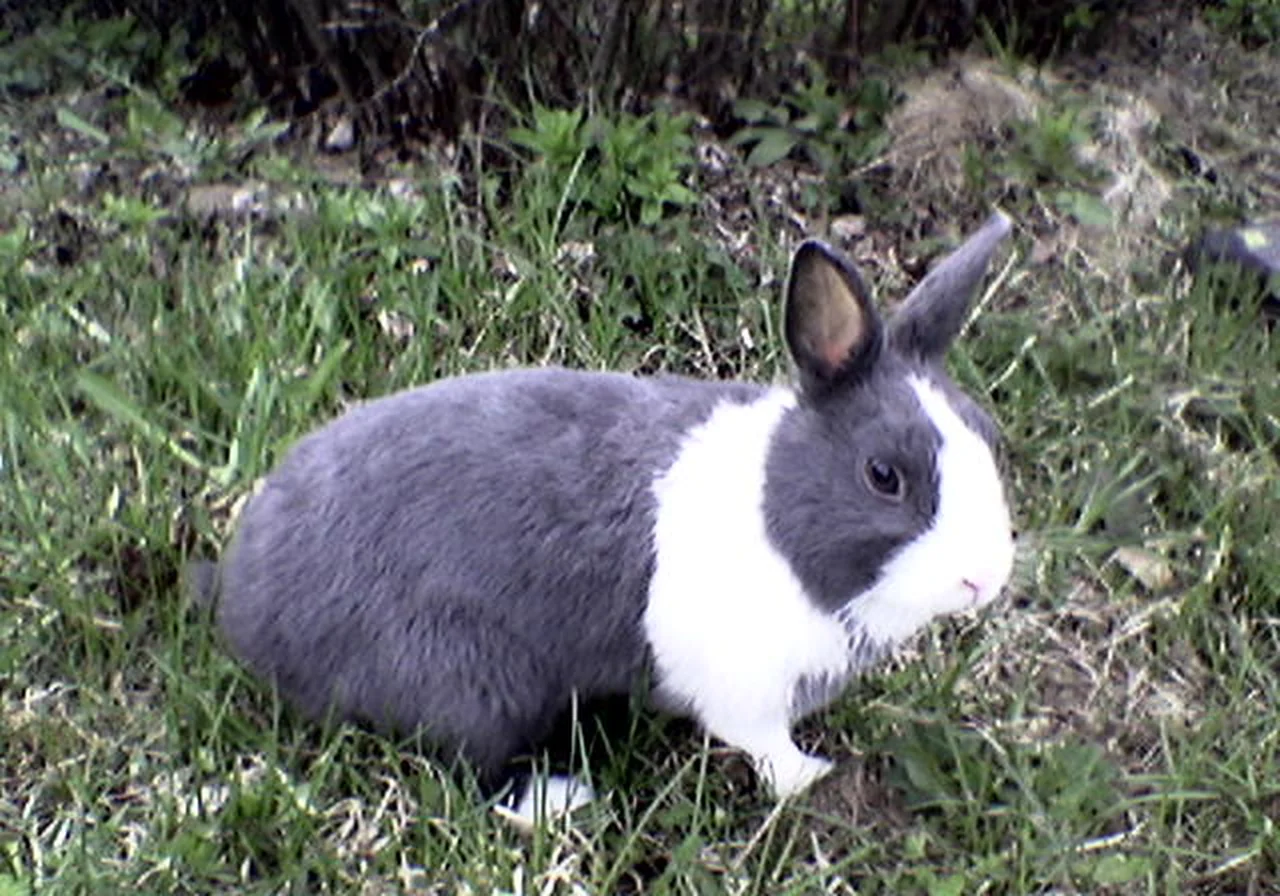
The Dutch is one of the oldest recognised rabbit breeds — a compact rabbit with distinctive white blaze, white collar and coloured saddle. Its defining trait is bold markings combined with an active, friendly temperament popular on show benches worldwide.

Size
Small (1.5–2.5 kg)
Lifespan
7–12 years
Temperament
Active, friendly, marked
Origin
Netherlands

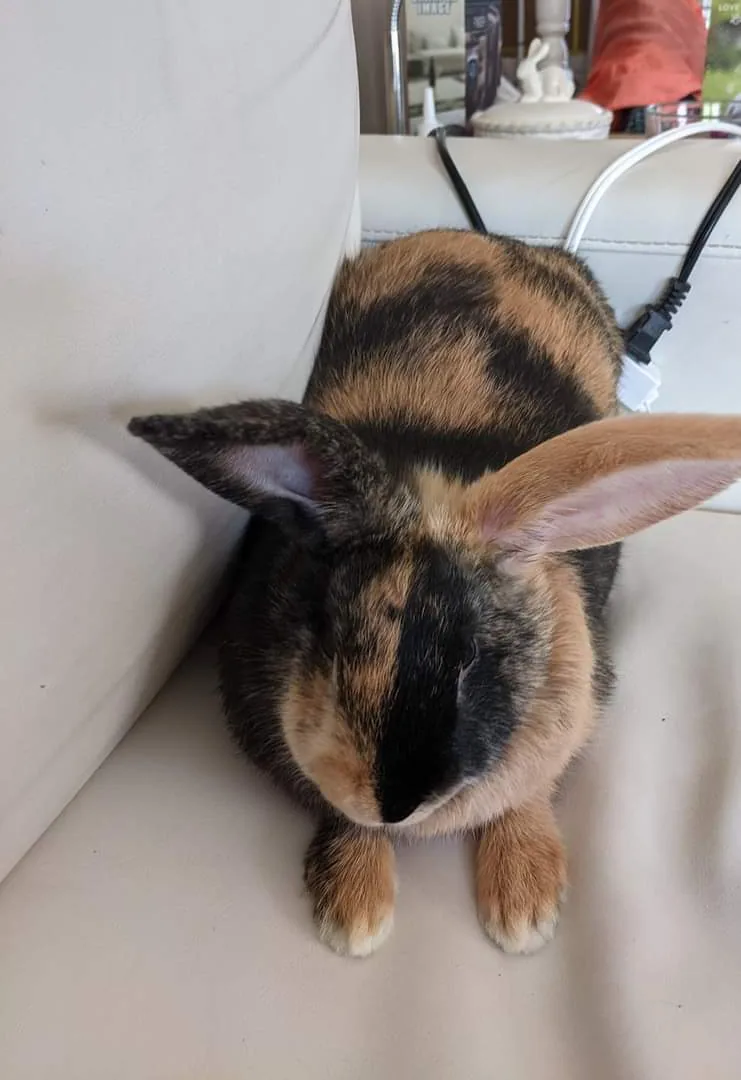
Coat & grooming — Short, glossy flyback fur with sharp colour demarcation between white and coloured sections. Accepted colours include black, blue, chocolate, grey and tortoiseshell. Weekly grooming maintains shine; markings are judged precisely in show standards.

Suits — Excellent for indoor companion homes with daily interaction and space to run. Dutch rabbits are active and curious, suiting owners who provide enrichment and gentle handling. They often enjoy human company and can bond with neutered partners when introduced carefully.

Health to watch for

  • Dental malocclusion — Misaligned teeth lead to overgrowth and painful spurs affecting eating and behaviour.
  • Obesity — Treats and excess pellets cause rapid weight gain in small breeds with limited calorie requirements.
  • Gastrointestinal stasis — Life-threatening gut slowdown presents with lethargy and reduced faecal output.
Full Dutch guide
Harlequin — rabbit breed guide

11 / Popularity rank 11

Harlequin

The Harlequin is a French breed prized for alternating bands of colour across the body — a living checkerboard on the show table. Its defining trait is bold, symmetrical markings paired with an active, engaging temperament.

Size
Medium (2.5–4 kg)
Lifespan
7–12 years
Temperament
Active, curious, colourful
Origin
France

Coat & grooming — Short coat divided into clearly defined colour sections — typically orange and another colour in Japanese type, or bands in Magpie type. Markings require no special grooming beyond weekly brushing, though show preparation emphasises clean, sharp colour edges.

Suits — Suits owners who appreciate an active, interactive rabbit with striking appearance. Harlequins need space to run, mental stimulation and consistent handling. They fit indoor homes with enrichment and suit families teaching children respectful rabbit interaction on the floor.

Health to watch for

  • Dental malocclusion — Continuous tooth growth with poor alignment causes eating difficulty and abscess risk.
  • Obesity — Inactive rabbits on high-calorie diets accumulate dangerous fat deposits.
  • Gastrointestinal stasis — Stress, dehydration or pain can halt gut motility within hours.
Full Harlequin guide
Silver Fox — rabbit breed guide

12 / Popularity rank 12

Silver Fox

The Silver Fox is a rare American breed with long fur that stands upright when stroked forward — giving a silver-tipped, standing coat unique among rabbits. Its defining trait is striking pelage combined with a gentle, calm temperament.

Size
Large (4–5.5 kg)
Lifespan
7–12 years
Temperament
Gentle, rare, striking coat
Origin
United States

Coat & grooming — Medium-length fur with white or silver tipping on dark base hairs, creating a frosted appearance. When stroked from tail to head, fur stands erect — a breed hallmark. Groom weekly and thoroughly during moults to prevent fur block. Only black Silver Fox is recognised in current ARBA standards.

Suits — Ideal for owners seeking a large, calm rabbit with unusual coat character. Silver Fox rabbits suit indoor homes with soft flooring and owners who enjoy grooming. Their docile nature helps therapy and companion roles when socialised consistently.

Health to watch for

  • Obesity — Large, calm rabbits gain weight when diet and exercise are not managed, stressing joints and organs.
  • Dental malocclusion — Overgrown molars or incisors cause pain and reduced fibre intake.
  • Gastrointestinal stasis — Fur ingestion during moults plus low fibre intake increases obstruction risk.
Full Silver Fox guide
Jersey Wooly — rabbit breed guide

13 / Popularity rank 13

Jersey Wooly

The Jersey Wooly is a dwarf wool breed from New Jersey — a small rabbit with a woolly coat and gentle temperament marketed as a 'no-kick' pet. Its defining trait is manageable size combined with angora-type wool requiring regular grooming.

Size
Small (1–1.6 kg)
Lifespan
7–12 years
Temperament
Gentle, fluffy, pet-sized
Origin
United States

Coat & grooming — Medium-length wool with softer texture than larger angora breeds, forming a mane-like frill around the head. Wool mats without weekly combing. Colours span agouti, broken, self and shaded varieties. Trim wool around the hindquarters if soiling occurs.

Suits — Popular with families wanting a small, fluffy indoor rabbit willing to sit quietly when handled gently. Jersey Woolies suit owners who accept grooming duties and provide calm environments. They are not appropriate for rough handling or homes unwilling to manage wool block risk.

Health to watch for

  • Wool block — Ingested wool obstructs digestion, especially when mats are licked free.
  • Dental malocclusion — Dwarf breeds face elevated dental issue risk from jaw conformation.
  • Obesity — Small wool rabbits gain weight easily on treats and excess pellets.
Full Jersey Wooly guide
Polish — rabbit breed guide

14 / Popularity rank 14

Polish

The Polish rabbit is a tiny British fancy breed — fine-boned with large eyes and upright ears despite its misleading name. Its defining trait is elegant, compact show type in one of the smallest recognised breeds.

Size
Small (0.9–1.6 kg)
Lifespan
7–12 years
Temperament
Active, fine-boned, showy
Origin
England

Coat & grooming — Short, fine flyback fur in black, blue, chocolate, white and broken patterns. The delicate coat needs gentle weekly grooming. White varieties may show ruby eyes. Fine bone structure requires careful handling to avoid fractures.

Suits — Best for adult owners or families with older children who understand fragile handling. Polish rabbits suit calm indoor homes with secure, low-level exercise areas. They are display rabbits and companions rather than rough children's pets.

Health to watch for

  • Dental malocclusion — Small jaws increase risk of tooth overgrowth and malocclusion in dwarf-type breeds.
  • Fragility in rough handling — Fine bones fracture easily from drops or squeezing. Spinal injuries occur when rabbits kick while improperly held.
  • Gastrointestinal stasis — Stress from handling or pain can trigger gut stasis rapidly in small rabbits.
Full Polish guide
Checkered Giant — rabbit breed guide

15 / Popularity rank 15

Checkered Giant

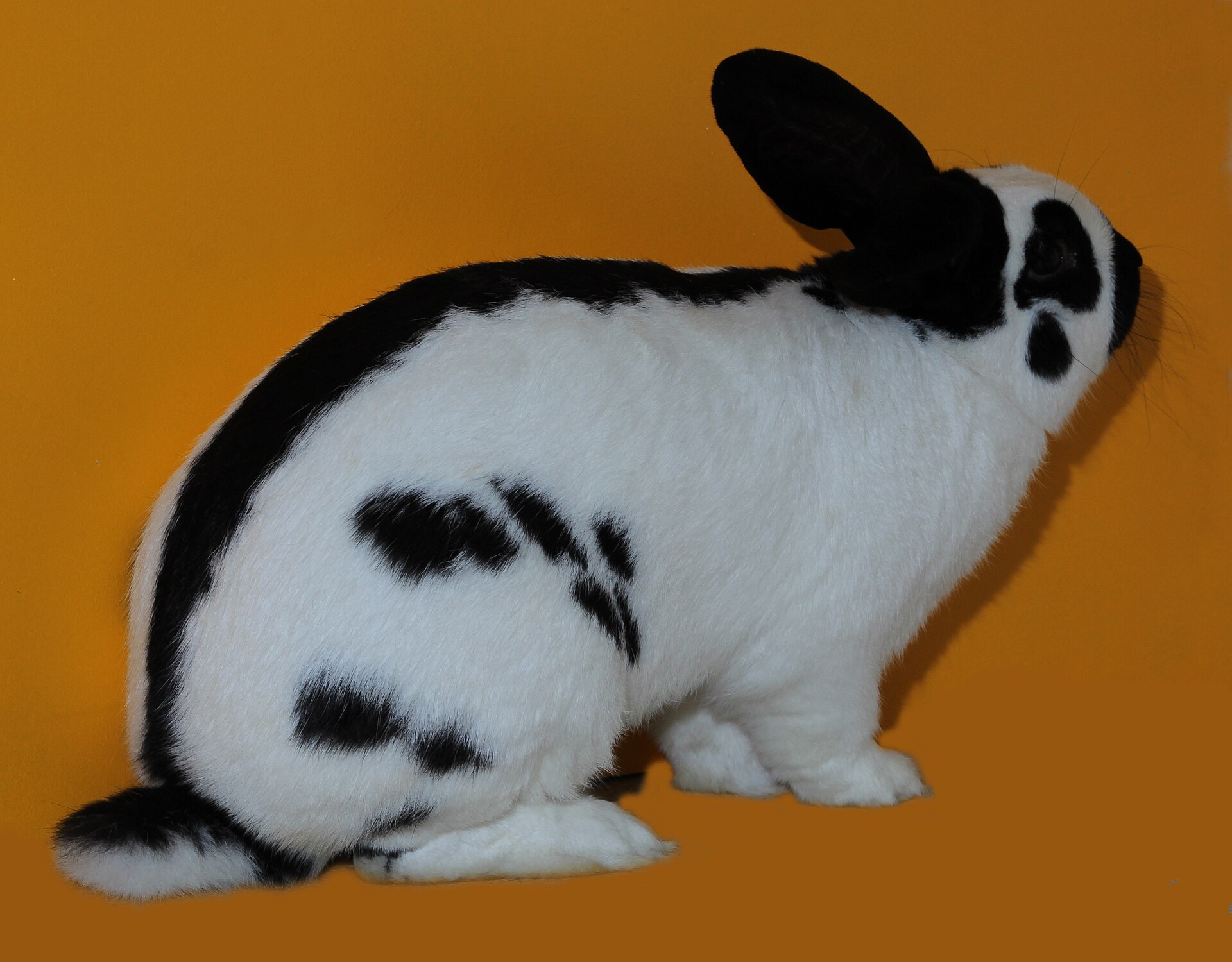
The Checkered Giant is a large marked breed with distinctive butterfly face markings and bold body patterns. Its defining trait is athletic size combined with precise colour patterning prized on European and American show tables.

Size
Giant (5.5–7 kg)
Lifespan
5–8 years
Temperament
Active, athletic, marked
Origin
France/Germany

Coat & grooming — Short, rollback fur with strict marking requirements: butterfly marking across the face, dark ears, spine stripe and side markings on white base. Weekly grooming maintains presentation; markings are genetic and judged precisely in show standards.

Suits — Suits experienced rabbit owners with space for an active, large rabbit. Checkered Giants need roomy floor pens, soft footing and owners appreciating an athletic rather than lap-rabbit temperament. They fit indoor homes with several hours daily exercise.

Health to watch for

  • Sore hocks — Heavy rabbits on inadequate flooring develop foot pad ulcers and infection risk.
  • Obesity — Large breeds gain weight without adequate exercise and portion control.
  • Gastrointestinal stasis — Pain from sore hocks or stress can precipitate life-threatening gut slowdown.
Full Checkered Giant guide
American Fuzzy Lop — rabbit breed guide

16 / Popularity rank 16

American Fuzzy Lop

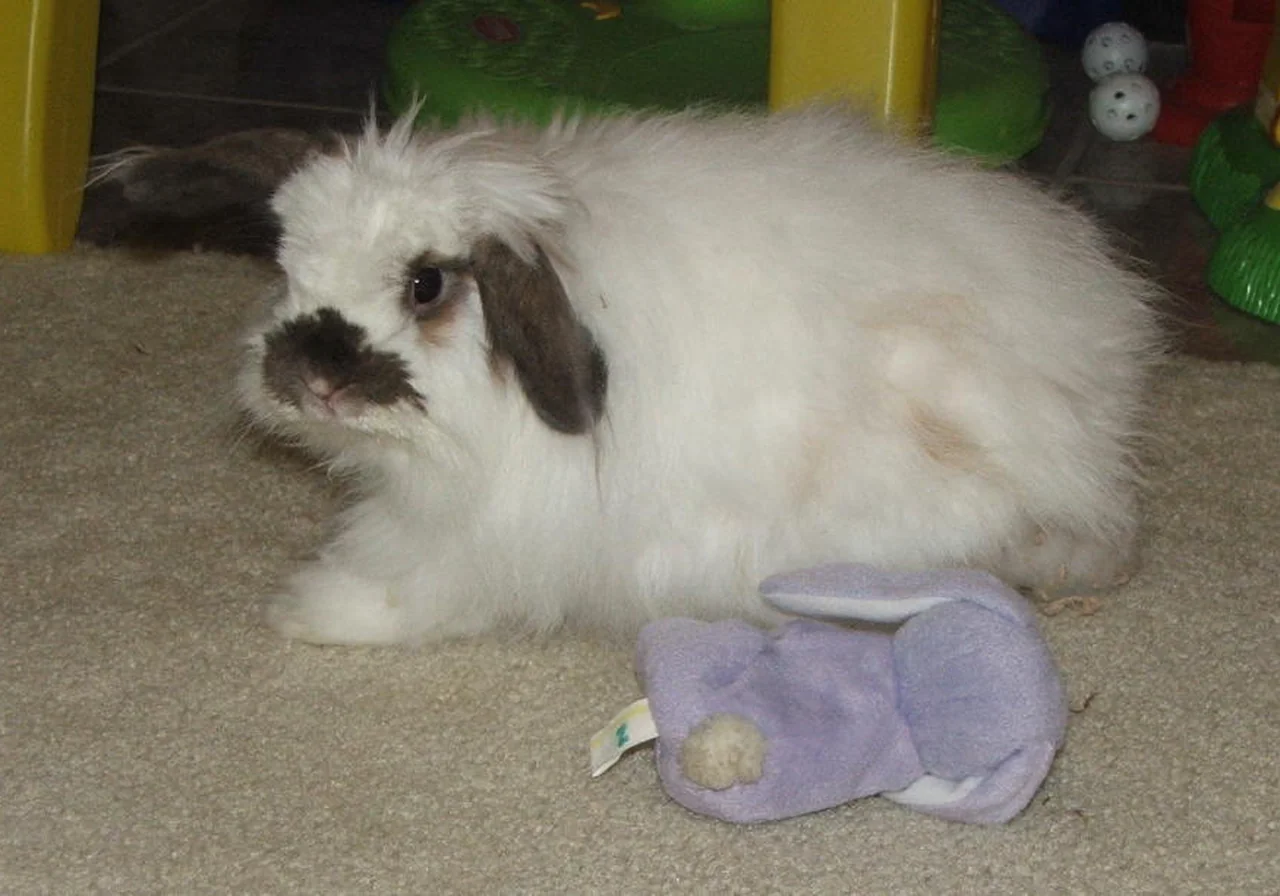
The American Fuzzy Lop combines lop ears with angora-type wool in a compact rabbit — essentially a woolly Holland Lop. Its defining trait is floppy ears and playful personality wrapped in a coat requiring regular grooming.

Size
Small (1.5–2 kg)
Lifespan
7–12 years
Temperament
Playful, lop-eared, woolly
Origin
United States

Coat & grooming — Wool coat similar to French Angora but shorter, with lop ears hanging beside the head. Colours include agouti, pointed white, self and broken patterns. Comb several times weekly to prevent mats, especially behind ears and under the chin where wool collects moisture.

Suits — Popular with families wanting a floppy-eared, fluffy rabbit with playful energy. American Fuzzy Lops suit indoor homes with grooming commitment and gentle handling. They enjoy toys and interaction but need wool block prevention through consistent coat care.

Health to watch for

  • Wool block — Ingested wool from grooming causes gastrointestinal obstruction in wool breeds.
  • Dental malocclusion — Lop and dwarf ancestry increases dental malocclusion risk.
  • Ear infections — Lop ears trap moisture and debris, predisposing to otitis externa. Head tilt may follow untreated infections.
Full American Fuzzy Lop guide
Tan — rabbit breed guide

17 / Popularity rank 17

Tan

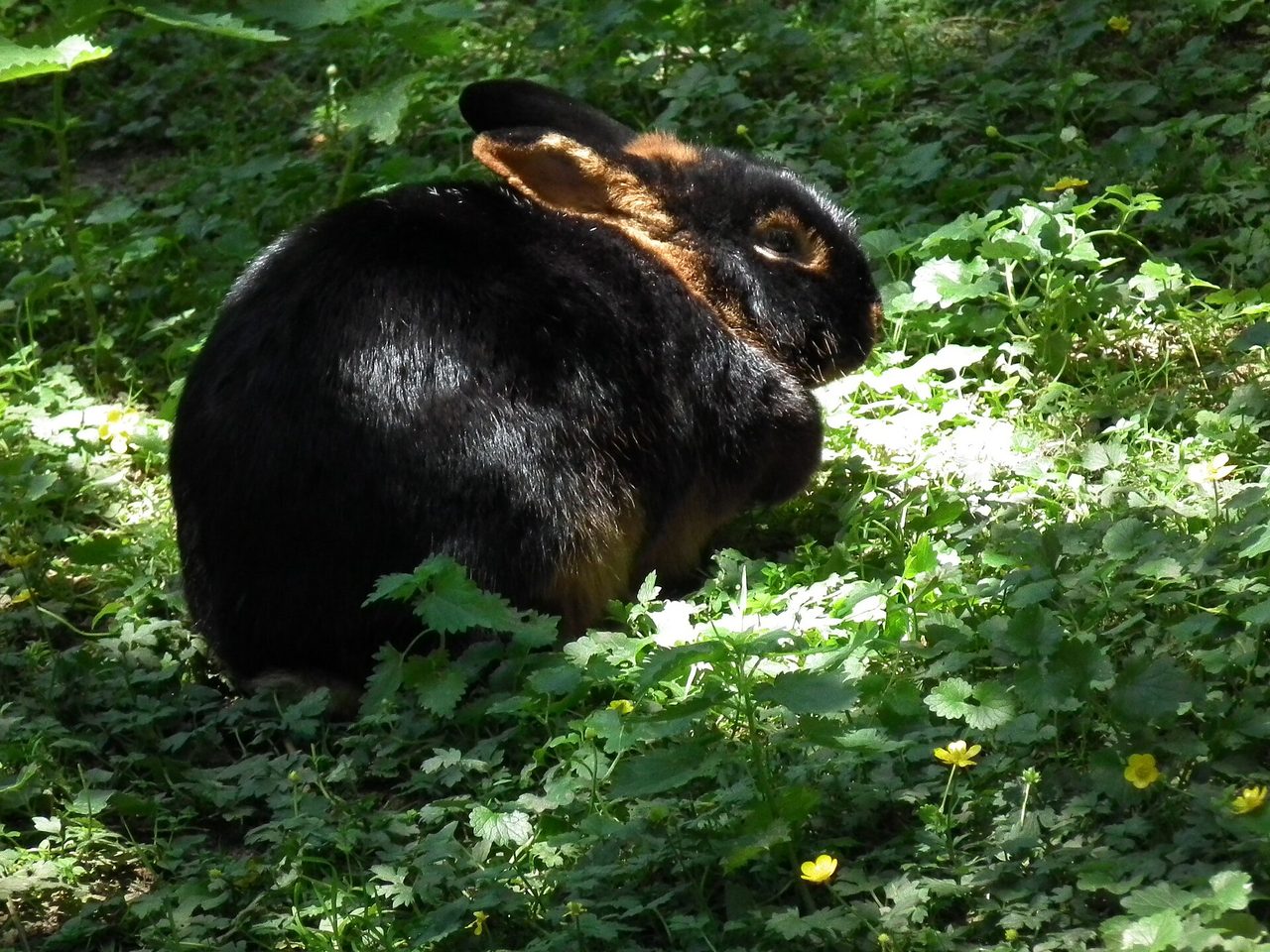
The Tan is a sleek British show breed with rich tan markings on a dark base coat and distinctive arched show pose. Its defining trait is fiery orange-tan patterning on an active, athletic rabbit built for the show table.

Size
Small (2–3 kg)
Lifespan
7–12 years
Temperament
Active, arched, sleek
Origin
England

Coat & grooming — Short, tight flyback fur in black, blue, chocolate or lilac base with sharply defined tan markings on muzzle, chest, inside legs and tail underside. The glossy coat needs minimal grooming — weekly brush and show preparation polishing. Marking edges must remain clean for exhibition.

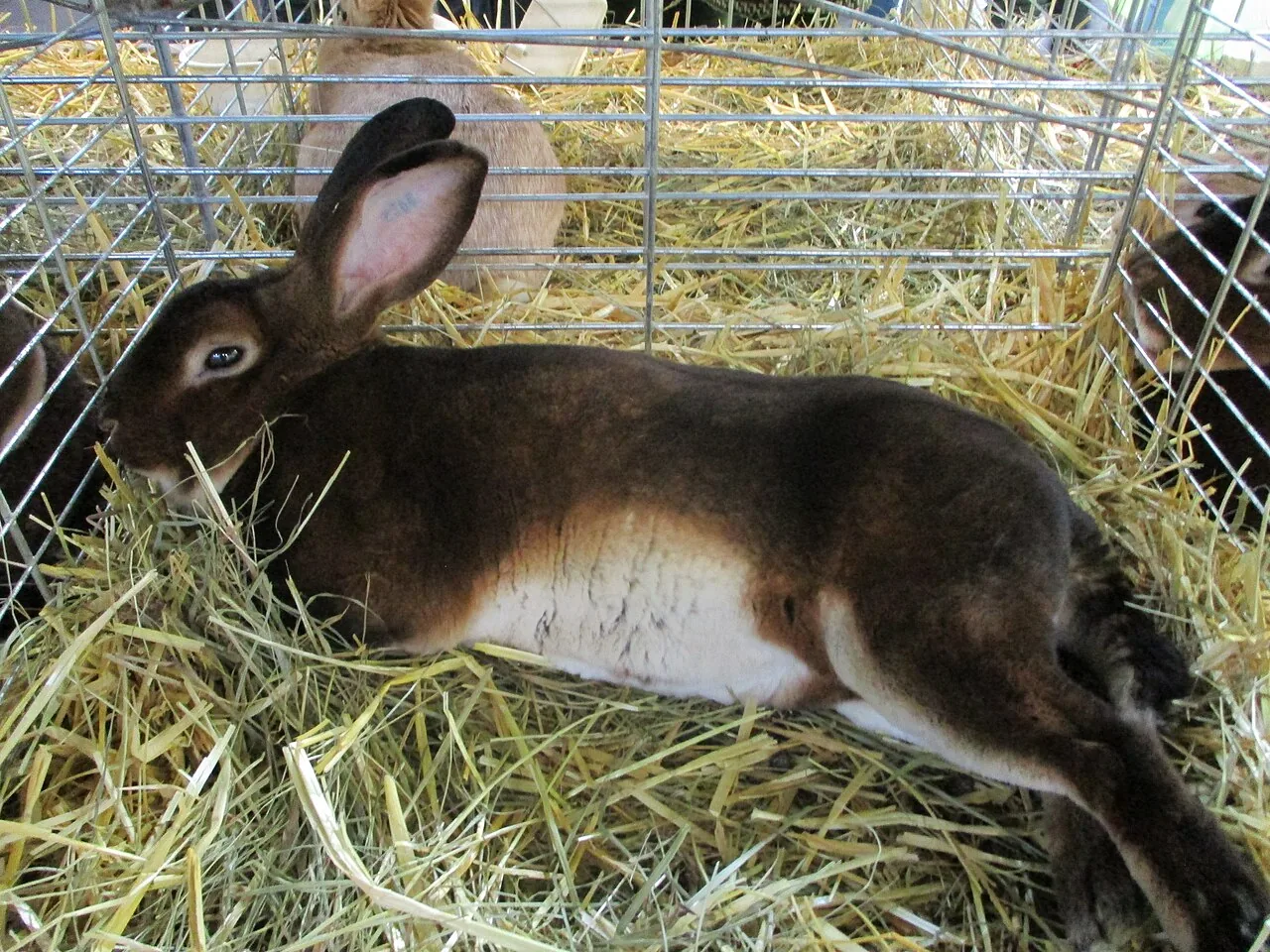
Suits — Suits experienced rabbit enthusiasts appreciating an active, alert breed rather than a cuddly lap rabbit. Tans fit indoor homes with enrichment for running and jumping. They respond to patient handling but retain lively show-ring temperament.

Health to watch for

  • Dental malocclusion — Misaligned teeth cause overgrowth and eating difficulty in any breed without regular monitoring.
  • Gastrointestinal stasis — Stress or pain in active rabbits can halt gut motility within hours.
  • Obesity — Inactive show retirees gain weight quickly without exercise and rationed feeding.
Full Tan guide

Most Popular Rabbit Breeds: frequently asked questions

What is the most popular rabbit breed?
The Holland Lop is generally the most popular pet rabbit worldwide, followed by the Netherland Dwarf, Lionhead and Mini Rex — all small breeds chosen largely on appearance.
How long do rabbits live?
Eight to twelve years for most breeds with good care, and sometimes longer. Giant breeds are shorter-lived, often five to eight. This surprises many owners who expect a commitment closer to a guinea pig's.
What is the friendliest rabbit breed?
Dutch, Mini Rex, Harlequin and Silver Fox rabbits are the ones most consistently described as calm and handleable. Individual temperament and early handling matter far more than breed, and a neutered, well-socialised rabbit of any breed is usually the friendliest.

Before you go

The animals people take on, and then can't keep

Rabbits are among the most surrendered pets there are — usually bought small and appealing, then given up within a year once the reality of a decade-long, space-hungry, handling-averse animal sets in. The pattern is not unique to rabbits. It is the same pattern behind surrendered dogs, cats and exotic pets across every country WARN works in.

WARN funds partner-led rescue, veterinary care and the education work that stops the cycle earlier — helping people understand what an animal actually needs before they take it on, which is cheaper and kinder than rescuing it afterwards.