Rabbit Breed · England
Tan
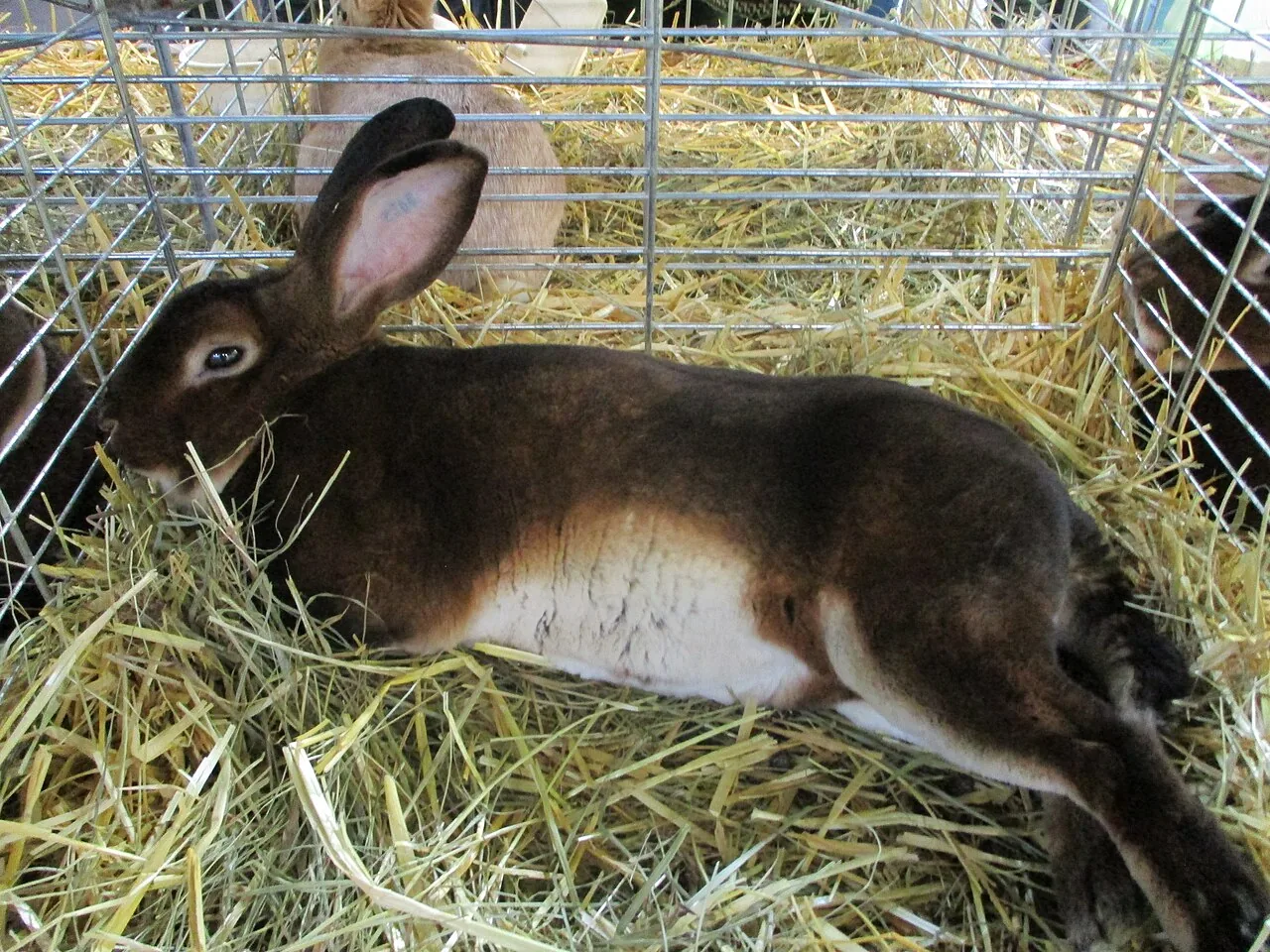
Sleek show breed with rich tan markings on a dark coat.
By WARN Research & Conservation TeamLast updated
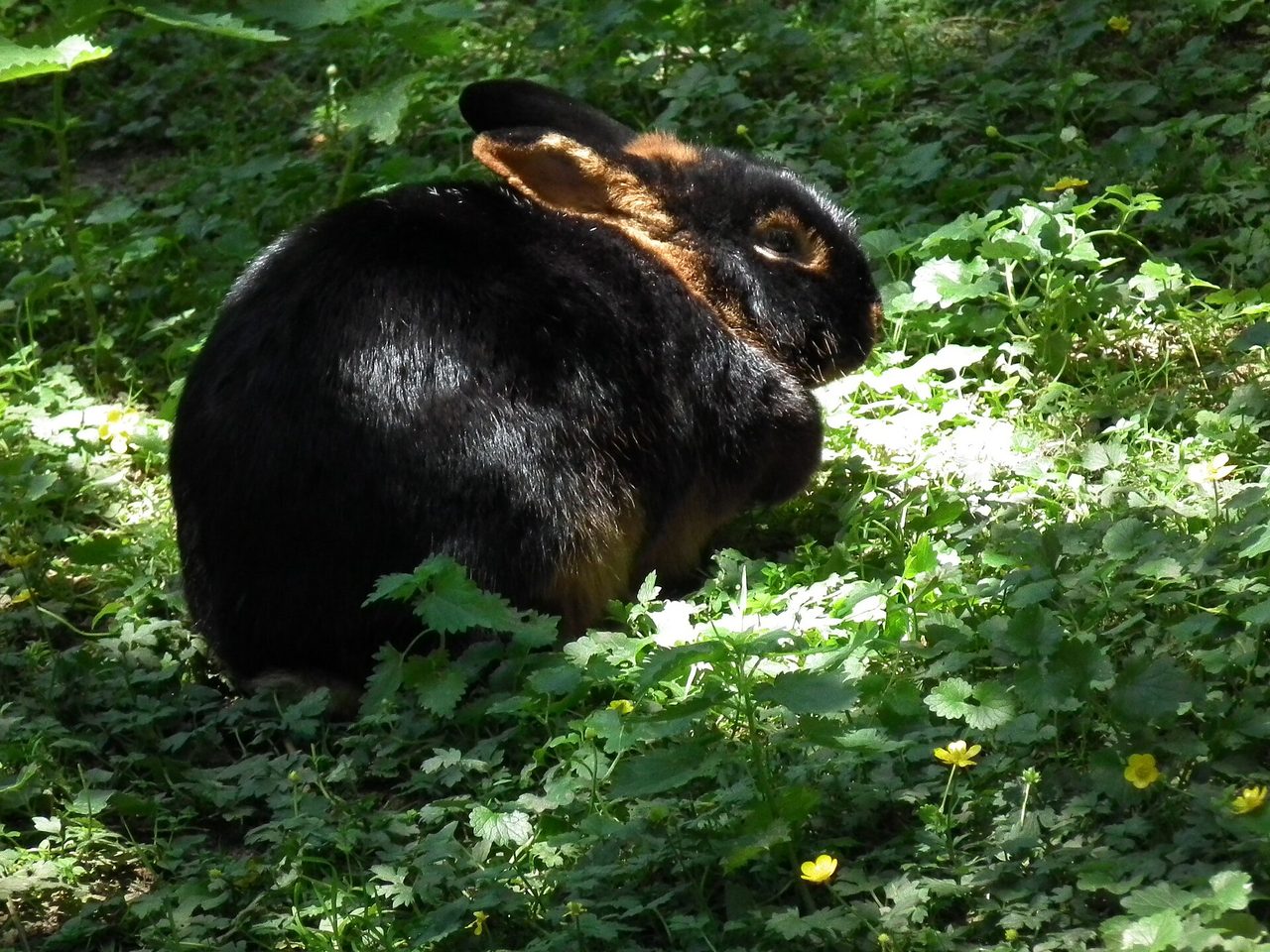
Photo: 4028mdk09 / Wikimedia Commons (CC BY-SA 3.0)
In brief
The Tan is a sleek British show breed with rich tan markings on a dark base coat and distinctive arched show pose. Its defining trait is fiery orange-tan patterning on an active, athletic rabbit built for the show table.
What are the key facts about a Tan?
The Tan is a rabbit breed from England: small (2–3 kg), active, arched, sleek. Sleek show breed with rich tan markings on a dark coat.
| Origin | England |
|---|---|
| Size | Small (2–3 kg) |
| Adult weight | 2–3 kg (4.5–6.5 lb); medium athletic type |
| Lifespan | 7–12 years |
| Coat type | Short, tight flyback fur in black, blue, chocolate or lilac base with sharply defined tan markings on muzzle, chest, inside legs and tail underside. The glossy coat needs minimal grooming — weekly brush and show preparation polishing. Marking edges must remain clean for exhibition. |
| Temperament | Active, arched, sleek |
| Best suited to | Suits experienced rabbit enthusiasts appreciating an active, alert breed rather than a cuddly lap rabbit. Tans fit indoor homes with enrichment for running and jumping. They respond to patient handling but retain lively show-ring temperament. |
Is a Tan a good rabbit for you?
A Tan is a good rabbit when your home matches suits experienced rabbit enthusiasts appreciating an active, alert breed rather than a cuddly lap rabbit. tans fit indoor homes with enrichment for running and jumping. they respond to patient handling but retain lively show-ring temperament.. It is a active, arched, sleek small (2–3 kg) breed from England.
Sleek show breed with rich tan markings on a dark coat. That one-line pitch is not a care plan. Factor grooming (Short, tight flyback fur in black, blue, chocolate or lilac base with sharply defined tan markings on muzzle, chest, inside legs and tail underside. The glossy coat needs minimal grooming — weekly brush and show preparation polishing. Marking edges must remain clean for exhibition.), typical adult size (2–3 kg (4.5–6.5 lb); medium athletic type), and the health issues listed below before you pay a deposit.
Meet adults of the breed, not only puppies or kittens, and prefer rescue or health-screened homes. A Tan that looks right in a photo can still be the wrong animal for a small flat, a full-time office job, or a household that wanted a low-energy companion.
What is a Tan?
Sleek show breed with rich tan markings on a dark coat. Origin is England; coat or markings are described as Short, tight flyback fur in black, blue, chocolate or lilac base with sharply defined tan markings on muzzle, chest, inside legs and tail underside. The glossy coat needs minimal grooming — weekly brush and show preparation polishing. Marking edges must remain clean for exhibition..
Kennel and registry labels describe a type. Individual Tans still vary, and rescue animals may be mixes.
Where does the Tan come from?
Tans come from England. Tan rabbits were developed in England in the late 19th century, likely from Dutch and Himalayan crosses selected for tan pattern and arched type.
The breed spread to America where full-arched show pose became central to standards. Black Tans were the foundation variety; blue, chocolate and lilac followed. Tans remain a specialist fancy breed.
That origin still shows. A Tan is small (2–3 kg) and active, arched, sleek, typically living 7–12 years. Use the history as context for care and conservation, not as folklore to repeat without sources.
How much care does a Tan need?
Plan 7–12 years of food, vet care, grooming and time. A Tan is small (2–3 kg) (2–3 kg (4.5–6.5 lb); medium athletic type) from England, with coat care described as short, tight flyback fur in black, blue, chocolate or lilac base with sharply defined tan markings on muzzle, chest, inside legs and tail underside. the glossy coat needs minimal grooming — weekly brush and show preparation polishing. marking edges must remain clean for exhibition..
This temperament does not thrive on a 20-minute walk and eight hours alone.
Grooming follows the coat, not a generic clip: Short, tight flyback fur in black, blue, chocolate or lilac base with sharply defined tan markings on muzzle, chest, inside legs and tail underside. The glossy coat needs minimal grooming — weekly brush and show preparation polishing. Marking edges must remain clean for exhibition.. Keep the animal lean; extra weight is a joint and heart tax, especially in a small rabbit.
Budget for unexpected vet bills. The health section below is why “cheap to buy” is not the same as cheap to keep.
What surprises people about the Tan?
A few details about the breed, alongside the practical care information in this guide.
- Show Tans are posed in a full arch with front feet off the table.
- Tan markings must show rich mahogany colour without muddy edges.
- The breed is more common on show benches than in pet shops.
- Tans share tan-pattern genetics with several other rabbit breeds.
What health issues should you know about in a Tan?
Health concerns to discuss with your vet, including changes to watch for and everyday care. This is general guidance, not veterinary advice — always speak to your vet.
Dental malocclusion
Misaligned teeth cause overgrowth and eating difficulty in any breed without regular monitoring.
Care: Annual dental checks minimum with a rabbit-savvy vet.
Gastrointestinal stasis
Stress or pain in active rabbits can halt gut motility within hours.
Care: Seek emergency veterinary care for reduced appetite or droppings.
Obesity
Inactive show retirees gain weight quickly without exercise and rationed feeding.
Care: Maintain hay-based diet and daily activity. Weigh monthly.
Who should skip a Tan?
Skip a Tan if you are owners who wanted a low-exercise companion. This England rabbit is small (2–3 kg) and active, arched, sleek — the mismatch is usually lifestyle, not a missing accessory.
This page is allowed to say no. Skip if you are owners who wanted a low-exercise companion.
A different rabbit breed on this site may fit. Wanting “a Tan” after a film or a colour photo is not a reason to ignore the skip list.
What are the hidden catches with a Tan?
The hidden cost of a Tan is usually not the purchase price. It is years of care, the health list on this page, and the mismatch between a active, arched, sleek animal and a busy home.
The impulse-buy catch
A Tan from England is often sold on looks. Coat, colour and size are not a temperament test. Meet the adult animal, ask about health screening, and walk away from pressure sales.
The dental malocclusion catch
Misaligned teeth cause overgrowth and eating difficulty in any breed without regular monitoring. Annual dental checks minimum with a rabbit-savvy vet.
The gastrointestinal stasis catch
Stress or pain in active rabbits can halt gut motility within hours. Seek emergency veterinary care for reduced appetite or droppings.
How does a Tan compare with Holland Lop and Netherland Dwarf?
A Tan is not interchangeable with Holland Lop and Netherland Dwarf. Compare origin, size, lifespan and temperament before you choose — those four lines prevent most regret.
| Rabbit fact | Tan | Holland Lop | Netherland Dwarf |
|---|---|---|---|
| Origin | England | Netherlands | Netherlands |
| Size | Small (2–3 kg) | Small (1.4–1.8 kg) | Small (0.9–1.2 kg) |
| Lifespan | 7–12 years | 7–12 years | 7–10 years |
| Temperament | Active, arched, sleek | Friendly, curious, sometimes shy | Energetic, bold, can be nippy if unsocialised |
What is the verdict on the Tan?
Choose a Tan only if the care, skip-if and health sections still look like your life after a week of thinking. Otherwise pick a different rabbit or wait. Rescue is usually the better first door than a waiting-list puppy or kitten.
If the match is real, budget for 7–12 years of vet care and do not skip health screening. If it is not, walking away is the kind choice — for you and for the animal.
Rabbits deserve proper care
Pet rabbits are often misunderstood — confined alone, fed poorly, or abandoned when novelty fades. While WARN's funded rescue work focuses on our partner-network countries, these guides support responsible ownership and point toward our broader welfare mission.