The calmest rabbit breeds for family homes are the Dutch, Mini Rex, Harlequin, Silver Fox and Californian. But rabbits are prey animals that generally dislike being picked up, and they are a poor match for young children who want a pet to carry — which is the single most common reason rabbits end up in rescue.
Editorially selected from the 17 breeds covered in the WARN rabbit guides, on the basis of calm temperament and tolerance of handling as recorded in each guide. Ordered by popularity rank.
This page will not tell you what most pages with this title tell you. Rabbits are widely sold as a starter pet for young children, and they are one of the worst possible choices for that.
A rabbit is a prey animal. Being lifted off the ground triggers the instinct of being caught by a predator, and most rabbits never learn to enjoy it — they tolerate it at best, and a struggling rabbit can break its own spine kicking out. They are also crepuscular, so they are most active early and late, and they live eight to twelve years. A child who wanted something to cuddle loses interest within months, and the rabbit spends the next decade alone in a hutch.
Rabbits are excellent family animals for households prepared to meet them on their terms: a large enclosure, a bonded pair rather than a lone rabbit, and interaction at floor level rather than in arms. On those terms the breeds below are the most tolerant and even-tempered.
Each entry covers what the breed was bred for, day-to-day needs, and health problems to watch —
with a link to the full guide.
01 / Netherlands
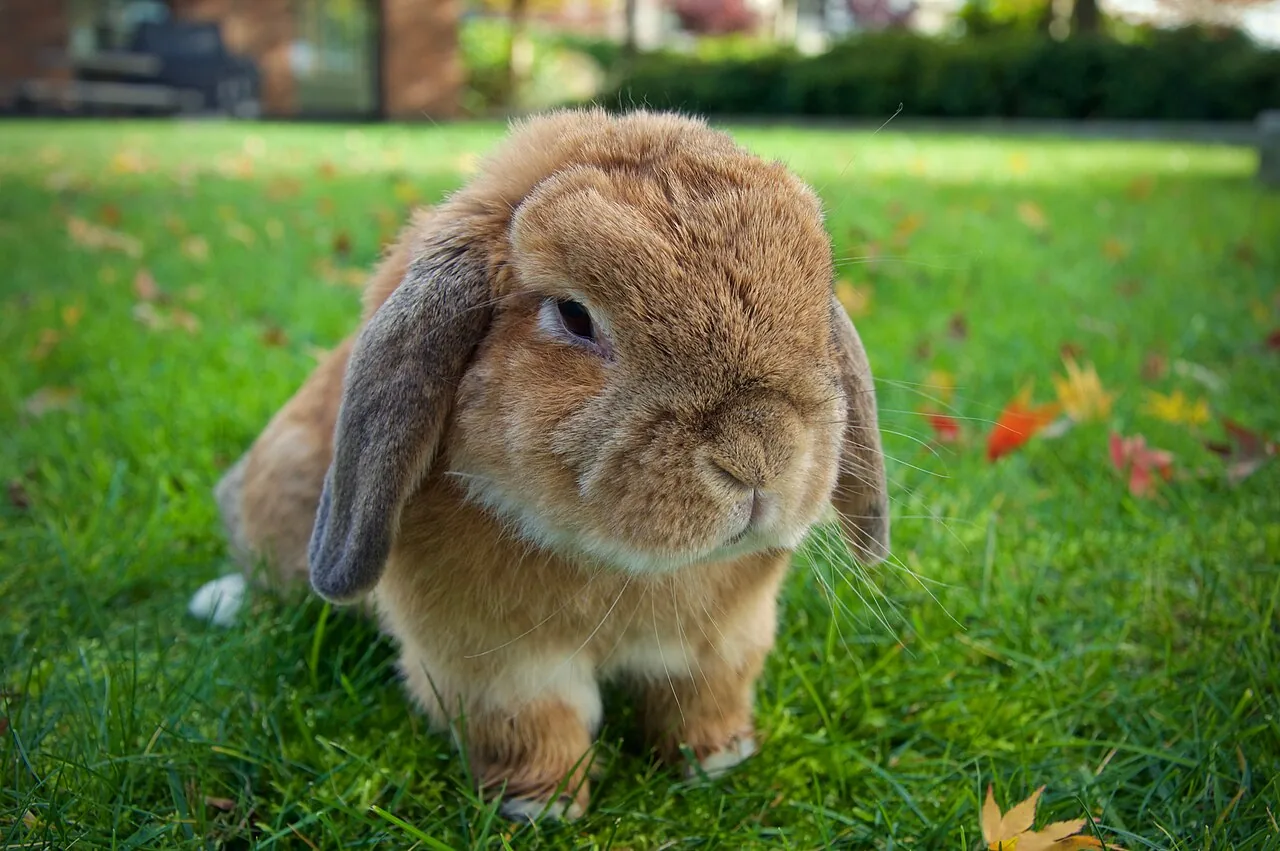
Holland Lop
The Holland Lop is a small lop-eared rabbit breed from the Netherlands, prized as a pet for its compact size, floppy ears and affectionate temperament when well socialised.
Size
Small (1.4–1.8 kg)
Lifespan
7–12 years
Temperament
Friendly, curious, sometimes shy
Origin
Netherlands
Coat & grooming — Short, dense rollback fur in many colours and patterns
Suits — Indoor homes, gentle owners, pairs or bonded companions with slow introductions
Health to watch for
Dental malocclusion — Teeth grow continuously; misalignment causes drooling, weight loss or eye problems.
Gastrointestinal stasis — Slow gut motility is a life-threatening emergency causing reduced appetite and small droppings.
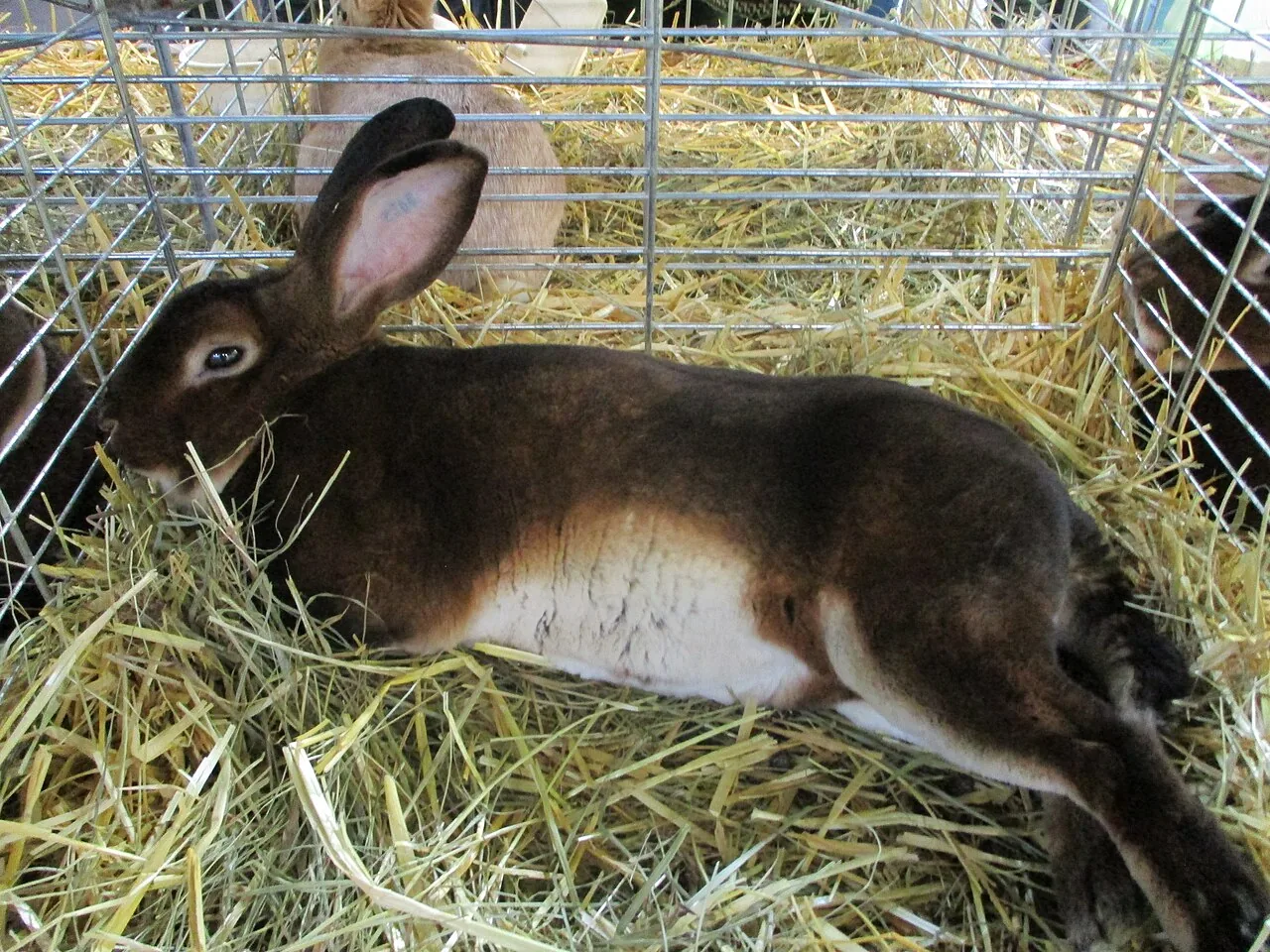
The Mini Rex is a small American rabbit breed famous for its plush, velvet-like rex fur that springs back when stroked. Its defining trait is an exceptionally soft, dense coat combined with a calm, friendly temperament that suits indoor companion homes.
Size
Small (1.4–2 kg)
Lifespan
7–12 years
Temperament
Calm, plush-coated, friendly
Origin
United States
Coat & grooming — Short rex fur with guard hairs the same length as undercoat, creating a springy, velvety texture in many colours including castor, black, blue and broken patterns. Grooming is minimal: weekly brushing and more during moults. Avoid over-bathing, which strips natural oils from rex coats.
Suits — Well suited to indoor homes with space for exercise, gentle handling and hay-based feeding. Mini Rex rabbits often tolerate petting when socialised early and pair well with neutered companions after careful bonding. They suit owners committed to litter training, daily enrichment and annual veterinary checks rather than hutch-only keeping.
Health to watch for
Dental malocclusion — Teeth grow continuously; misalignment causes overgrown incisors or molar spurs that pain chewing. Drooling and weight loss are warning signs.
Obesity — Small breeds gain weight quickly on excessive pellets or treats, stressing joints and the spine.
Gastrointestinal stasis — Slowed gut motility is life-threatening in rabbits, often triggered by stress, pain or low fibre intake. Reduced droppings and lethargy require urgent care.
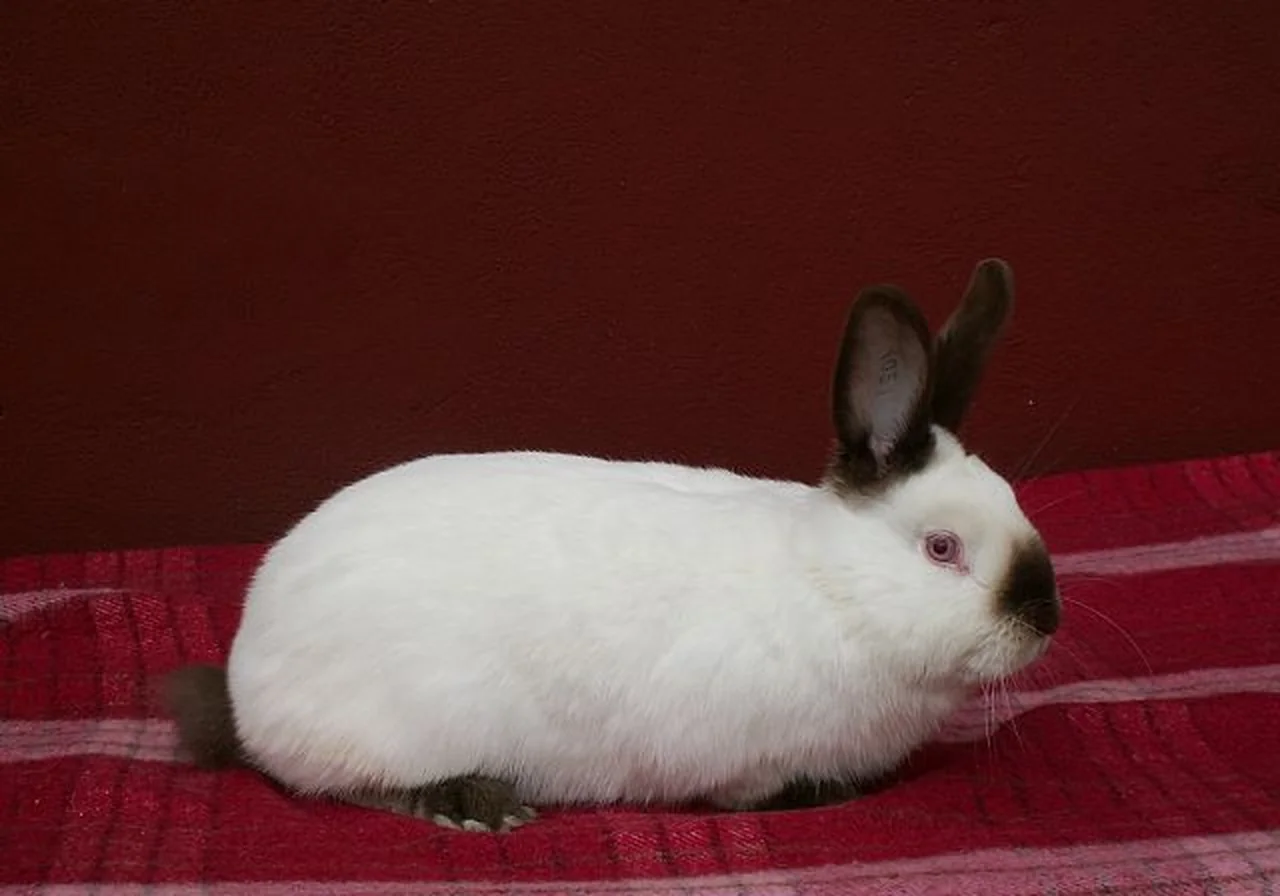
The Californian is an American meat and show breed with a white body and dark points on nose, ears, feet and tail. Its defining trait is a hardy, calm commercial-type rabbit that adapts well to structured indoor or outdoor housing with proper management.
Size
Medium (3.5–5 kg)
Lifespan
7–12 years
Temperament
Calm, hardy, commercial type
Origin
United States
Coat & grooming — Short, white rollback fur with dark Himalayan-style points in black or chocolate. The practical coat needs weekly brushing and more during moults. Point colour darkens in cooler environments because temperature affects pigment expression on extremities.
Suits — Suits owners wanting a calm, medium-sized rabbit for showing, breeding or companion keeping with adequate space. Californians tolerate handling when socialised and fit homes with good ventilation, soft flooring and measured feeding to prevent obesity.
Health to watch for
Sore hocks — Ulcerated foot pads develop on wire mesh or inadequate bedding, especially in heavier rabbits.
Respiratory issues in poor ventilation — Snuffles and pneumonia arise in dusty, ammonia-heavy environments. Sneezing and nasal discharge need prompt vet attention.
Obesity — Commercial-type rabbits gain weight rapidly on excess pellets. Joint and gut problems follow.
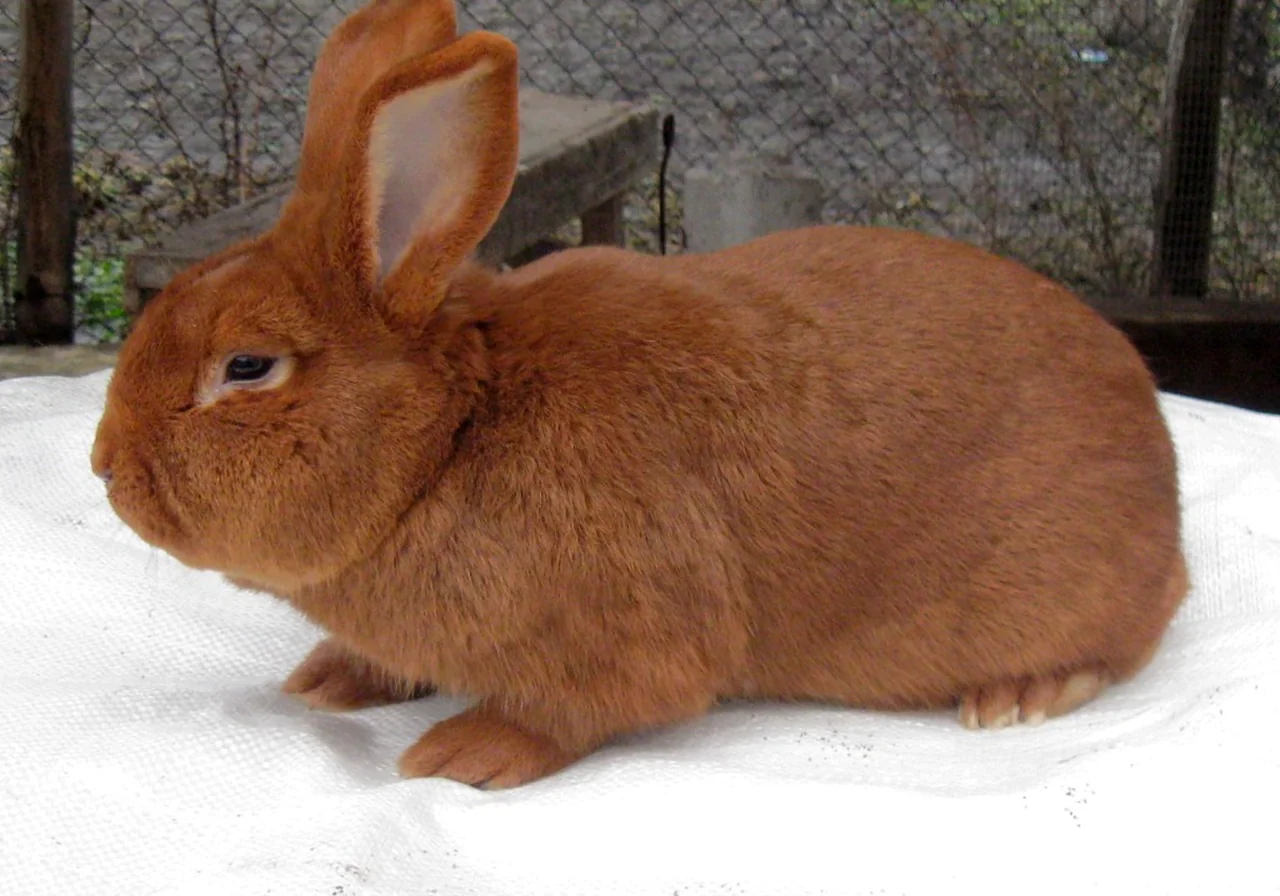
The New Zealand Rabbit is an American breed — not from New Zealand — bred in red or white varieties for meat, fur and laboratory use. Its defining trait is a docile, hardy commercial body type that also makes a steady companion when kept as a pet.
Size
Large (4–5.5 kg)
Lifespan
7–12 years
Temperament
Docile, hardy
Origin
United States
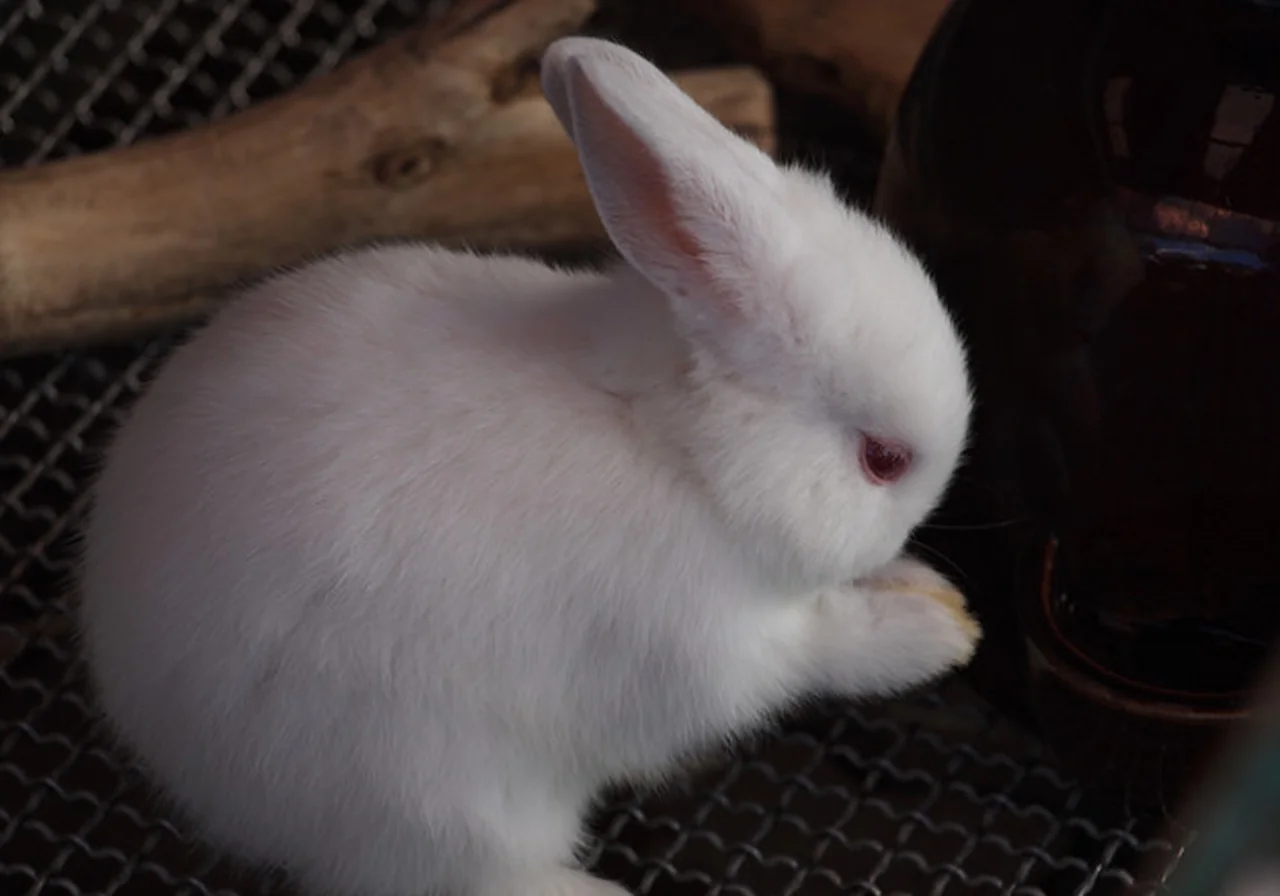
Coat & grooming — Short, flyback fur in white, red, black or broken patterns depending on variety. Grooming is straightforward: weekly brush, nail trims and moult management. White New Zealands show pink eyes as a breed characteristic in that variety.
Suits — Suitable for owners wanting a large, calm rabbit with straightforward coat care. New Zealands fit indoor homes with exercise space and tolerate handling when socialised from youth. They suit first-time rabbit owners who research proper diet and housing before committing.
Health to watch for
Obesity — Large commercial types become overweight easily on ad-lib pellets. Excess weight predisposes to joint and gut issues.
Dental malocclusion — Overgrown teeth cause drooling, selective eating and weight loss. Regular monitoring catches problems early.
Gastrointestinal stasis — Reduced gut movement is an emergency common in rabbits after stress, pain or low fibre intake.
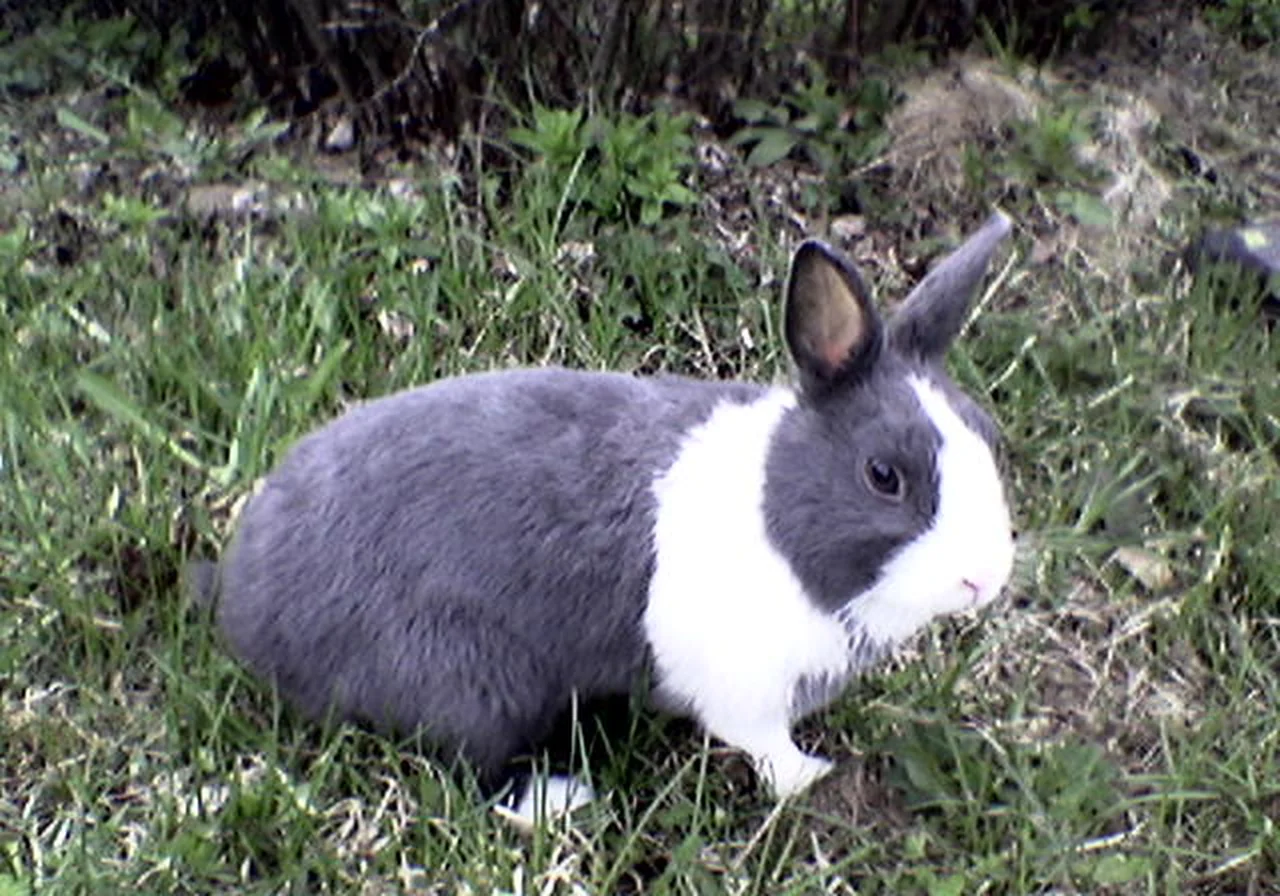
The Dutch is one of the oldest recognised rabbit breeds — a compact rabbit with distinctive white blaze, white collar and coloured saddle. Its defining trait is bold markings combined with an active, friendly temperament popular on show benches worldwide.
Size
Small (1.5–2.5 kg)
Lifespan
7–12 years
Temperament
Active, friendly, marked
Origin
Netherlands
Coat & grooming — Short, glossy flyback fur with sharp colour demarcation between white and coloured sections. Accepted colours include black, blue, chocolate, grey and tortoiseshell. Weekly grooming maintains shine; markings are judged precisely in show standards.
Suits — Excellent for indoor companion homes with daily interaction and space to run. Dutch rabbits are active and curious, suiting owners who provide enrichment and gentle handling. They often enjoy human company and can bond with neutered partners when introduced carefully.
Health to watch for
Dental malocclusion — Misaligned teeth lead to overgrowth and painful spurs affecting eating and behaviour.
Obesity — Treats and excess pellets cause rapid weight gain in small breeds with limited calorie requirements.
Gastrointestinal stasis — Life-threatening gut slowdown presents with lethargy and reduced faecal output.
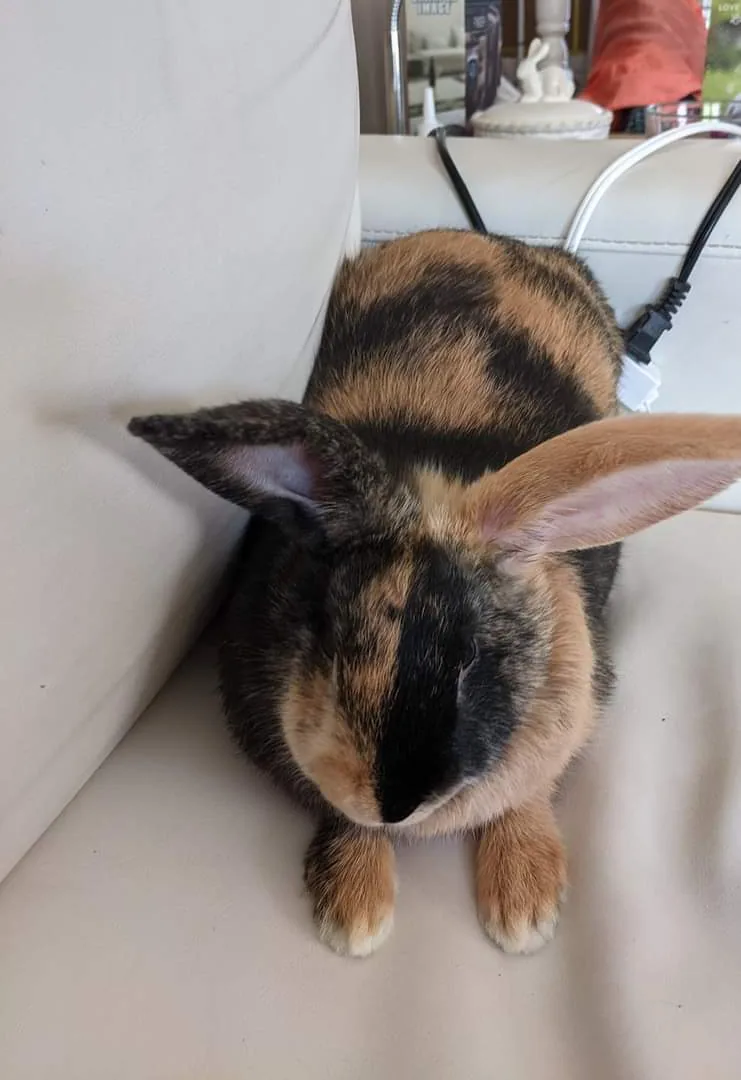
The Harlequin is a French breed prized for alternating bands of colour across the body — a living checkerboard on the show table. Its defining trait is bold, symmetrical markings paired with an active, engaging temperament.
Size
Medium (2.5–4 kg)
Lifespan
7–12 years
Temperament
Active, curious, colourful
Origin
France
Coat & grooming — Short coat divided into clearly defined colour sections — typically orange and another colour in Japanese type, or bands in Magpie type. Markings require no special grooming beyond weekly brushing, though show preparation emphasises clean, sharp colour edges.
Suits — Suits owners who appreciate an active, interactive rabbit with striking appearance. Harlequins need space to run, mental stimulation and consistent handling. They fit indoor homes with enrichment and suit families teaching children respectful rabbit interaction on the floor.
Health to watch for
Dental malocclusion — Continuous tooth growth with poor alignment causes eating difficulty and abscess risk.
The Silver Fox is a rare American breed with long fur that stands upright when stroked forward — giving a silver-tipped, standing coat unique among rabbits. Its defining trait is striking pelage combined with a gentle, calm temperament.
Size
Large (4–5.5 kg)
Lifespan
7–12 years
Temperament
Gentle, rare, striking coat
Origin
United States
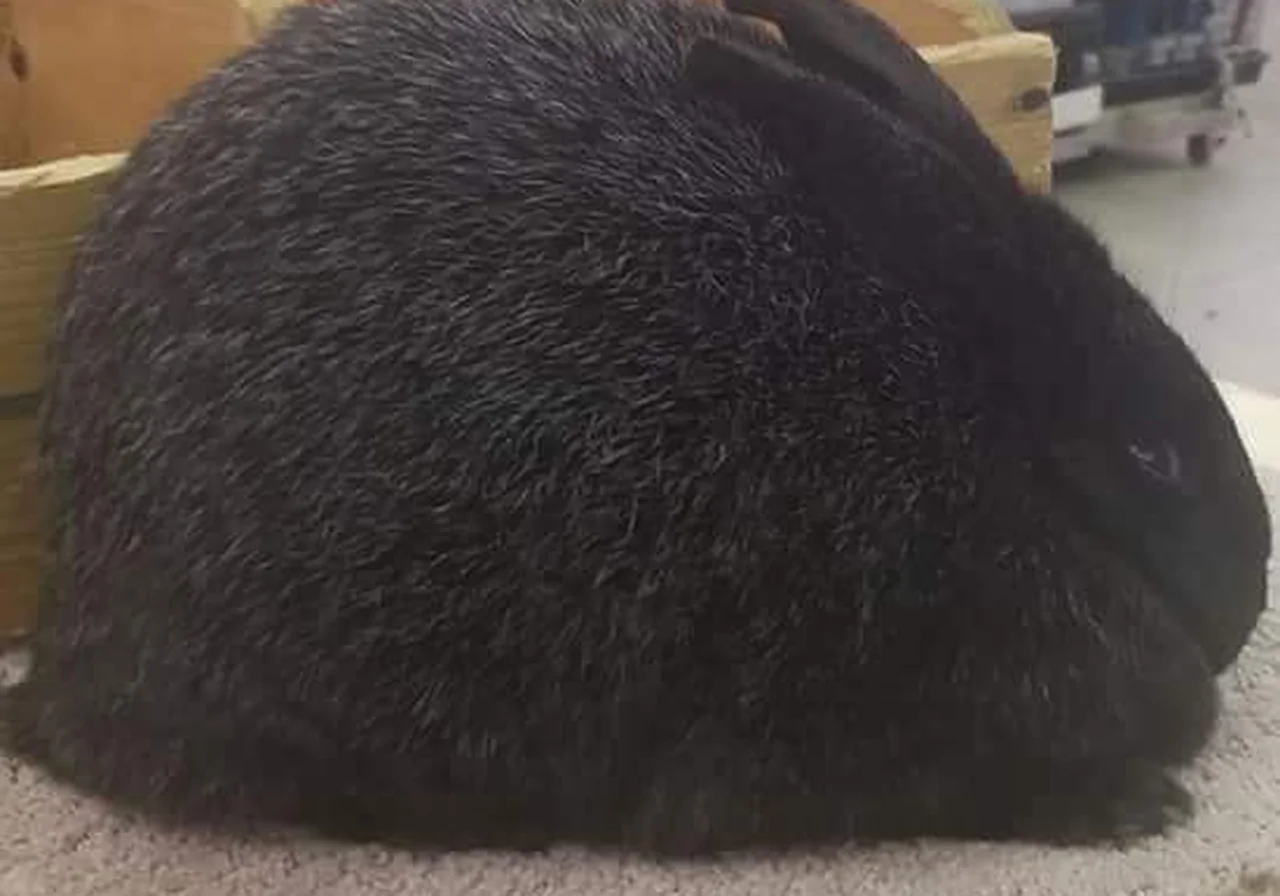
Coat & grooming — Medium-length fur with white or silver tipping on dark base hairs, creating a frosted appearance. When stroked from tail to head, fur stands erect — a breed hallmark. Groom weekly and thoroughly during moults to prevent fur block. Only black Silver Fox is recognised in current ARBA standards.
Suits — Ideal for owners seeking a large, calm rabbit with unusual coat character. Silver Fox rabbits suit indoor homes with soft flooring and owners who enjoy grooming. Their docile nature helps therapy and companion roles when socialised consistently.
Health to watch for
Obesity — Large, calm rabbits gain weight when diet and exercise are not managed, stressing joints and organs.
Dental malocclusion — Overgrown molars or incisors cause pain and reduced fibre intake.
Gastrointestinal stasis — Fur ingestion during moults plus low fibre intake increases obstruction risk.
The Polish rabbit is a tiny British fancy breed — fine-boned with large eyes and upright ears despite its misleading name. Its defining trait is elegant, compact show type in one of the smallest recognised breeds.
Size
Small (0.9–1.6 kg)
Lifespan
7–12 years
Temperament
Active, fine-boned, showy
Origin
England
Coat & grooming — Short, fine flyback fur in black, blue, chocolate, white and broken patterns. The delicate coat needs gentle weekly grooming. White varieties may show ruby eyes. Fine bone structure requires careful handling to avoid fractures.
Suits — Best for adult owners or families with older children who understand fragile handling. Polish rabbits suit calm indoor homes with secure, low-level exercise areas. They are display rabbits and companions rather than rough children's pets.
Health to watch for
Dental malocclusion — Small jaws increase risk of tooth overgrowth and malocclusion in dwarf-type breeds.
Fragility in rough handling — Fine bones fracture easily from drops or squeezing. Spinal injuries occur when rabbits kick while improperly held.
Gastrointestinal stasis — Stress from handling or pain can trigger gut stasis rapidly in small rabbits.
Best Rabbit Breeds for Families: frequently asked questions
What is the best rabbit breed for children?
Dutch, Mini Rex, Harlequin and Silver Fox rabbits are among the most even-tempered. But the honest answer is that breed matters less than expectations: rabbits dislike being picked up, and a child who wants a pet to carry will be disappointed by any breed.
Are rabbits good pets for children?
Not as a child's own pet. They are prey animals that resist handling, need a large enclosure, live eight to twelve years and require an exotic-competent vet. They can be excellent family animals where an adult takes responsibility and the children interact with them at floor level.
Should I get one rabbit or two?
Two. Rabbits are highly social and keeping one alone is a welfare problem — a neutered, bonded pair is the standard recommendation. Bonding takes time and should be done gradually, and a rescue can often rehome an already-bonded pair.
Do rabbits like being picked up?
Most do not. Being lifted mimics capture by a predator, and the instinct to struggle is strong. A rabbit that struggles while held can fracture its spine. Rabbits that are comfortable being touched usually prefer it sitting on the floor with the animal free to leave.
How much space does a rabbit need?
Far more than a traditional hutch. UK welfare guidance recommends a minimum of around three square metres of combined accommodation, with permanent access to a run so the rabbit can move whenever it wants rather than at set times.
Before you go
The animals people take on, and then can't keep
Rabbits are among the most surrendered pets there are — usually bought small and appealing, then given up within a year once the reality of a decade-long, space-hungry, handling-averse animal sets in. The pattern is not unique to rabbits. It is the same pattern behind surrendered dogs, cats and exotic pets across every country WARN works in.
WARN funds partner-led rescue, veterinary care and the education work that stops the cycle earlier — helping people understand what an animal actually needs before they take it on, which is cheaper and kinder than rescuing it afterwards.