South America
Animal rescue in Peru
Peru’s Andean, Amazonian and coastal environments support different animal communities. A useful rescue or conservation proposal needs to identify the place, species and threat it…
By WARN Research & Conservation Team Last updated
Find urgent animal help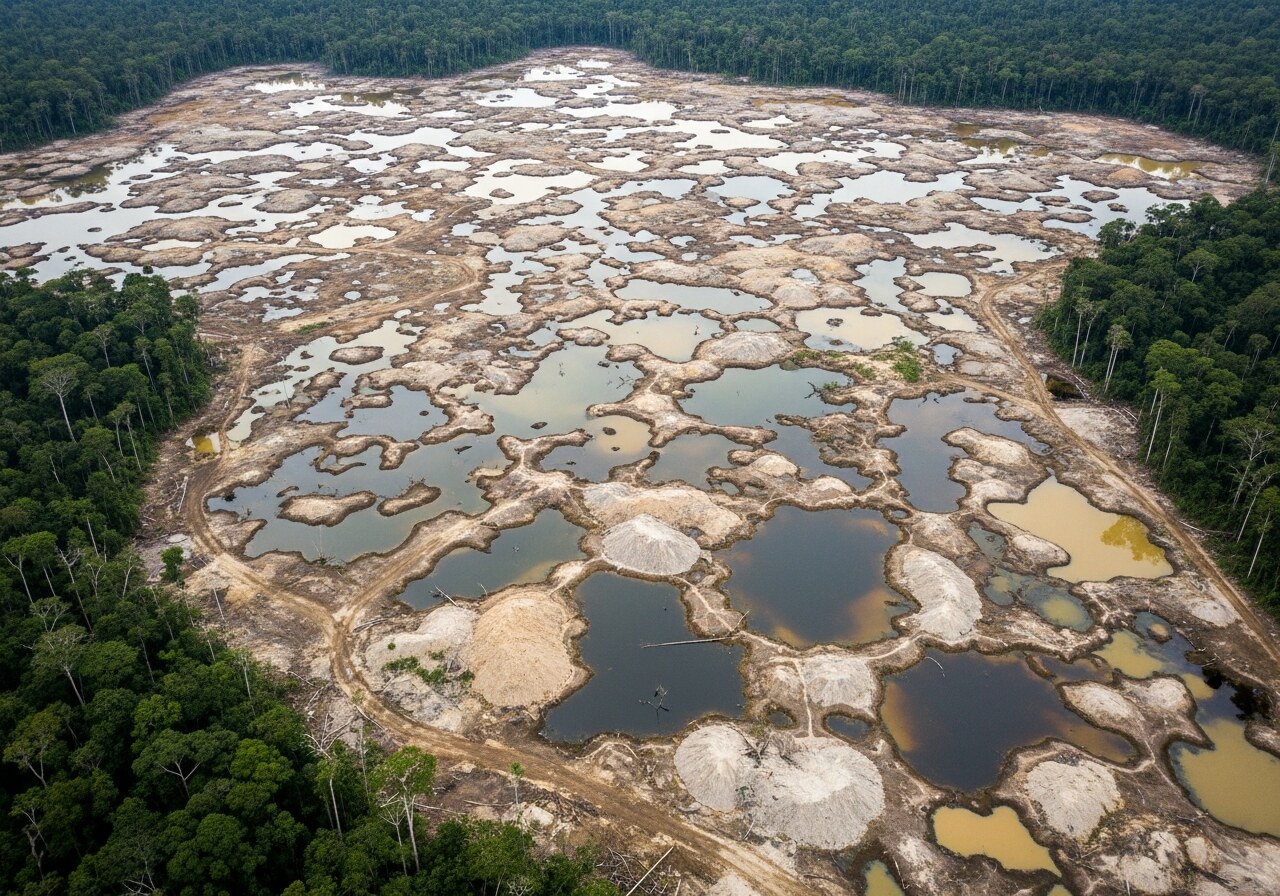
Illustrative image. The location, date and any connection to a WARN-funded activity have not been verified.
In brief
Peru’s Andean, Amazonian and coastal environments support different animal communities. A useful rescue or conservation proposal needs to identify the place, species and threat it can address.
Key Facts About Peru
- Land-use change is an important context for animal welfare and conservation.
- The related appeals explain proposed purposes and their geographic scope.
- Published grant records are separate from country and species information.
Connected forests and water
Peru’s CBD profile identifies land-use change, deforestation and extractive activities as pressures on mountain and forest ecosystems. It also describes pollution and other pressures on inland waters. Its historical background helps explain why habitat and water conditions belong in conservation planning.
From a concern to an assessed response
An immediate rescue need and a longer-term habitat project require different permissions, skills and reporting. Supporters should be able to understand which activity a proposal covers and how it relates to the appeal purpose. A photograph or country name cannot establish an approved recipient.
How to assess a relevant appeal
Start with the stated purpose, its geographic scope and the current recipient status. Then look for a costed proposal, authority to do the work, an animal welfare approach and a reporting plan. Proposed support, an approved award and a completed payment are different stages. Country and species guides explain context; grant records establish what WARN has committed or paid.
Threats to Wildlife in Peru
Land-use change
Deforestation
Extractive activity pressures
Freshwater pollution and degradation
WARN’s role and funding status
WARN raises awareness and seeks funds for assessed animal welfare needs. Before an award, proposed recipients, activities, permissions, costs and reporting need review. This country guide is not a list of funded operations; check the public grant register for published decisions and payments.
Key Species in Peru
Peru FAQ
What animal welfare issues does this Peru guide cover?
Does this page confirm WARN has funded work in Peru?
Can I restrict a gift to Peru?
How do I find urgent animal help in Peru?
Can I help by sharing this information?
Rescue Guides for Peru
Explore animal welfare and conservation topics connected to Peru. These explain needs and possible responses, rather than confirming funded WARN operations.
Colombia · Illegal bird trade
Parrot Trafficking in Colombia
Parrot trafficking in Colombia targets chicks and adult birds for the illegal pet trade; rescue depends on fast triage, quarantine, flight rehabilitation and carefully managed soft release.
Wildlife trafficking · Release method
Parrot Soft Release
Parrot soft release is a gradual return to the wild where rescued birds rebuild flight, social and foraging skills before release with monitoring and temporary support.
Latest from Peru
Briefings
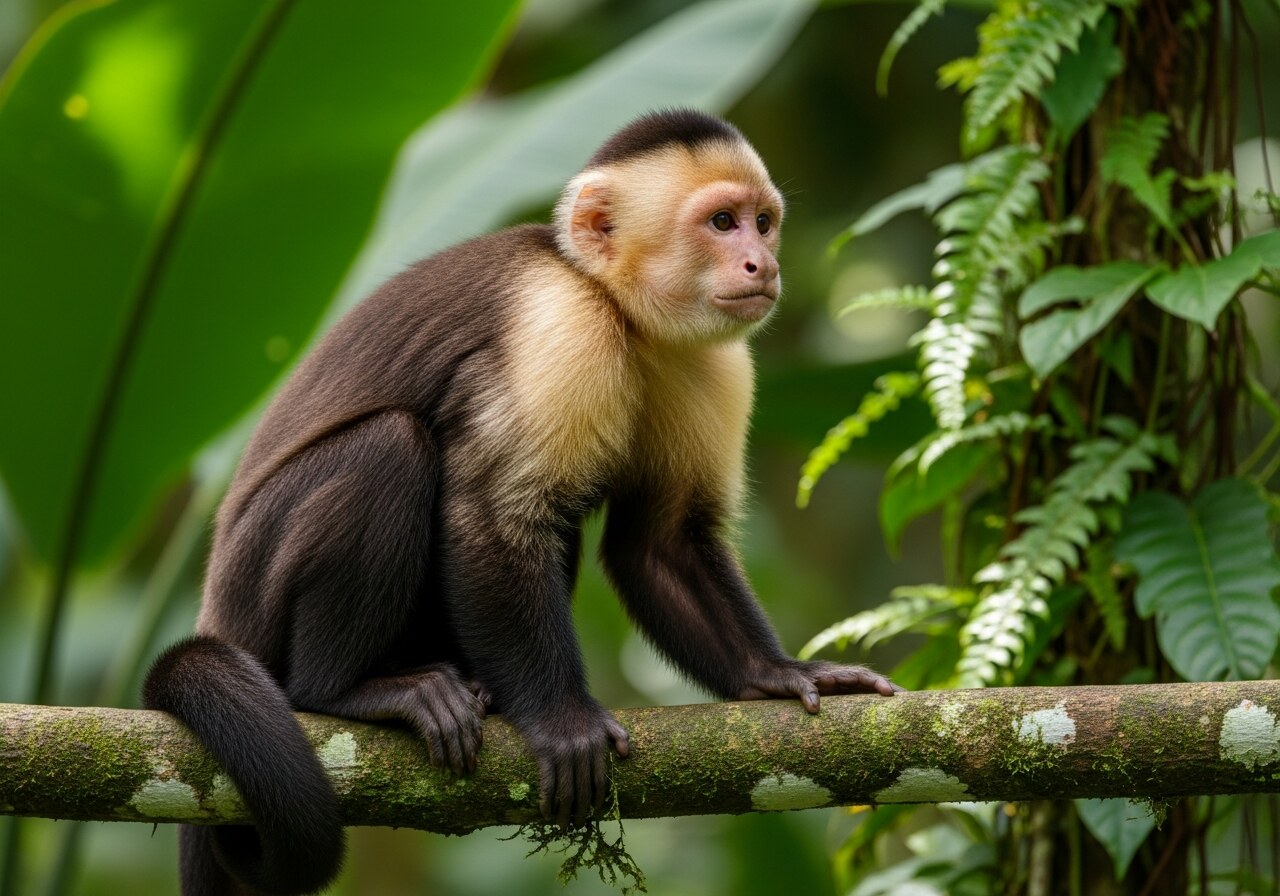
The Capuchin Monkey: The Tool-Using Primate at the Heart of the South American Pet Trade Problem

Briefings
The Amazon Rainforest: How Its Decline Is Reshaping Animal Life in Colombia, Peru and Beyond
Briefings
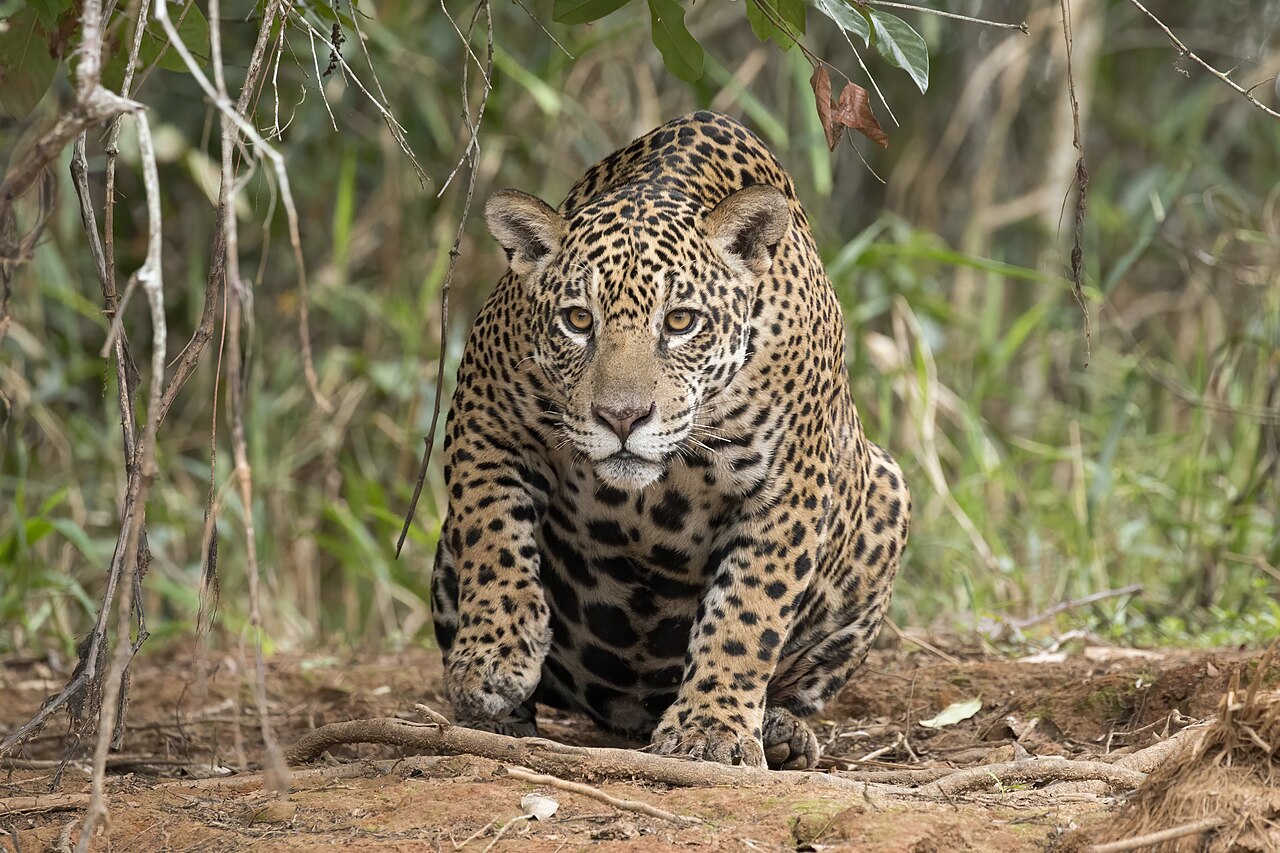
The Jaguar Trade: How South America's Big Cat Became a Replacement for Tiger Parts
Related animal welfare appeals
Explore a related cause and read its stated purpose, geographic scope and recipient status before donating. A link from this guide does not create a fund restricted to Peru.
Andean bear conservation · South America
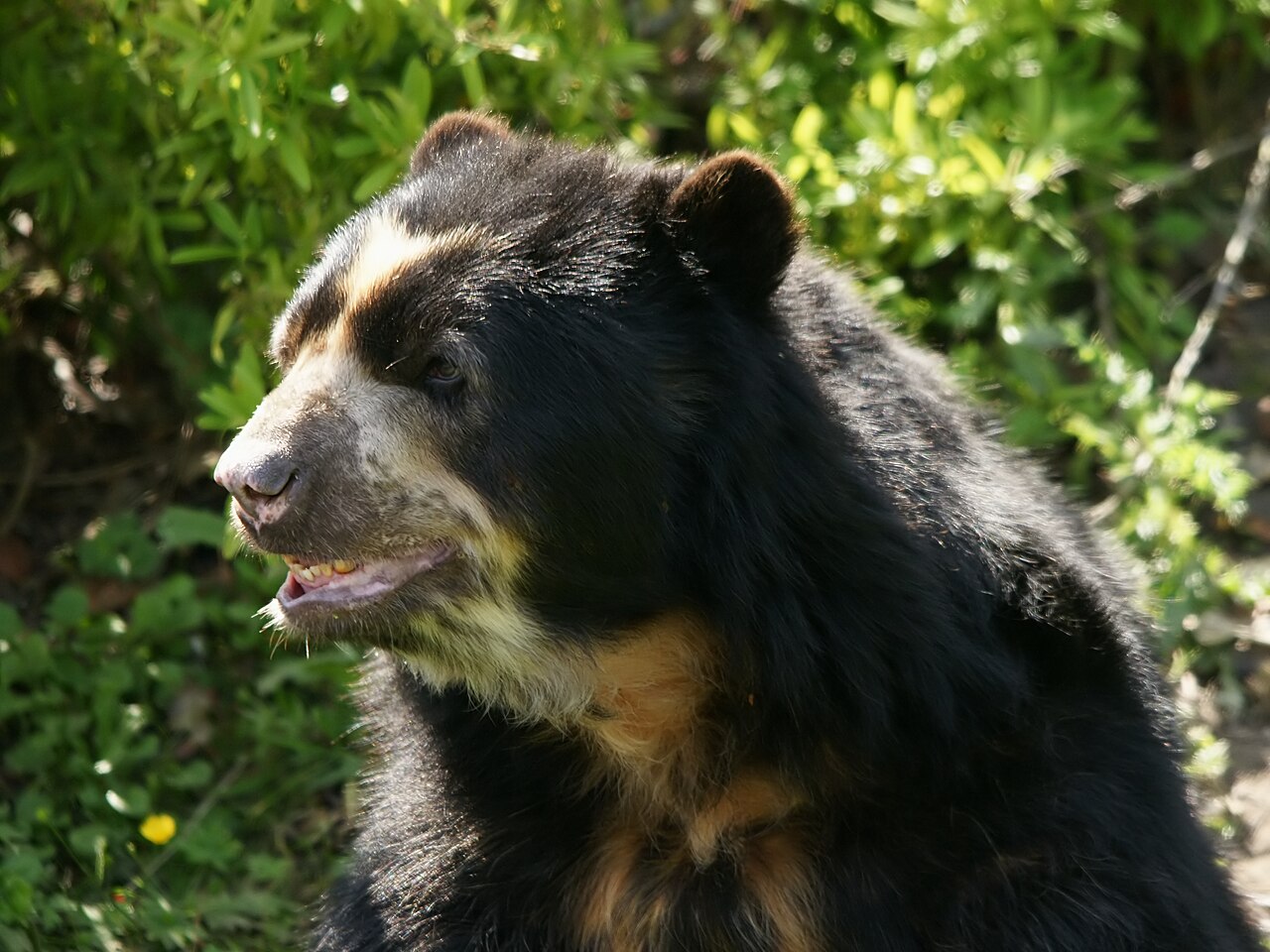
Help Andean Bears
Explore habitat protection and coexistence for Andean bears, with evidence from conservation research and clear questions for proposed support.
Support this appeal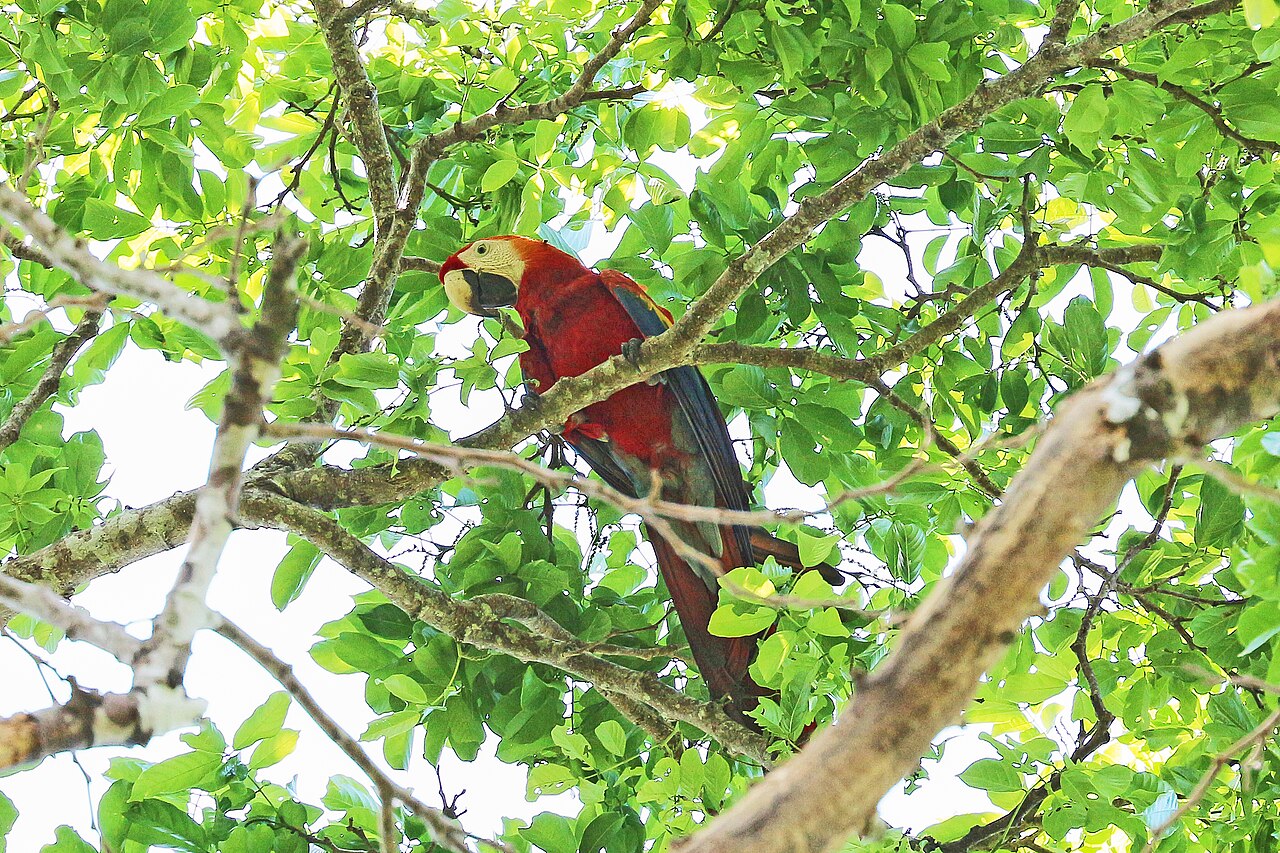
Parrot welfare and conservation
Help Trafficked Parrots
Explore care for parrots harmed by trafficking, safe rehabilitation decisions and habitat protection. Read the proposed support before donating or sharing.
Support this appeal Jaguar conservation · Brazil and Colombia
Help Protect Jaguars
Explore jaguar habitat connections, coexistence with ranchers and appropriate wildlife care, with clear assessment and funding information.
Support this appealSources and how to use this guide
The CBD country profile provides background on biodiversity and habitat pressures. Its figures and policy sections include historical information, and some profiles are marked draft; it is not a live emergency feed. Follow dated original sources in the related appeals for incident information, and the linked species guides for assessment context.
Sources reviewed 8 September 2026. Country coverage does not establish a partnership with the organisations cited.
Help the Animals of Peru
Choose a relevant appeal, share reliable information or find local animal help. The general donation page offers unrestricted support and available appeal choices; it does not automatically restrict a gift to this country.
Donate Now