Conservation · Bird facts
Why do birds migrate?
Birds migrate to follow food and breeding seasons — some species fly tens of thousands of kilometres yearly.
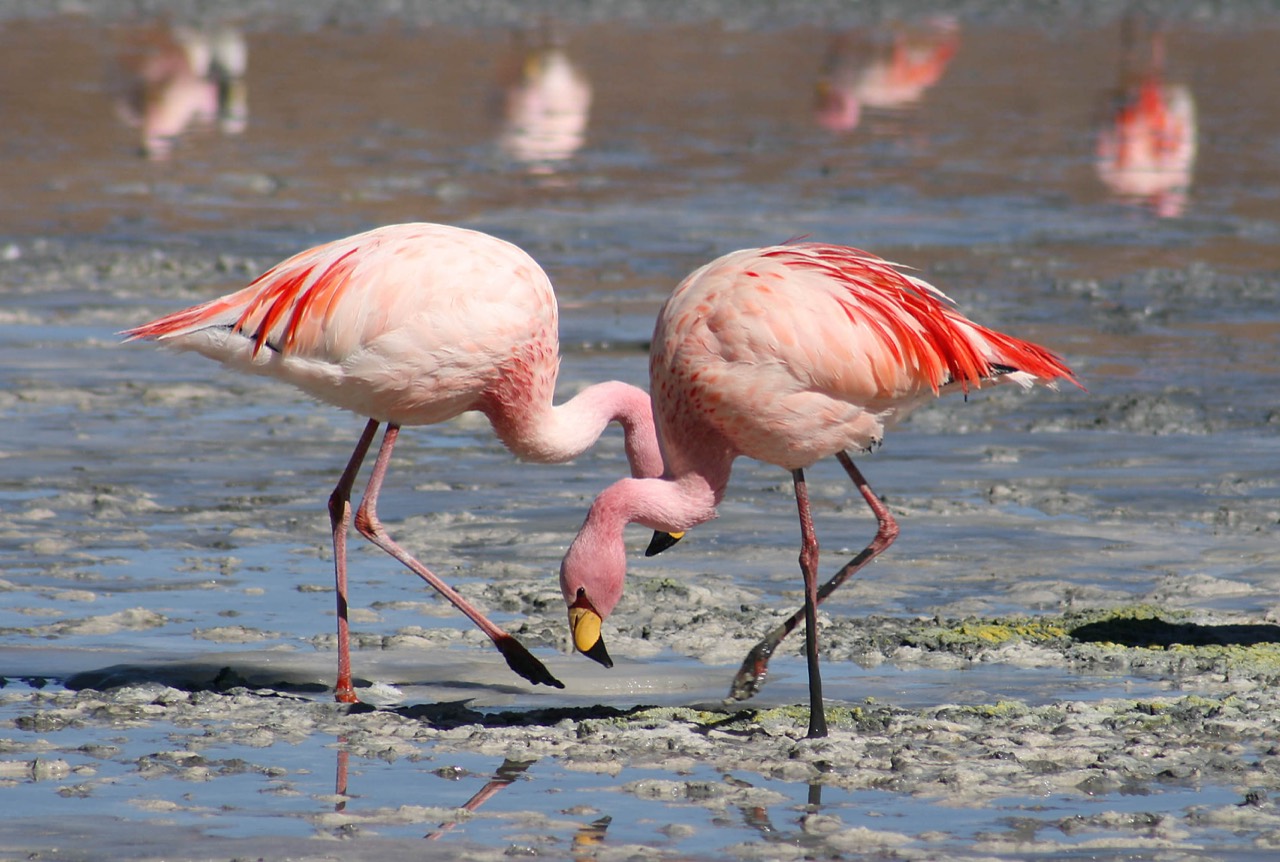
In brief
Birds migrate to follow food and suitable breeding conditions as seasons change — moving between rich feeding areas and safe nesting sites. Some species fly thousands of kilometres twice a year. Migration trades long dangerous journeys for access to rich feeding and safe nesting areas as seasons shift.
By WARN Research & Conservation Team Last updated
Migration trades long dangerous journeys for access to rich feeding and safe nesting areas as seasons shift. Arctic terns may travel roughly 70,000 km annually — longest migration of any animal. Navigation uses sun, stars, magnetic field and learned landmarks. Flyway habitat loss, window collisions, hunting and climate timing mismatches threaten migrants. WARN habitat appeals address stopover wetland and forest loss.
70,000 km
Arctic tern annual migration approx.
4,000+
Migratory bird species worldwide
Billions
Migratory birds alive during peak seasons
Flyways
Major routes — Americas, Africa-Eurasia, East Asia-Australasia
Quick facts
| Reason | Food availability and breeding season length |
|---|---|
| Navigation | Sun, stars, magnetoreception, landmarks |
| Juveniles | Many migrate without parents — inherited routes |
| Stopovers | Coastal wetlands and forests — fuel for long flights |
| Threats | Habitat loss, glass, climate timing shifts, hunting |
| Arctic tern | Pole to pole migration record holder |
Key takeaways
- Migration follows food and breeding seasonality.
- Arctic tern ~70,000 km annual route record.
- Navigation combines magnetic, celestial and learned cues.
- Stopover habitat loss kills migrants mid-route.
- Climate mismatch can desynchronise food and chicks.
- Flyway protection needs international cooperation.
Energy trade-off
Staying in food-scarce winter range risks starvation — migration costs fat and mortality from storms and predators but access to summer abundance repays investment. Short-distance migrants move altitudinally or regionally; long-distance cross oceans and continents. Body mass doubles in some species pre-migration — hyperphagia at stopover sites. Without intact wetlands to refuel, birds cannot complete crossing — dead in exhausted condition on beaches documented globally.
Flyway conservation
East Asian-Australasian Flyway loses tidal flats to reclamation — critically endangers curlews and godwits. Americas flyway loses stopover forest in Central America — coffee farm shade matters. Mediterranean hunting pressure kills millions of songbirds illegally each year. Window glass on skyscrapers kills migratory warblers in cities — lights at night disorient. Single country protection insufficient — treaties like CMS coordinate but enforcement weak.
WARN habitat link
Migration success depends on chain of habitats — breeding forest, stopover wetland, winter mangrove. WARN habitat appeal funds partner forest and wetland work in tropical range countries where orangutan and parrot habitats overlap migratory stopovers for Palearctic birds wintering in same regions. Rescue of individual exhausted migrants helps locally; flyway protection addresses population scale — donors need both short and long geographic horizon.
What WARN does
WARN habitat appeal funds partner forest and wetland protection in tropical countries used by migratory and resident birds.
Frequently asked questions
Why do birds migrate?
Which bird migrates the farthest?
How do birds navigate?
Do young birds migrate alone?
What threatens migratory birds?
What is a flyway?
Sources & references
Related reading
More from Bird facts
More Conservation answers
Stay connected with WARN
Receive appeal updates, animal-welfare news and published funding reports. Unsubscribe any time.
We only use your address for WARN updates. See our privacy policy.