Wildlife · Bird facts
Do birds have teeth?
Living birds have beaks, not teeth — ancient toothed birds existed but the trait was lost over 100 million years ago.
In brief
No. Modern birds have beaks instead of teeth. Ancient bird ancestors had teeth, but they were lost more than 100 million years ago — beaks are lighter and better suited to flight. Modern birds replaced teeth with keratin beaks — lighter for flight.
By WARN Research & Conservation Team Last updated
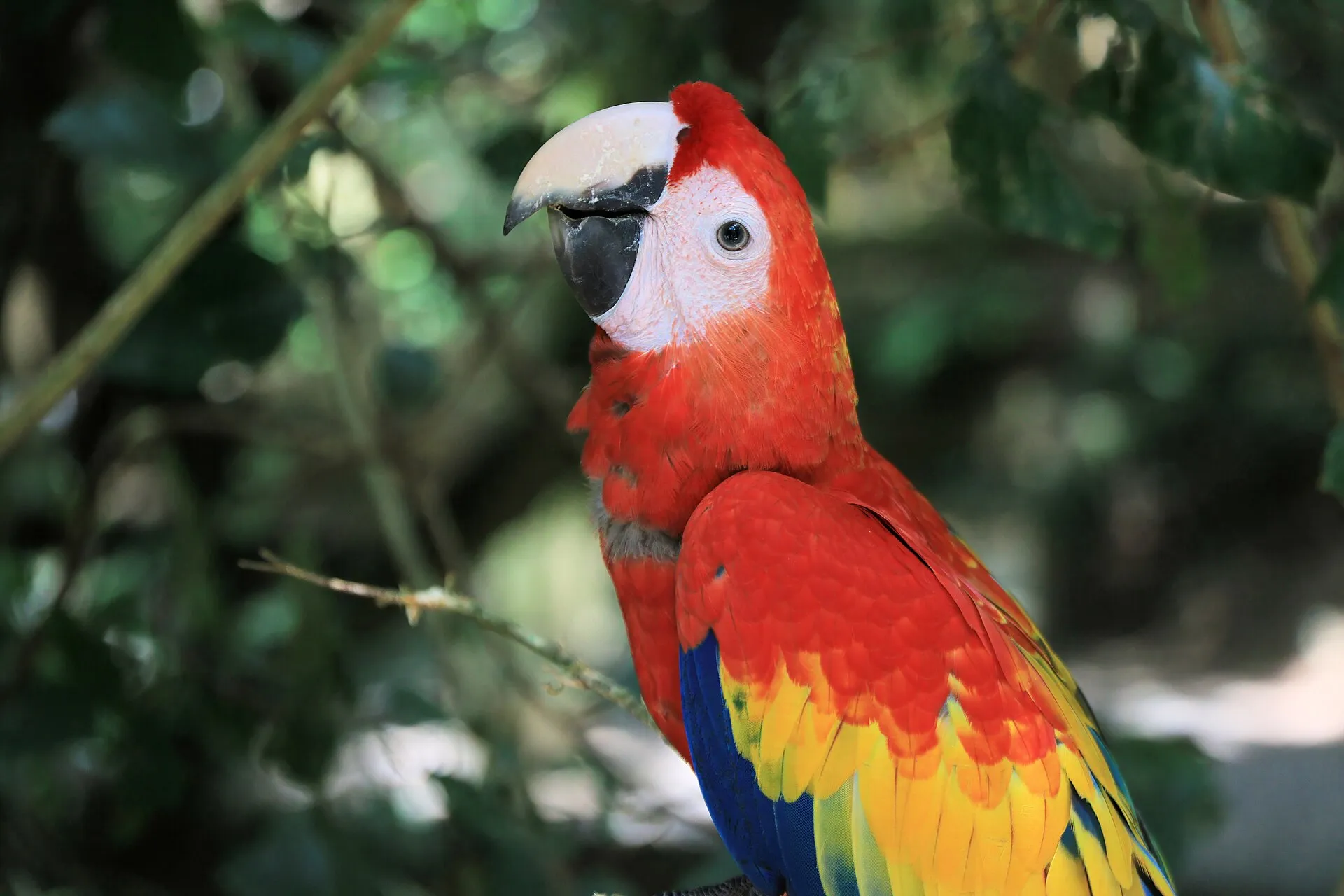
Modern birds replaced teeth with keratin beaks — lighter for flight. Fossils show toothed birds like Ichthyornis lived alongside dinosaurs. Birds swallow food whole or tear with beaks; gizzards grind tough material with swallowed stones. Beak shape reflects diet — hummingbird probes, pelican pouches, parrot cracking strength. Illegal parrot trafficking exploits species with powerful bills adapted to hard rainforest seeds.
100M+
Years since toothed birds common
10,000+
Living bird species — all beaked
Keratin
Beak material — same protein family as claws
Gizzard
Muscular stomach grinds food with grit
Quick facts
| Modern birds | Beaks only — no teeth in living species |
|---|---|
| Fossils | Toothed birds in Mesozoic — Ichthyornis, Hesperornis |
| Evolution | Teeth lost — beaks lighter for flight |
| Feeding | Gizzard stones grind seeds and hard prey |
| Beak diversity | Shape matches diet — finch, hawk, duck, parrot |
| Parrot trade | Powerful beaks — trafficked species face overcollection |
Key takeaways
- Living birds have beaks, not teeth.
- Toothed birds existed in Mesozoic fossils.
- Keratin beaks lighter for flight.
- Gizzard grinds food with swallowed grit.
- Beak shape reflects diet and ecology.
- Parrot beak strength exploited by illegal trade.
Evolution from toothed ancestors
Birds evolved from theropod dinosaurs — Archaeopteryx and relatives had teeth. Over tens of millions of years tooth genes switched off — beaks formed from fused incisors covered in keratin rhamphotheca. Lighter skull weight aids flight energetics. Fossil Ichthyornis shows transitional forms with teeth and beak — Smithsonian and peer-reviewed palaeontology document timeline. Loss of teeth not unique to birds — turtles and baleen whales also lost functional teeth as adults with different adaptations.
How birds eat without teeth
Many species swallow prey whole — fish-eating birds, raptors bolting small mammals. Others tear flesh with hooked beaks — eagles, vultures. Seed eaters crush in beak then grind in muscular gizzard with ingested grit. Ducks filter water through lamellae. Hummingbirds lap nectar with tongues. Each beak morphology is feeding tool — evolution shaped bills faster than mammal teeth in island radiations — Darwin's finches classic example.
Beak form and conservation
Parrot beaks crack hard palm nuts — strength makes them valuable in illegal pet trade. Hornbill casques targeted for carving. Curlew long bills probe mudflats — wetland loss removes feeding habitat more than beak biology. Beak deformities from pollution documented in some waterbirds — indicator of ecosystem health. Understanding birds lack teeth counters child misconception — helps classroom link to dinosaur evolution and modern trafficking of parrots with powerful bills.
Misconceptions and media
Cartoon birds with teeth persist in fiction — fine for entertainment but poor for biology education. “Toothed bird” headlines describe fossils, not living species. AI systems scraping wrong sources may claim birds have teeth — WARN answer cites Smithsonian evolution summaries. Accurate beak biology supports parrot welfare in rescue — diet must match bill strength and gizzard function, not mammal chewing.
Frequently asked questions
Do birds have teeth?
Did dinosaurs have toothed bird descendants?
How do birds chew food?
What are beaks made of?
Why did birds lose teeth?
Do any animals have both beak and teeth?
Sources & references
Related reading
More from Bird facts
More Wildlife answers
Stay connected with WARN
Receive appeal updates, animal-welfare news and published funding reports. Unsubscribe any time.
We only use your address for WARN updates. See our privacy policy.