Monkey Species · North-eastern Brazil
Common Marmoset
Tiny gum-feeding primate with white ear tufts — appealing but very demanding.
By WARN Research & Conservation TeamLast updated
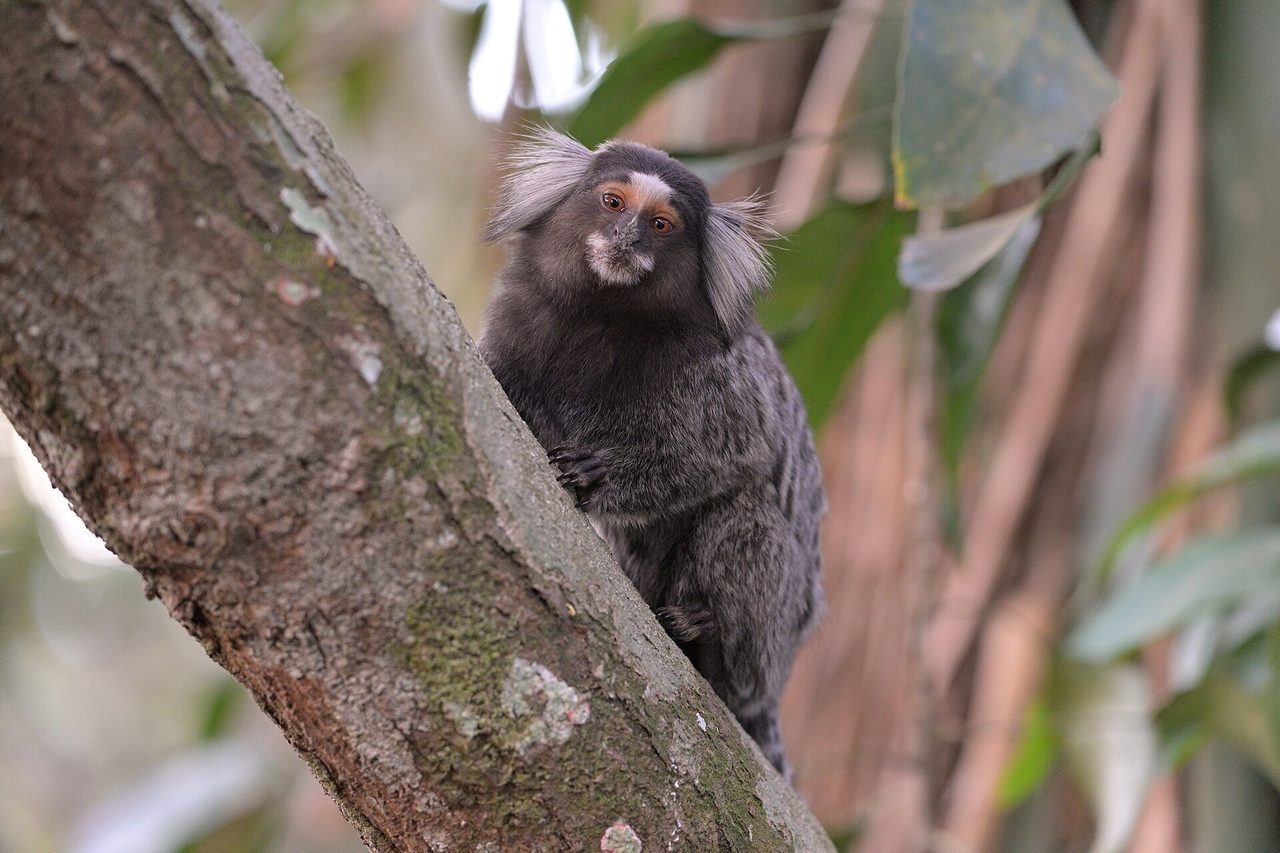
Photo: Wilfredor / Wikimedia Commons (CC0)
In brief
The Common Marmoset is a tiny New World primate from Brazil's Atlantic Forest, instantly recognised by ear tufts, claw-like nails and gum-feeding specialisation. Its defining trait is cooperative breeding in extended family groups — yet it remains a demanding, CITES-regulated species unsuited to casual pet keeping.
What are the key facts about a Common Marmoset?
The Common Marmoset is a monkey species from North-eastern Brazil: small (300–500 g), active, vocal, family-oriented. Tiny gum-feeding primate with white ear tufts — appealing but very demanding.
| Origin | North-eastern Brazil |
|---|---|
| Size | Small (300–500 g) |
| Typical weight | 300–500 g (11–18 oz); one of the smallest monkeys kept in captivity |
| Lifespan | Around 12 years (wild); up to 16–20 in good captivity |
| Coat & markings | Soft grey, brown or tawny fur with white ear tufts and banded tail. Claws rather than flat nails help cling to bark when gouging tree holes for gum and sap. Fur requires social grooming; solitary housing causes stress-related fur loss in captivity. |
| Temperament | Active, vocal, family-oriented |
| Conservation note | Not suitable as a household pet — common marmosets are CITES Appendix II listed, need continuous social contact with conspecifics and specialist primate veterinary care. Wild populations require Atlantic Forest protection against fragmentation and illegal trapping. Ethical interest is best directed at accredited sanctuaries and Brazilian habitat restoration rather than private ownership. |
Should you keep a Common Marmoset as a pet?
No. A Common Marmoset is a wild monkey from North-eastern Brazil, not a companion animal. Private keeping usually means an infant taken from a troop, a lifetime of unmet social needs, and often a legal offence.
People search this page because the Common Marmoset looks small, clever or “manageable” in photos. That is the trap. Wild primates need a troop, a range, and a diet that is not human leftovers. The Common Marmoset is from North-eastern Brazil; its conservation note on this page is not suitable as a household pet — common marmosets are cites appendix ii listed, need continuous social contact with conspecifics and specialist primate veterinary care. wild populations require atlantic forest protection against fragmentation and illegal trapping. ethical interest is best directed at accredited sanctuaries and brazilian habitat restoration rather than private ownership..
If you met a Common Marmoset in a selfie setting or a roadside stall, walk away and do not pay. Paying creates the next capture. Read this as a species briefing, then use the wildlife guide and the appeals linked at the bottom if you want to help the wild population.
What is a Common Marmoset?
Tiny gum-feeding primate with white ear tufts — appealing but very demanding. Origin is North-eastern Brazil; coat or markings are described as Soft grey, brown or tawny fur with white ear tufts and banded tail. Claws rather than flat nails help cling to bark when gouging tree holes for gum and sap. Fur requires social grooming; solitary housing causes stress-related fur loss in captivity..
Treat “species” here as a library label for a wild species or distinct form, not as a kennel-club product.
Where does the Common Marmoset come from?
Common Marmosets come from North-eastern Brazil. Common marmosets range through eastern Brazil's Atlantic Forest and Caatinga edge, where family groups of up to 15 individuals share territories.
Cooperative breeding means dominant pairs often rely on helpers to raise twins — unusual among primates. The pet trade exploded in the late 20th century as marmosets were marketed as pocket-sized companions, causing welfare failures and wild trapping pressure. Brazil restricts export; Britain and the EU tightened primate pet rules after welfare campaigns. Research colonies contributed to diabetes and ageing studies because marmoset physiology resembles humans more closely than larger monkeys.
What does a Common Marmoset actually need?
A wild Common Marmoset needs the habitat and social system of North-eastern Brazil, not a spare room. Size (Small (300–500 g)) and a active, vocal, family-oriented life history are why private keeping fails.
In the wild that means connected habitat, a diet the species evolved with, and distance from the pet and selfie trades. Captive “care sheets” for wild monkeys are how trafficking gets laundered as husbandry.
If you already work in accredited rescue, follow specialist protocols and licensing. Everyone else: do not acquire a Common Marmoset. Support habitat and anti-trafficking work instead.
What surprises people about the Common Marmoset?
A few details about the breed, alongside the practical care information in this guide.
- Common marmosets gouge tree bark with specialised incisors to harvest gum and sap.
- Twins are the norm, raised with help from older siblings and non-breeding adults.
- Ear tufts vary in size and colour between individuals and help recognition within troops.
- Marmoset calls include high-pitched trills and chirps used in territory defence.
What health issues should you know about in a Common Marmoset?
Health concerns to discuss with your vet, including changes to watch for and everyday care. This is general guidance, not veterinary advice — always speak to your vet.
Metabolic bone disease
Calcium and vitamin D imbalance from poor diet causes brittle bones, fractures and limb deformities — common when marmosets are fed fruit alone without gum or specialist pellets.
Care: Primate-experienced vets should design balanced nutrition with UV-B exposure where appropriate. Never supplement without blood testing.
Gum disease
Soft or sugary captive diets promote periodontal infection and tooth loss in gum-gouging species adapted to rough natural forage.
Care: Provide appropriate chew items, regular dental checks under anaesthesia and diet review by a primate vet.
Pet trade welfare issues
Trauma from early removal, isolation from conspecifics and inadequate housing causes self-injury, stereotypic pacing and shortened lifespan.
Care: Support primate sanctuary rescue and stricter enforcement of private primate bans rather than purchasing trade animals.
Who should skip a Common Marmoset?
Skip a Common Marmoset if you are anyone hoping to keep a Common Marmoset as a pet or photo prop. This North-eastern Brazil monkey is small (300–500 g) and active, vocal, family-oriented — the mismatch is usually lifestyle, not a missing accessory.
This page is allowed to say no. Skip if you are anyone hoping to keep a Common Marmoset as a pet or photo prop. Skip if you are anyone who will pay for a wild-caught or roadside animal. Skip if you are tourists looking for handling or selfies.
A different monkey species on this site may fit. Wanting “a Common Marmoset” after a film or a colour photo is not a reason to ignore the skip list.
What are the hidden catches with a Common Marmoset?
The hidden cost of a Common Marmoset is usually not the purchase price. It is years of care, the health list on this page, and the mismatch between a active, vocal, family-oriented animal and a busy home.
The pet-trade catch
Cute infant Common Marmosets in ads were usually taken from wild families. The adult you cannot house is then dumped, euthanised, or passed on. Do not create that demand.
The tourism catch
Paying to hold, ride, or selfie with a Common Marmoset funds the next capture or a stressed ambassador animal. Distance and accredited viewing are the ethical default.
The metabolic bone disease catch
Calcium and vitamin D imbalance from poor diet causes brittle bones, fractures and limb deformities — common when marmosets are fed fruit alone without gum or specialist pellets. Primate-experienced vets should design balanced nutrition with UV-B exposure where appropriate. Never supplement without blood testing.
The gum disease catch
Soft or sugary captive diets promote periodontal infection and tooth loss in gum-gouging species adapted to rough natural forage. Provide appropriate chew items, regular dental checks under anaesthesia and diet review by a primate vet.
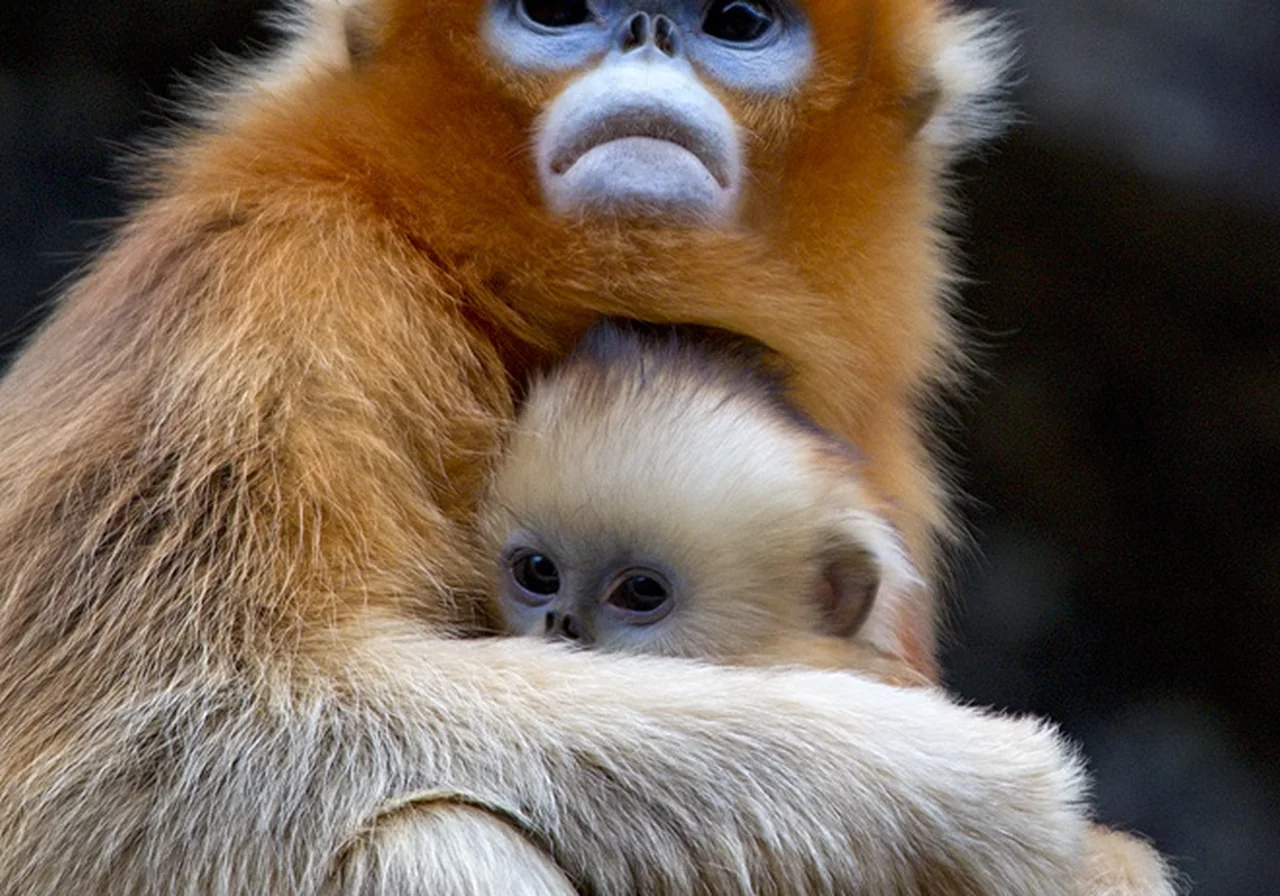
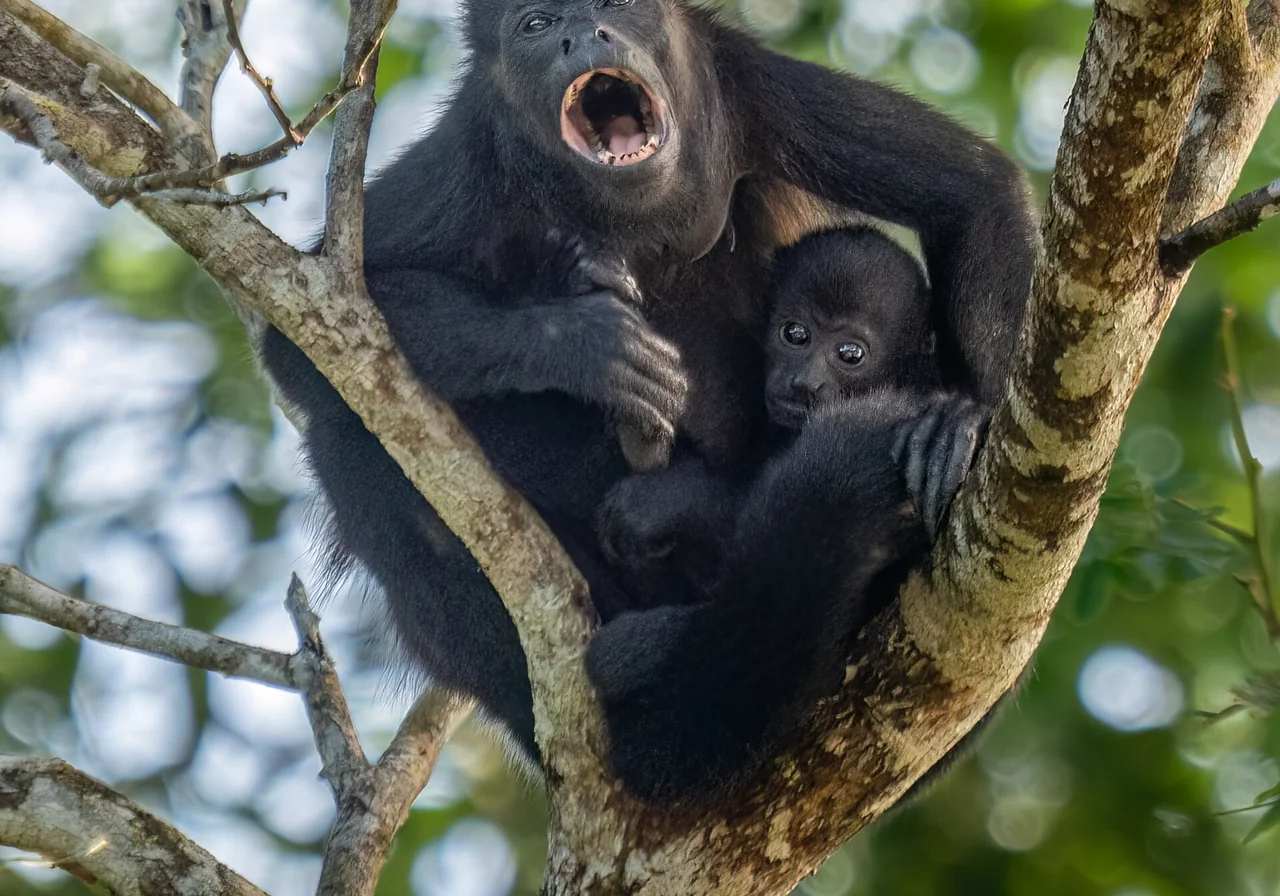
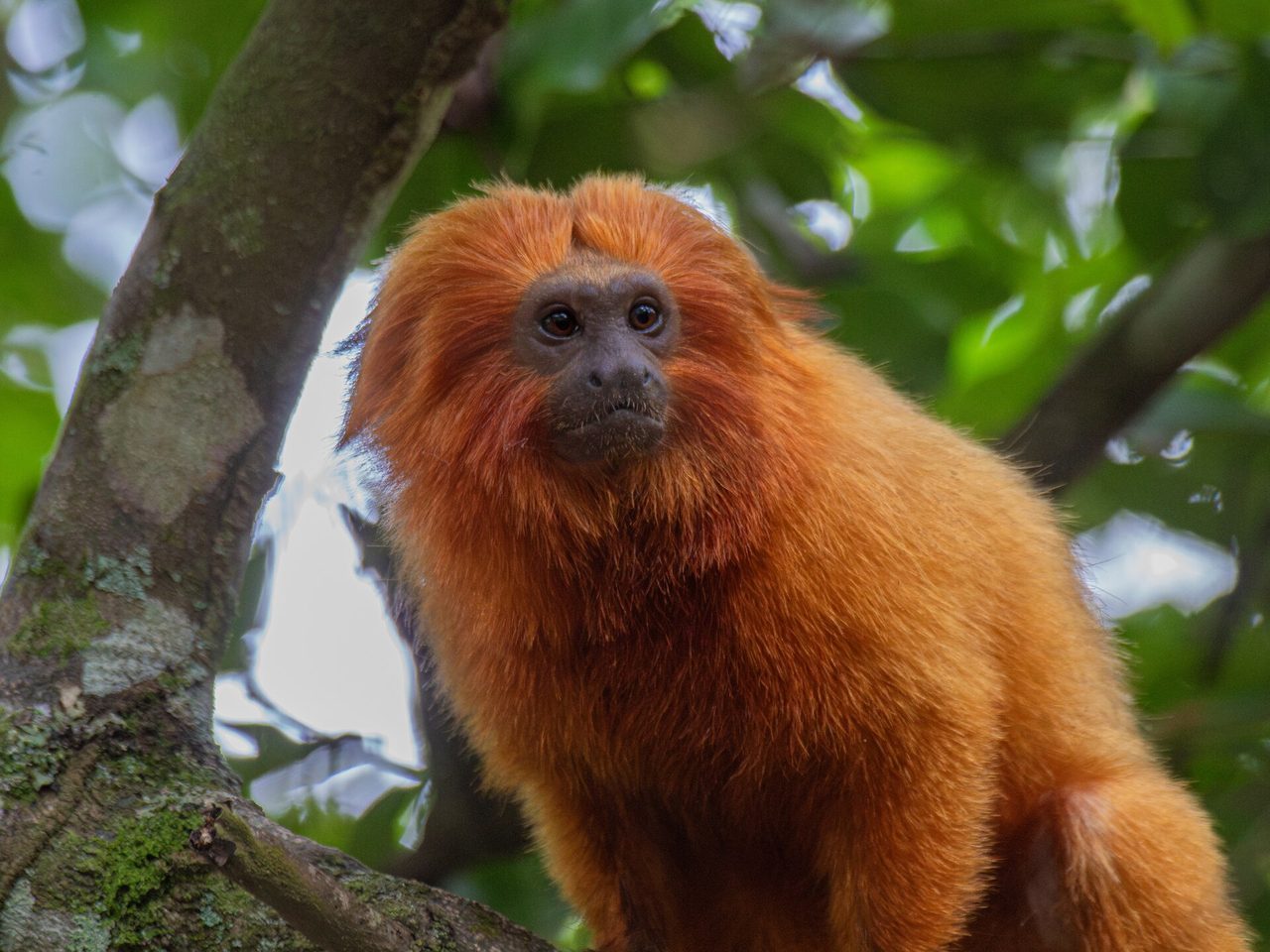
How does a Common Marmoset compare with Golden Snub-Nosed Monkey and Spider Monkey?
A Common Marmoset is not interchangeable with Golden Snub-Nosed Monkey and Spider Monkey. Compare origin, size, lifespan and temperament before you choose — those four lines prevent most regret.
| Monkey fact | Common Marmoset | Golden Snub-Nosed Monkey | Spider Monkey |
|---|---|---|---|
| Origin | North-eastern Brazil | Central China (Sichuan, Gansu, Shaanxi, Hubei) | Southern Mexico to Brazil (Neotropical forests) |
| Size | Small (300–500 g) | Large (males ~15–20 kg; females ~9–10 kg) | Medium (6–9 kg) |
| Lifespan | Around 12 years (wild); up to 16–20 in good captivity | Around 20–25 years (wild) | 20–27 years (wild); up to ~40 in captivity |
| Temperament | Active, vocal, family-oriented | Cold-hardy, highly social | Acrobatic, frugivorous, far-ranging |
What is the verdict on the Common Marmoset?
A Common Marmoset is a wild monkey to understand and protect, not a pet to acquire. If you came here to buy one, the verdict is no. If you came here to learn, use the species guide next.
Help looks like habitat, enforcement and refusing the trade — not a cage in a spare room. WARN is a CIC, not a charity; donate only if you want to fund partner work in our network countries, and do not expect Gift Aid.
Monkeys belong in the wild
Monkeys are intelligent, social primates — not pets. The illegal pet trade and habitat loss threaten species from marmosets to macaques. WARN funds anti-trafficking and habitat work for primates in our partner countries.