Lemur Species · Madagascar (south & south-west)
Ring-tailed Lemur
Madagascar's icon — black-and-white banded tail and ground-dwelling troops.
By WARN Research & Conservation TeamLast updated
In brief
The Ring-tailed Lemur is Madagascar's most recognisable primate — a medium-sized strepsirrhine with a striking black-and-white banded tail and upright sunbathing posture. Its defining trait is female-dominated troop life in the spiny forests and gallery woodlands of southern Madagascar. Listed as Endangered, it is CITES Appendix I listed and must never be kept as a pet.
What are the key facts about a Ring-tailed Lemur?
The Ring-tailed Lemur is a lemur species from Madagascar (south & south-west): medium (2.2 kg), diurnal, social, female-dominant. Madagascar's icon — black-and-white banded tail and ground-dwelling troops.
| Origin | Madagascar (south & south-west) |
|---|---|
| Size | Medium (2.2 kg) |
| Typical weight | 2.2–2.5 kg (4.9–5.5 lb); males and females similar in size, with females socially dominant |
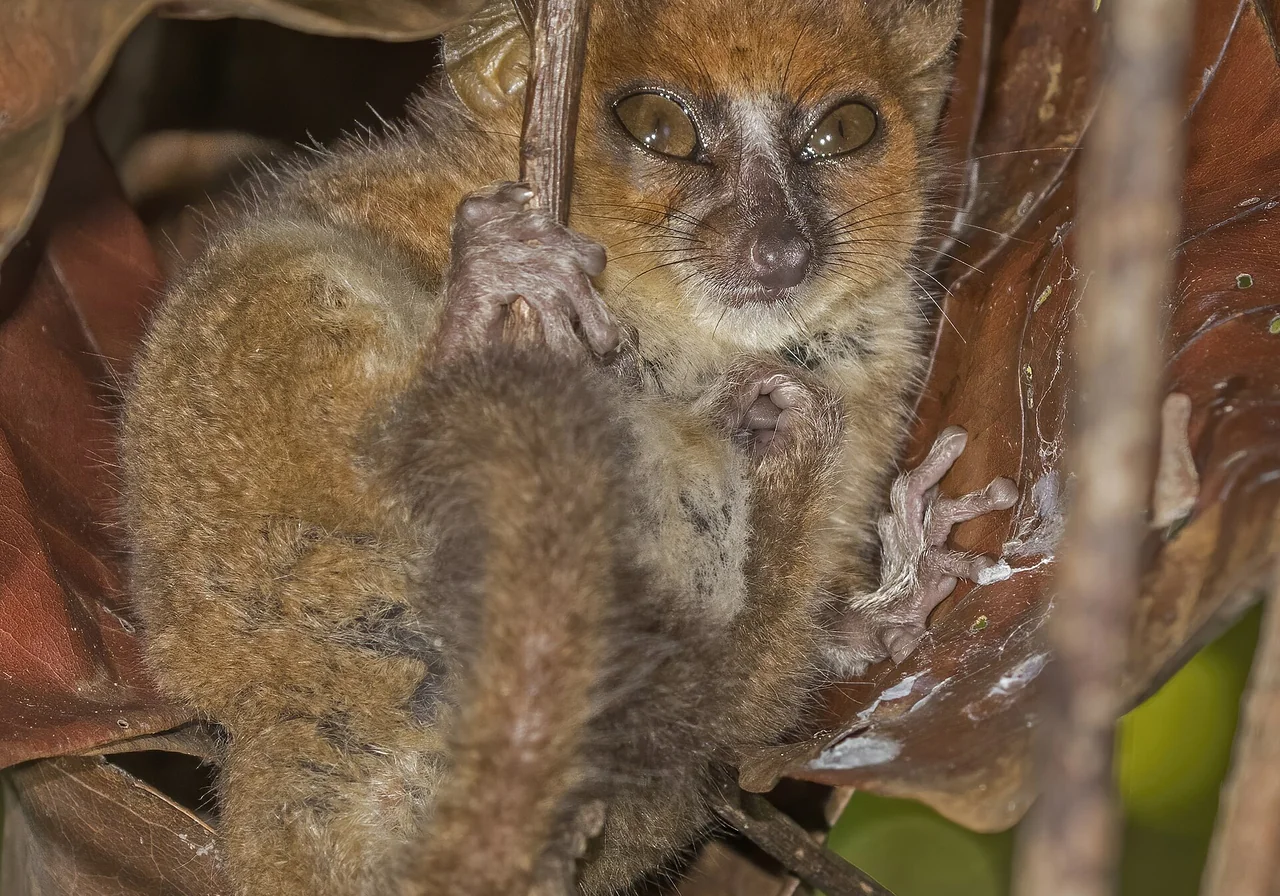
| Lifespan | 15–25 years (varies; mouse lemurs shorter) |
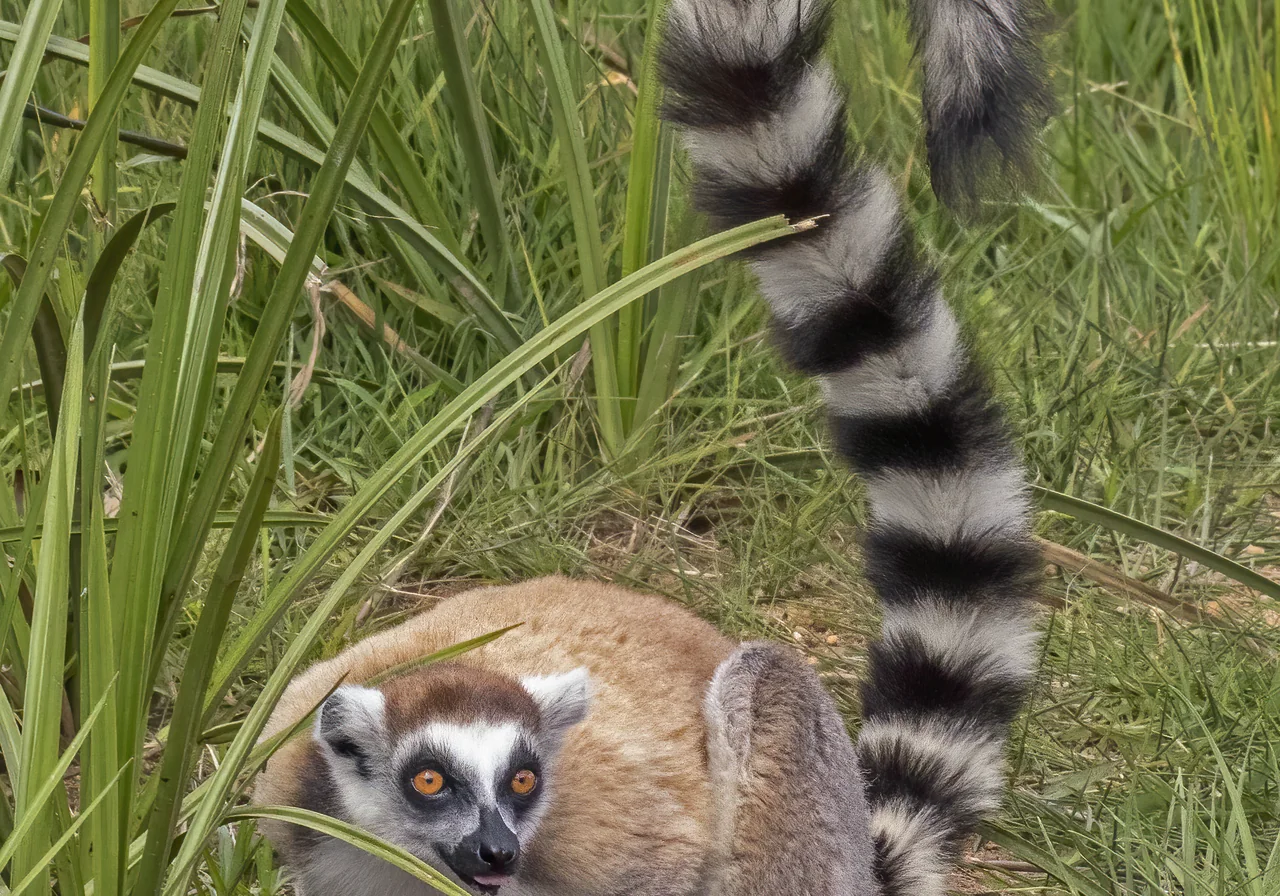
| Coat & markings | Dense grey-brown fur with white ear tufts and a long tail ringed in alternating black and white bands — the pattern is unique to each individual. Chest and belly are pale grey; face is grey with dark eye patches. Fur thickens in cooler months; tail scent glands produce a pungent musk used in 'stink fights' between males. |
| Temperament | Diurnal, social, female-dominant |
| Conservation note | Wild conservation only — ring-tailed lemurs are CITES Appendix I listed and unsuitable for any domestic setting. They need multi-hectare forest, large social troops and specialist diets impossible to replicate at home. Support Madagascar protected areas such as Andringa and Isalo, and accredited zoos participating in managed breeding programmes rather than purchasing lemurs of uncertain origin. |
Should you keep a Ring-tailed Lemur as a pet?
No. A Ring-tailed Lemur is a wild lemur from Madagascar (south & south-west), not a companion animal. Private keeping usually means an infant taken from a troop, a lifetime of unmet social needs, and often a legal offence.
People search this page because the Ring-tailed Lemur looks small, clever or “manageable” in photos. That is the trap. Wild primates need a troop, a range, and a diet that is not human leftovers. The Ring-tailed Lemur is from Madagascar (south & south-west); its conservation note on this page is wild conservation only — ring-tailed lemurs are cites appendix i listed and unsuitable for any domestic setting. they need multi-hectare forest, large social troops and specialist diets impossible to replicate at home. support madagascar protected areas such as andringa and isalo, and accredited zoos participating in managed breeding programmes rather than purchasing lemurs of uncertain origin..
If you met a Ring-tailed Lemur in a selfie setting or a roadside stall, walk away and do not pay. Paying creates the next capture. Read this as a species briefing, then use the wildlife guide and the appeals linked at the bottom if you want to help the wild population.
What is a Ring-tailed Lemur?
Madagascar's icon — black-and-white banded tail and ground-dwelling troops. Origin is Madagascar (south & south-west); coat or markings are described as Dense grey-brown fur with white ear tufts and a long tail ringed in alternating black and white bands — the pattern is unique to each individual. Chest and belly are pale grey; face is grey with dark eye patches. Fur thickens in cooler months; tail scent glands produce a pungent musk used in 'stink fights' between males..
Treat “species” here as a library label for a wild species or distinct form, not as a kennel-club product.
Where does the Ring-tailed Lemur come from?
Ring-tailed Lemurs come from Madagascar (south & south-west). Ring-tailed lemurs (Lemur catta) inhabit the spiny forest, gallery woodland and rocky outcrops of southern and south-western Madagascar — one of the island's driest regions.
Troops of up to 30 individuals forage for fruit, leaves, flowers and tamarind pods, spending more time on the ground than any other lemur. Females dominate males through priority access to food and grooming — a rare matriarchy among mammals. They sunbathe upright with arms spread, thermoregulating before afternoon foraging. Tourism and the illegal pet trade have made ring-tailed lemurs globally familiar, yet wild populations have declined sharply as charcoal production, slash-and-burn agriculture and mining fragment spiny forest. The species is Endangered on the IUCN Red List and listed on CITES Appendix I, prohibiting commercial international trade in wild specimens. Captive populations in accredited zoos support education and genetic management, but most captive individuals outside formal programmes trace to illegal trade. Conservation groups including WARN partners work on reforestation, community livelihoods and anti-trafficking enforcement across the south.
What does a Ring-tailed Lemur actually need?
A wild Ring-tailed Lemur needs the habitat and social system of Madagascar (south & south-west), not a spare room. Size (Medium (2.2 kg)) and a diurnal, social, female-dominant life history are why private keeping fails.
In the wild that means connected habitat, a diet the species evolved with, and distance from the pet and selfie trades. Captive “care sheets” for wild lemurs are how trafficking gets laundered as husbandry.
If you already work in accredited rescue, follow specialist protocols and licensing. Everyone else: do not acquire a Ring-tailed Lemur. Support habitat and anti-trafficking work instead.
What surprises people about the Ring-tailed Lemur?
A few details about the breed, alongside the practical care information in this guide.
- Ring-tailed lemurs 'stink fight' by rubbing tail scent glands and waving tails at rivals during disputes.
- Females remain in their birth troop for life while males migrate between groups at maturity.
- They are the most terrestrial lemur — spending up to 40% of time on the ground.
- Their Latin name Lemur catta refers to ghost-like nocturnal ancestors — though ring-tails are strictly diurnal.
What health issues should you know about in a Ring-tailed Lemur?
Health concerns to discuss with your vet, including changes to watch for and everyday care. This is general guidance, not veterinary advice — always speak to your vet.
Habitat loss (wild)
Charcoal production and slash-and-burn agriculture destroy spiny forest and gallery woodland across southern Madagascar, isolating troops in fragments too small to sustain genetic diversity.
Care: Support reforestation and community fuel alternatives. Donate to protected area management at Andringa, Isalo and community-managed reserves.
Pet trade capture
Infants are taken from troops for illegal domestic and tourism markets after mothers are killed or separated. Captive animals rarely receive adequate social groups or diet.
Care: Never purchase lemurs. Report suspected trafficking to authorities and support sanctuaries that cannot release confiscated individuals back to the wild.
Nutritional deficiencies (captive)
Confiscated or improperly kept ring-tailed lemurs develop metabolic bone disease, obesity and dental problems on human food or fruit-only diets.
Care: Only accredited facilities with primate nutritionists should hold ring-tailed lemurs. Confiscated animals need lifelong sanctuary care, not private ownership.
Who should skip a Ring-tailed Lemur?
Skip a Ring-tailed Lemur if you are anyone hoping to keep a Ring-tailed Lemur as a pet or photo prop. This Madagascar (south & south-west) lemur is medium (2.2 kg) and diurnal, social, female-dominant — the mismatch is usually lifestyle, not a missing accessory.
This page is allowed to say no. Skip if you are anyone hoping to keep a Ring-tailed Lemur as a pet or photo prop. Skip if you are anyone who will pay for a wild-caught or roadside animal. Skip if you are tourists looking for handling or selfies.
A different lemur species on this site may fit. Wanting “a Ring-tailed Lemur” after a film or a colour photo is not a reason to ignore the skip list.
What are the hidden catches with a Ring-tailed Lemur?
The hidden cost of a Ring-tailed Lemur is usually not the purchase price. It is years of care, the health list on this page, and the mismatch between a diurnal, social, female-dominant animal and a busy home.
The pet-trade catch
Cute infant Ring-tailed Lemurs in ads were usually taken from wild families. The adult you cannot house is then dumped, euthanised, or passed on. Do not create that demand.
The tourism catch
Paying to hold, ride, or selfie with a Ring-tailed Lemur funds the next capture or a stressed ambassador animal. Distance and accredited viewing are the ethical default.
The habitat loss (wild) catch
Charcoal production and slash-and-burn agriculture destroy spiny forest and gallery woodland across southern Madagascar, isolating troops in fragments too small to sustain genetic diversity. Support reforestation and community fuel alternatives. Donate to protected area management at Andringa, Isalo and community-managed reserves.
The pet trade capture catch
Infants are taken from troops for illegal domestic and tourism markets after mothers are killed or separated. Captive animals rarely receive adequate social groups or diet. Never purchase lemurs. Report suspected trafficking to authorities and support sanctuaries that cannot release confiscated individuals back to the wild.
How does a Ring-tailed Lemur compare with Indri and Aye-aye?
A Ring-tailed Lemur is not interchangeable with Indri and Aye-aye. Compare origin, size, lifespan and temperament before you choose — those four lines prevent most regret.
| Lemur fact | Ring-tailed Lemur | Indri | Aye-aye |
|---|---|---|---|
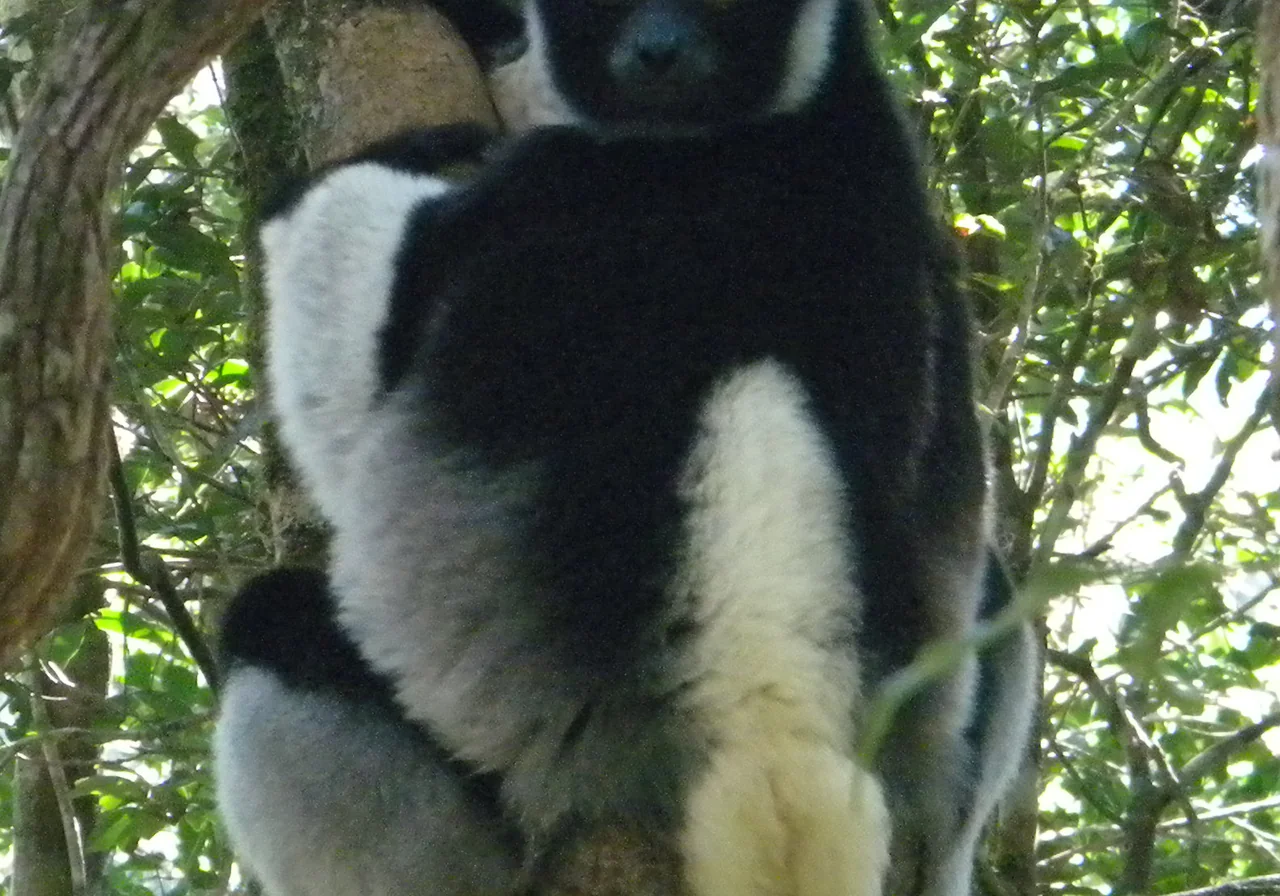
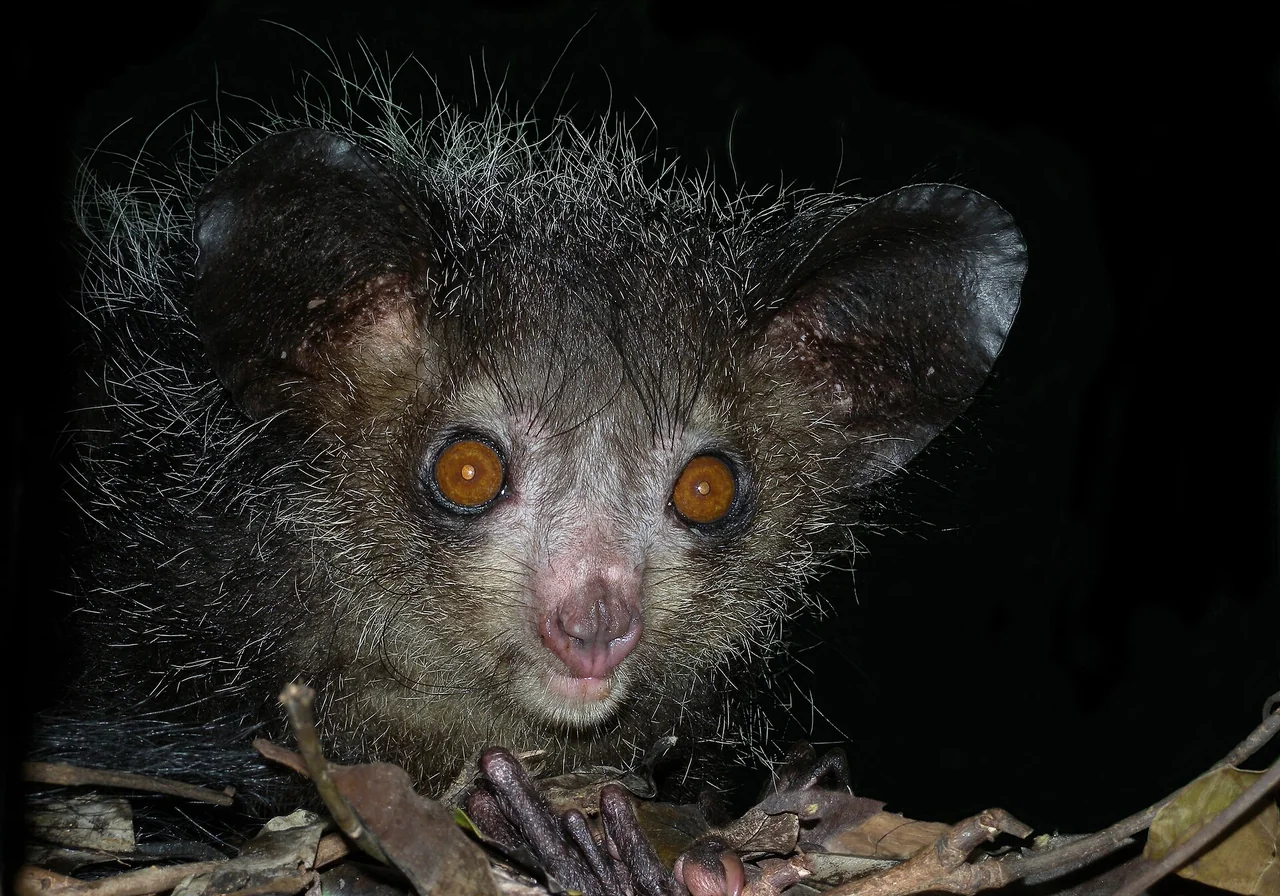
| Origin | Madagascar (south & south-west) | Madagascar (eastern rainforest) | Madagascar (east & north) |
| Size | Medium (2.2 kg) | Large (7–10 kg) | Medium (2.5 kg) |
| Lifespan | 15–25 years (varies; mouse lemurs shorter) | 15–25 years (varies; mouse lemurs shorter) | 15–25 years (varies; mouse lemurs shorter) |
| Temperament | Diurnal, social, female-dominant | Pair-bonded, vocal, arboreal | Nocturnal, solitary, specialised feeder |
What is the verdict on the Ring-tailed Lemur?
A Ring-tailed Lemur is a wild lemur to understand and protect, not a pet to acquire. If you came here to buy one, the verdict is no. If you came here to learn, use the species guide next.
Help looks like habitat, enforcement and refusing the trade — not a cage in a spare room. WARN is a CIC, not a charity; donate only if you want to fund partner work in our network countries, and do not expect Gift Aid.
Lemurs belong in Madagascar's forests
Every lemur species is CITES Appendix I and most are Endangered or Critically Endangered. Habitat protection — not the pet trade — is their only path to survival.