Lemur Species · Madagascar (Masoala Peninsula)
Red Ruffed Lemur
Flame-red rainforest specialist confined to Masoala — Critically Endangered.
By WARN Research & Conservation TeamLast updated
In brief
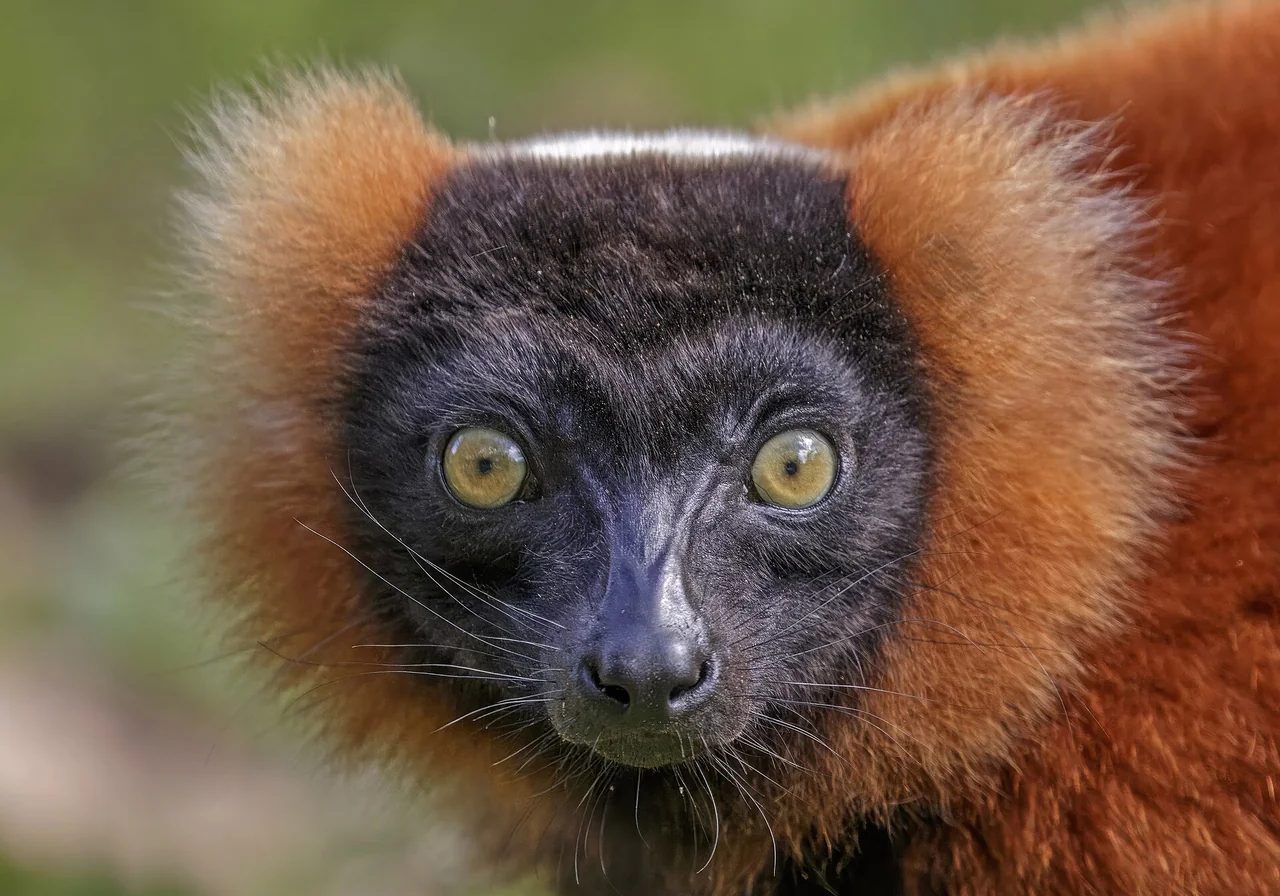
The Red Ruffed Lemur is a flame-red rainforest specialist confined to the Masoala Peninsula in north-eastern Madagascar — among the most range-restricted large lemurs on Earth. Its defining trait is vivid crimson and rufous pelage and a frugivorous diet tied to pristine lowland forest. Critically Endangered and CITES Appendix I listed, it must never be kept as a pet.
What are the key facts about a Red Ruffed Lemur?
The Red Ruffed Lemur is a lemur species from Madagascar (Masoala Peninsula): large (3.6 kg), arboreal, frugivorous, vocal. Flame-red rainforest specialist confined to Masoala — Critically Endangered.
| Origin | Madagascar (Masoala Peninsula) |
|---|---|
| Size | Large (3.6 kg) |
| Typical weight | 3.6–4.2 kg (7.9–9.3 lb); similar in size to the black-and-white ruffed lemur but geographically isolated |
| Lifespan | 15–25 years (varies; mouse lemurs shorter) |
| Coat & markings | Luxuriant long fur in deep red, rufous and orange tones with darker face and limbs; white patch at the nape in some individuals. Fluffy ruff frames the face. Coat colour varies with light and individual age — among the most visually striking of all lemurs. Fur insulates against humid lowland rainforest conditions on the Masoala Peninsula. |
| Temperament | Arboreal, frugivorous, vocal |
| Conservation note | Wild conservation only — red ruffed lemurs are CITES Appendix I listed and restricted to a single peninsula now threatened by illegal logging. They require pristine lowland rainforest and social groups. Support Masoala National Park protection and the managed Varecia rubra breeding programme rather than any attempt at private ownership. |
Should you keep a Red Ruffed Lemur as a pet?
No. A Red Ruffed Lemur is a wild lemur from Madagascar (Masoala Peninsula), not a companion animal. Private keeping usually means an infant taken from a troop, a lifetime of unmet social needs, and often a legal offence.
People search this page because the Red Ruffed Lemur looks small, clever or “manageable” in photos. That is the trap. Wild primates need a troop, a range, and a diet that is not human leftovers. The Red Ruffed Lemur is from Madagascar (Masoala Peninsula); its conservation note on this page is wild conservation only — red ruffed lemurs are cites appendix i listed and restricted to a single peninsula now threatened by illegal logging. they require pristine lowland rainforest and social groups. support masoala national park protection and the managed varecia rubra breeding programme rather than any attempt at private ownership..
If you met a Red Ruffed Lemur in a selfie setting or a roadside stall, walk away and do not pay. Paying creates the next capture. Read this as a species briefing, then use the wildlife guide and the appeals linked at the bottom if you want to help the wild population.
What is a Red Ruffed Lemur?
Flame-red rainforest specialist confined to Masoala — Critically Endangered. Origin is Madagascar (Masoala Peninsula); coat or markings are described as Luxuriant long fur in deep red, rufous and orange tones with darker face and limbs; white patch at the nape in some individuals. Fluffy ruff frames the face. Coat colour varies with light and individual age — among the most visually striking of all lemurs. Fur insulates against humid lowland rainforest conditions on the Masoala Peninsula..
Treat “species” here as a library label for a wild species or distinct form, not as a kennel-club product.
Where does the Red Ruffed Lemur come from?
Red Ruffed Lemurs come from Madagascar (Masoala Peninsula). Red ruffed lemurs (Varecia rubra) live only on the Masoala Peninsula in north-eastern Madagascar — a biodiversity hotspot of lowland rainforest jutting into the Indian Ocean.
They share the frugivorous, nest-building ecology of their black-and-white relatives but are geographically isolated by the Bay of Antongil. Groups forage for ripe fruit, nectar and flowers in the upper canopy, dispersing seeds of tree species found nowhere else on Earth. Illegal rosewood and ebony logging accelerated on Masoala after political instability, destroying primary forest faster than protected area staff could respond. Cyclones regularly damage remaining forest across the eastern belt. Red ruffed lemurs are Critically Endangered on the IUCN Red List and CITES Appendix I listed, with wild populations possibly below 1,000 individuals. A managed breeding programme in accredited zoos maintains an insurance population genetically distinct from Varecia variegata.
What does a Red Ruffed Lemur actually need?
A wild Red Ruffed Lemur needs the habitat and social system of Madagascar (Masoala Peninsula), not a spare room. Size (Large (3.6 kg)) and a arboreal, frugivorous, vocal life history are why private keeping fails.
In the wild that means connected habitat, a diet the species evolved with, and distance from the pet and selfie trades. Captive “care sheets” for wild lemurs are how trafficking gets laundered as husbandry.
If you already work in accredited rescue, follow specialist protocols and licensing. Everyone else: do not acquire a Red Ruffed Lemur. Support habitat and anti-trafficking work instead.
What surprises people about the Red Ruffed Lemur?
A few details about the breed, alongside the practical care information in this guide.
- Red ruffed lemurs exist only on the Masoala Peninsula — one of the smallest ranges of any large lemur.
- They produce twins like black-and-white ruffed lemurs, with females building stick nests for birth.
- Masoala holds rainforest species found nowhere else on Earth — losing the peninsula means losing global biodiversity.
- Red and black-and-white ruffed lemurs are kept separate in zoos to prevent hybridisation between distinct species.
What health issues should you know about in a Red Ruffed Lemur?
Health concerns to discuss with your vet, including changes to watch for and everyday care. This is general guidance, not veterinary advice — always speak to your vet.
Habitat loss (wild)
Illegal logging on the Masoala Peninsula removes primary lowland rainforest and the large fruit trees red ruffed lemurs require for foraging and nesting.
Care: Fund Masoala National Park patrols and anti-illegal logging campaigns. International pressure on rosewood trade routes reduces market demand.
Cyclone damage to forest
North-eastern Madagascar faces regular cyclones that flatten canopy and destroy fruiting trees, causing starvation in the months following storms.
Care: Post-cyclone reforestation with native species and emergency feeding monitoring by field teams. Climate resilience planning for coastal forest.
Hunting
Bushmeat hunting targets ruffed lemurs in food-insecure communities near Masoala despite legal protection.
Care: Community livelihood programmes and conservation agreements linking forest protection to tangible benefits reduce hunting pressure.
Who should skip a Red Ruffed Lemur?
Skip a Red Ruffed Lemur if you are anyone hoping to keep a Red Ruffed Lemur as a pet or photo prop. This Madagascar (Masoala Peninsula) lemur is large (3.6 kg) and arboreal, frugivorous, vocal — the mismatch is usually lifestyle, not a missing accessory.
This page is allowed to say no. Skip if you are anyone hoping to keep a Red Ruffed Lemur as a pet or photo prop. Skip if you are anyone who will pay for a wild-caught or roadside animal. Skip if you are tourists looking for handling or selfies.
A different lemur species on this site may fit. Wanting “a Red Ruffed Lemur” after a film or a colour photo is not a reason to ignore the skip list.
What are the hidden catches with a Red Ruffed Lemur?
The hidden cost of a Red Ruffed Lemur is usually not the purchase price. It is years of care, the health list on this page, and the mismatch between a arboreal, frugivorous, vocal animal and a busy home.
The pet-trade catch
Cute infant Red Ruffed Lemurs in ads were usually taken from wild families. The adult you cannot house is then dumped, euthanised, or passed on. Do not create that demand.
The tourism catch
Paying to hold, ride, or selfie with a Red Ruffed Lemur funds the next capture or a stressed ambassador animal. Distance and accredited viewing are the ethical default.
The habitat loss (wild) catch
Illegal logging on the Masoala Peninsula removes primary lowland rainforest and the large fruit trees red ruffed lemurs require for foraging and nesting. Fund Masoala National Park patrols and anti-illegal logging campaigns. International pressure on rosewood trade routes reduces market demand.
The cyclone damage to forest catch
North-eastern Madagascar faces regular cyclones that flatten canopy and destroy fruiting trees, causing starvation in the months following storms. Post-cyclone reforestation with native species and emergency feeding monitoring by field teams. Climate resilience planning for coastal forest.
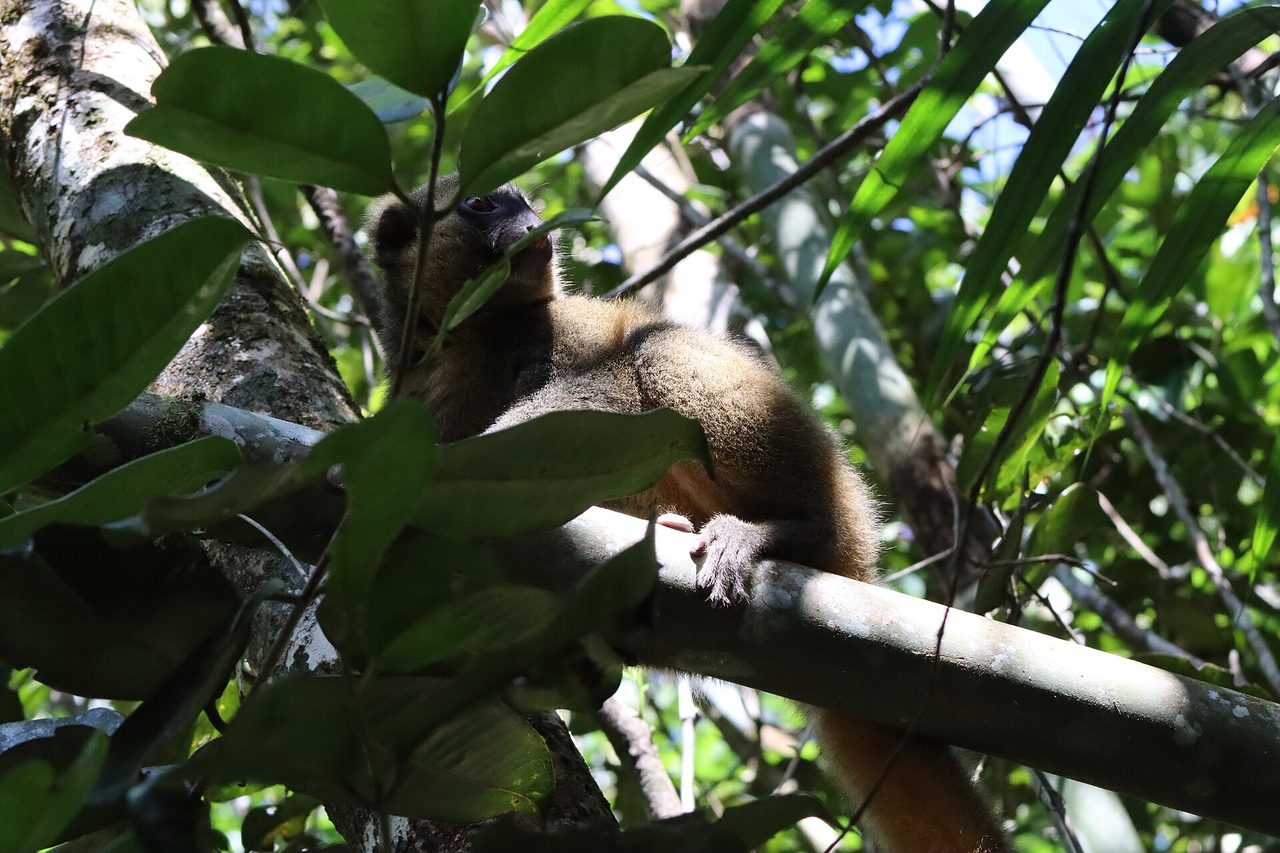
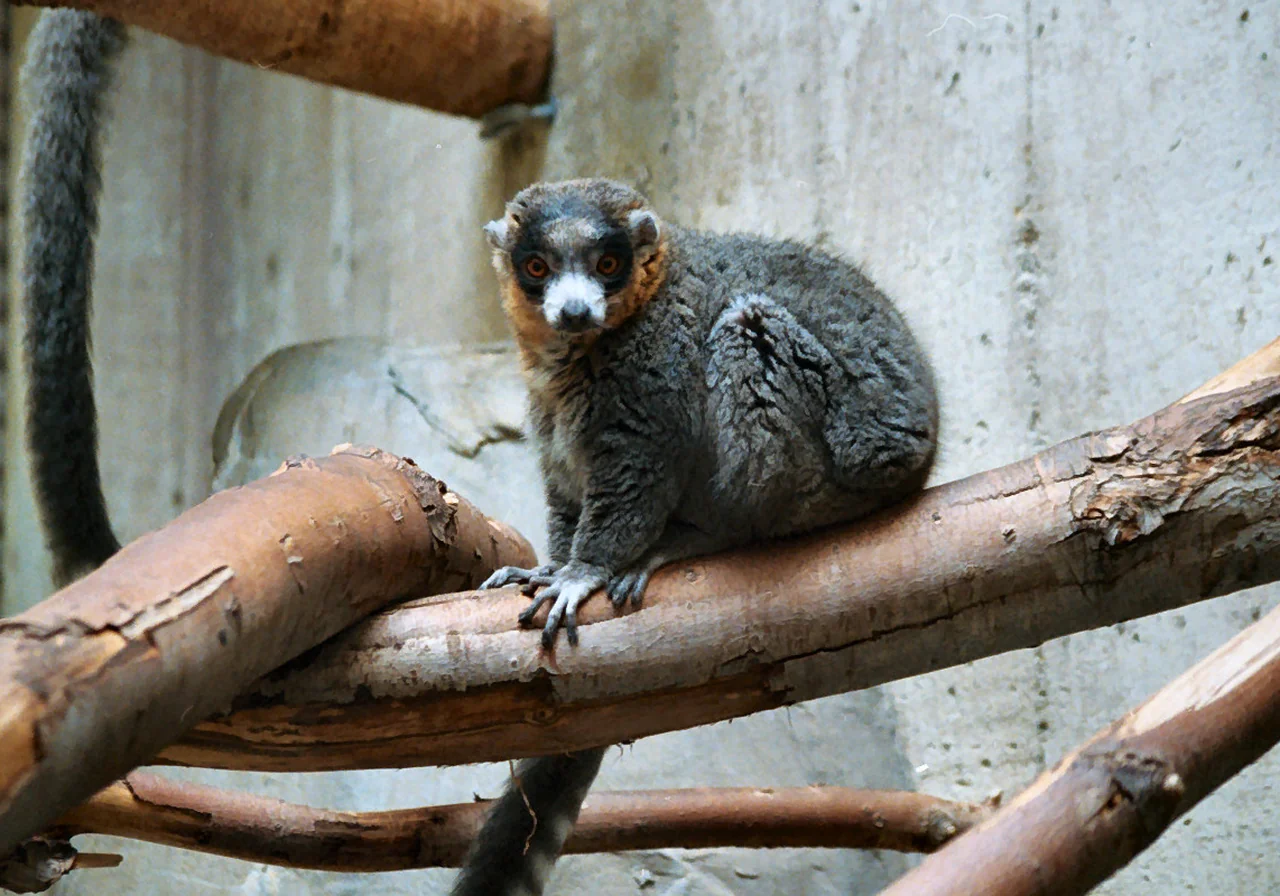
How does a Red Ruffed Lemur compare with Golden Bamboo Lemur and Mongoose Lemur?
A Red Ruffed Lemur is not interchangeable with Golden Bamboo Lemur and Mongoose Lemur. Compare origin, size, lifespan and temperament before you choose — those four lines prevent most regret.
| Lemur fact | Red Ruffed Lemur | Golden Bamboo Lemur | Mongoose Lemur |
|---|---|---|---|
| Origin | Madagascar (Masoala Peninsula) | Madagascar (south-east rainforest) | Madagascar (north-west) & Comoros |
| Size | Large (3.6 kg) | Small (1.5 kg) | Small (1.5 kg) |
| Lifespan | 15–25 years (varies; mouse lemurs shorter) | 15–25 years (varies; mouse lemurs shorter) | 15–25 years (varies; mouse lemurs shorter) |
| Temperament | Arboreal, frugivorous, vocal | Bamboo specialist, social | Cathemeral, pair-bonded |
What is the verdict on the Red Ruffed Lemur?
A Red Ruffed Lemur is a wild lemur to understand and protect, not a pet to acquire. If you came here to buy one, the verdict is no. If you came here to learn, use the species guide next.
Help looks like habitat, enforcement and refusing the trade — not a cage in a spare room. WARN is a CIC, not a charity; donate only if you want to fund partner work in our network countries, and do not expect Gift Aid.
Lemurs belong in Madagascar's forests
Every lemur species is CITES Appendix I and most are Endangered or Critically Endangered. Habitat protection — not the pet trade — is their only path to survival.