Chicken Breed · China (via Europe & USA)
Cochin
Massive feathered legs and a gentle giant reputation — popular show and backyard breed.
By WARN Research & Conservation TeamLast updated
In brief
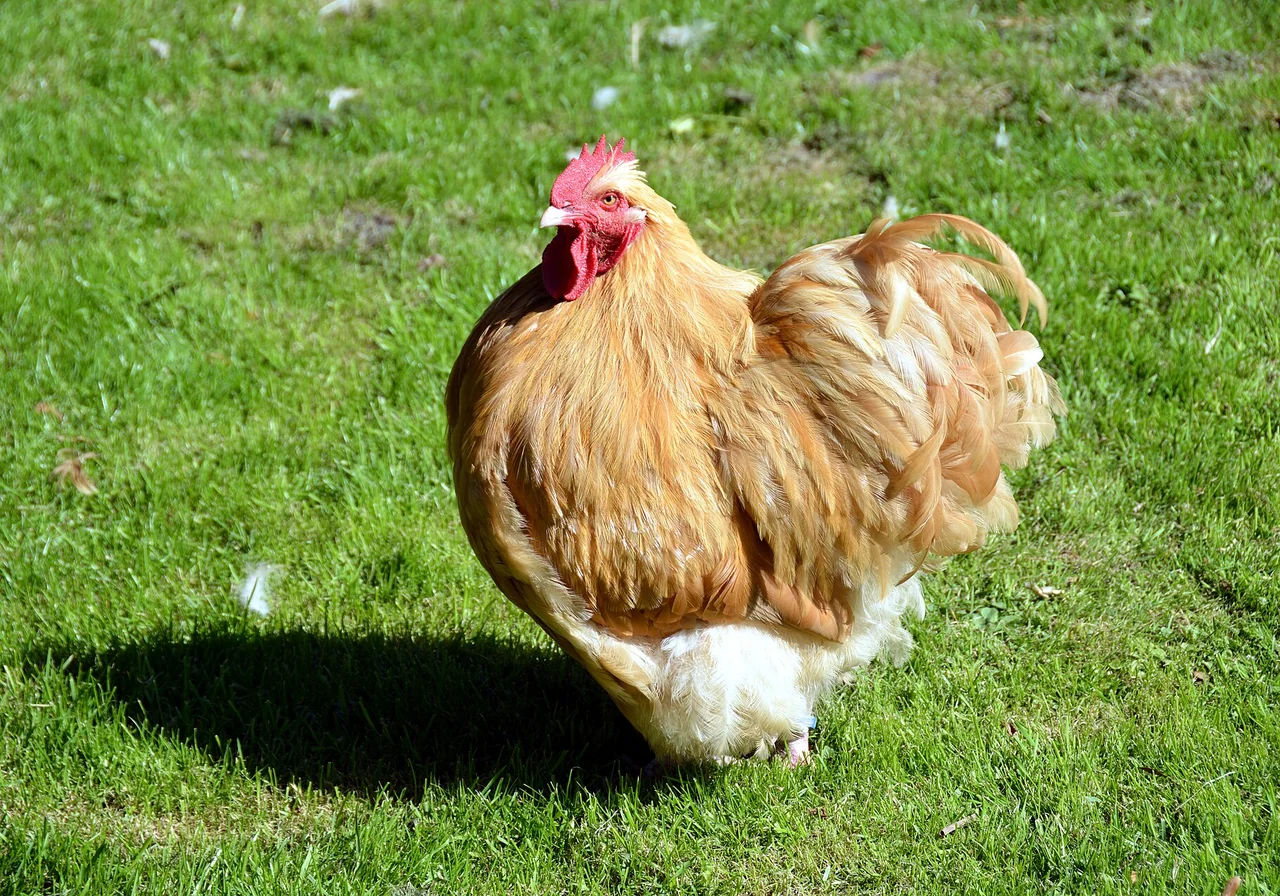
The Cochin is the Victorian feather-legged giant — profuse fluff and extreme docility that sparked the nineteenth-century 'Cochin craze' launching modern poultry fancy. Its defining trait is ornamental broodiness requiring dry housing, obesity prevention and realistic egg expectations.
What are the key facts about a Cochin?
The Cochin is a chicken breed from China (via Europe & USA): heavy (4.5–5.5 kg), docile, broody, feather-footed. Massive feathered legs and a gentle giant reputation — popular show and backyard breed.
| Origin | China (via Europe & USA) |
|---|---|
| Size | Heavy (4.5–5.5 kg) |
| Typical weight | Hens 4.5–5.5 kg (10–12 lb); ball-shaped appearance from feather volume |
| Lifespan | 5–10 years (breed and husbandry dependent) |
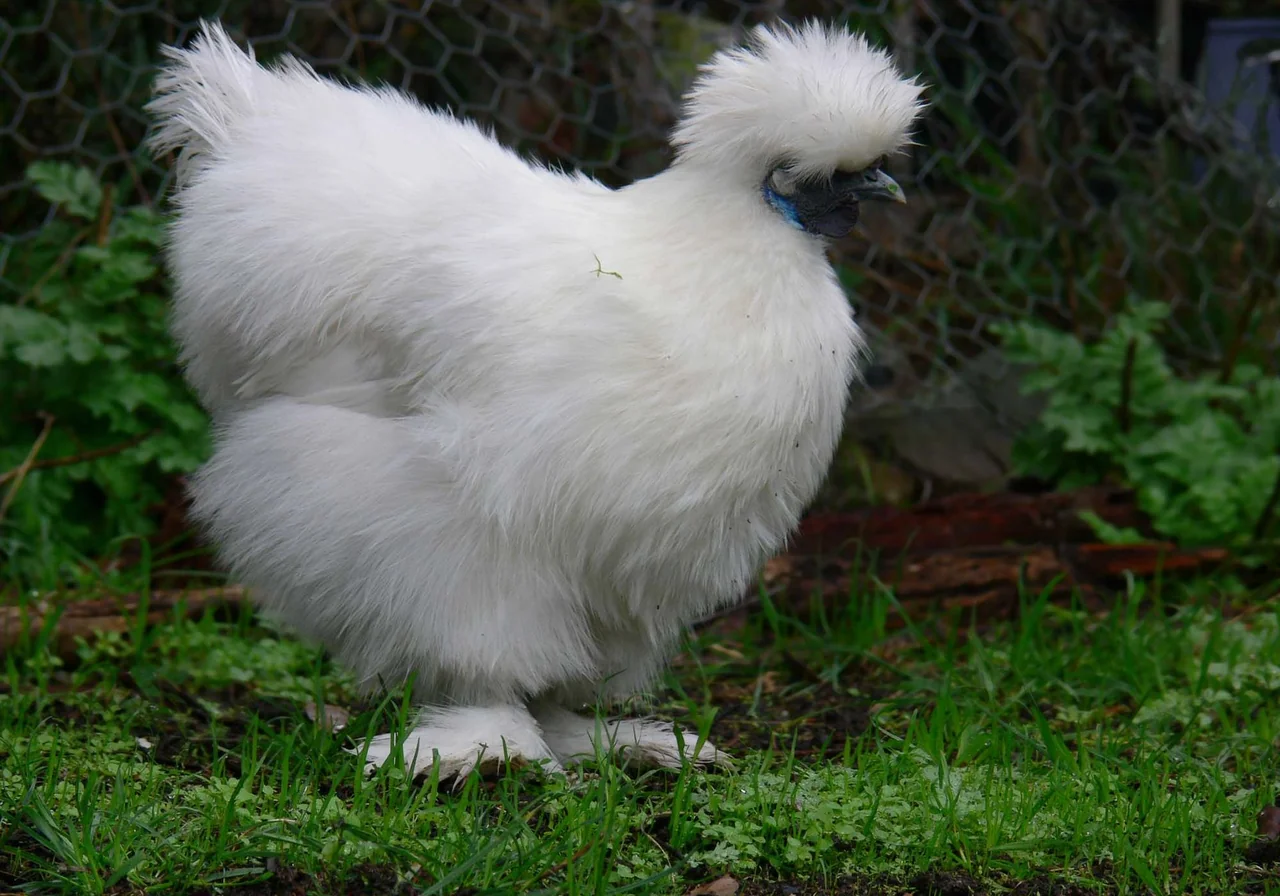
| Plumage | Massive soft feathering including fully feathered shanks and toes — buff, black, partridge and blue varieties. Feathers absorb mud; dry runs essential. Poor fliers with limited ranging efficiency. |
| Temperament | Docile, broody, feather-footed |
| Best suited to | Show enthusiasts and gentle backyard keepers with large dry coops — Cochins suit broody-foster programmes more than high-production egg goals. |
Should you keep a Cochin?
Keep a Cochin only if you can meet livestock law, land, feed and veterinary care — not because the chicken looks friendly online. This China (via Europe & USA) type is heavy (4.5–5.5 kg) and docile, broody, feather-footed.
A Cochin is husbandry, not a house pet. Check local zoning, neighbour rules, and whether you can provide species-appropriate shelter, forage and handling. Massive feathered legs and a gentle giant reputation — popular show and backyard breed.
Impulse “micro” livestock and Easter-gift birds are how chickens end up dumped. If you cannot commit for 5–10 years (breed and husbandry dependent), do not start. Rescue and rehoming exist; buying a cheap animal you cannot keep is the problem this page is trying to prevent.
What is a Cochin?
Massive feathered legs and a gentle giant reputation — popular show and backyard breed. Origin is China (via Europe & USA); coat or markings are described as Massive soft feathering including fully feathered shanks and toes — buff, black, partridge and blue varieties. Feathers absorb mud; dry runs essential. Poor fliers with limited ranging efficiency..
Kennel and registry labels describe a type. Individual Cochins still vary, and rescue animals may be mixes.
Where does the Cochin come from?
Cochins come from China (via Europe & USA). Cochins arrived from China in the 1840s triggering Victorian poultry mania on both sides of the Atlantic.
Breeders selected extreme feather and bulk. Modern Cochins remain broody champions with moderate laying. British keepers must manage foot feather hygiene in wet climates.
That origin still shows. A Cochin is heavy (4.5–5.5 kg) and docile, broody, feather-footed, typically living 5–10 years (breed and husbandry dependent). Use the history as context for care and conservation, not as folklore to repeat without sources.
What husbandry does a Cochin need?
Cochin husbandry is land, feed, handling and veterinary access — for 5–10 years (breed and husbandry dependent). This China (via Europe & USA) type is heavy (4.5–5.5 kg) (Hens 4.5–5.5 kg (10–12 lb); ball-shaped appearance from feather volume) and docile, broody, feather-footed.
Shelter, clean water, species-appropriate forage and a plan for parasites and feet or hooves are the baseline. Coat notes (Massive soft feathering including fully feathered shanks and toes — buff, black, partridge and blue varieties. Feathers absorb mud; dry runs essential. Poor fliers with limited ranging efficiency.) tell you about weather and grooming, not whether the animal can live in a garage.
Know what you will do with offspring, and do not keep a single highly social chicken alone if the species is a flock or herd animal.
What surprises people about the Cochin?
A few details about the breed, alongside the practical care information in this guide.
- Cochin import triggered 'Hen Fever' — birds once sold for prices exceeding skilled workers' annual wages.
- Buff Cochin remains the most popular colour in British backyards.
- Extreme foot feathering distinguishes Cochin from Brahma in show standards.
- Cochin bantams are popular separate variety with similar feather volume scaled down.
What health issues should you know about in a Cochin?
Health concerns to discuss with your vet, including changes to watch for and everyday care. This is general guidance, not veterinary advice — always speak to your vet.
Bumblefoot
Heavy soft-feathered birds develop foot pad abscesses on wet ground.
Care: Dry litter, low roosts and veterinary drainage of abscesses.
Obesity
Low activity and treats cause joint strain and egg binding risk.
Care: Controlled feeding and gentle exercise space.
Respiratory infections
Feather density around vents traps moisture in poorly ventilated coops.
Care: Airflow management and dry bedding.
Who should skip a Cochin?
Skip a Cochin if you are anyone without land, zoning permission, and a vet. This China (via Europe & USA) chicken is heavy (4.5–5.5 kg) and docile, broody, feather-footed — the mismatch is usually lifestyle, not a missing accessory.
This page is allowed to say no. Skip if you are anyone without land, zoning permission, and a vet.
A different chicken breed on this site may fit. Wanting “a Cochin” after a film or a colour photo is not a reason to ignore the skip list.
What are the hidden catches with a Cochin?
The hidden cost of a Cochin is usually not the purchase price. It is years of care, the health list on this page, and the mismatch between a docile, broody, feather-footed animal and a busy home.
The impulse-buy catch
A Cochin from China (via Europe & USA) is often sold on looks. Coat, colour and size are not a temperament test. Meet the adult animal, ask about health screening, and walk away from pressure sales.
The bumblefoot catch
Heavy soft-feathered birds develop foot pad abscesses on wet ground. Dry litter, low roosts and veterinary drainage of abscesses.
The obesity catch
Low activity and treats cause joint strain and egg binding risk. Controlled feeding and gentle exercise space.
How does a Cochin compare with Welsummer and Rhode Island Red?
A Cochin is not interchangeable with Welsummer and Rhode Island Red. Compare origin, size, lifespan and temperament before you choose — those four lines prevent most regret.
| Chicken fact | Cochin | Welsummer | Rhode Island Red |
|---|---|---|---|
| Origin | China (via Europe & USA) | Netherlands | United States |
| Size | Heavy (4.5–5.5 kg) | Medium (2.5–3 kg) | Medium (2.5–3.5 kg) |
| Lifespan | 5–10 years (breed and husbandry dependent) | 5–10 years (breed and husbandry dependent) | 5–10 years (breed and husbandry dependent) |
| Temperament | Docile, broody, feather-footed | Active, friendly, good forager | Hardy, active, confident |
What is the verdict on the Cochin?
Choose a Cochin only if the care, skip-if and health sections still look like your life after a week of thinking. Otherwise pick a different chicken or wait. Rescue is usually the better first door than a waiting-list puppy or kitten.
If the match is real, budget for 5–10 years (breed and husbandry dependent) of vet care and do not skip health screening. If it is not, walking away is the kind choice — for you and for the animal.
Backyard flocks need secure care
Chickens are the world's most numerous bird — kept for eggs, meat and companionship. Humane housing, predator-proof runs and veterinary care matter whether you keep layers or rescues.