Chicken Breed · United States
Rhode Island Red
America's iconic brown egg layer — productive and backyard-tough.
By WARN Research & Conservation TeamLast updated
In brief
The Rhode Island Red is America's iconic dual-purpose layer — mahogany feathers, hardy constitution and prolific brown egg production. Its defining trait is backyard resilience when given secure coops, fox-proof runs and biosecurity rather than bare minimum housing.
What are the key facts about a Rhode Island Red?
The Rhode Island Red is a chicken breed from United States: medium (2.5–3.5 kg), hardy, active, confident. America's iconic brown egg layer — productive and backyard-tough.
| Origin | United States |
|---|---|
| Size | Medium (2.5–3.5 kg) |
| Typical weight | Hens 2.5–3.5 kg (5.5–7.7 lb); cocks heavier with larger comb |
| Lifespan | 5–10 years (breed and husbandry dependent) |
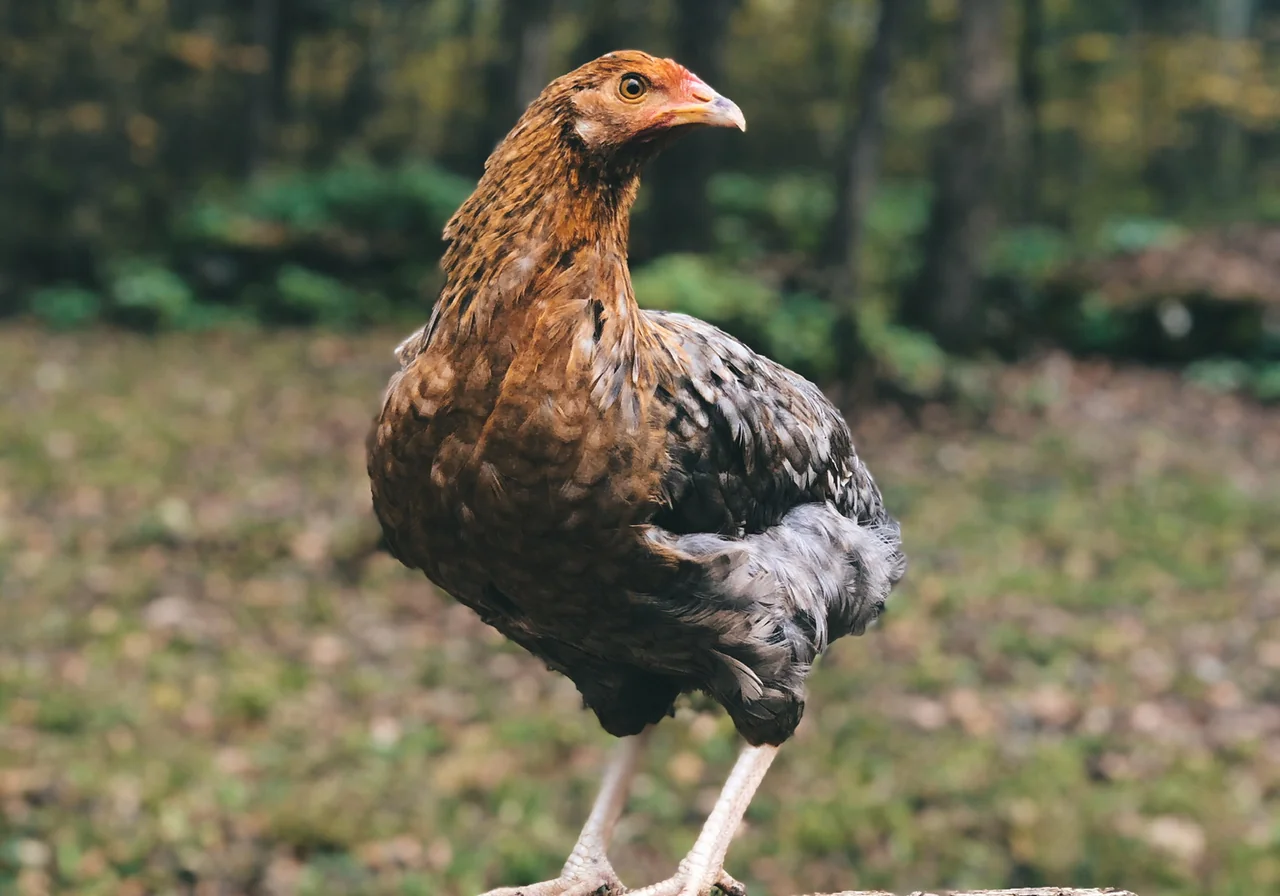
| Plumage | Deep mahogany red feathers with black tail sheen; single comb and yellow legs in standard type. Production lines leaner than heritage exhibition birds. Feathers dense enough for British winters with dry shelter. |
| Temperament | Hardy, active, confident |
| Best suited to | Suburban and rural keepers with secure fencing, daily lock-up against foxes and registration compliance — Rhode Island Reds suit active families wanting reliable brown eggs. |
Should you keep a Rhode Island Red?
Keep a Rhode Island Red only if you can meet livestock law, land, feed and veterinary care — not because the chicken looks friendly online. This United States type is medium (2.5–3.5 kg) and hardy, active, confident.
A Rhode Island Red is husbandry, not a house pet. Check local zoning, neighbour rules, and whether you can provide species-appropriate shelter, forage and handling. America's iconic brown egg layer — productive and backyard-tough.
Impulse “micro” livestock and Easter-gift birds are how chickens end up dumped. If you cannot commit for 5–10 years (breed and husbandry dependent), do not start. Rescue and rehoming exist; buying a cheap animal you cannot keep is the problem this page is trying to prevent.
What is a Rhode Island Red?
America's iconic brown egg layer — productive and backyard-tough. Origin is United States; coat or markings are described as Deep mahogany red feathers with black tail sheen; single comb and yellow legs in standard type. Production lines leaner than heritage exhibition birds. Feathers dense enough for British winters with dry shelter..
Kennel and registry labels describe a type. Individual Rhode Island Reds still vary, and rescue animals may be mixes.
Where does the Rhode Island Red come from?
Rhode Island Reds come from United States. Rhode Island Reds were developed in Massachusetts and Rhode Island from Malay, Leghorn and Red junglefowl crosses in the late nineteenth century.
They became the benchmark brown-egg layer before commercial hybrids dominated supermarkets. British backyard flocks favour heritage-type Rhode Island Reds for foraging ability and winter laying relative to lightweight Leghorns. DEFRA avian influenza housing orders may require temporary indoor ranging — plan covered runs before starting a flock.
That origin still shows. A Rhode Island Red is medium (2.5–3.5 kg) and hardy, active, confident, typically living 5–10 years (breed and husbandry dependent). Use the history as context for care and conservation, not as folklore to repeat without sources.
What husbandry does a Rhode Island Red need?
Rhode Island Red husbandry is land, feed, handling and veterinary access — for 5–10 years (breed and husbandry dependent). This United States type is medium (2.5–3.5 kg) (Hens 2.5–3.5 kg (5.5–7.7 lb); cocks heavier with larger comb) and hardy, active, confident.
Shelter, clean water, species-appropriate forage and a plan for parasites and feet or hooves are the baseline. Coat notes (Deep mahogany red feathers with black tail sheen; single comb and yellow legs in standard type. Production lines leaner than heritage exhibition birds. Feathers dense enough for British winters with dry shelter.) tell you about weather and grooming, not whether the animal can live in a garage.
Know what you will do with offspring, and do not keep a single highly social chicken alone if the species is a flock or herd animal.
What surprises people about the Rhode Island Red?
A few details about the breed, alongside the practical care information in this guide.
- Rhode Island Red is the state bird of Rhode Island.
- Heritage lines are heavier and longer-lived than industrial production strains.
- Hens often lay 250+ brown eggs annually with good nutrition and daylight.
- Single comb birds need frostbite monitoring in harsh Scottish winters — dubbing is illegal in the UK.
What health issues should you know about in a Rhode Island Red?
Health concerns to discuss with your vet, including changes to watch for and everyday care. This is general guidance, not veterinary advice — always speak to your vet.
Red mite infestations
Nocturnal mites hide in coop crevices, causing anaemia and stress.
Care: Regular coop treatment, diatomaceous earth in cracks and replace infested nest materials.
Respiratory infections
Mycoplasma causes sneezing and swollen sinuses in poorly ventilated coops.
Care: Balance ventilation with draft-free roosts; veterinary diagnosis before antibiotic use.
Obesity
Excessive mixed corn and limited ranging fatten heavy breeds.
Care: Layer feed balanced to activity level; scatter feed to encourage foraging.
Who should skip a Rhode Island Red?
Skip a Rhode Island Red if you are owners who wanted a low-exercise companion. This United States chicken is medium (2.5–3.5 kg) and hardy, active, confident — the mismatch is usually lifestyle, not a missing accessory.
This page is allowed to say no. Skip if you are owners who wanted a low-exercise companion. Skip if you are anyone without land, zoning permission, and a vet.
A different chicken breed on this site may fit. Wanting “a Rhode Island Red” after a film or a colour photo is not a reason to ignore the skip list.
What are the hidden catches with a Rhode Island Red?
The hidden cost of a Rhode Island Red is usually not the purchase price. It is years of care, the health list on this page, and the mismatch between a hardy, active, confident animal and a busy home.
The impulse-buy catch
A Rhode Island Red from United States is often sold on looks. Coat, colour and size are not a temperament test. Meet the adult animal, ask about health screening, and walk away from pressure sales.
The red mite infestations catch
Nocturnal mites hide in coop crevices, causing anaemia and stress. Regular coop treatment, diatomaceous earth in cracks and replace infested nest materials.
The respiratory infections catch
Mycoplasma causes sneezing and swollen sinuses in poorly ventilated coops. Balance ventilation with draft-free roosts; veterinary diagnosis before antibiotic use.
How does a Rhode Island Red compare with Leghorn and Silkie?
A Rhode Island Red is not interchangeable with Leghorn and Silkie. Compare origin, size, lifespan and temperament before you choose — those four lines prevent most regret.
| Chicken fact | Rhode Island Red | Leghorn | Silkie |
|---|---|---|---|
| Origin | United States | Italy | China |
| Size | Medium (2.5–3.5 kg) | Light (2–2.5 kg) | Bantam (1–1.5 kg) |
| Lifespan | 5–10 years (breed and husbandry dependent) | 5–10 years (breed and husbandry dependent) | 5–10 years (breed and husbandry dependent) |
| Temperament | Hardy, active, confident | Active, flighty, excellent layer | Docile, broody, gentle |
What is the verdict on the Rhode Island Red?
Choose a Rhode Island Red only if the care, skip-if and health sections still look like your life after a week of thinking. Otherwise pick a different chicken or wait. Rescue is usually the better first door than a waiting-list puppy or kitten.
If the match is real, budget for 5–10 years (breed and husbandry dependent) of vet care and do not skip health screening. If it is not, walking away is the kind choice — for you and for the animal.
Backyard flocks need secure care
Chickens are the world's most numerous bird — kept for eggs, meat and companionship. Humane housing, predator-proof runs and veterinary care matter whether you keep layers or rescues.