Chicken Breed · Italy
Leghorn
Prolific white egg layer — the commercial industry standard worldwide.
By WARN Research & Conservation TeamLast updated
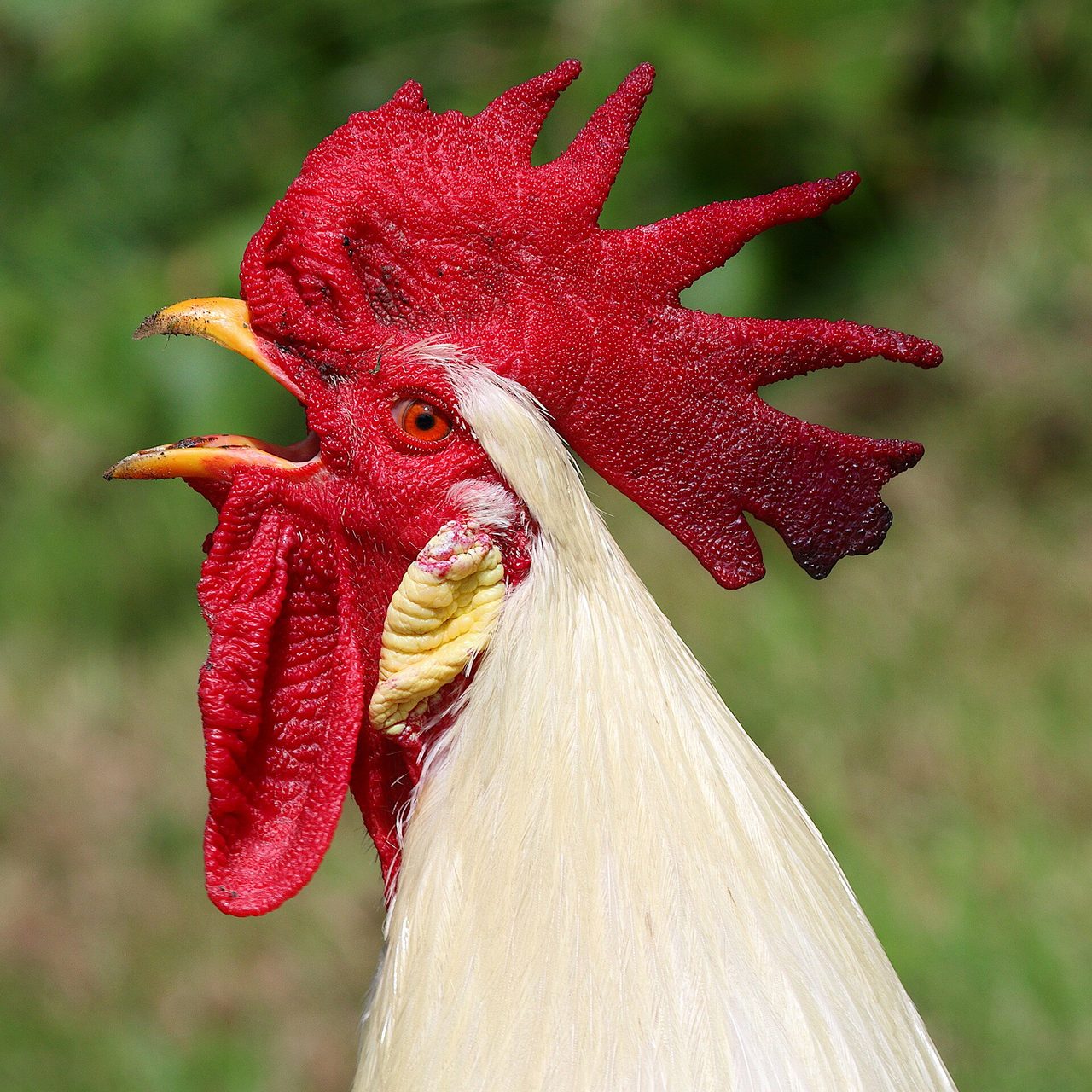
Photo: Thorsten Denhard / Wikimedia Commons (CC BY-SA 3.0)
In brief
The Leghorn is the industrial white-egg powerhouse — lightweight, active and flighty with exceptional daily lay rates. Its defining trait is high production demanding secure tall fencing, predator-aware housing and acceptance that Leghorns forage widely and fly better than heavy breeds.
What are the key facts about a Leghorn?
The Leghorn is a chicken breed from Italy: light (2–2.5 kg), active, flighty, excellent layer. Prolific white egg layer — the commercial industry standard worldwide.
| Origin | Italy |
|---|---|
| Size | Light (2–2.5 kg) |
| Typical weight | Hens 2–2.5 kg (4.4–5.5 lb); upright body with large single or rose comb |
| Lifespan | 5–10 years (breed and husbandry dependent) |
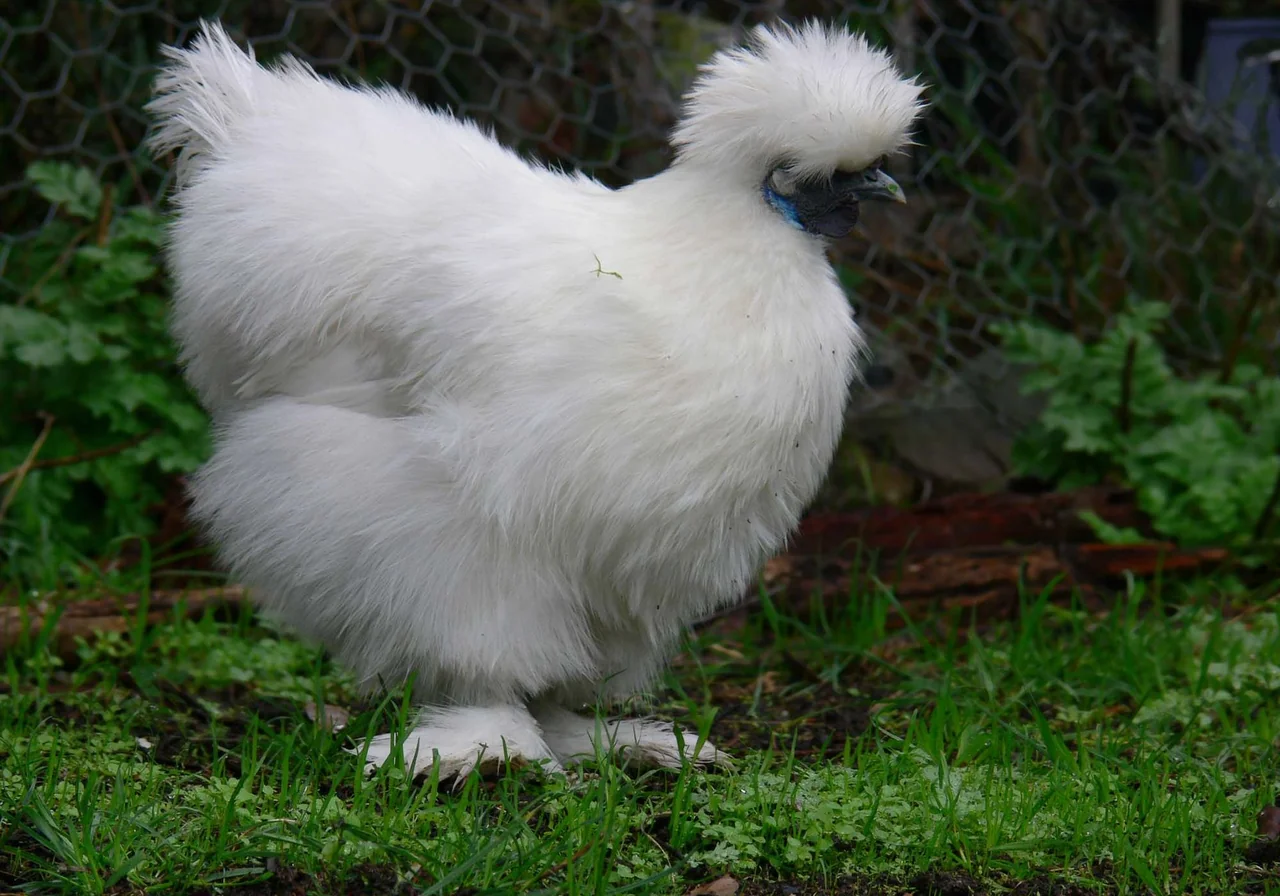
| Plumage | Tight white feathers in classic utility type; brown, black and exchequer varieties exist. Rose comb lines resist frostbite better than single combs in northern Britain. |
| Temperament | Active, flighty, excellent layer |
| Best suited to | Experienced keepers wanting maximum eggs from secure, enriched runs — Leghorns suit owners who accept less cuddly, more independent birds than Orpingtons. |
Should you keep a Leghorn?
Keep a Leghorn only if you can meet livestock law, land, feed and veterinary care — not because the chicken looks friendly online. This Italy type is light (2–2.5 kg) and active, flighty, excellent layer.
A Leghorn is husbandry, not a house pet. Check local zoning, neighbour rules, and whether you can provide species-appropriate shelter, forage and handling. Prolific white egg layer — the commercial industry standard worldwide.
Impulse “micro” livestock and Easter-gift birds are how chickens end up dumped. If you cannot commit for 5–10 years (breed and husbandry dependent), do not start. Rescue and rehoming exist; buying a cheap animal you cannot keep is the problem this page is trying to prevent.
What is a Leghorn?
Prolific white egg layer — the commercial industry standard worldwide. Origin is Italy; coat or markings are described as Tight white feathers in classic utility type; brown, black and exchequer varieties exist. Rose comb lines resist frostbite better than single combs in northern Britain..
Kennel and registry labels describe a type. Individual Leghorns still vary, and rescue animals may be mixes.
Where does the Leghorn come from?
Leghorns come from Italy. Leghorns arrived in America from Italy in the 1830s and were refined into the high-output layers dominating battery-era production.
Modern utility Leghorns retain flightiness and foraging drive. British backyard keepers choose Leghorns for white eggs and efficient feed conversion. Covered runs prevent hawk predation on lightweight birds. Welfare codes require perches, dust baths and nest boxes — not bare coop floors.
That origin still shows. A Leghorn is light (2–2.5 kg) and active, flighty, excellent layer, typically living 5–10 years (breed and husbandry dependent). Use the history as context for care and conservation, not as folklore to repeat without sources.
What husbandry does a Leghorn need?
Leghorn husbandry is land, feed, handling and veterinary access — for 5–10 years (breed and husbandry dependent). This Italy type is light (2–2.5 kg) (Hens 2–2.5 kg (4.4–5.5 lb); upright body with large single or rose comb) and active, flighty, excellent layer.
Shelter, clean water, species-appropriate forage and a plan for parasites and feet or hooves are the baseline. Coat notes (Tight white feathers in classic utility type; brown, black and exchequer varieties exist. Rose comb lines resist frostbite better than single combs in northern Britain.) tell you about weather and grooming, not whether the animal can live in a garage.
Know what you will do with offspring, and do not keep a single highly social chicken alone if the species is a flock or herd animal.
What surprises people about the Leghorn?
A few details about the breed, alongside the practical care information in this guide.
- Leghorns contributed genetics to most commercial white-egg hybrids worldwide.
- They fly better than heavy breeds — clip wings only after welfare consideration and never during moult pain.
- Single comb Leghorns originate from Livorno, Italy — 'Leghorn' anglicises the port name.
- Active foragers reduce feed bills when safe outdoor range exists.
What health issues should you know about in a Leghorn?
Health concerns to discuss with your vet, including changes to watch for and everyday care. This is general guidance, not veterinary advice — always speak to your vet.
Feather pecking in overcrowding
Light birds bullied or bored in tight spaces develop vent pecking.
Care: Provide space, enrichment and separate bullies; audit stocking density.
Predator trauma
Hawks and foxes target lightweight active birds ranging far from cover.
Care: Secure covered runs, dusk lock-up and visual scare tactics where legal.
Calcium deficiency
High lay rates demand oyster shell and layer feed — thin shells signal deficiency.
Care: Free-choice oyster shell and balanced layer ration.
Who should skip a Leghorn?
Skip a Leghorn if you are owners who wanted a low-exercise companion. This Italy chicken is light (2–2.5 kg) and active, flighty, excellent layer — the mismatch is usually lifestyle, not a missing accessory.
This page is allowed to say no. Skip if you are owners who wanted a low-exercise companion. Skip if you are anyone without land, zoning permission, and a vet.
A different chicken breed on this site may fit. Wanting “a Leghorn” after a film or a colour photo is not a reason to ignore the skip list.
What are the hidden catches with a Leghorn?
The hidden cost of a Leghorn is usually not the purchase price. It is years of care, the health list on this page, and the mismatch between a active, flighty, excellent layer animal and a busy home.
The impulse-buy catch
A Leghorn from Italy is often sold on looks. Coat, colour and size are not a temperament test. Meet the adult animal, ask about health screening, and walk away from pressure sales.
The feather pecking in overcrowding catch
Light birds bullied or bored in tight spaces develop vent pecking. Provide space, enrichment and separate bullies; audit stocking density.
The predator trauma catch
Hawks and foxes target lightweight active birds ranging far from cover. Secure covered runs, dusk lock-up and visual scare tactics where legal.
How does a Leghorn compare with Silkie and Orpington?
A Leghorn is not interchangeable with Silkie and Orpington. Compare origin, size, lifespan and temperament before you choose — those four lines prevent most regret.
| Chicken fact | Leghorn | Silkie | Orpington |
|---|---|---|---|
| Origin | Italy | China | England |
| Size | Light (2–2.5 kg) | Bantam (1–1.5 kg) | Heavy (3.5–4.5 kg) |
| Lifespan | 5–10 years (breed and husbandry dependent) | 5–10 years (breed and husbandry dependent) | 5–10 years (breed and husbandry dependent) |
| Temperament | Active, flighty, excellent layer | Docile, broody, gentle | Calm, friendly, broody |
What is the verdict on the Leghorn?
Choose a Leghorn only if the care, skip-if and health sections still look like your life after a week of thinking. Otherwise pick a different chicken or wait. Rescue is usually the better first door than a waiting-list puppy or kitten.
If the match is real, budget for 5–10 years (breed and husbandry dependent) of vet care and do not skip health screening. If it is not, walking away is the kind choice — for you and for the animal.
Backyard flocks need secure care
Chickens are the world's most numerous bird — kept for eggs, meat and companionship. Humane housing, predator-proof runs and veterinary care matter whether you keep layers or rescues.