Wildlife · Species comparisons
What is the difference between a hippo and a rhino?
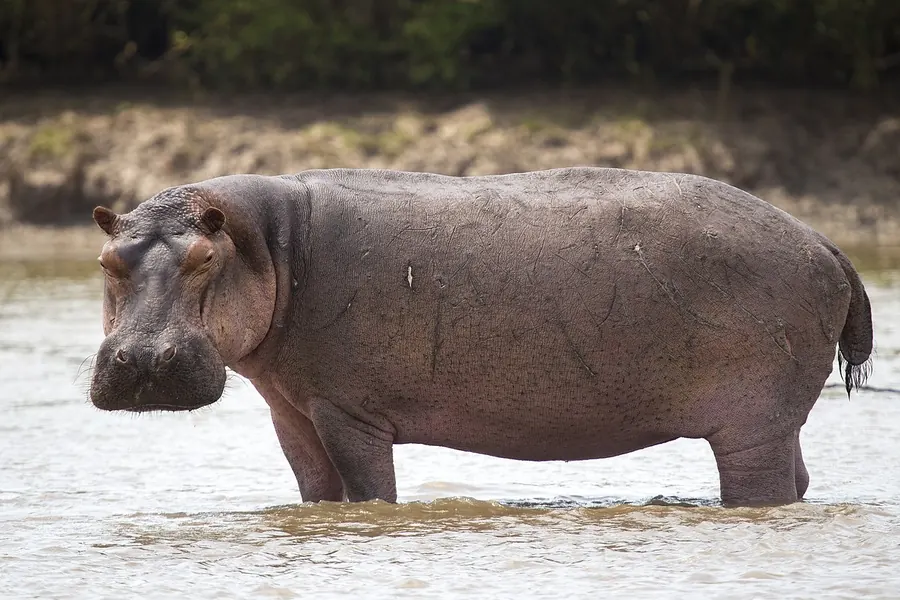
Hippos are semi-aquatic with tusk-like canines; rhinos are land grazers with keratin horns — different orders despite similar grey bulk.
In brief
Hippos are semi-aquatic with barrel bodies, no horns and huge tusk-like canine teeth. Rhinos have one or two keratin horns on the snout and graze on land. Hippos kill more people in Africa than any other large mammal; rhinos are generally shy but charge when threatened.
By the WARN Research & Conservation TeamChecked against IUCN Red List & CITES sourcesLast updated
Hippopotamuses and rhinoceroses both appear as massive grey herbivores on African savannas — but they belong to different mammalian orders with distinct anatomy, ecology and conservation profiles. Hippos are most closely related to whales; rhinos to horses and tapirs. Hippos spend days in water and emerge at night to graze; rhinos are terrestrial grazers and browsers. Hippos kill more people in Africa annually than any other large mammal; rhinos are generally shy but charge when threatened. Both face poaching and habitat loss — rhinos specifically for horn.
3,000 kg
Large hippo bull weight — up to
2,300 kg
White rhino weight — up to
VU
Hippo IUCN status — Vulnerable
5
Rhino species — all threatened
Quick facts
| Hippo head | Barrel body, huge mouth, tusk-like lower canines |
|---|---|
| Rhino head | One or two keratin horns on snout |
| Hippo habitat | Rivers, lakes, wetlands — semi-aquatic |
| Rhino habitat | Savanna and forest — terrestrial |
| Closest relatives | Hippos: whales; rhinos: horses and tapirs |
| Human danger | Hippos kill more Africans annually than any large mammal |
Key takeaways
- Different orders — hippos related to whales; rhinos to horses.
- Hippos semi-aquatic with tusk-like canines; rhinos terrestrial with keratin horns.
- Hippos kill more Africans annually than any other large mammal.
- All rhino species threatened; hippos Vulnerable.
- Rhino poaching driven by horn trade; hippos face wetland loss.
- See WARN comparison for head shape and status table.
Head shape — teeth vs horns
The clearest distinction is the head. Hippos have enormous mouths with tusk-like lower canine teeth — up to 50 cm in large bulls — used in territorial fights, not for feeding. They graze with molars on short grass at night. Rhinoceroses carry one or two horns composed of keratin — the same protein as fingernails — on the snout. White rhinos have wide flat lips for grazing; black rhinos have pointed prehensile lips for browsing shrubs. Horn is not ivory — a common misconception linking rhinos incorrectly to elephant tusk trade dynamics.
Aquatic vs terrestrial lifestyle
Hippos are semi-aquatic — spending daylight hours submerged in rivers and lakes to keep cool, emerging at dusk to graze on land. Their eyes and nostrils sit high on the skull for surface breathing. Rhinos are entirely terrestrial — wallowing in mud for thermoregulation but not living in water. Hippos create channels and fertilise aquatic ecosystems with dung; rhinos shape savanna vegetation through grazing and browsing. Wetland drainage threatens hippos; savanna conversion and poaching threaten rhinos — overlapping but not identical habitat pressures.
Behaviour and human conflict
Hippos are aggressively territorial in water — capsizing boats and killing people who approach too closely. On land they can run faster than humans over short distances. Rhinos rely on hearing and smell — charging when threatened but generally avoiding humans if undisturbed. Both species suffer from habitat loss as agriculture expands. Rhinos additionally face targeted poaching for horn — hippos are poached for ivory canine teeth in some regions, though at lower intensity than rhino horn trade.
Conservation status compared
Hippos are Vulnerable — declining from wetland loss, drought and bushmeat hunting in some countries. All five rhino species are threatened — three Critically Endangered. Rhino conservation dominates headlines because horn poaching syndicates operate transnationally. Hippo conservation receives less funding despite measurable population declines in DRC and West Africa. WARN’s rhino appeals and comparison page help donors distinguish species needs — horn poaching patrols for rhinos; wetland protection and conflict reduction for hippos.