Wildlife appeal · Indonesia & Malaysia
How to Help Orangutans
All three orangutan species are Critically Endangered. Palm oil, deforestation and the illegal pet trade are erasing the people of the forest. Help fund the rescue network they need.
- Give on this page — one-off or monthly, card, Apple Pay or Google Pay
- Indonesia and Malaysia are the funded geography — the only countries wild orangutans live in
- You do not get a named zoo orangutan
- WARN does not fund selfie venues or contact tourism
Give now
Wildlife appeal · Indonesia & Malaysia · one-off or monthly
How often
Choose an amount
Supports the rescue-to-sanctuary journey for a trafficked animal.
Where should it go?
Secure payment · You'll be directed to a secure checkout.
Secure donation · accepted methods
256-bit SSL encryption · PCI-DSS compliant · Powered by Stripe — WARN never stores your card details.
In brief
Give on this page to help orangutans. Your gift funds partner-led rescue, forest-school rehabilitation and soft-release in Indonesia and Malaysia — the only two countries where wild orangutans live. All three species are Critically Endangered. You do not get a named ape. Cancel a monthly gift any time.
By the WARN Research & Conservation TeamChecked against IUCN Red List & CITES sourcesLast updated
<800
Tapanuli orangutans left — the rarest great ape
3
Species, all Critically Endangered
7–8 yrs
Between births — the slowest of any mammal
~85%
Of the world's palm oil grown in orangutan range
Figures: IUCN Red List; Voigt et al. 2018 (Current Biology); van Noordwijk et al. 2018 (Journal of Human Evolution); industry palm-oil production data.
Who should skip this
This is not the right page if you want
- A named zoo orangutan with photo updates. WARN does not offer that. Symbolic wording is adopt an orangutan.
- Orangutan tourism, selfies or shows. WARN does not fund those.
- Gift Aid or a UK charity receipt — that is registration status, not this page.
- Posting fruit or enrichment from Britain unless a partner has asked in writing.
- Elephant or tiger programmes — those are elephant appeal and tiger appeal.
- Orangutan work in Brazil or Colombia. Wild orangutans live only in Indonesia and Malaysia.
How to help orangutans
Give on this page. This URL funds partner-led rescue, forest school and soft-release for orangutans in Indonesia and Malaysia, not a named zoo animal. Read the species split, skip the parcels, then pay by card, Apple Pay or Google Pay.
- 1
Confirm you want Borneo and Sumatra rescue and rehabilitation
Stay here for partner-led rescue, forest school and soft-release in Indonesia and Malaysia. If you wanted a UK zoo orangutan, stop. Geo-programme: east kalimantan orangutan rehabilitation. Species facts: orangutan. Briefing: newsroom briefing.
- 2
Give on this page
Choose one-off or monthly, pick an amount, pay by card, Apple Pay or Google Pay. Stripe emails a receipt. Entry-tier gifts pool across the programme — they are not a named-animal invoice.
- 3
Or give monthly if partners need a calendar
Monthly is what lets partners plan the seven-to-eight-year rehabilitation an orphan needs. Symbolic adoption wording is adopt an orangutan. Unrestricted monthly without this appeal is monthly giving.
- 4
Skip parcels unless a partner asked
Do not post food, blankets or equipment from Britain unless a partner asked in writing. Money buys supplies where the animals live. That is faster than a parcel.
Why do orangutans need help?
Orangutans are the only great apes found in Asia — yet all three species are Critically Endangered. WARN funds vetted local partners for rescue, years-long rehabilitation and soft release in Indonesia and Malaysia, its in-network focus countries. Brazil and Colombia are WARN network countries for other species; orangutan work is concentrated where these apes actually live. The East Kalimantan programme is at East Kalimantan orangutan rehabilitation.
Their home — the lowland and peat-swamp rainforests of Borneo and Sumatra — is being cleared for palm oil, pulpwood and mining faster than the existing rescue network can cope. The Bornean orangutan alone has lost more than 80% of its population since 1950.
When a forest falls or a mother is killed for the pet trade, her infant rarely survives alone. Those who are rescued arrive at partner centres malnourished, traumatised and with none of the skills a wild orangutan needs. Rehabilitation takes seven to eight years — and there are not enough places to take them all.
WARN works with vetted local partners to expand rescue-centre capacity, fund rehabilitation, and support soft-release into protected forest. Because orangutans live only in Indonesia and Malaysia — both part of WARN's partner network — this is core, on-the-ground work, not a distant cause.
What threats do orangutans face?
Five pressures account for most orangutan deaths. They overlap — deforestation opens access for the pet trade, and slow reproduction means populations cannot recover quickly.
Palm oil & deforestation
Indonesia and Malaysia produce around 85% of the world's palm oil. Clearing lowland and peat-swamp rainforest for plantations destroys the forest orangutans depend on and brings them into deadly conflict with plantation workers.
Single biggest driver of orangutan habitat loss (IUCN; Voigt et al. 2018)
Illegal logging & mining
Beyond plantations, logging removes the large trees orangutans nest in, and mining concessions fragment what forest remains. Peatland fires — often deliberately set to clear land — can kill thousands of orangutans in a single season.
2015 Indonesian peatland fires killed thousands of orangutans directly
The illegal pet trade
Infant orangutans are sold as illegal pets and tourist attractions. Because a mother will not surrender her baby, she is almost always killed first — so for every infant that reaches the market, several orangutans typically die.
Every rescued orphan represents multiple wild deaths
Slow reproduction
Females give birth only once every seven to eight years — the slowest interbirth interval of any mammal. Even in perfect conditions a population can grow by at most 1–2% a year, so every breeding female lost to deforestation or the pet trade suppresses a population for decades.
7–8 years between births — slowest of any mammal
Rescue-centre capacity gaps
When forests fall faster than rehabilitation centres can expand, orphaned infants arrive faster than they can be cared for. Rehabilitation takes seven to eight years per animal — a long, expensive commitment that steady funding makes possible.
US$2,000–3,000/year per orphan through rehabilitation (partner estimates)
What are the three orangutan species?
All three are Critically Endangered, and all three are still declining. The Tapanuli, named by science only in 2017, is the most endangered great ape on the planet.
~104,700
individuals remaining
Bornean orangutan
Pongo pygmaeus
The most numerous of the three, yet down more than 80% since 1950. Found across Indonesian Kalimantan and Malaysian Sabah and Sarawak.
~14,470
individuals remaining
Sumatran orangutan
Pongo abelii
Survives almost entirely in the Leuser Ecosystem of northern Sumatra — one of the last places tigers, rhinos, elephants and orangutans still share a forest.
<800
individuals remaining
Tapanuli orangutan
Pongo tapanuliensis
Described only in 2017 and already the rarest great ape on Earth, confined to the Batang Toru forest in North Sumatra.
How do the three orangutan species compare?
| Attribute | Bornean | Sumatran | Tapanuli |
|---|---|---|---|
| Scientific name | Pongo pygmaeus | Pongo abelii | Pongo tapanuliensis |
| IUCN Red List status | Critically Endangered | Critically Endangered | Critically Endangered |
| Population estimate | ~104,700 | ~14,470 | <800 |
| Range | Borneo (Indonesia & Malaysia) | Northern Sumatra | Batang Toru, North Sumatra |
| Described by science | 1760 | 1827 | 2017 |
| Distinctive trait | Most numerous; three subspecies | Longer face hair; Leuser Ecosystem | Rarest great ape on Earth |
Quick orangutan facts
| Wild range | Borneo and Sumatra only — Indonesia and Malaysia |
|---|---|
| Combined wild population | Roughly ~119,000 across all three species (IUCN estimates) |
| Reproduction | One calf every 7–8 years; 3–5 surviving young per female lifetime |
| Rehabilitation | 7–8 years from rescue to soft release |
| Annual care cost | US$2,000–3,000 per orphan per year; ~US$5,000 per release (partner estimates) |
| Palm oil link | ~85% of world palm oil grown in orangutan range countries |
| DNA shared with humans | ~97% |
| WARN focus | Partner-led rescue, rehabilitation and release in Indonesia and Malaysia |
What does WARN fund for orangutans?
Partner-led rescue, forest school and soft-release in Indonesia and Malaysia — the only countries where wild orangutans live. Species facts: orangutan. Geo-programme: east kalimantan orangutan rehabilitation.
Focus 1
Rescue & quarantine
Funding emergency intake, veterinary assessment and quarantine for orphans from the pet trade, deforestation and conflict.
Focus 2
Forest school & rehabilitation
Supporting the years-long nursery, forest school and pre-release island stages that teach orphaned apes to survive in the wild.
Focus 3
Soft release & monitoring
Helping fund transport to protected forest and post-release ranger monitoring to confirm released orangutans are thriving.
Focus 4
Sanctuary capacity
Expanding partner-centre capacity for orangutans who cannot be returned to the wild — lifetime care where release is not possible.
Key facts about the orangutan crisis
- All three orangutan species — Bornean, Sumatran and Tapanuli — are Critically Endangered and still declining.
- Palm oil and deforestation in Indonesia and Malaysia are the single biggest drivers of habitat loss; the pet trade kills mothers to capture infants.
- Orangutans reproduce more slowly than any other mammal — every breeding female lost suppresses a population for decades.
- Rehabilitation takes seven to eight years per orphan and costs US$2,000–3,000 a year — steady monthly support matters enormously.
- WARN funds partner-led rescue and rehabilitation in Indonesia and Malaysia — it does not run its own centres.
- Brazil and Colombia are WARN network countries for other species; orangutan work is core funded work in Indonesia and Malaysia only.
How does palm oil affect orangutans?
Palm oil is the most-used vegetable oil on Earth, and Indonesia and Malaysia grow around 85% of it — the exact two countries orangutans call home. Clearing rainforest for plantations is the single biggest reason orangutan habitat is disappearing, and it brings orangutans into deadly conflict with people.
This is not a distant problem for UK and US shoppers. Palm oil is found in roughly half of all UK supermarket products — from biscuits and chocolate to soap and shampoo — usually hidden under other names. What we buy in Britain and America is tied directly to the forests being cleared in Borneo and Sumatra.
Boycotting palm oil entirely often backfires, because it can push demand toward other oils that need even more land. The more effective choice is to look for the RSPO certified-sustainable-palm-oil trademark, favour brands with deforestation-free commitments, and use a palm-oil shopping guide when a label is unclear. Demand for genuinely sustainable palm oil is one of the few levers ordinary consumers hold.
How does orangutan rehabilitation work?
An orphaned orangutan must relearn everything its mother would have taught it. The journey from rescue to release takes seven to eight years and moves through five stages.
Rescue & quarantine
Orphans from the pet trade, deforested land or conflict arrive malnourished and traumatised. Each is quarantined and given a full health check by partner vets.
Nursery & baby school
Infants too young to be alone receive round-the-clock care, learning to climb, socialise with other orangutans and try wild foods for the first time.
Forest school
Food is no longer pre-prepared. Over several years the young apes master nest-building, canopy travel, recognising hundreds of forest foods and reading danger.
Pre-release forest islands
Those who pass forest school move to cage-free river islands for at least a full wet and dry season, proving they can cope with seasonal food shortages.
Release & monitoring
After a final veterinary clearance, orangutans are transported to gazetted protected forest and tracked after release to confirm they are thriving in the wild.
How else can I help orangutans?
- 1 Give monthly. A small regular gift funds the years-long rehabilitation a single orphan needs far better than a one-off can. Give on this page, or use symbolic wording at adopt an orangutan.
- 2 Choose sustainable palm oil. Look for the RSPO trademark and deforestation-free brands. Your weekly shop is a vote for or against orangutan forest.
- 3 Share the facts. Most people do not know there are three orangutan species, or that palm oil hides in half of all supermarket products. Sharing this page spreads that awareness.
- 4 Travel responsibly. If you visit Borneo or Sumatra, choose operators with no direct animal contact, a 10-metre distance rule and local community employment — never venues offering selfies or shows.
- 5 Learn and teach. Read the orangutan wildlife guide at orangutan and the newsroom stories at newsroom briefing and newsroom briefing, and pass them on to a classroom, family or friend.
What a gift provides
Choose an amount on this page. These are contribution claims — they help fund the work named below. They are not a named-animal invoice.
| Gift | What it funds |
|---|---|
| £20 | Helps fund infant care for orphaned orangutans in partner nurseries. |
| £75 | Helps fund forest-school sessions teaching orphaned juveniles to climb, forage and nest. |
| £250 | Helps fund post-release ranger monitoring after a soft-released orangutan re-enters the forest. |
How does my donation reach orangutans?
You give on this page. WARN holds the gift for this appeal and grants it to a vetted partner in Indonesia or Malaysia. They run rescue intake, forest school and soft-release into protected forest.
Buying locally is faster, and it is kinder. WARN's target is for at least 80% of unrestricted donations to fund programme delivery — grants to partner shelters, sanctuary capacity, veterinary care and rescue across the network. That 80% figure is a target, not an audited result. The spend path is at where your money goes.
Card gifts are processed straight away. Monthly income is what lets a partner plan the next clinic, patrol or intake before the last one ends. A one-off gift still matters — use the toggle on the form.
Related programmes
The form above is enough to give. These pages are the matching guides, country context and sibling appeals.
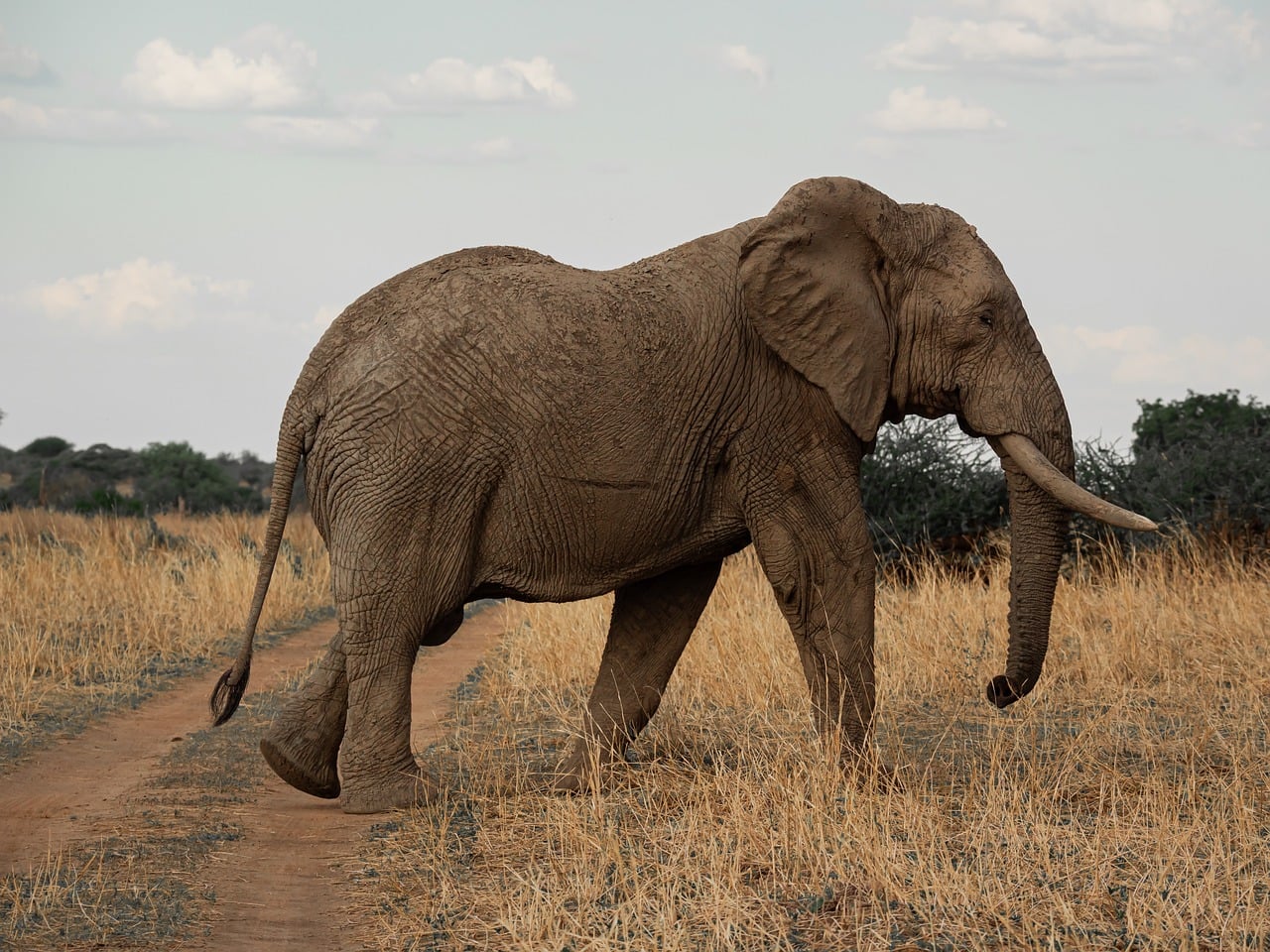
Elephant Rescue & Protection
Snare response and coexistence for Sumatran and Bornean elephants — same forests, same partners.
Open this page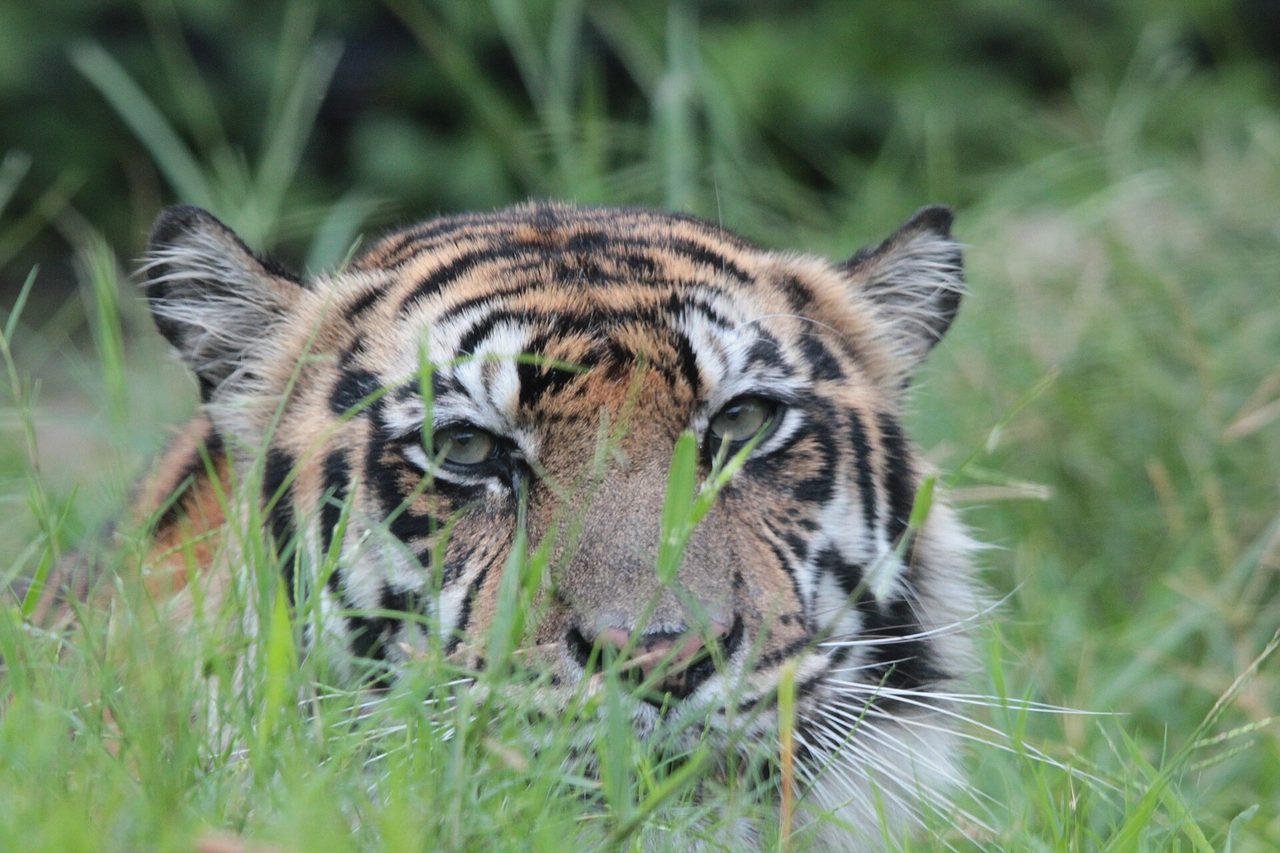
Save the Wild Tiger
Anti-poaching and conflict response for Sumatran and Malayan tigers in the same range countries.
Open this page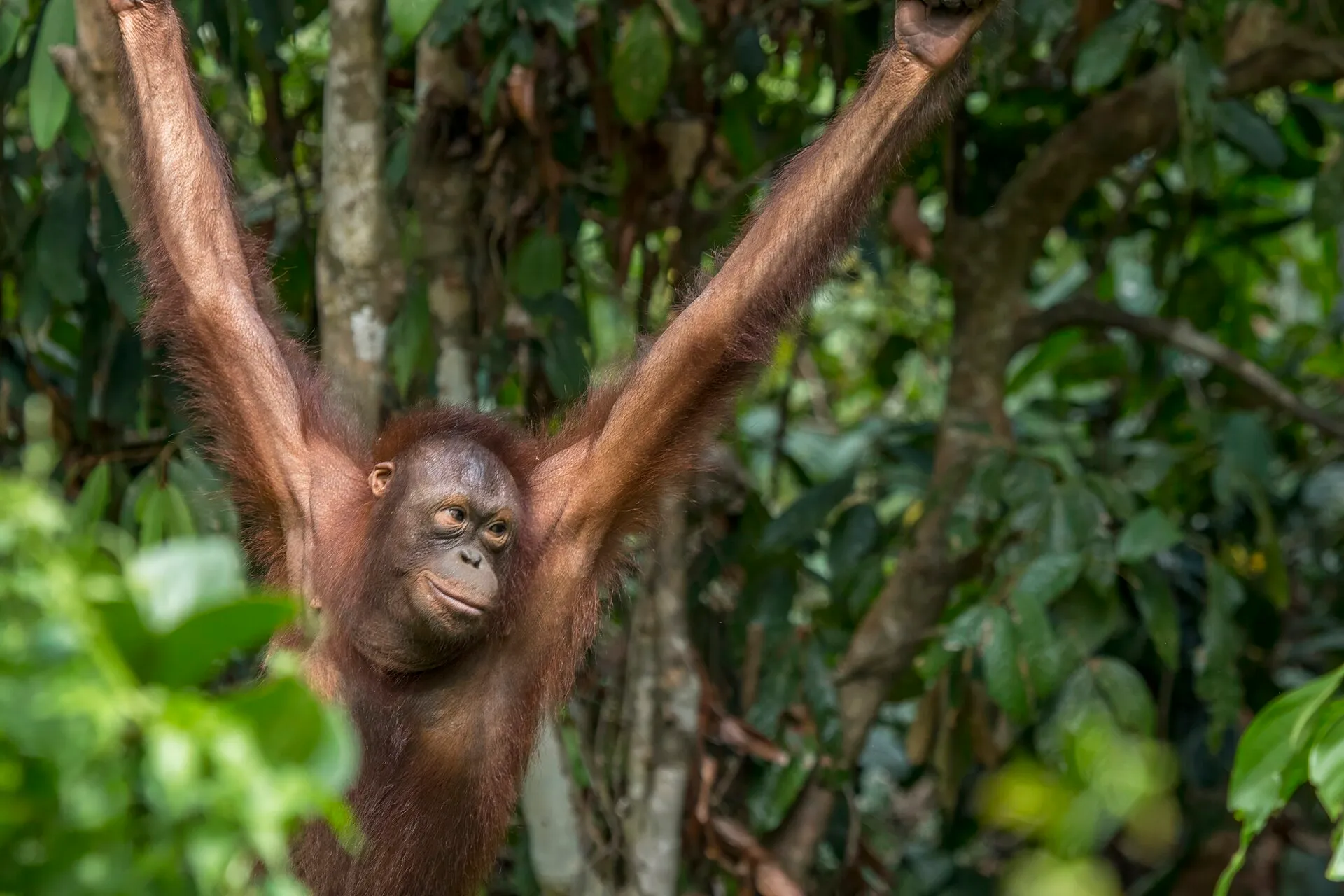
Orangutan wildlife guide
The three species, palm oil, rehabilitation stages and the difference between wild apes and captive tourism animals.
Open this page East Kalimantan orangutan rehabilitation
The Indonesia geo-programme for rescue, forest school and protected-forest release.
Open this pageAlso: Adopt an orangutan · Indonesia · Why orangutans are endangered · Orangutan rescue in Indonesia · All appeals
Give on this page
Orangutans: frequently asked questions
How many orangutans are left in the wild?
What are the three species of orangutan?
Are orangutans going extinct?
How does palm oil affect orangutans?
How can I help orangutans through what I buy?
How much does it cost to care for a rescued orangutan?
How long does orangutan rehabilitation take?
Where do orangutans live?
Why can orangutan populations not recover quickly?
Why are baby orangutans taken for the pet trade?
How closely related are orangutans to humans?
Does WARN work directly with orangutans?
Does WARN run its own orangutan sanctuary?
How do I donate to help orangutans?
How can I help orangutans from the UK?
Can I give monthly to help orangutans?
How does my donation reach orangutans?
Is this Gift Aid eligible or US tax-deductible?
Should I post parcels or supplies from the UK?
Sources and references
- IUCN Red List — Bornean orangutan (Pongo pygmaeus)
- IUCN Red List — Sumatran orangutan (Pongo abelii)
- IUCN Red List — Tapanuli orangutan (Pongo tapanuliensis)
- Voigt et al. (2018), “Global demand for natural resources eliminated more than 100,000 Bornean orangutans”, Current Biology
- van Noordwijk et al. (2018), “Orangutan lifetime reproductive rate”, Journal of Human Evolution
- Roundtable on Sustainable Palm Oil (RSPO) — certified sustainable palm oil
- WARN wildlife guide — Orangutan
- WARN newsroom — Why are orangutans endangered?
Ready to help orangutans?
Give on this page. Every gift funds partner-led rescue and rehabilitation in Indonesia and Malaysia — not a named ape, and not a parcel from Britain.
Donate to orangutans