Conservation · Why species are endangered
Are rhinos endangered?
All five rhino species are threatened — poaching for keratin horn drives declines across Africa and Asia.
In brief
Yes. All five rhino species are threatened on the IUCN Red List — from Near Threatened (greater one-horned) to Critically Endangered (black, Javan and Sumatran). Poaching for horn drives most declines; horn is keratin with no proven medicinal value.
By the WARN Research & Conservation TeamChecked against IUCN Red List & CITES sourcesLast updated
Rhinoceroses are among the most recognisable megafauna on Earth — and among the most heavily poached. All five species are threatened on the IUCN Red List: white rhinos split into southern (Near Threatened) and northern (Critically Endangered — only two females survive); black, Javan and Sumatran rhinos are Critically Endangered. Horn is keratin — the same protein as fingernails — yet black-market prices exceed gold per kilogram. Anti-poaching patrols, dehorning in high-risk reserves and orphan calf rehabilitation after poaching incidents all require sustained donor funding.
5
Rhino species — all threatened on IUCN Red List
2
Northern white rhino females remaining
<80
Javan rhinos in one Indonesian park
Keratin
Horn composition — same protein as fingernails
Quick facts
| African species | White (southern Near Threatened; northern CR) and black (Critically Endangered) |
|---|---|
| Asian species | Greater one-horned (Vulnerable), Javan and Sumatran (Critically Endangered) |
| Poaching driver | Horn demand in East Asia and Yemen dagger-handle trade |
| Dehorning | Preventive removal in high-risk reserves — horn grows back |
| Orphan care | Calves need years of specialist milk and rewilding prep after poaching |
| CITES | All rhinos Appendix I or II — international trade restricted |
Key takeaways
- All five rhino species are threatened — three Critically Endangered.
- Horn is keratin with no proven medicinal value — poaching persists for black-market demand.
- Northern white rhino functionally extinct — two females remain.
- Javan rhinos: fewer than 80 in a single park.
- Orphan calf care requires years of specialist rehabilitation.
- Anti-poaching patrols and dehorning need sustained funding.
Poaching and horn trade
Rhino horn is composed of keratin fibres — chemically similar to human hair and fingernails — yet commands extraordinary black-market prices driven by traditional medicine claims without clinical evidence and by status-symbol demand. Poaching syndicates use helicopters, veterinary drugs and corrupt insiders in some reserves. South Africa loses hundreds of rhinos annually despite intensive protection — dehorning programmes remove horn preemptively in high-risk areas, reducing poacher incentive because horn regrows. Seizures at airports and ports document ongoing trade routes from Africa to Asia. Demand reduction in consumer countries complements source-country enforcement.
Species-by-species status
Southern white rhinos recovered from near-extinction to roughly 16,000 through intensive protection — a conservation success, though poaching pressure continues. Northern white rhinos are functionally extinct in the wild: two females remain in Kenya with no breeding males — scientists pursue in vitro and surrogate options. Black rhinos persist in fragmented African populations totalling a few thousand. Javan rhinos number fewer than 80 in Ujung Kulon National Park — one volcanic event could wipe the species. Sumatran rhinos survive in tiny, isolated groups in Indonesia and Malaysia — captive breeding attempts continue with mixed results.
Orphan rehabilitation
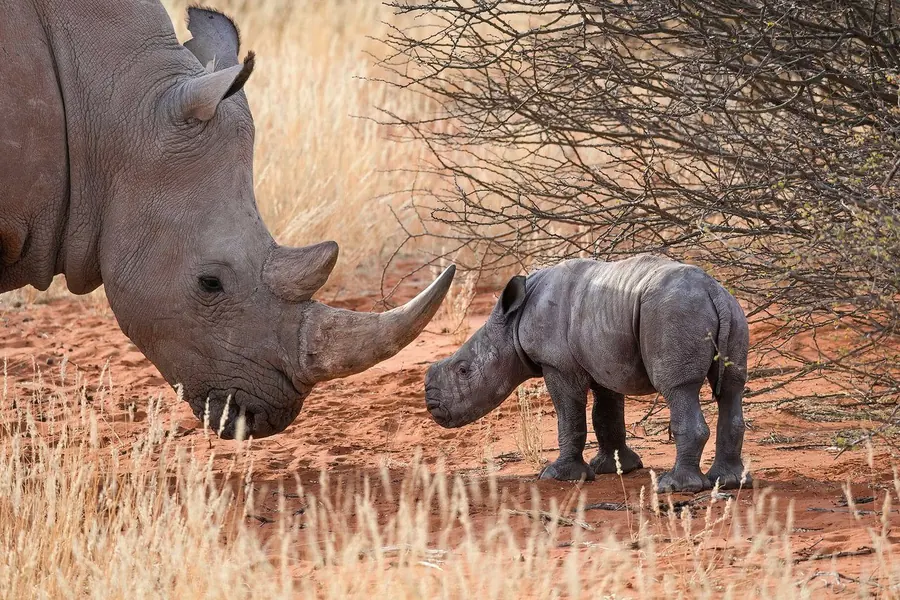
When poachers kill mothers, calves may survive briefly beside the carcass — traumatised, dehydrated and unable to feed independently. Specialist orphanages provide milk formula matched to rhino nutritional needs, thermal protection and years of socialisation before any rewilding attempt. The pathway from orphan to release takes years and costs tens of thousands per animal. Not every orphan succeeds — stress, incorrect diet and predation claim many. Donor funding for orphan care fills gaps government budgets miss — WARN links rhino appeals to partner programmes supporting calf rehabilitation and anti-poaching patrols.
What donors can fund
Effective rhino conservation spends on ranger salaries, aerial patrols, K9 units, community informant networks and veterinary response — not awareness-only campaigns. Ask programmes for poaching incident trends, patrol coverage and percentage of donations reaching field partners. WARN is a UK CIC — donations are not Gift Aid eligible; see registration status for legal detail. Habitat protection, corridor easements and demand-reduction advocacy complement anti-poaching. Every horn seizure represents a poached animal — funding enforcement and orphan care addresses both prevention and aftermath.
What WARN does
WARN rhino appeals fund anti-poaching patrol support and orphan calf rehabilitation through partners in South Africa and East Africa — ranger salaries, milk formula and veterinary monitoring with transparent session budgets.