Wildlife
Do sharks die if they stop swimming?
The famous “sharks must swim forever” rule applies to some species — but many sharks rest quietly on the seabed without suffocating.
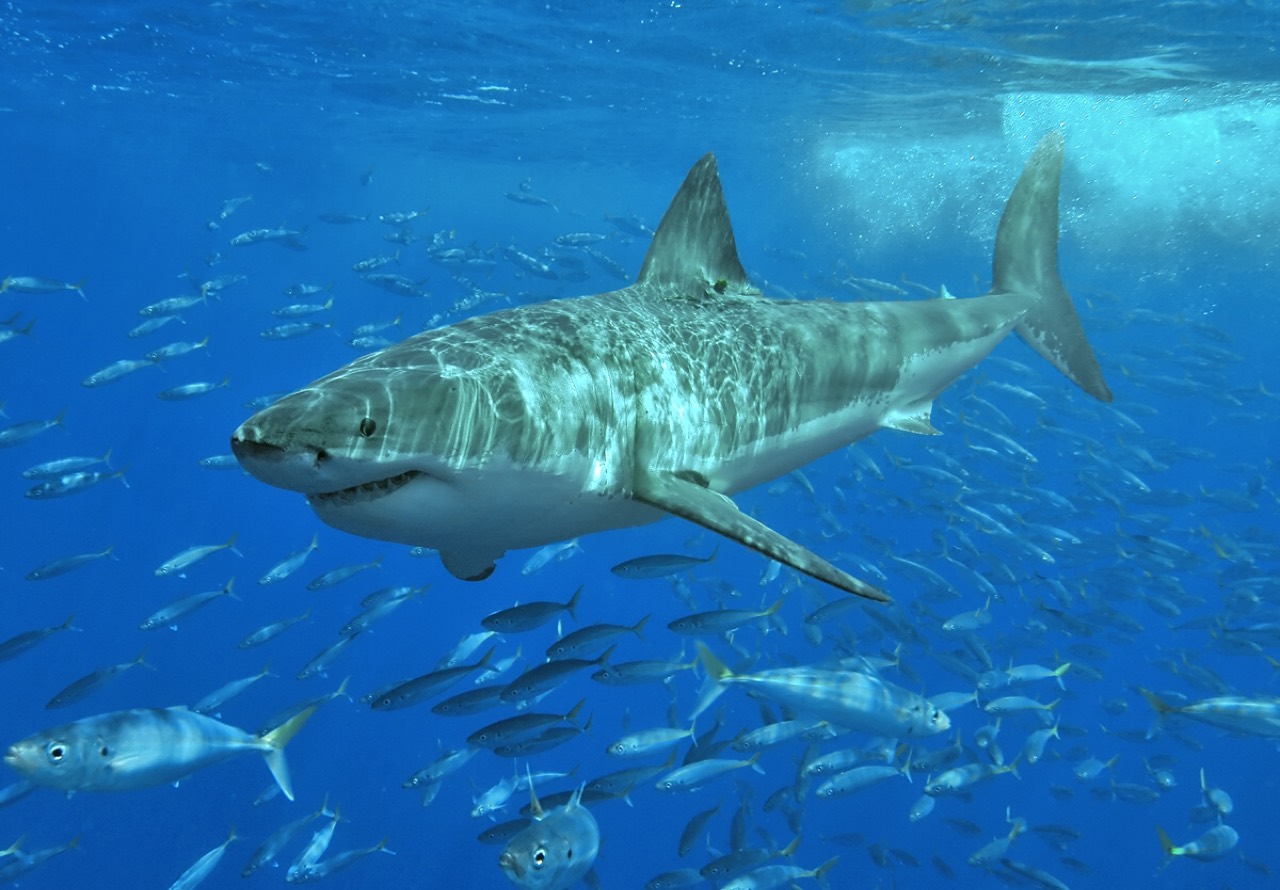
In brief
Some sharks must keep water moving over their gills to breathe (obligate ram ventilators), but many species can pump water while resting on the seabed. Not every shark dies if it stops swimming.
By the WARN Research & Conservation TeamChecked against IUCN Red List & CITES sourcesLast updated
Sharks extract oxygen by passing water over their gills, and different species use different methods to keep that flow going. Roughly two dozen species — including great whites, makos and whale sharks — are obligate ram ventilators that depend on forward motion or strong mouth currents. Many others, from nurse sharks to wobbegongs, actively pump water through their gills while stationary. NOAA and IUCN assessments emphasise that shark declines are driven by fishing pressure and habitat loss, not swimming physiology.
~500
Living shark species worldwide
~24
Obligate ram-ventilating species
1/3
Assessed shark & ray species threatened (IUCN)
400M+
Years sharks have existed
Quick facts
| Breathing method | Water passes over gills; some species must swim, others buccal-pump while resting |
|---|---|
| Ram ventilators | Great white, mako, whale shark, thresher and several pelagic species |
| Resting species | Nurse sharks, wobbegongs and many bottom-dwellers pump water while still |
| Class | Chondrichthyes — cartilaginous fish, not mammals |
| Main threat | Finning, bycatch and overfishing — IUCN Red List |
| Conservation status | About one-third of assessed species threatened or Near Threatened |
Key takeaways
- Only some sharks — roughly two dozen ram-ventilator species — need forward motion to breathe.
- Nurse sharks, wobbegongs and many bottom species pump water through gills while resting still.
- The “must swim forever” myth applies to pelagic hunters, not sharks as a whole.
- About one-third of assessed shark and ray species are threatened on the IUCN Red List.
- Real threats are finning, bycatch and overfishing — not stopping to rest.
- NOAA and IUCN track Chondrichthyes declines driven by fishing pressure worldwide.
Ram ventilation vs buccal pumping
Obligate ram ventilators — sometimes called “obligate swimmers” — need water moving continuously over their gill filaments. They achieve this by swimming with mouth open or by generating strong currents at the mouth. If trapped in a net without flow, these sharks can suffocate. Buccal pumpers, by contrast, use cheek muscles to draw water in through the mouth and out through gill slits while lying on the seafloor. Nurse sharks in Caribbean reefs and wobbegongs on Australian reefs are familiar examples of sharks that rest for hours without moving far. The distinction matters for aquarium design and for understanding why some sharks die quickly in poorly designed capture gear while others survive longer.
Which sharks must keep swimming?
Pelagic hunters and large filter feeders dominate the ram-ventilator list: great white, shortfin mako, blue, porbeagle, basking and whale sharks among them. These species evolved for open-water cruising where forward motion is constant anyway. Bottom-associated sharks — including many catsharks, horn sharks and bamboo sharks — typically pump water while stationary. Even within a family, methods can differ. Knowing which group a species belongs to helps explain aquarium behaviour and rescue outcomes when sharks are accidentally caught in static gear.
Why this myth persists
Documentaries often show great whites gliding endlessly, which is accurate for that species but not for sharks as a whole. The phrase “sharks die if they stop swimming” spread as a shorthand for ram ventilation and became a general rule. In reality, more than 400 shark species occupy every ocean zone from deep sea to mangrove shallows, with diverse breathing strategies. Correcting the myth helps the public focus on real conservation drivers: finning, bycatch in tuna and swordfish fisheries, and habitat degradation — threats the IUCN Red List tracks across Chondrichthyes.
Conservation beyond the myth
Shark populations have declined sharply in many regions. IUCN assessments show that roughly one-third of shark and ray species face elevated extinction risk. Finning — removing fins and discarding bodies at sea — remains illegal in many jurisdictions but persists through weak enforcement. Bycatch in longline and gillnet fisheries kills millions annually. Marine protected areas, gear modifications and catch limits are the practical responses NOAA and regional fisheries bodies recommend. Understanding shark biology is useful; funding anti-finning enforcement and sustainable fisheries is what actually protects them.