Wildlife appeal · Colombia · Brazil · Indonesia
How to Help Trafficked Parrots
Tens of thousands of macaws and Amazon parrots enter the illegal pet trade every year. Help fund the rescue network they desperately need.
- Give on this page — one-off or monthly, card, Apple Pay or Google Pay
- Colombia, Brazil and Indonesia are the funded geography
- You do not get a named pet parrot
- WARN does not fund commercial breeding or contact tourism
Give now
Wildlife appeal · Colombia · Brazil · Indonesia · one-off or monthly
How often
Choose an amount
Supports the rescue-to-sanctuary journey for a trafficked animal.
Where should it go?
Secure payment · You'll be directed to a secure checkout.
Secure donation · accepted methods
256-bit SSL encryption · PCI-DSS compliant · Powered by Stripe — WARN never stores your card details.
In brief
Give on this page to help trafficked parrots. Your gift funds partner-led triage, rehabilitation and soft-release for macaws and Amazon parrots in Colombia, Brazil and Indonesia. Tens of thousands are seized each year; up to half die before reaching buyers. You do not get a named bird. Cancel a monthly gift any time.
By the WARN Research & Conservation TeamChecked against IUCN Red List & CITES sourcesLast updated
75,000+
Parrots trafficked annually (est.)
~50%
Die before reaching buyers
26%
Psittaciformes species threatened (IUCN)
3
WARN in-network countries
Figures: CITES trade reports; BirdLife International; IUCN Red List Psittaciformes assessments.
Who should skip this
This is not the right page if you want
- A named pet parrot or macaw with photo updates. WARN does not offer that. Symbolic wording is adopt a macaw.
- Buying a wild-caught parrot, or funding commercial breeding for the pet trade. WARN does not fund those.
- Contact tourism, wing-clipping venues or a UK pet-shop bird. If you wanted a companion parrot, stop.
- Gift Aid or a UK charity receipt — that is registration status, not this page.
- Posting seed, cages or toys from Britain unless a partner has asked in writing.
- Jaguar or habitat programmes — those are jaguars appeal and habitat protection appeal.
How to help trafficked parrots
Give on this page. This URL funds partner-led triage, rehabilitation and soft-release for trafficked parrots in Colombia, Brazil and Indonesia, not a named pet bird. Read the rescue pathway, skip the parcels, then pay by card, Apple Pay or Google Pay.
- 1
Confirm you want seizure-to-release fieldwork
Stay here for partner grants in Colombia, Brazil and Indonesia. Other parrot range countries appear as search context only. If you wanted a UK pet parrot, stop. Species facts: parrot and macaw. Trafficking briefing: newsroom briefing. Rescue pathway: parrot trafficking colombia.
- 2
Give on this page
Choose one-off or monthly, pick an amount, pay by card, Apple Pay or Google Pay. Stripe emails a receipt. Entry-tier gifts pool across the programme — they are not a named-animal invoice.
- 3
Or give monthly if partners need a calendar
Monthly is what lets partners keep intake kits and aviaries ready for the next seizure. Symbolic macaw adoption wording is adopt a macaw. Unrestricted monthly without this appeal is monthly giving.
- 4
Skip parcels unless a partner asked
Do not post food, blankets or equipment from Britain unless a partner asked in writing. Money buys supplies where the animals live. That is faster than a parcel. Soft-release context: parrot soft release.
Why do trafficked parrots need help?
Parrots are among the most intelligent and long-lived birds on earth — and among the most exploited. The wild parrot trade kills tens of thousands each year; survivors arrive traumatised at customs with nowhere suitable to go. WARN funds triage centres, soft-release aviaries and rapid veterinary deployment at seizure points in Colombia, Brazil and Indonesia. Read our Colombia parrot trade briefing and parrot trafficking rescue guide.
What threats do parrots face?
Illegal pet trade
Wild-caught parrots are smuggled for the international pet market. Chicks are taken from nests — destroying trees — or adults are trapped with glue and nets. Most birds die in transit from stress, dehydration and broken wings.
CITES lists most parrot species on Appendix I or II
Customs seizure without capacity
When authorities confiscate shipments, there is often nowhere suitable to take survivors. Overcrowded holding facilities cause secondary deaths from disease and stress.
Seized birds need species-appropriate triage within hours
Clipped wings and imprinting
Traffickers clip flight feathers so birds cannot escape. Birds raised in captivity or handled excessively become imprinted on humans and may never qualify for release.
Soft-release requires intact flight feathers and wild behaviour
Habitat loss
Deforestation in Colombia, Brazil and Indonesia removes nesting trees and food sources even where trapping stops. Macaws depend on large dead trees for nesting cavities that take decades to form.
Amazon deforestation continues to fragment parrot habitat
Viral social-media demand
Videos showing “cute” wild parrots fuel demand. Buyers rarely understand that parrots live 40–80 years, need specialist diets and loud vocalisations are natural — not charming quirks.
Pet-trade demand is a primary driver of wild parrot decline
From seizure to soft release: the rescue pathway
| Stage | What happens | What donors fund |
|---|---|---|
| Seizure | Customs or police intercept shipment | Rapid-response veterinary deployment |
| Triage | Fluids, antibiotics, quiet recovery | Intake kits and quarantine space |
| Rehabilitation | Flight conditioning, flock socialisation | Aviary days, specialist diets |
| Soft release | Graduated return to protected habitat | Release monitoring 6–12 months |
| Lifetime sanctuary | For imprinted or non-releasable birds | Long-term enclosure and care |
Quick parrot facts
| Most trafficked birds | Parrots and macaws rank among the highest-volume wild bird trade |
|---|---|
| Lifespan | 40–80 years for large macaws — a lifetime commitment in captivity |
| CITES protection | Most wild parrot species listed Appendix I or II |
| Mortality in trade | Up to half of trafficked birds die before sale (conservation estimates) |
| WARN focus | Colombia, Brazil and Indonesia — triage, rehab, soft-release |
| Release criteria | Intact flight feathers, natural foraging, minimal human imprinting |
| Symbolic adoption | Adopt a macaw from £5/month at /adopt/macaw/ |
| What WARN does not fund | Commercial breeding for the pet trade or contact tourism |
What does WARN fund for parrots?
WARN funds partner-led triage, rehabilitation and soft-release — not WARN-branded facilities. See parrot soft release and macaw.
Focus 1
Triage and intake
First response when birds are seized — fluids, antibiotics, quiet recovery boxes and veterinary assessment.
Focus 2
Rehabilitation
Flight conditioning, natural foraging, social housing with conspecifics, preparation for soft release.
Focus 3
Soft release
Graduated reintroduction to protected wild habitat with 6–12 months post-release monitoring.
Focus 4
Lifetime sanctuary
For birds unable to return to the wild due to imprinting, injury or species misidentification.
What a gift provides
Choose an amount on this page. These are contribution claims — they help fund the work named below. They are not a named-animal invoice.
| Gift | What it funds |
|---|---|
| £15 | Helps fund intake kits — fluids, antibiotics and quiet recovery space for birds in shock. |
| £40 | Helps fund aviary care, specialist diets and flight conditioning during rehabilitation. |
| £120 | Helps fund rapid veterinary deployment when a wildlife seizure happens at a port or airport. |
How does my donation reach trafficked parrots?
You give on this page. WARN holds the gift for this appeal and grants it to a vetted partner in Colombia, Brazil or Indonesia. They run triage, aviaries and soft-release monitoring for birds seized from the trade.
Buying locally is faster, and it is kinder. WARN's target is for at least 80% of unrestricted donations to fund programme delivery — grants to partner shelters, sanctuary capacity, veterinary care and rescue across the network. That 80% figure is a target, not an audited result. The spend path is at where your money goes.
Card gifts are processed straight away. Monthly income is what lets a partner plan the next clinic, patrol or intake before the last one ends. A one-off gift still matters — use the toggle on the form.
Related programmes
The form above is enough to give. These pages are the matching guides, country context and sibling appeals.
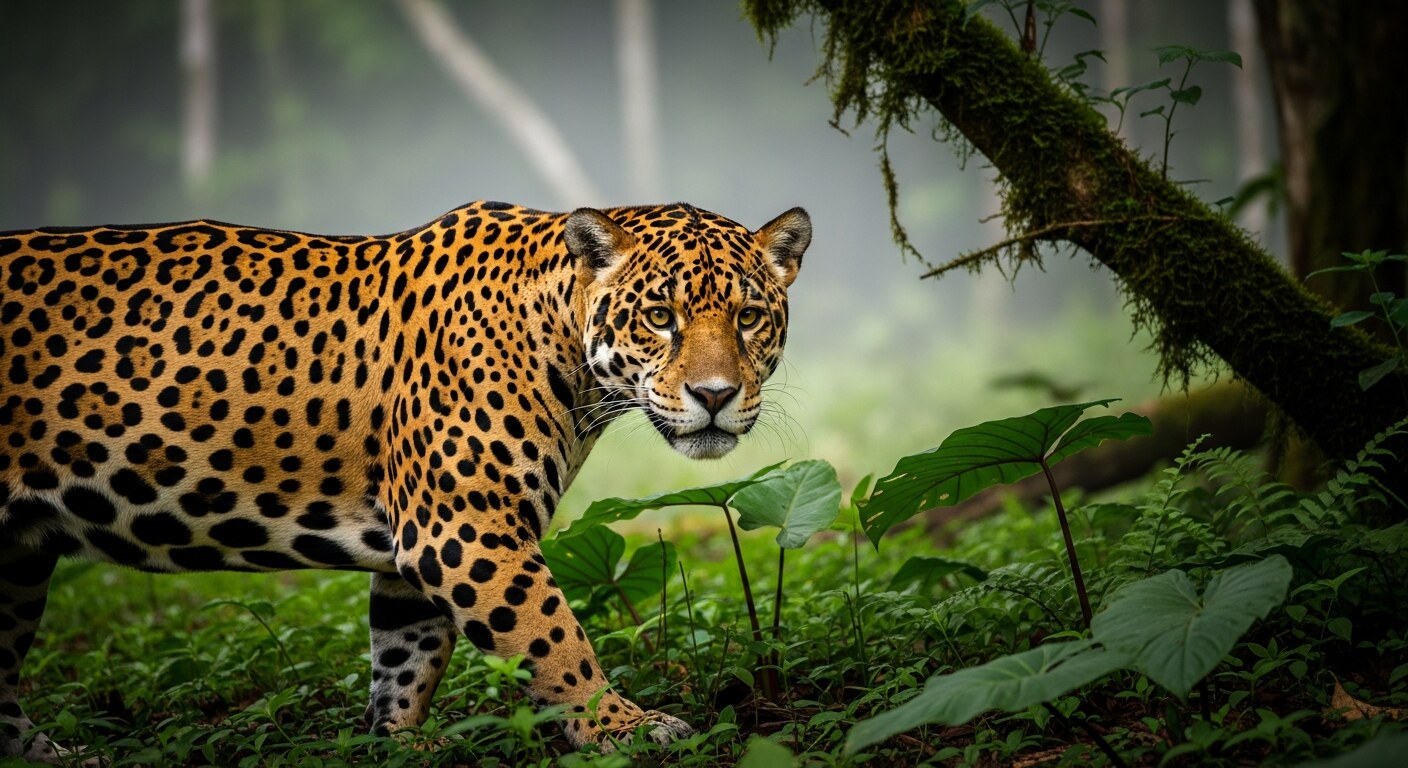
Save the Jaguar
Forest protection in Brazil and Colombia helps jaguars and trafficked wildlife alike.
Open this page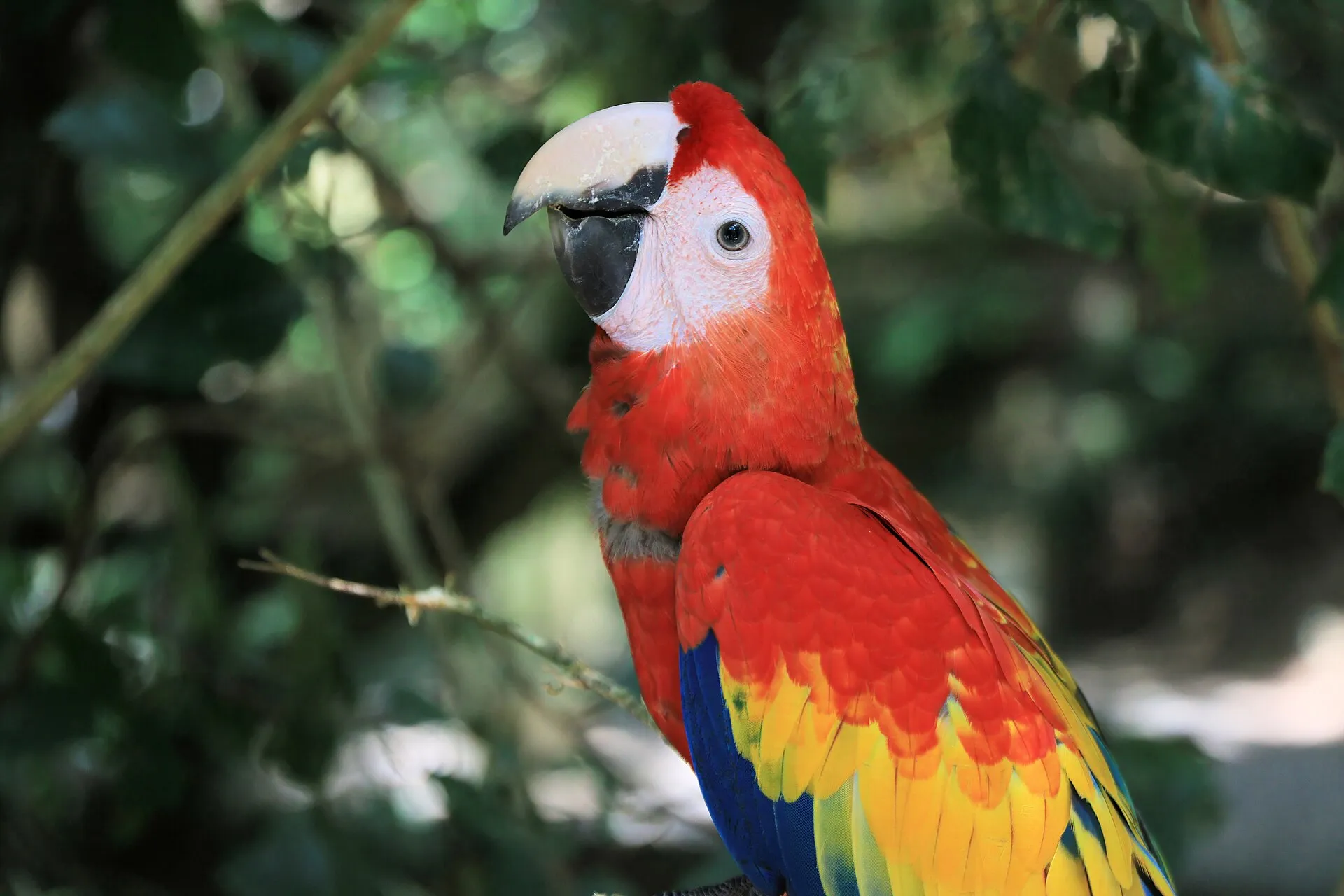
Adopt a macaw
Symbolic macaw adoption from £5/month — same partner grants, gift-certificate wording.
Open this page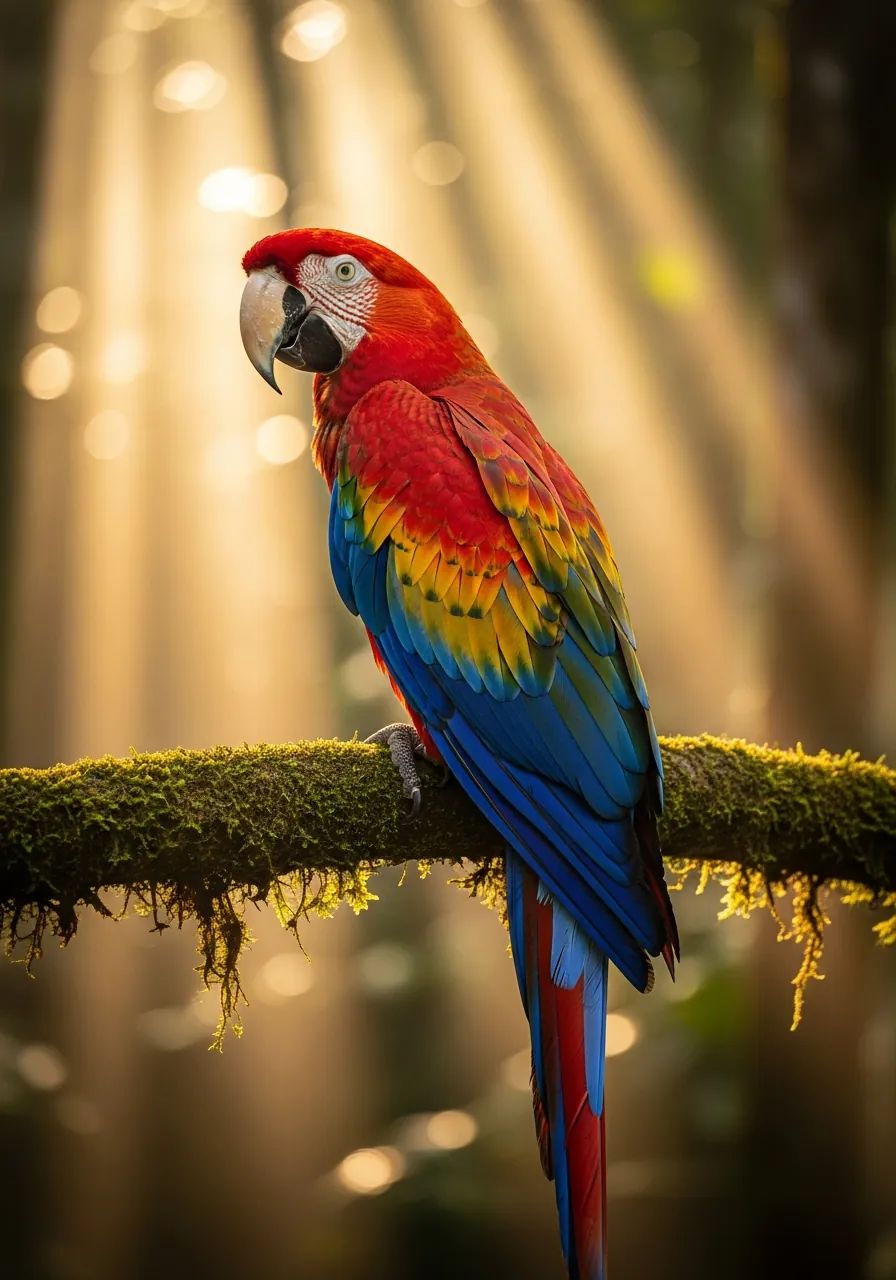
Parrot wildlife guide
Species facts, trade status and the difference between wild parrots and pet-shop birds.
Open this page
Parrot trafficking in Colombia
Field briefing on seizure triage, macaw rescue and why Colombia is a source country.
Open this pageAlso: Macaw guide · Parrot soft release · Colombia trade briefing · Parrot rescue guide · Colombia · Brazil · Indonesia · All appeals
Give on this page
Trafficked parrots: frequently asked questions
Why are parrots the most trafficked birds?
Where does WARN's parrot work happen?
Can rescued parrots be returned to the wild?
How many parrots are trafficked each year?
What happens when customs seizes parrots?
Is it legal to own a wild-caught parrot?
Does WARN run its own parrot sanctuary?
Can I symbolically adopt a macaw?
Which parrot species are most at risk?
How do I donate to help trafficked parrots?
How can I help trafficked parrots from the UK?
Can I give monthly to help trafficked parrots?
How does my donation reach trafficked parrots?
Is this Gift Aid eligible or US tax-deductible?
Should I post parcels or supplies from the UK?
Ready to help trafficked parrots?
Give on this page. Every gift funds partner-led rescue in Colombia, Brazil and Indonesia — not a named pet bird, and not a parcel from Britain.
Donate to trafficked parrots