Wildlife
Are pangolins endangered?
All eight pangolin species are threatened — and widely described as the most trafficked wild mammal on Earth.
In brief
Yes. All eight pangolin species are protected under CITES Appendix I, and most are listed from Vulnerable to Critically Endangered on the IUCN Red List. Pangolins are widely reported as the most trafficked mammal.
By the WARN Research & Conservation TeamChecked against IUCN Red List & CITES sourcesLast updated
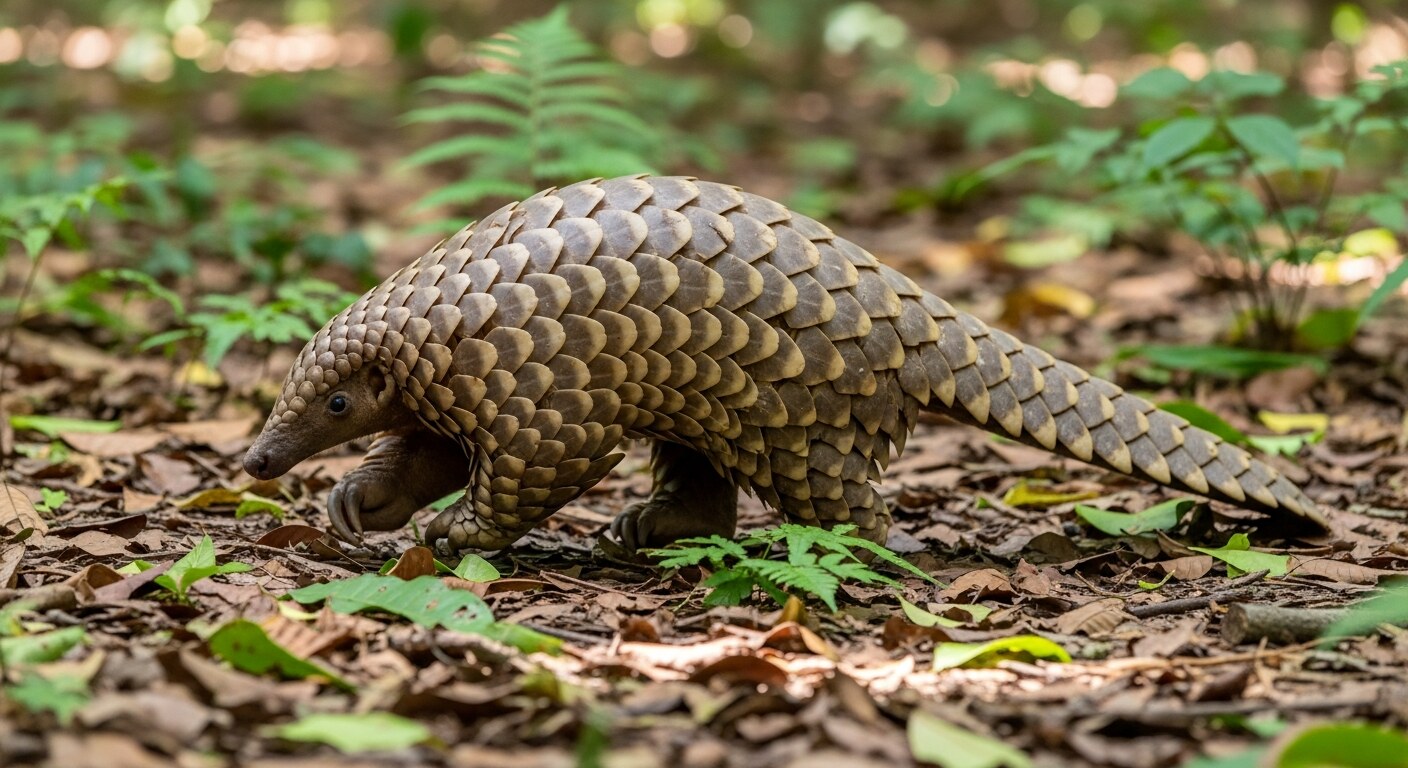
Pangolins are scaly, ant-eating mammals found in Africa and Asia. Every species is listed from Vulnerable to Critically Endangered on the IUCN Red List, and all eight were uplisted to CITES Appendix I in 2017 — prohibiting commercial international trade. An estimated one million or more pangolins were taken from the wild in the past decade for scales and meat. The IUCN SSC Pangolin Specialist Group tracks population declines driven almost entirely by illegal trade rather than habitat loss alone.
8
Pangolin species — all threatened (IUCN)
1M+
Estimated poached in one decade
Appendix I
CITES — commercial trade banned since 2017
~200K
Insects one pangolin may eat per day
Quick facts
| IUCN status | Chinese & Sunda pangolins Critically Endangered; all eight species threatened |
|---|---|
| CITES | Appendix I — highest protection; commercial export prohibited |
| Scales | Made of keratin — same protein as fingernails; no proven medicinal value |
| Diet | Ants and termites — up to 200,000 insects daily |
| Defence | Curls into armoured ball — effective vs predators, useless vs poachers |
| Trade routes | Africa increasingly supplies Asian demand as Asian populations collapse |
Key takeaways
- All eight pangolin species are threatened on the IUCN Red List.
- Pangolins are widely cited as the most trafficked wild mammal globally.
- Scales are keratin with no proven medicinal value — trade persists for traditional markets.
- CITES Appendix I bans commercial international trade in all pangolin species.
- Over one million pangolins estimated taken from the wild in the past decade.
- Anti-poaching patrols and demand reduction matter more than captive breeding at scale.
Why pangolins are trafficked
Pangolin scales are composed of keratin — the same structural protein in human fingernails and rhino horn — yet command high prices in traditional medicine markets across China and Vietnam despite no proven clinical benefit. Meat is sold as a luxury dish. Demand accelerated as Asian pangolin populations collapsed, shifting poaching pressure to Africa’s four species. Nigeria, Cameroon and other ports appear repeatedly in multi-tonne scale seizures documented in CITES annual reports. Live animals are also trafficked for the exotic pet trade, though survival rates are low. Consumer-awareness campaigns and China’s 2020 removal of pangolin scales from its official pharmacopoeia mark progress, but black-market trade continues.
Species and regional decline
Four Asian species — Chinese, Sunda, Indian and Philippine pangolins — suffered catastrophic declines first. Chinese and Sunda pangolins are Critically Endangered; Indian and Philippine are Endangered. Africa’s Temminck’s ground, giant ground, white-bellied and black-bellied pangolins are Vulnerable but declining rapidly as syndicates pivot south. The IUCN SSC Pangolin Specialist Group notes that no reliable global population estimate exists because pangolins are nocturnal and solitary, but trend data show range contractions and rising seizure volumes. Every assessed species is declining.
Rescue and rehabilitation challenges
Pangolins are notoriously difficult to keep in captivity. They are specialist myrmecophages dependent on particular ant and termite species, easily stressed, and prone to respiratory and digestive failure when handled. Seized animals often arrive injured, dehydrated or dead. A handful of programmes have bred pangolins in captivity, but none has released animals to the wild at meaningful scale. Prevention — anti-poaching patrols, community reporting and faster seizure response — remains more effective than post-trafficking rescue alone. When live animals are confiscated, specialist centres with veterinary capacity and natural forage enclosures offer the best outcomes.
What enforcement needs
CITES Appendix I protection is only as strong as national enforcement. Customs units need training to detect scale shipments hidden in containers, and prosecutors need wildlife-crime statutes with meaningful penalties. Demand reduction in consumer countries complements source-country patrols. The UNODC classifies wildlife trafficking as transnational organised crime — pangolin networks overlap with ivory and timber syndicates. Donor funding for patrol support, sniffer-dog units at ports and veterinary triage for live seizures fills gaps that government budgets often miss.
What WARN does
WARN directs pangolin funding to anti-trafficking patrol support, community reporting networks and seizure-response veterinary care through partners in Indonesia, Malaysia and Pakistan — range countries where live confiscations need specialist rehabilitation capacity.