Wildlife · Species comparisons
What is the difference between African and Asian elephants?
African elephants have continent-shaped ears and two trunk fingers; Asian elephants have smaller ears, one trunk finger and a twin-domed forehead.
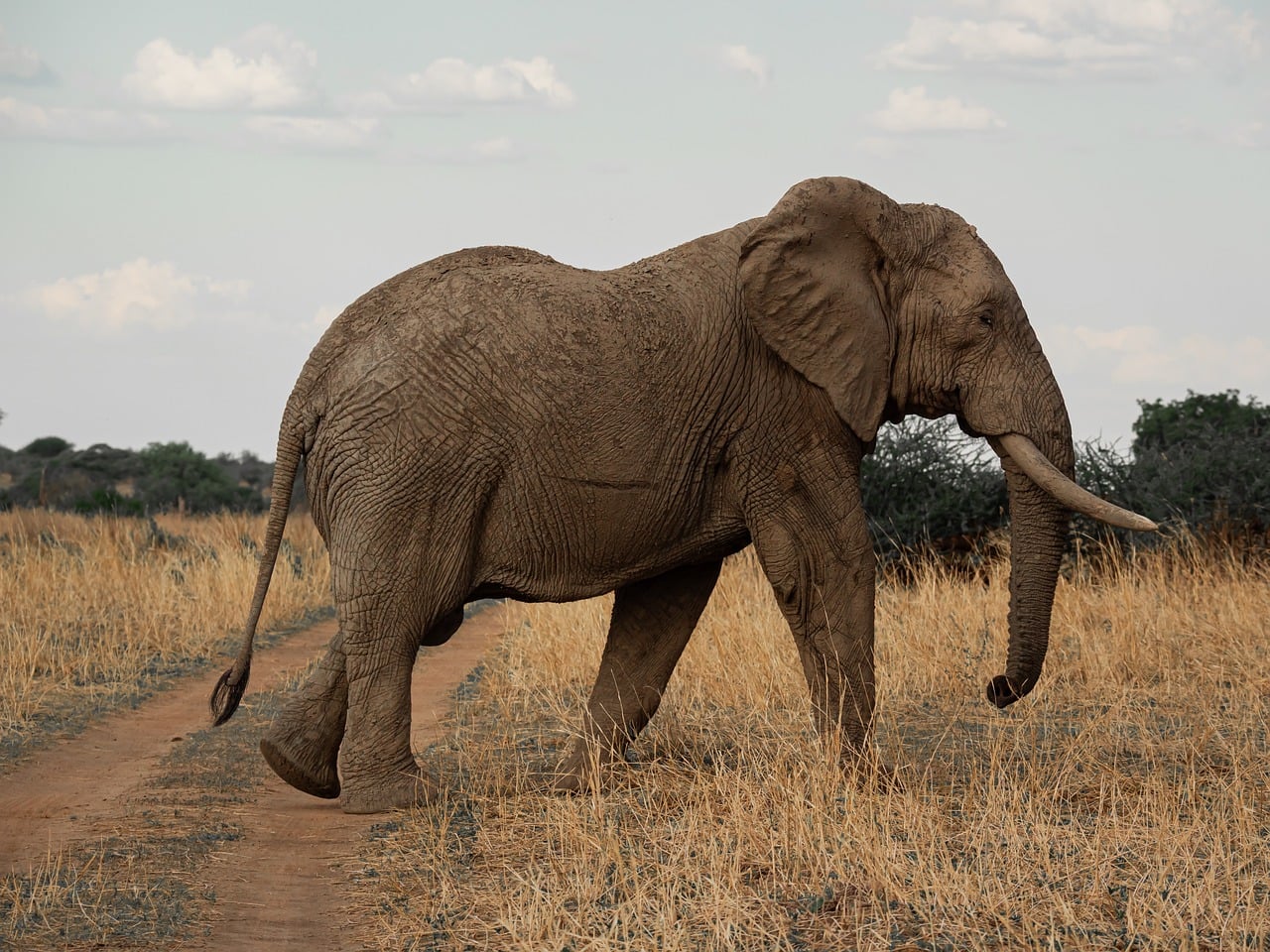
In brief
African elephants have larger ears shaped like the African continent; Asian elephants have smaller, rounded ears. African elephants include savanna and forest species — both larger than Asian elephants. Only male Asian elephants typically carry visible tusks.
By the WARN Research & Conservation TeamChecked against IUCN Red List & CITES sourcesLast updated
African and Asian elephants are the last surviving members of the order Proboscidea — but they are distinct species with different morphology, ecology and conservation status. African elephants split into forest (Critically Endangered) and savanna/bush (Endangered) species in 2021. Asian elephants are Endangered across 13 range countries. Ear size is the classic field mark: African elephants evolved large ears to radiate heat on open savannas; Asian elephants in shadier forests carry smaller, rounded ears. Both face poaching for ivory and accelerating habitat loss.
2
African species — forest and savanna (2021 split)
1
Asian species — Elephas maximus
CR/EN
Forest elephant CR; bush and Asian EN
415,000
Approximate African elephants remaining — both species
Quick facts
| African ears | Large — shaped like the African continent |
|---|---|
| Asian ears | Smaller, rounded |
| Trunk fingers | African: two; Asian: one |
| Tusks | Both sexes often tusked in African; mainly males in Asian |
| Forehead | Asian: twin-domed; African savanna: single dome |
| Size | African savanna largest living land animal |
Key takeaways
- African ears larger — continent-shaped; Asian ears smaller and rounded.
- African trunk: two fingers; Asian: one finger.
- Forest elephants Critically Endangered; bush and Asian Endangered.
- 2021 split recognised two African species with different decline rates.
- Poaching and habitat loss threaten all elephant species.
- See WARN comparison for full table and range maps.
Ear size and heat regulation
Ear size is the quickest field identification feature. African savanna elephants have massive ears rich in blood vessels — flapping dissipates heat on open plains. Forest elephants have smaller ears than savanna relatives but still larger than Asian elephants. Asian elephants evolved in tropical and subtropical forest with less need for extreme heat radiation — their ears are smaller and more rounded. Ear vasculature also differs in pattern — useful for experts examining photographs when range overlap is impossible.
Trunk, head and tusks
African elephants have two finger-like projections at the trunk tip for precision grasping; Asian elephants have one. Asian elephant foreheads show a distinctive twin-domed profile; African savanna elephants have a single rounded cranial dome. Tusk patterns differ: both male and female African elephants commonly grow visible tusks; female Asian elephants are usually tuskless (tushes may be small or absent). These traits reflect feeding ecology — Asian elephants browse forest vegetation; African species graze and browse across savanna and forest.
2021 species split
The IUCN recognised African forest elephants (Loxodonta cyclotis) and savanna/bush elephants (L. africana) as separate species in 2021 — upgrading forest elephants to Critically Endangered and bush elephants to Endangered. Forest elephants are smaller, have straighter tusks and inhabit Central and West African rainforest. Savanna elephants range across eastern and southern Africa in larger aggregations. The split matters for conservation prioritisation — forest elephants declined by an estimated 86% over 31 years in one major assessment.