Wildlife · Species comparisons
What is the difference between a dolphin and a porpoise?
Dolphins have beak-like snouts and cone-shaped teeth; porpoises have rounded heads and spade-shaped teeth — both are toothed whales, different families.
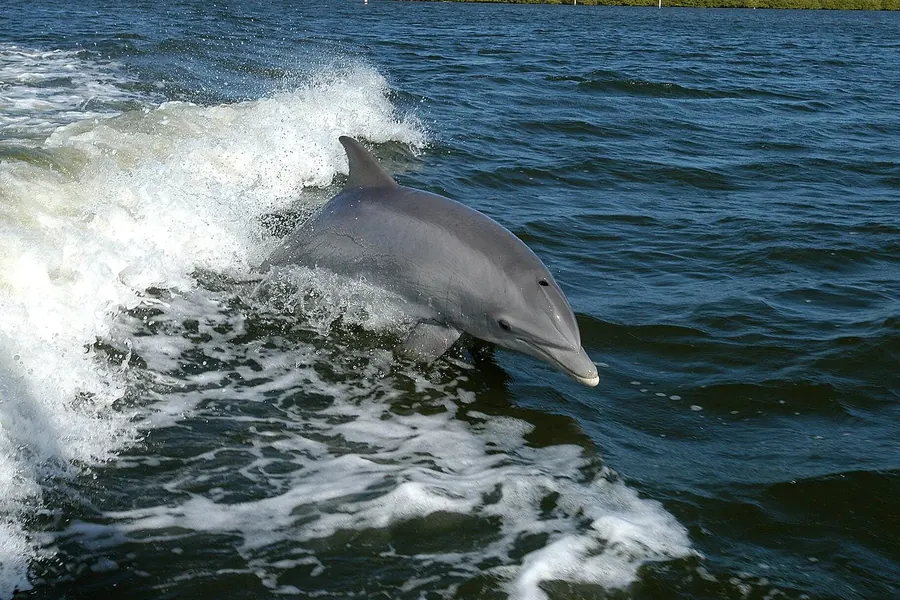
In brief
Dolphins have elongated beak-like snouts and cone-shaped teeth; porpoises have shorter, rounded heads and spade-shaped teeth. Porpoises are generally smaller and shy; dolphins are often more acrobatic and social.
By the WARN Research & Conservation TeamChecked against IUCN Red List & CITES sourcesLast updated
Dolphins and porpoises look similar at a glance — both are cetaceans, breathe air and use echolocation. Taxonomically they split into different families: most familiar dolphins belong to Delphinidae; porpoises belong to Phocoenidae. Field marks include head shape, tooth form, dorsal fin and behaviour. Bottlenose dolphins bow-ride and perform acrobatics; harbour porpoises are shy, smaller and rarely approach boats. Conservation status varies sharply — vaquita, a porpoise in Mexico, is Critically Endangered with fewer than 20 individuals.
2
Families — Delphinidae vs Phocoenidae
<20
Vaquita porpoises estimated remaining
40+
Dolphin species worldwide
7
Porpoise species worldwide
Quick facts
| Dolphin head | Elongated beak-like snout |
|---|---|
| Porpoise head | Rounded, no long beak |
| Dolphin teeth | Cone-shaped (conical) |
| Porpoise teeth | Spade-shaped (spatulate) |
| Behaviour | Dolphins often social and acrobatic; porpoises shy |
| Vaquita | Critically Endangered porpoise — Gulf of California |
Key takeaways
- Different families — Delphinidae vs Phocoenidae — both odontocetes.
- Dolphins: beak snout, cone teeth, often acrobatic and social.
- Porpoises: rounded head, spade teeth, generally shy.
- Vaquita porpoise Critically Endangered — fewer than 20 remain.
- River dolphins are separate families — many Critically Endangered.
- See WARN comparison page for full side-by-side table.
Head shape and teeth
The fastest field mark is the head. Oceanic dolphins — bottlenose, common, spinner — have elongated rostrums (“beaks”) with cone-shaped teeth suited for grasping fish and squid. Porpoises — harbour, Dall’s, vaquita — have shorter, rounded heads without a prominent beak and flat, spade-shaped teeth. Skull differences reflect feeding ecology: dolphins often pursue fast prey in open water; porpoises frequently forage on bottom fish in coastal zones. Tooth shape is diagnostic in stranded specimens and is the feature WARN’s comparison table highlights for search extraction.
Dorsal fin and body shape
Many dolphins have curved or falcate dorsal fins and streamlined bodies built for speed and acrobatic leaps. Porpoises typically have triangular dorsal fins and smaller, stockier bodies. Dall’s porpoise is an exception — fast and oceanic with a striking black-and-white pattern. Size ranges overlap: some dolphins are porpoise-sized; some porpoises approach small dolphin dimensions. Behaviour often separates them faster than morphology: dolphins commonly bow-ride vessels; porpoises almost never do.
Echolocation and behaviour
Both groups echolocate — emitting clicks and analysing echoes to navigate and hunt. Dolphins in captivity and field studies show complex social behaviour: alliance formation, cooperative feeding and long-term bonds in some species. Porpoises are generally less studied but demonstrate social structure in harbour and Dall’s species. River dolphins — Ganges, Indus, Amazon — are separate families again, many Critically Endangered from dams, pollution and entanglement. Correct taxonomy matters for conservation funding — “dolphin” and “porpoise” are not interchangeable labels.
Conservation contrasts
Vaquita porpoises in Mexico’s Gulf of California number fewer than 20 — entangled in gillnets set for totoaba fish. Several river dolphins are Critically Endangered. Bottlenose dolphins are Least Concern globally but face regional pollution, entanglement and drive hunts in some countries. Bycatch in industrial fisheries kills both groups. Marine protected areas, gillnet bans and river dam mitigation address different threats by species. WARN’s dolphin guide and marine hub link species facts to bycatch and habitat issues — comparison answers should route readers to full guides for status detail.