Wildlife
Are dolphins fish or mammals?
Dolphins live in the sea but breathe air, nurse their young and are warm-blooded — hallmarks of mammals, not fish.
In brief
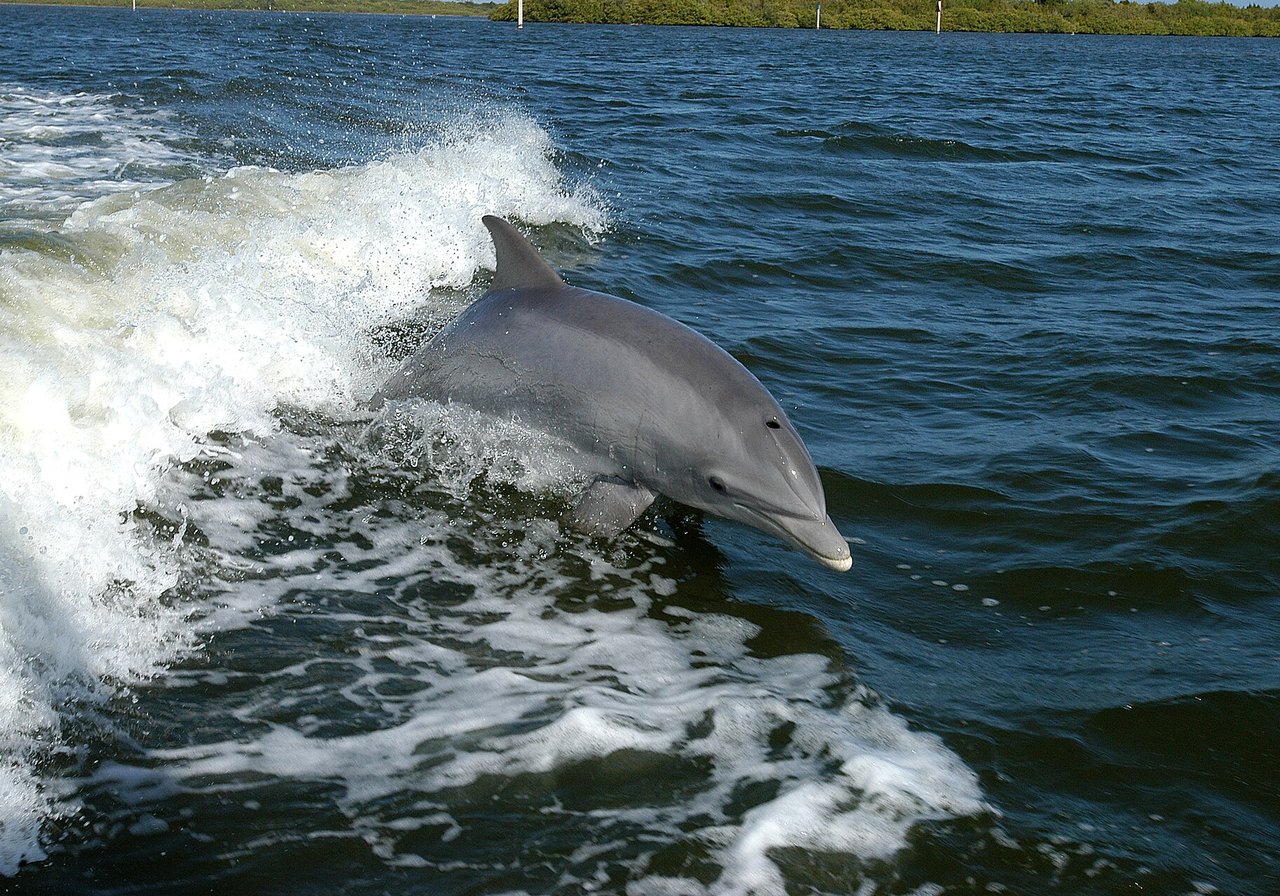
Dolphins are mammals. They breathe air through a blowhole, nurse their young with milk, and are warm-blooded — despite living in the sea.
By the WARN Research & Conservation TeamChecked against IUCN Red List & CITES sourcesLast updated
Dolphins belong to the order Cetacea alongside whales and porpoises. Like all mammals, they have lungs, mammary glands and hair follicles at birth — even though adults appear hairless and fish-like in shape. Fish breathe through gills and do not produce milk. NOAA’s cetacean guides emphasise blowholes, blubber and live birth as identification features. Several river-dolphin species are Critically Endangered on the IUCN Red List, threatened by dams, entanglement and pollution rather than taxonomic confusion.
90+
Cetacean species worldwide
42
Dolphin species (approx.)
5
River-dolphin species — all threatened (IUCN)
50+
Years some dolphins live in the wild
Quick facts
| Class | Mammalia — not fish |
|---|---|
| Order | Cetacea (whales, dolphins, porpoises) |
| Breathing | Single blowhole — must surface for air |
| Reproduction | Live birth; calves nurse on rich milk |
| Body temperature | Warm-blooded — maintained by blubber |
| Main threats | Bycatch, habitat loss, pollution — IUCN |
Key takeaways
- Dolphins are mammals in the order Cetacea — not fish.
- They breathe air through a blowhole and must surface regularly.
- Calves nurse on milk; dolphins are warm-blooded with blubber insulation.
- Streamlined bodies evolved for swimming — convergent with fish, not shared ancestry.
- Several river-dolphin species are Critically Endangered on the IUCN Red List.
- NOAA and IUCN cite bycatch and habitat loss as leading threats.
Why dolphins look like fish
Streamlined bodies, dorsal fins and tail flukes evolved independently in dolphins and in fish — a classic example of convergent evolution for fast swimming. Dolphins are torpedo-shaped because water resistance rewards that form, not because they share fish ancestry. Their skeletons reveal the difference: dolphins have vestigial pelvic bones, a mammalian skull and a horizontal tail fluke moved up and down, unlike fish tails that sweep side to side. Forelimbs became flippers; hind limbs disappeared except for internal remnants. This body plan lets dolphins exceed 30 km/h in pursuit of fish and squid while remaining air-breathing mammals.
Mammal traits dolphins retain
Every dolphin breathes through a blowhole — a nostril moved to the top of the head — and must surface regularly. Calves are born tail-first underwater, then guided to the surface for a first breath. Mothers nurse for months to years depending on species, producing milk far richer than cow milk. Dolphins are warm-blooded, maintaining body temperature with thick blubber. They also possess three middle-ear bones, a mammalian hallmark absent in fish. Brain size and social complexity — pod structure, cooperative hunting, long-term bonds — align with advanced mammalian cognition documented in peer-reviewed cetacean research.
Dolphins vs porpoises vs fish
Porpoises are also cetacean mammals but tend to have spade-shaped teeth and shorter beaks than many dolphins. True fish — tuna, mackerel, sharks — have gills, scales (in most species) and no mammary glands. Confusion often arises because both groups live in the same habitat. NOAA’s identification guides recommend checking for a blowhole, horizontal tail movement and visible breathing at the surface. Fish do none of these. When stranded, dolphins require mammal-specific veterinary care — keeping gills wet is irrelevant; keeping blowholes clear and preventing overheating is critical.
Conservation status
Ocean dolphins face entanglement in fishing gear, acoustic disturbance from shipping and naval sonar, pollution and prey depletion. River dolphins — including the Yangtze finless porpoise and Amazon boto — face dams, deliberate killing and habitat fragmentation. The IUCN Red List classifies several species as Critically Endangered with small, declining populations. Bycatch in gillnets remains the leading threat for many coastal dolphins. Marine protected areas, gear modifications such as pingers and acoustic deterrents, and river corridor protection are among responses recommended by IUCN specialist groups and NOAA Fisheries.