Wildlife
Are elephants endangered?
African forest elephants are Critically Endangered, bush elephants Endangered and Asian elephants Endangered — poaching and habitat loss drive all three listings.
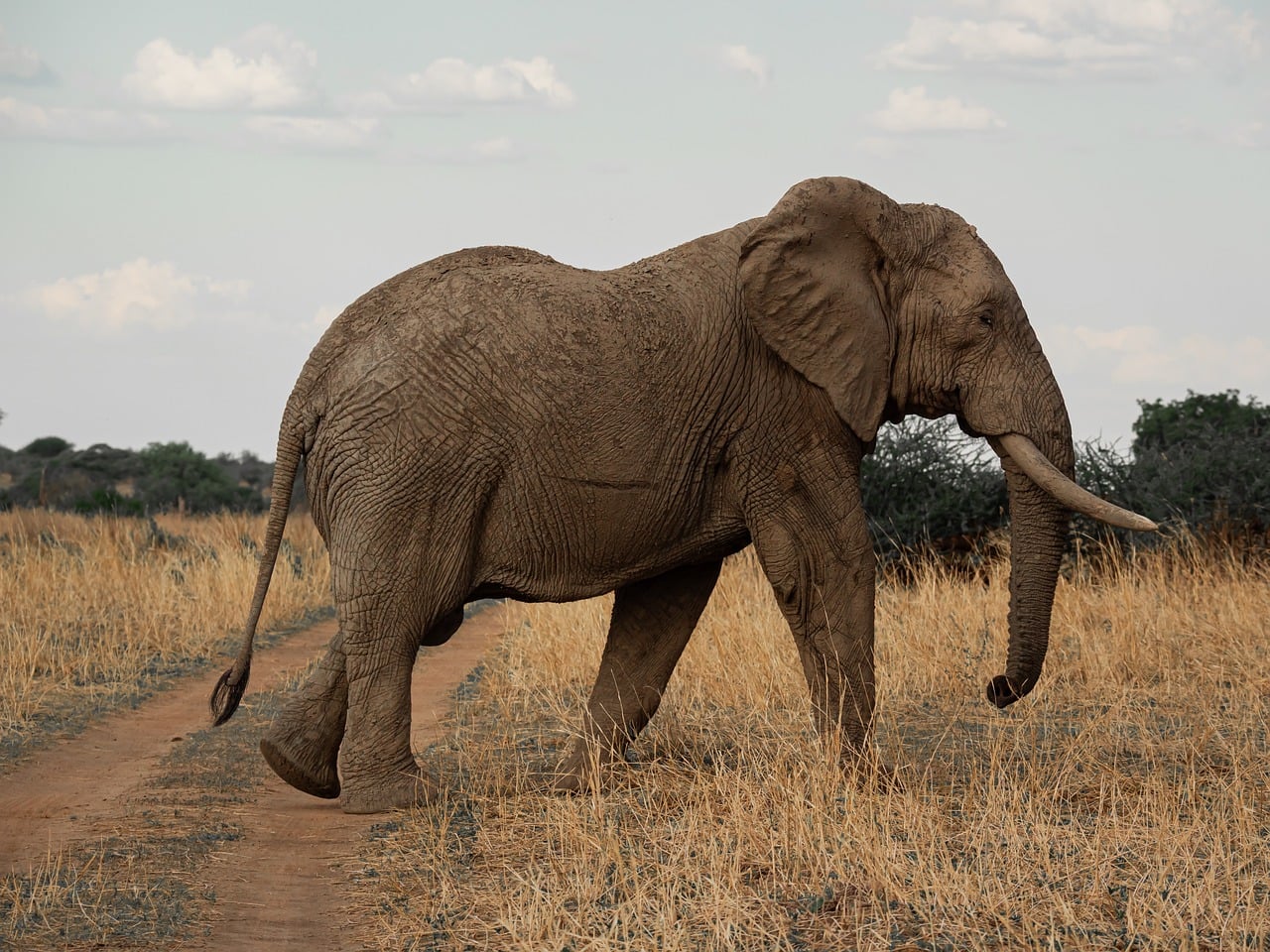
In brief
African forest elephants are Critically Endangered; African bush elephants are Endangered; Asian elephants are Endangered on the IUCN Red List. Poaching and habitat loss remain the main threats.
By the WARN Research & Conservation TeamChecked against IUCN Red List & CITES sourcesLast updated
Elephants are keystone species that shape savannas and forests through seed dispersal, trail creation and water access. The IUCN Red List split African elephants into two species in 2021: forest elephants (Critically Endangered) and bush elephants (Endangered). Asian elephants are Endangered, threatened by habitat fragmentation for plantations and infrastructure as well as human–elephant conflict. Ivory poaching remains a crisis for African populations despite international trade bans under CITES.
3
Elephant species — all threatened (IUCN)
415K
African bush elephants estimated (IUCN 2021)
~50K
Asian elephants estimated — declining
CR
African forest elephant — Critically Endangered
Quick facts
| African forest elephant | Critically Endangered — smaller, rainforest-adapted |
|---|---|
| African bush elephant | Endangered — savanna and woodland populations |
| Asian elephant | Endangered — fragmented across South and Southeast Asia |
| Ivory trade | CITES Appendix I for African elephants — commercial trade banned |
| Keystone role | Seed dispersal, water access, habitat engineering |
| Main threats | Poaching, habitat loss, human–elephant conflict |
Key takeaways
- African forest elephants: Critically Endangered; bush elephants: Endangered (IUCN 2021).
- Asian elephants: Endangered — habitat loss and conflict are leading threats.
- Ivory poaching remains organised crime — CITES Appendix I bans international trade.
- Elephants are keystone species — seed dispersers and habitat engineers.
- IUCN split African elephants into two species with separate extinction-risk assessments.
- Anti-poaching patrols, corridors and community conservancies support recovery where funded.
African elephants: two species, two crises
The 2021 IUCN reassessment recognised African forest elephants and bush elephants as separate species with different trajectories. Forest elephants — smaller, with downward-pointing tusks adapted for dense rainforest — declined by more than 86% over 31 years and are Critically Endangered. Bush elephants, the savanna giants of East and Southern Africa, are Endangered with roughly 415,000 remaining but declining in many regions. Ivory poaching syndicates target both; forest elephants suffer additionally from bushmeat hunting and mining-driven habitat loss in Central Africa. Anti-poaching patrols, ivory demand reduction and corridor protection are central responses.
Asian elephant pressures
Asian elephants number roughly 50,000 across fragmented populations from India to Indonesia. Habitat loss to tea, palm oil and rubber plantations plus road and railway expansion isolates herds. Human–elephant conflict kills hundreds of people and elephants annually when crops replace forest edges. Unlike African elephants, only some Asian males carry tusks — “tuskless” males are more common, but poaching for ivory and meat persists. Captive working elephants in tourism and logging raise separate welfare concerns. India holds the largest population; Sumatra’s herds are Critically Endangered.
Why elephants matter ecologically
Elephants disperse seeds over long distances — some tree species depend entirely on elephant gut passage for germination. In dry seasons, elephants dig waterholes that benefit other wildlife. Their feeding opens forest gaps that promote plant diversity. Removing elephants triggers cascading effects: tree composition shifts, prey populations change and carnivore dynamics alter. Conservation biologists classify them as ecosystem engineers and keystone species. Protecting elephants protects the habitat matrix dozens of other species require — a principle WARN applies when prioritising landscape-level funding.
Poaching and enforcement
CITES Appendix I prohibits international commercial ivory trade for African elephants. Domestic bans in China (2018) and other consumer countries reduced open markets, but laundering persists through illegal channels and stockpile sales debates. Poaching is organised crime — syndicates use helicopters, automatic weapons and corruption. Community-based conservancies in Namibia and Kenya show that revenue from ecotourism and legal hunting (where permitted) can fund anti-poaching when governance is strong. Technology — DNA tracking of ivory seizures to source populations — helps prosecutors build cases.
What WARN does
WARN documents elephant conservation context across East African and Asian network countries, linking donors to anti-poaching patrol support, corridor protection and human–elephant conflict mitigation through vetted partner programmes.