Pigeon Breed · Asia & the Middle East
Frillback
An ornamental breed with curled, frilled feathers across the wing shield.
By WARN Research & Conservation TeamLast updated
In brief
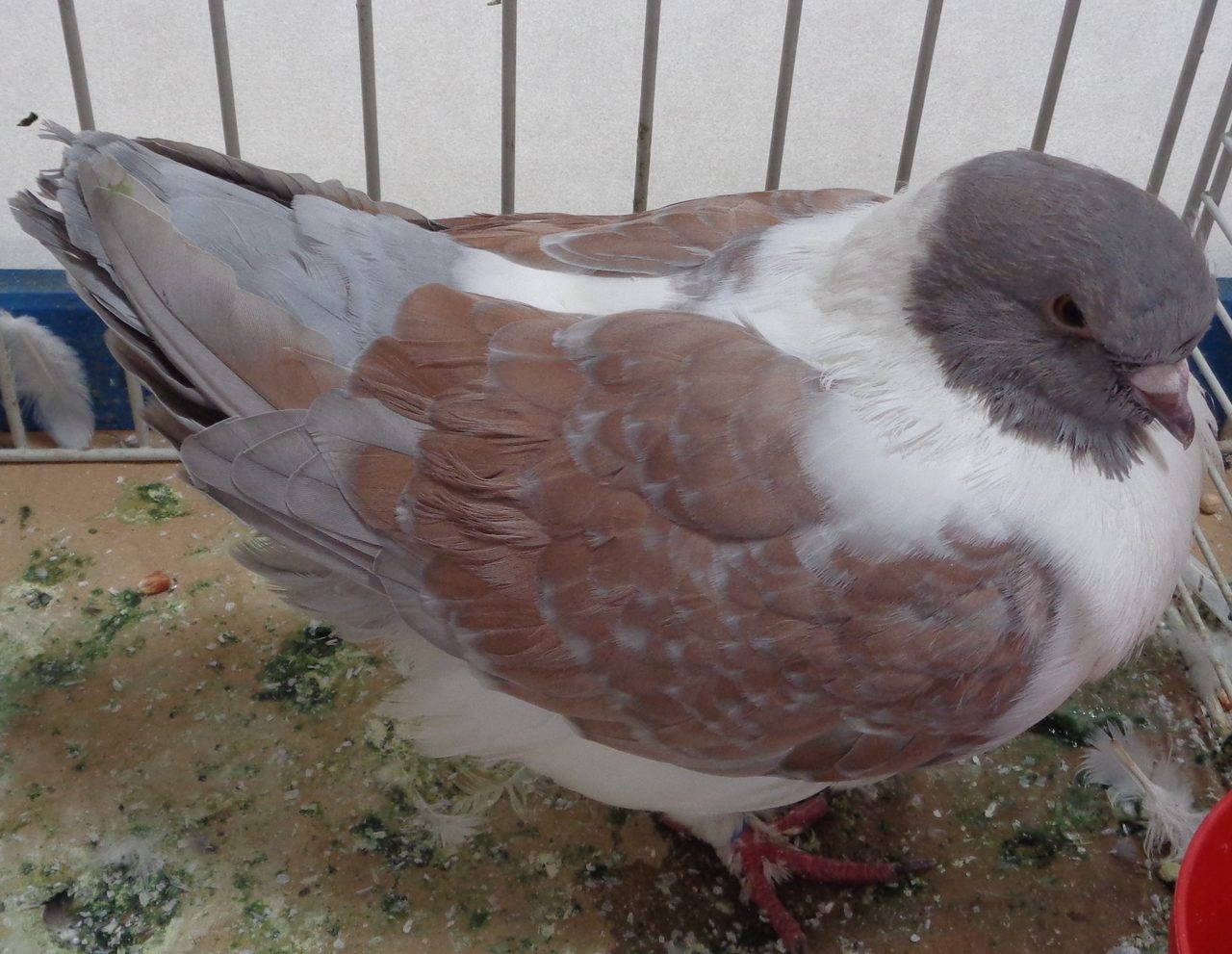
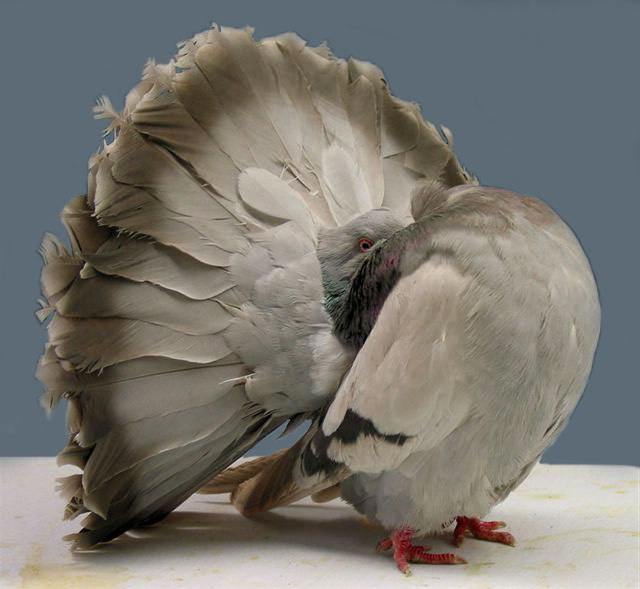
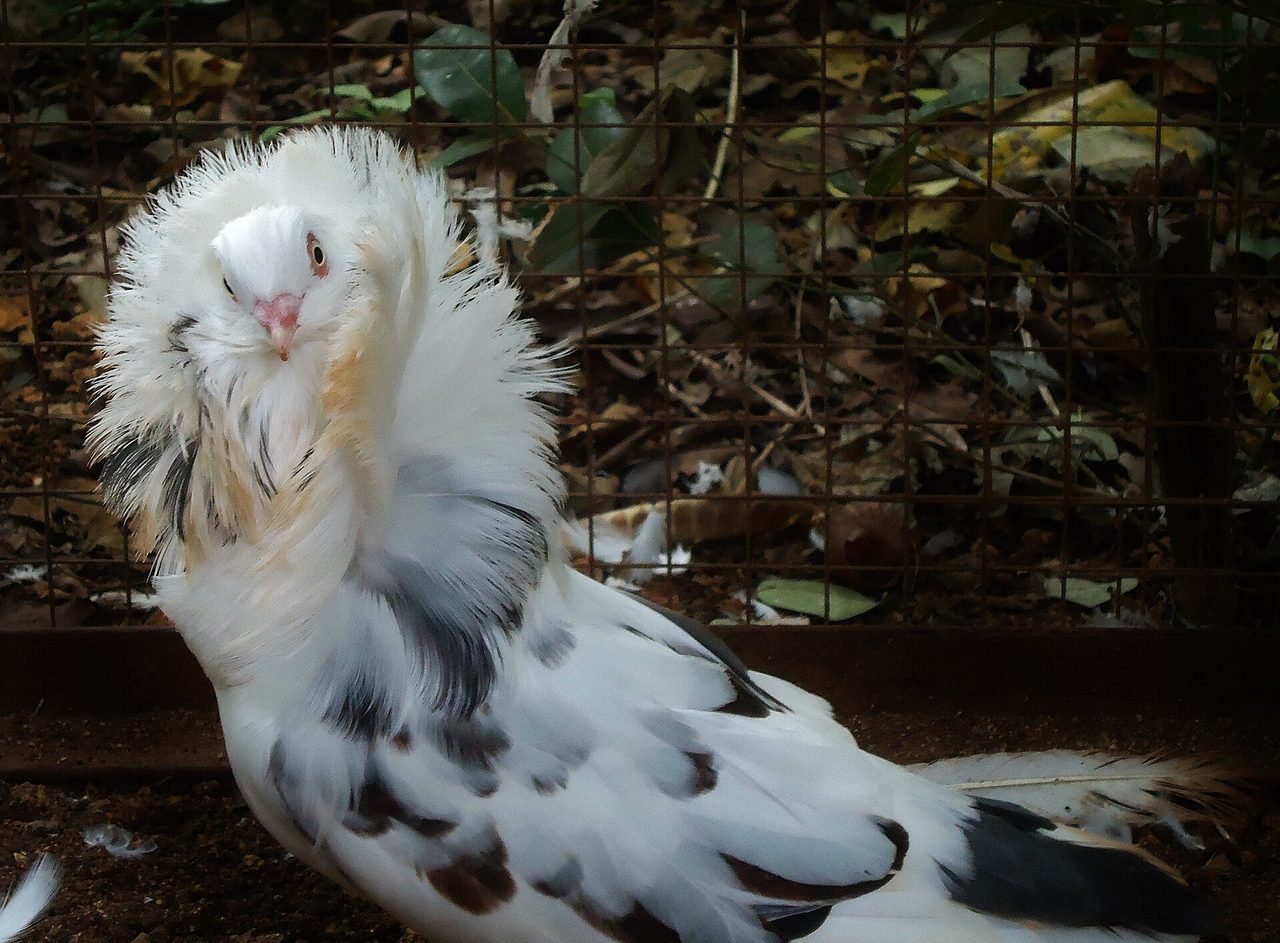
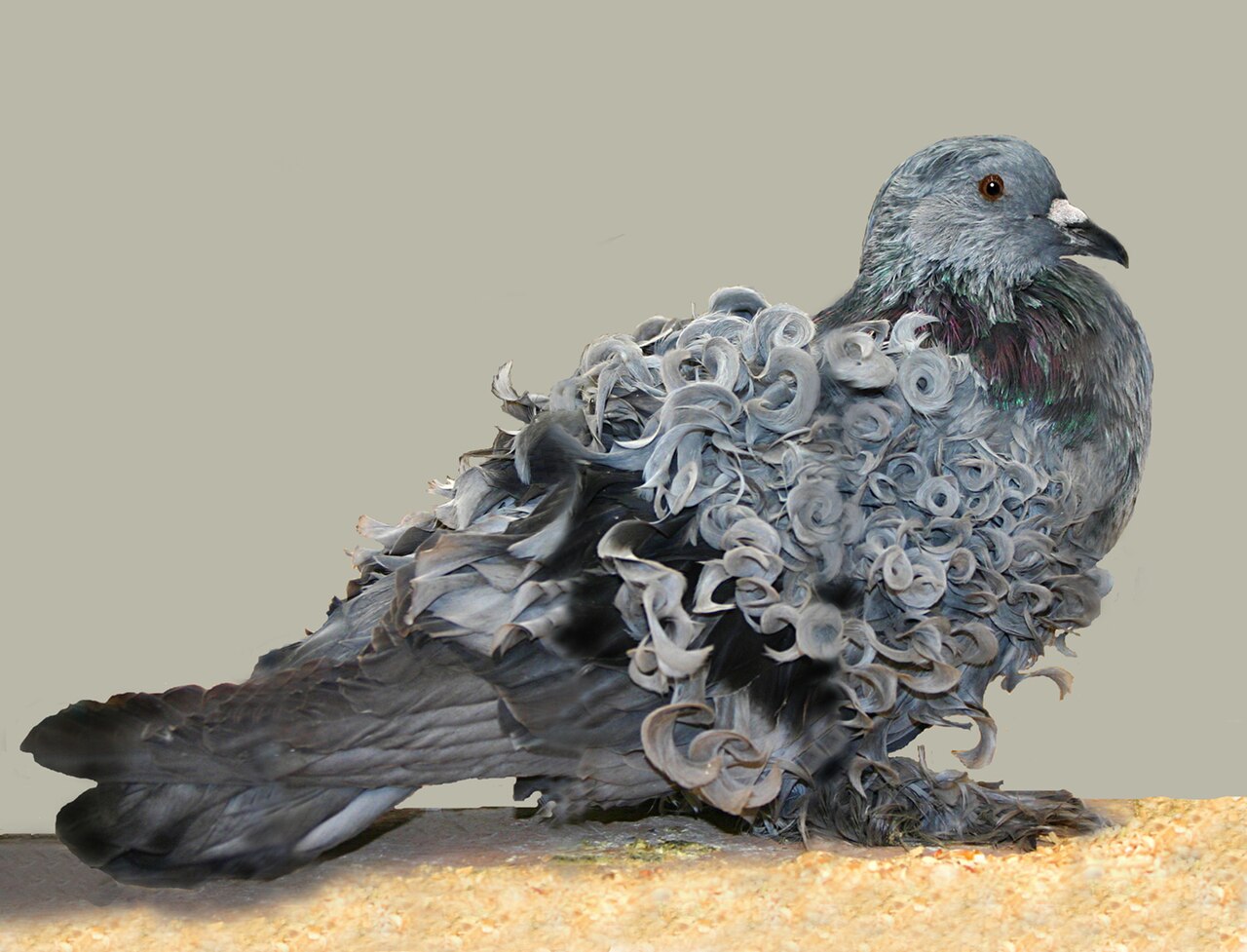
The Frillback is an ornamental pigeon distinguished by tightly curled or frilled feathers on the wing shield, and sometimes the feet. The curls are a selectively bred feather trait kept for exhibition.
What are the key facts about a Frillback?
The Frillback is a pigeon breed from Asia & the Middle East: medium (~340 g), ornamental, calm, distinctive. An ornamental breed with curled, frilled feathers across the wing shield.
| Origin | Asia & the Middle East |
|---|---|
| Size | Medium (~340 g) |
| Size & weight | Medium (~340 g) |
| Lifespan | 6–15 years with good care |
| Plumage | Curled, frilled feathers on the wing shield; often feathered feet |
| Temperament | Ornamental, calm, distinctive |
| Kept for / suits | Aviary and exhibition keepers with secure, clean lofts |
Should you keep a Frillback?
Keep a Frillback only if you can meet livestock law, land, feed and veterinary care — not because the pigeon looks friendly online. This Asia & the Middle East type is medium (~340 g) and ornamental, calm, distinctive.
A Frillback is husbandry, not a house pet. Check local zoning, neighbour rules, and whether you can provide species-appropriate shelter, forage and handling. An ornamental breed with curled, frilled feathers across the wing shield.
Impulse “micro” livestock and Easter-gift birds are how pigeons end up dumped. If you cannot commit for 6–15 years with good care, do not start. Rescue and rehoming exist; buying a cheap animal you cannot keep is the problem this page is trying to prevent.
What is a Frillback?
An ornamental breed with curled, frilled feathers across the wing shield. Origin is Asia & the Middle East; coat or markings are described as Curled, frilled feathers on the wing shield; often feathered feet.
Kennel and registry labels describe a type. Individual Frillbacks still vary, and rescue animals may be mixes.
Where does the Frillback come from?
Frillbacks come from Asia & the Middle East. An old ornamental breed from Asia and the Middle East, the Frillback is bred for the strength and tightness of the curls on its wing feathers.
The curls require careful management to stay clean and intact, so it is a show and aviary bird. It comes in many colours, with white frequently exhibited.
That origin still shows. A Frillback is medium (~340 g) and ornamental, calm, distinctive, typically living 6–15 years with good care. Use the history as context for care and conservation, not as folklore to repeat without sources.
What husbandry does a Frillback need?
Frillback husbandry is land, feed, handling and veterinary access — for 6–15 years with good care. This Asia & the Middle East type is medium (~340 g) (Medium (~340 g)) and ornamental, calm, distinctive.
Shelter, clean water, species-appropriate forage and a plan for parasites and feet or hooves are the baseline. Coat notes (Curled, frilled feathers on the wing shield; often feathered feet) tell you about weather and grooming, not whether the animal can live in a garage.
Know what you will do with offspring, and do not keep a single highly social pigeon alone if the species is a flock or herd animal.
What surprises people about the Frillback?
A few details about the breed, alongside the practical care information in this guide.
- Frillbacks have tightly curled feathers on the wing shield.
- The curls are judged on tightness and length at shows.
- Some lines also have curled feathers on the feet.
- It is one of the more unusual-looking fancy breeds.
What health issues should you know about in a Frillback?
Health concerns to discuss with your vet, including changes to watch for and everyday care. This is general guidance, not veterinary advice — always speak to your vet.
Canker (trichomoniasis)
A common protozoan infection causing yellow cheesy growths in the mouth and throat, difficulty swallowing and weight loss, especially in young birds.
Care: An avian vet diagnoses and treats it with anti-protozoal medication; clean water and good loft hygiene reduce spread.
Coccidiosis
An intestinal parasite causing diarrhoea, weakness and poor condition, particularly in young or stressed birds.
Care: Good loft hygiene and dry housing prevent it; a vet can prescribe treatment when birds are affected.
Pigeon pox
A viral disease causing wart-like scabs on the unfeathered skin and sometimes lesions in the mouth, often spread by mosquitoes.
Care: Vaccination and mosquito control help prevent it; most birds recover with supportive care from an avian vet.
Who should skip a Frillback?
Skip a Frillback if you are anyone without land, zoning permission, and a vet. This Asia & the Middle East pigeon is medium (~340 g) and ornamental, calm, distinctive — the mismatch is usually lifestyle, not a missing accessory.
This page is allowed to say no. Skip if you are anyone without land, zoning permission, and a vet.
A different pigeon breed on this site may fit. Wanting “a Frillback” after a film or a colour photo is not a reason to ignore the skip list.
What are the hidden catches with a Frillback?
The hidden cost of a Frillback is usually not the purchase price. It is years of care, the health list on this page, and the mismatch between a ornamental, calm, distinctive animal and a busy home.
The impulse-buy catch
A Frillback from Asia & the Middle East is often sold on looks. Coat, colour and size are not a temperament test. Meet the adult animal, ask about health screening, and walk away from pressure sales.
The canker (trichomoniasis) catch
A common protozoan infection causing yellow cheesy growths in the mouth and throat, difficulty swallowing and weight loss, especially in young birds. An avian vet diagnoses and treats it with anti-protozoal medication; clean water and good loft hygiene reduce spread.
The coccidiosis catch
An intestinal parasite causing diarrhoea, weakness and poor condition, particularly in young or stressed birds. Good loft hygiene and dry housing prevent it; a vet can prescribe treatment when birds are affected.
How does a Frillback compare with Modena and Racing Homer?
A Frillback is not interchangeable with Modena and Racing Homer. Compare origin, size, lifespan and temperament before you choose — those four lines prevent most regret.
| Pigeon fact | Frillback | Modena | Racing Homer |
|---|---|---|---|
| Origin | Asia & the Middle East | Italy (Modena) | Belgium & England |
| Size | Medium (~340 g) | Compact, rounded exhibition pigeon; identify the type | Medium (~400–500 g) |
| Lifespan | 6–15 years with good care | Long-term care commitment; individual longevity varies | 6–15 years with good care |
| Temperament | Ornamental, calm, distinctive | Often alert and active; individual temperament varies | Athletic, intelligent, strong-flying |
What is the verdict on the Frillback?
Choose a Frillback only if the care, skip-if and health sections still look like your life after a week of thinking. Otherwise pick a different pigeon or wait. Rescue is usually the better first door than a waiting-list puppy or kitten.
If the match is real, budget for 6–15 years with good care of vet care and do not skip health screening. If it is not, walking away is the kind choice — for you and for the animal.
Pigeons are loyal, intelligent birds
Domestic pigeons bond closely with their keepers and navigate astonishing distances home. They need a clean, secure loft, company, and protection from predators and disease — and rescued ex-racing and 'release' birds often need homes.