Monkey Species · Central & South America
Squirrel Monkey
Tiny, agile Amazonian primate with a white mask — once common in biomedical and pet trades.
By WARN Research & Conservation TeamLast updated
In brief
Squirrel monkeys are small New World primates from tropical forests of Central and South America, named for their size and agility. They live in large mixed-sex troops, feed heavily on fruit and insects, and are CITES-regulated with poor welfare outcomes in private homes.
What are the key facts about a Squirrel Monkey?
The Squirrel Monkey is a monkey species from Central & South America: small (0.75–1.1 kg), active, social, vocal. Tiny, agile Amazonian primate with a white mask — once common in biomedical and pet trades.
| Origin | Central & South America |
|---|---|
| Size | Small (0.75–1.1 kg) |
| Typical weight | 750 g–1.1 kg (1.6–2.4 lb) |
| Lifespan | 15–20 years (wild); up to 25 in accredited captivity |
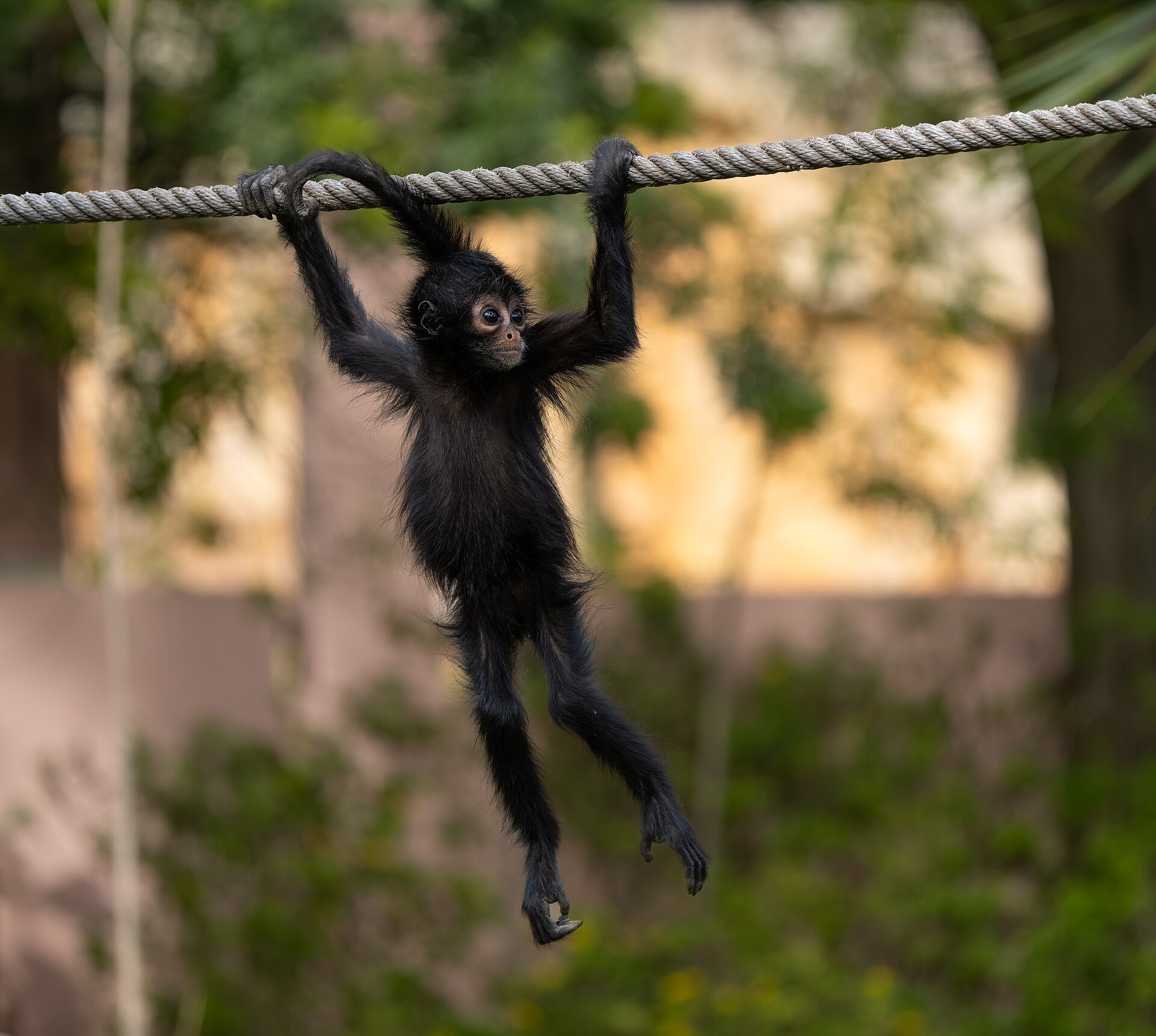
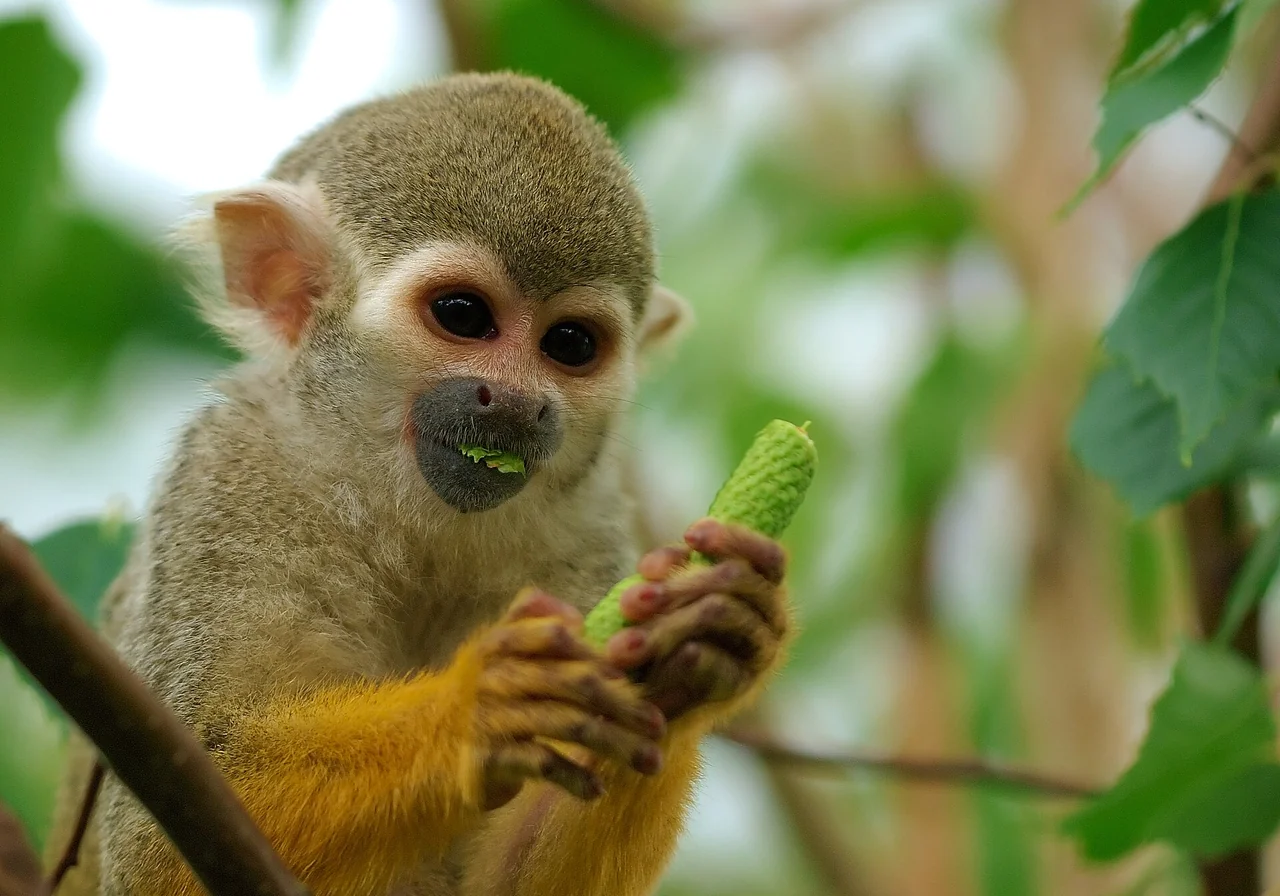
| Coat & markings | Short olive or grey-brown fur; white face mask and dark muzzle; yellowish legs in common species |
| Temperament | Active, social, vocal |
| Conservation note | Large forest troops in the wild — never appropriate as household pets; CITES Appendix II |
Should you keep a Squirrel Monkey as a pet?
No. A Squirrel Monkey is a wild monkey from Central & South America, not a companion animal. Private keeping usually means an infant taken from a troop, a lifetime of unmet social needs, and often a legal offence.
People search this page because the Squirrel Monkey looks small, clever or “manageable” in photos. That is the trap. Wild primates need a troop, a range, and a diet that is not human leftovers. The Squirrel Monkey is from Central & South America; its conservation note on this page is large forest troops in the wild — never appropriate as household pets; cites appendix ii.
If you met a Squirrel Monkey in a selfie setting or a roadside stall, walk away and do not pay. Paying creates the next capture. Read this as a species briefing, then use the wildlife guide and the appeals linked at the bottom if you want to help the wild population.
What is a Squirrel Monkey?
Tiny, agile Amazonian primate with a white mask — once common in biomedical and pet trades. Origin is Central & South America; coat or markings are described as Short olive or grey-brown fur; white face mask and dark muzzle; yellowish legs in common species.
Treat “species” here as a library label for a wild species or distinct form, not as a kennel-club product.
Where does the Squirrel Monkey come from?
Squirrel Monkeys come from Central & South America. Several species in genus Saimiri occupy the Amazon, Guianas and Central America.
Squirrel monkeys form some of the largest primate troops by number — sometimes more than a hundred individuals — travelling and foraging together. They were heavily used in laboratory research and the pet trade in the twentieth century. Today import restrictions and welfare concerns have reduced but not eliminated trafficking. Wild populations depend on continuous lowland forest.
That origin still shows. A Squirrel Monkey is small (0.75–1.1 kg) and active, social, vocal, typically living 15–20 years (wild); up to 25 in accredited captivity. Use the history as context for care and conservation, not as folklore to repeat without sources.
What does a Squirrel Monkey actually need?
A wild Squirrel Monkey needs the habitat and social system of Central & South America, not a spare room. Size (Small (0.75–1.1 kg)) and a active, social, vocal life history are why private keeping fails.
In the wild that means connected habitat, a diet the species evolved with, and distance from the pet and selfie trades. Captive “care sheets” for wild monkeys are how trafficking gets laundered as husbandry.
If you already work in accredited rescue, follow specialist protocols and licensing. Everyone else: do not acquire a Squirrel Monkey. Support habitat and anti-trafficking work instead.
What surprises people about the Squirrel Monkey?
A few details about the breed, alongside the practical care information in this guide.
- Squirrel monkey troops can exceed 100 members during dry-season aggregations.
- Females carry the young on their back after the first weeks of life.
- They mark paths with urine — a strong smell in captive groups.
- Their large brains relative to body size support complex social monitoring.
What health issues should you know about in a Squirrel Monkey?
Health concerns to discuss with your vet, including changes to watch for and everyday care. This is general guidance, not veterinary advice — always speak to your vet.
Pet trade capture trauma
Infants taken from mothers for trade show lasting fear, aggression and abnormal behaviour.
Care: Support primate sanctuaries and refuse to share content that normalises primate pets.
Nutritional deficiencies (captive)
Improper diets cause anaemia, liver disease and stunted growth in captive squirrel monkeys.
Care: Only accredited facilities with primate nutritionists should hold these animals.
Habitat loss (wild)
Lowland Amazon forest clearing removes fruit trees and travel routes for large troops.
Care: Support Amazon habitat protection and deforestation-free supply chains.
Who should skip a Squirrel Monkey?
Skip a Squirrel Monkey if you are anyone hoping to keep a Squirrel Monkey as a pet or photo prop. This Central & South America monkey is small (0.75–1.1 kg) and active, social, vocal — the mismatch is usually lifestyle, not a missing accessory.
This page is allowed to say no. Skip if you are anyone hoping to keep a Squirrel Monkey as a pet or photo prop. Skip if you are anyone who will pay for a wild-caught or roadside animal. Skip if you are tourists looking for handling or selfies.
A different monkey species on this site may fit. Wanting “a Squirrel Monkey” after a film or a colour photo is not a reason to ignore the skip list.
What are the hidden catches with a Squirrel Monkey?
The hidden cost of a Squirrel Monkey is usually not the purchase price. It is years of care, the health list on this page, and the mismatch between a active, social, vocal animal and a busy home.
The pet-trade catch
Cute infant Squirrel Monkeys in ads were usually taken from wild families. The adult you cannot house is then dumped, euthanised, or passed on. Do not create that demand.
The tourism catch
Paying to hold, ride, or selfie with a Squirrel Monkey funds the next capture or a stressed ambassador animal. Distance and accredited viewing are the ethical default.
The pet trade capture trauma catch
Infants taken from mothers for trade show lasting fear, aggression and abnormal behaviour. Support primate sanctuaries and refuse to share content that normalises primate pets.
The nutritional deficiencies (captive) catch
Improper diets cause anaemia, liver disease and stunted growth in captive squirrel monkeys. Only accredited facilities with primate nutritionists should hold these animals.
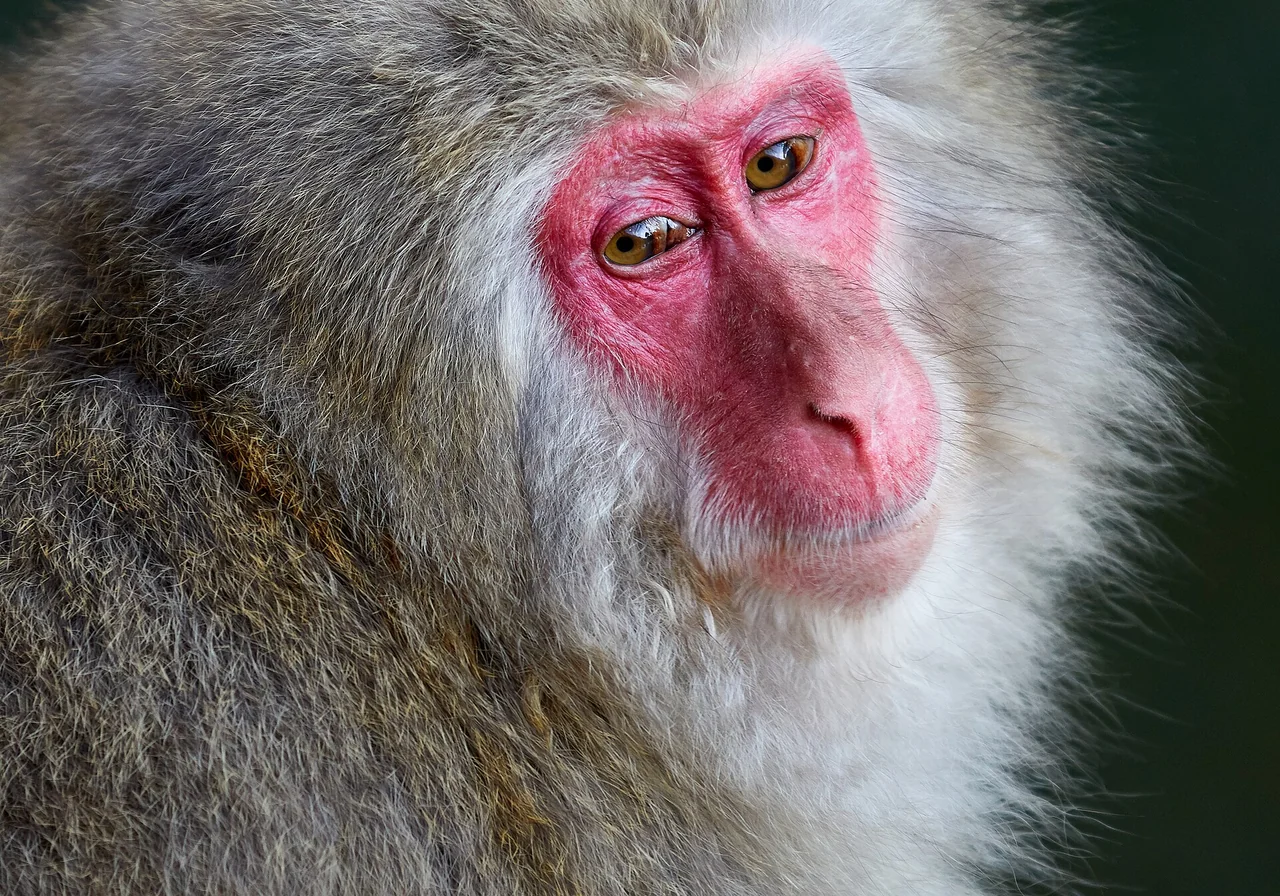
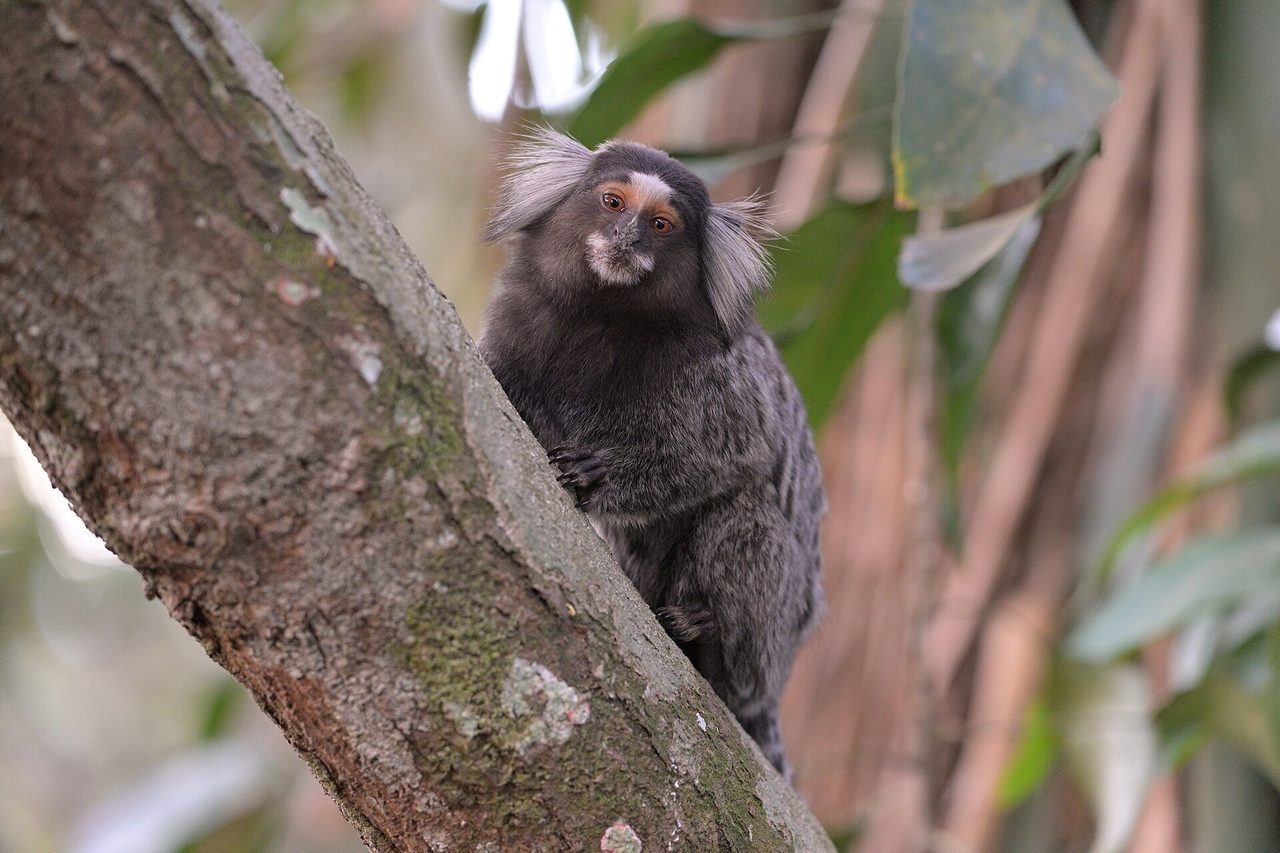
How does a Squirrel Monkey compare with Japanese Macaque and Common Marmoset?
A Squirrel Monkey is not interchangeable with Japanese Macaque and Common Marmoset. Compare origin, size, lifespan and temperament before you choose — those four lines prevent most regret.
| Monkey fact | Squirrel Monkey | Japanese Macaque | Common Marmoset |
|---|---|---|---|
| Origin | Central & South America | Japan (Honshu and southern islands) | North-eastern Brazil |
| Size | Small (0.75–1.1 kg) | Medium (8–18 kg) | Small (300–500 g) |
| Lifespan | 15–20 years (wild); up to 25 in accredited captivity | 22–27 years (wild); up to 30+ in protected settings | Around 12 years (wild); up to 16–20 in good captivity |
| Temperament | Active, social, vocal | Social, hardy, intelligent | Active, vocal, family-oriented |
What is the verdict on the Squirrel Monkey?
A Squirrel Monkey is a wild monkey to understand and protect, not a pet to acquire. If you came here to buy one, the verdict is no. If you came here to learn, use the species guide next.
Help looks like habitat, enforcement and refusing the trade — not a cage in a spare room. WARN is a CIC, not a charity; donate only if you want to fund partner work in our network countries, and do not expect Gift Aid.
Monkeys belong in the wild
Monkeys are intelligent, social primates — not pets. The illegal pet trade and habitat loss threaten species from marmosets to macaques. WARN funds anti-trafficking and habitat work for primates in our partner countries.