Guinea Pig Breed · Domestic (mutation)
Teddy
Dense, springy coat with a kinked, plush texture — the 'teddy bear' cavy.
By WARN Research & Conservation TeamLast updated
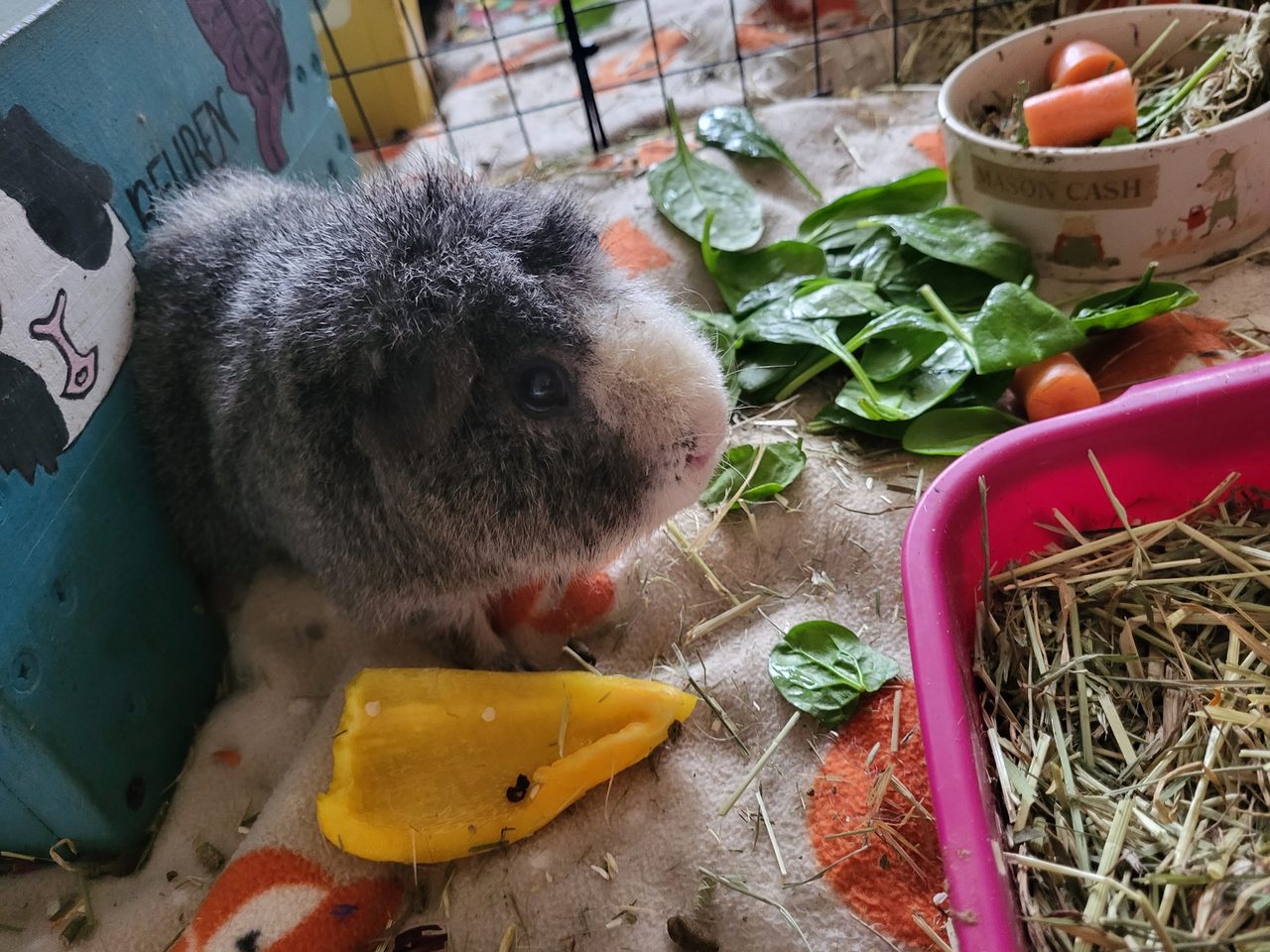
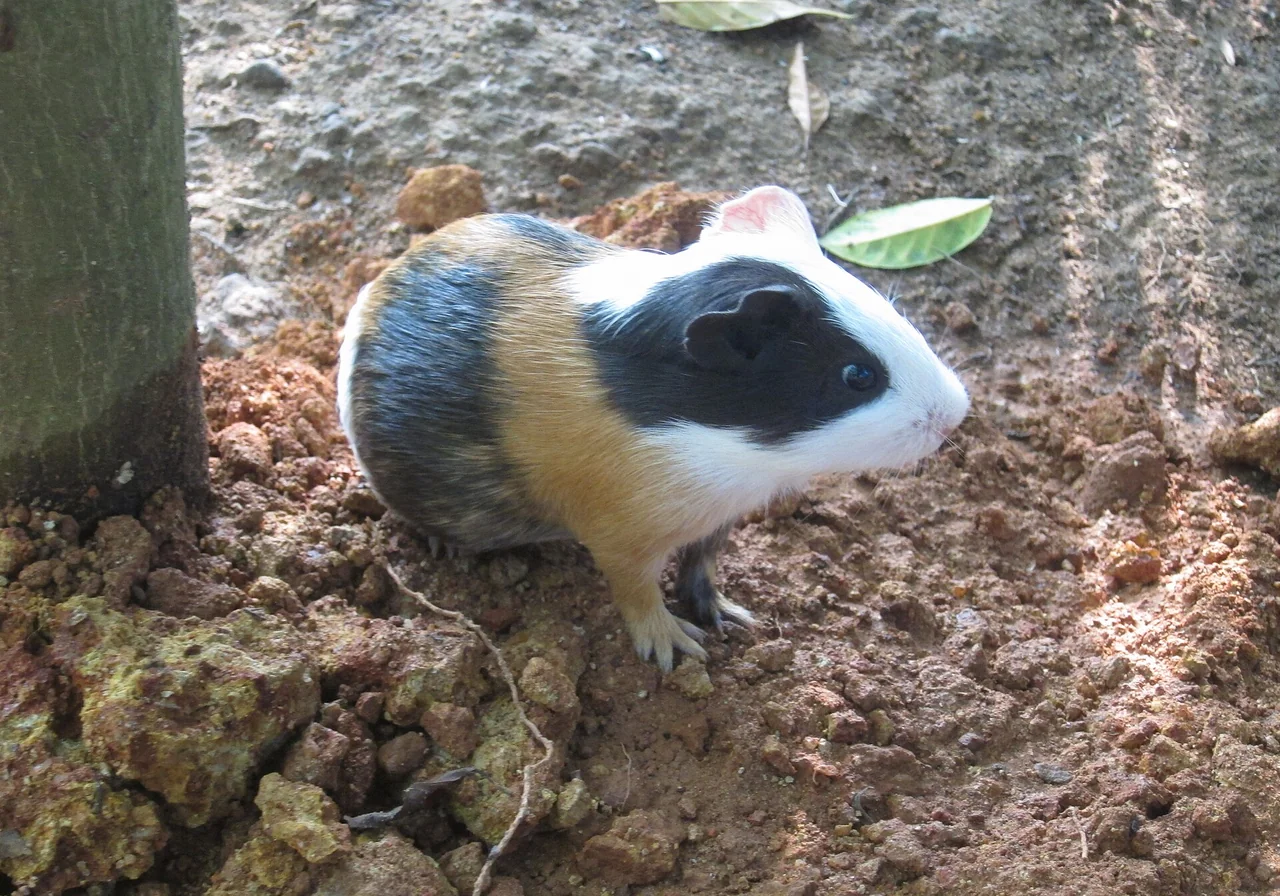
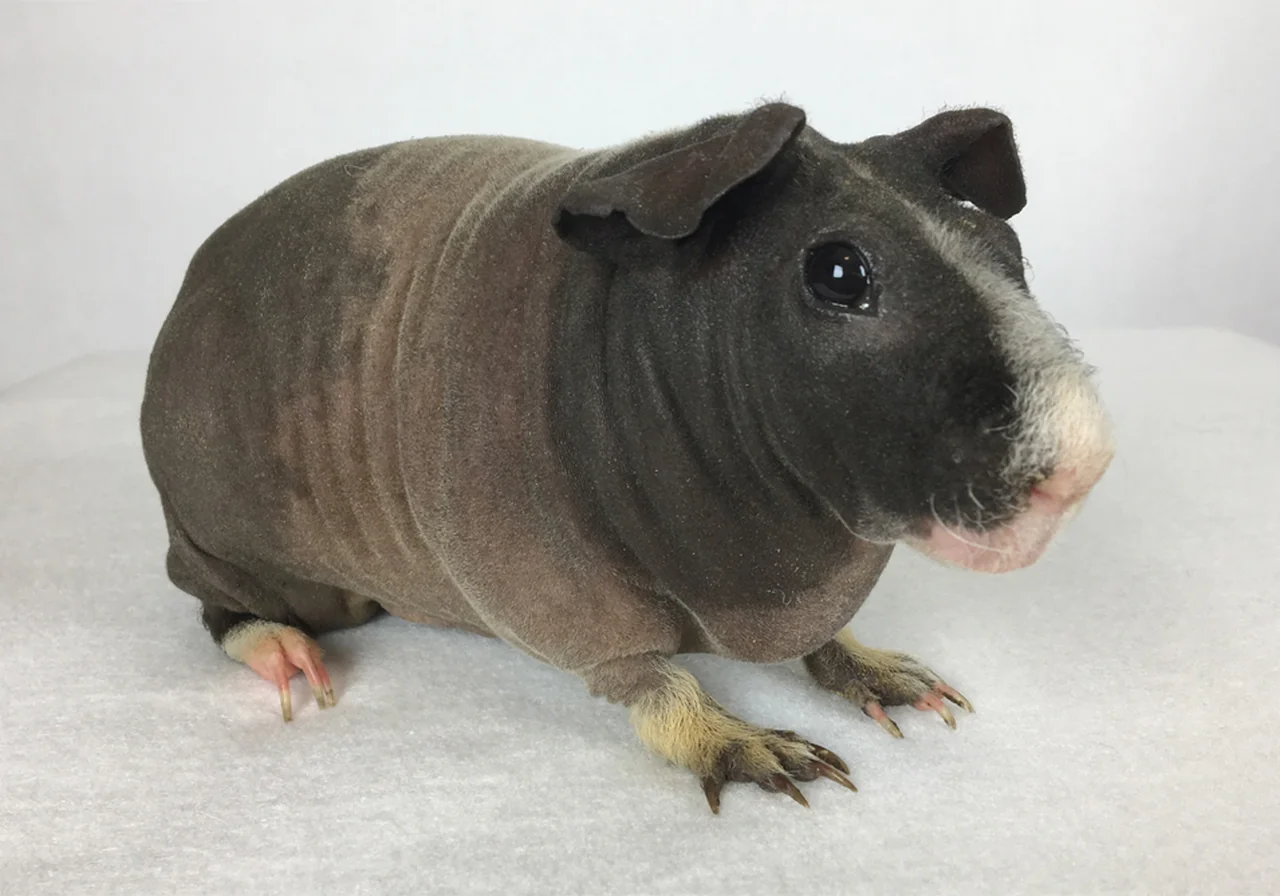
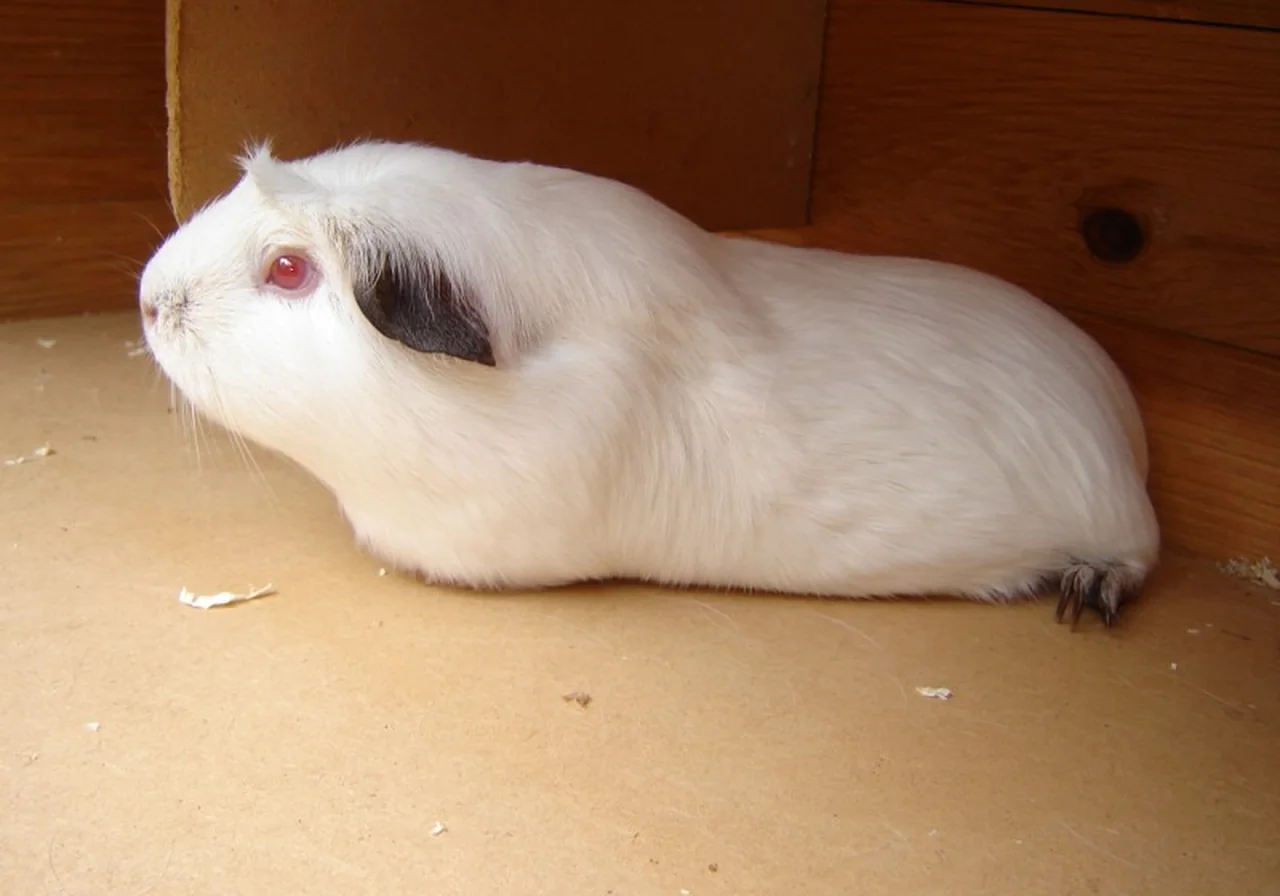
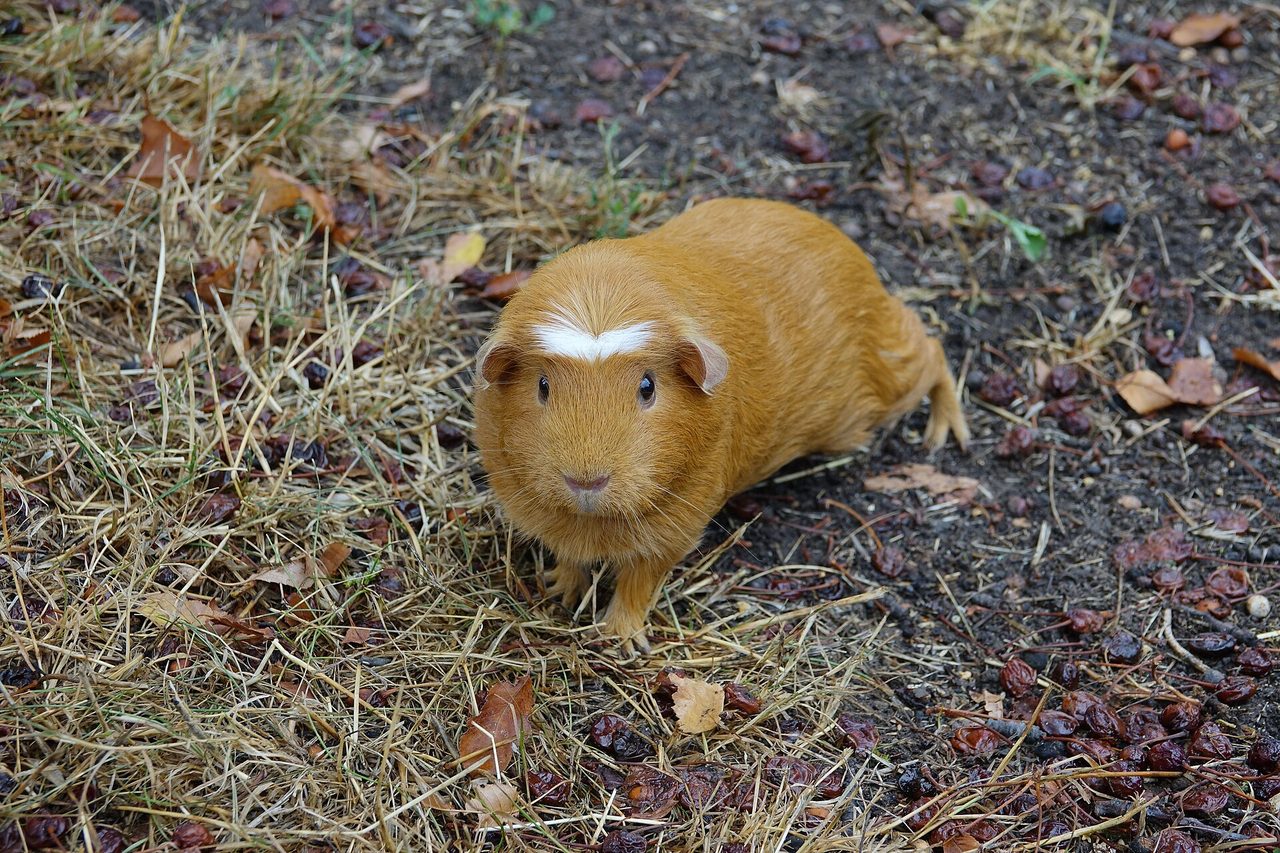
Photo: GeneralHamster / Wikimedia Commons (CC BY-SA 4.0)
In brief
The Teddy guinea pig wears a dense, springy coat standing upright like plush fabric — the result of a mutation producing kinked guard hairs and crinkled whiskers. Its defining trait is a tactile 'teddy bear' texture on a sturdy, affectionate cavy that still needs companions, hay and space like every other breed.
What are the key facts about a Teddy?
The Teddy is a guinea pig breed from Domestic (mutation): medium (0.8–1.1 kg), affectionate, sturdy, playful. Dense, springy coat with a kinked, plush texture — the 'teddy bear' cavy.
| Origin | Domestic (mutation) |
|---|---|
| Size | Medium (0.8–1.1 kg) |
| Adult weight | 800–1,100 g (1.8–2.4 lb); compact, cobby build with broad shoulders |
| Lifespan | 5–7 years |
| Coat type | Short, harsh, upright fur with a kinked, resilient texture; whiskers and eyebrows often crinkle. The coat sheds skin flakes more visibly than smooth types — normal for Teddies but worth noting for allergy sufferers. |
| Temperament | Affectionate, sturdy, playful |
| Best suited to | Families who want a sturdy, interactive cavy without longhair grooming — provided they still supply paired housing, daily vegetables and gentle handling indoors. |
Is a Teddy a good guinea pig for you?
A Teddy is a good guinea pig when your home matches families who want a sturdy, interactive cavy without longhair grooming — provided they still supply paired housing, daily vegetables and gentle handling indoors.. It is a affectionate, sturdy, playful medium (0.8–1.1 kg) breed from Domestic (mutation).
Dense, springy coat with a kinked, plush texture — the 'teddy bear' cavy. That one-line pitch is not a care plan. Factor grooming (Short, harsh, upright fur with a kinked, resilient texture; whiskers and eyebrows often crinkle. The coat sheds skin flakes more visibly than smooth types — normal for Teddies but worth noting for allergy sufferers.), typical adult size (800–1,100 g (1.8–2.4 lb); compact, cobby build with broad shoulders), and the health issues listed below before you pay a deposit.
Meet adults of the breed, not only puppies or kittens, and prefer rescue or health-screened homes. A Teddy that looks right in a photo can still be the wrong animal for a small flat, a full-time office job, or a household that wanted a low-energy companion.
What is a Teddy?
Dense, springy coat with a kinked, plush texture — the 'teddy bear' cavy. Origin is Domestic (mutation); coat or markings are described as Short, harsh, upright fur with a kinked, resilient texture; whiskers and eyebrows often crinkle. The coat sheds skin flakes more visibly than smooth types — normal for Teddies but worth noting for allergy sufferers..
Kennel and registry labels describe a type. Individual Teddys still vary, and rescue animals may be mixes.
Where does the Teddy come from?
Teddys come from Domestic (mutation). Teddy guinea pigs appeared from spontaneous mutations in domestic cavies during the late twentieth century, with breeders in Europe and North America fixing the plush coat texture for show and pet markets.
British Cavy Council standards judge density, evenness of upright coat and crinkled whiskers without rewarding thin patches. Pet-shop Teddies attract buyers seeking a 'cute' texture, yet coat type does not simplify RSPCA guidance: minimum space, compatible companions and exotics veterinary access remain essential. Some Teddies develop dry skin if bathed too often — owners should prioritise dust-free bedding over cosmetic bathing.
How much care does a Teddy need?
Plan 5–7 years of food, vet care, grooming and time. A Teddy is medium (0.8–1.1 kg) (800–1,100 g (1.8–2.4 lb); compact, cobby build with broad shoulders) from Domestic (mutation), with coat care described as short, harsh, upright fur with a kinked, resilient texture; whiskers and eyebrows often crinkle. the coat sheds skin flakes more visibly than smooth types — normal for teddies but worth noting for allergy sufferers..
Match daily exercise to the affectionate, sturdy, playful temperament rather than to Instagram.
Grooming follows the coat, not a generic clip: Short, harsh, upright fur with a kinked, resilient texture; whiskers and eyebrows often crinkle. The coat sheds skin flakes more visibly than smooth types — normal for Teddies but worth noting for allergy sufferers.. Keep the animal lean; extra weight is a joint and heart tax, especially in a medium guinea pig.
Budget for unexpected vet bills. The health section below is why “cheap to buy” is not the same as cheap to keep.
What surprises people about the Teddy?
A few details about the breed, alongside the practical care information in this guide.
- Teddy coat texture comes from a mutation affecting hair shaft kinking — not longer growth.
- Crinkled whiskers are a breed hallmark and help judges identify true Teddy type.
- Skin flakes on bedding are often normal shedding, not always mites — vet check if itching occurs.
- Teddies frequently rank among the most tactile, confident cavies in rescue temperament tests.
What health issues should you know about in a Teddy?
Health concerns to discuss with your vet, including changes to watch for and everyday care. This is general guidance, not veterinary advice — always speak to your vet.
Dry skin
Over-bathing or low humidity can cause flaking and scratching in Teddy coats already prone to visible dander.
Care: Limit baths, use dust-free bedding and consult an exotics vet if open sores or mites are suspected.
Dental malocclusion
Springy coats do not protect against overgrown molars — weight loss may be the first visible sign.
Care: Weigh weekly, provide unlimited hay and schedule dental checks at the first sign of drooling.
Vitamin C deficiency
Scurvy affects Teddies as readily as smooth coats, causing lameness and poor appetite.
Care: Feed pepper and greens daily; never rely on outdated pellet vitamin C after bag opening.
Who should skip a Teddy?
Skip a Teddy if you are homes that cannot match a affectionate, sturdy, playful medium (0.8–1.1 kg) guinea pig from Domestic (mutation). This Domestic (mutation) guinea pig is medium (0.8–1.1 kg) and affectionate, sturdy, playful — the mismatch is usually lifestyle, not a missing accessory.
This page is allowed to say no. Skip if you are homes that cannot match a affectionate, sturdy, playful medium (0.8–1.1 kg) guinea pig from Domestic (mutation).
A different guinea pig breed on this site may fit. Wanting “a Teddy” after a film or a colour photo is not a reason to ignore the skip list.
What are the hidden catches with a Teddy?
The hidden cost of a Teddy is usually not the purchase price. It is years of care, the health list on this page, and the mismatch between a affectionate, sturdy, playful animal and a busy home.
The impulse-buy catch
A Teddy from Domestic (mutation) is often sold on looks. Coat, colour and size are not a temperament test. Meet the adult animal, ask about health screening, and walk away from pressure sales.
The dry skin catch
Over-bathing or low humidity can cause flaking and scratching in Teddy coats already prone to visible dander. Limit baths, use dust-free bedding and consult an exotics vet if open sores or mites are suspected.
The dental malocclusion catch
Springy coats do not protect against overgrown molars — weight loss may be the first visible sign. Weigh weekly, provide unlimited hay and schedule dental checks at the first sign of drooling.
How does a Teddy compare with Rex and Skinny?
A Teddy is not interchangeable with Rex and Skinny. Compare origin, size, lifespan and temperament before you choose — those four lines prevent most regret.
| Guinea Pig fact | Teddy | Rex | Skinny |
|---|---|---|---|
| Origin | Domestic (mutation) | Domestic (mutation) | Domestic (hairless mutation) |
| Size | Medium (0.8–1.1 kg) | Medium (0.9–1.2 kg) | Medium (0.8–1.1 kg) |
| Lifespan | 5–7 years | 5–7 years | 5–7 years |
| Temperament | Affectionate, sturdy, playful | Confident, friendly, robust | Social, warmth-seeking, needs protection |
What is the verdict on the Teddy?
Choose a Teddy only if the care, skip-if and health sections still look like your life after a week of thinking. Otherwise pick a different guinea pig or wait. Rescue is usually the better first door than a waiting-list puppy or kitten.
If the match is real, budget for 5–7 years of vet care and do not skip health screening. If it is not, walking away is the kind choice — for you and for the animal.
Guinea pigs deserve proper care
Guinea pigs are social, gentle companions that need pairs, spacious enclosures and vitamin C every day. WARN publishes these guides so fewer end up in rescues after impulse purchases.