Guinea Pig Breed · Domestic (mutation)
Rex
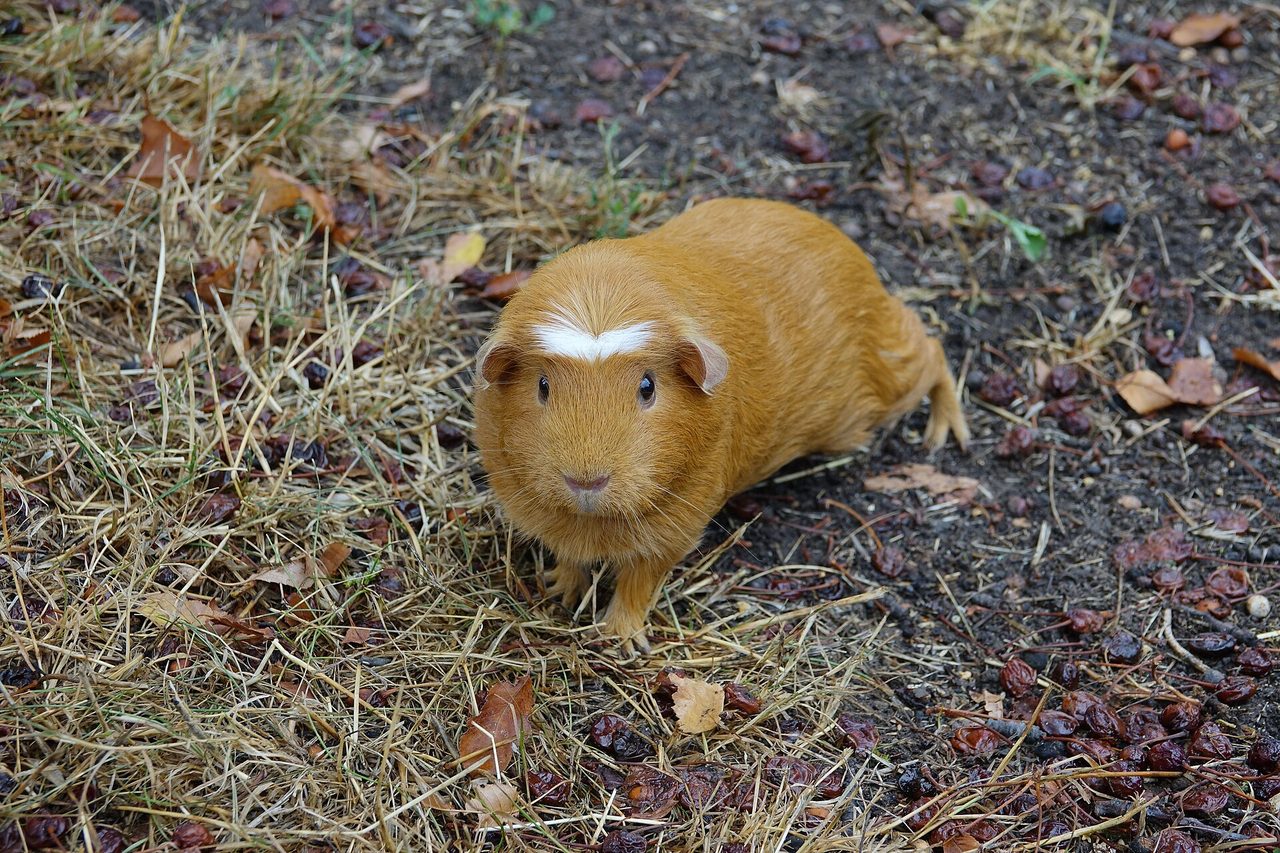
Short, woolly coat with no guard hairs — soft and slightly coarse at once.
By WARN Research & Conservation TeamLast updated
In brief
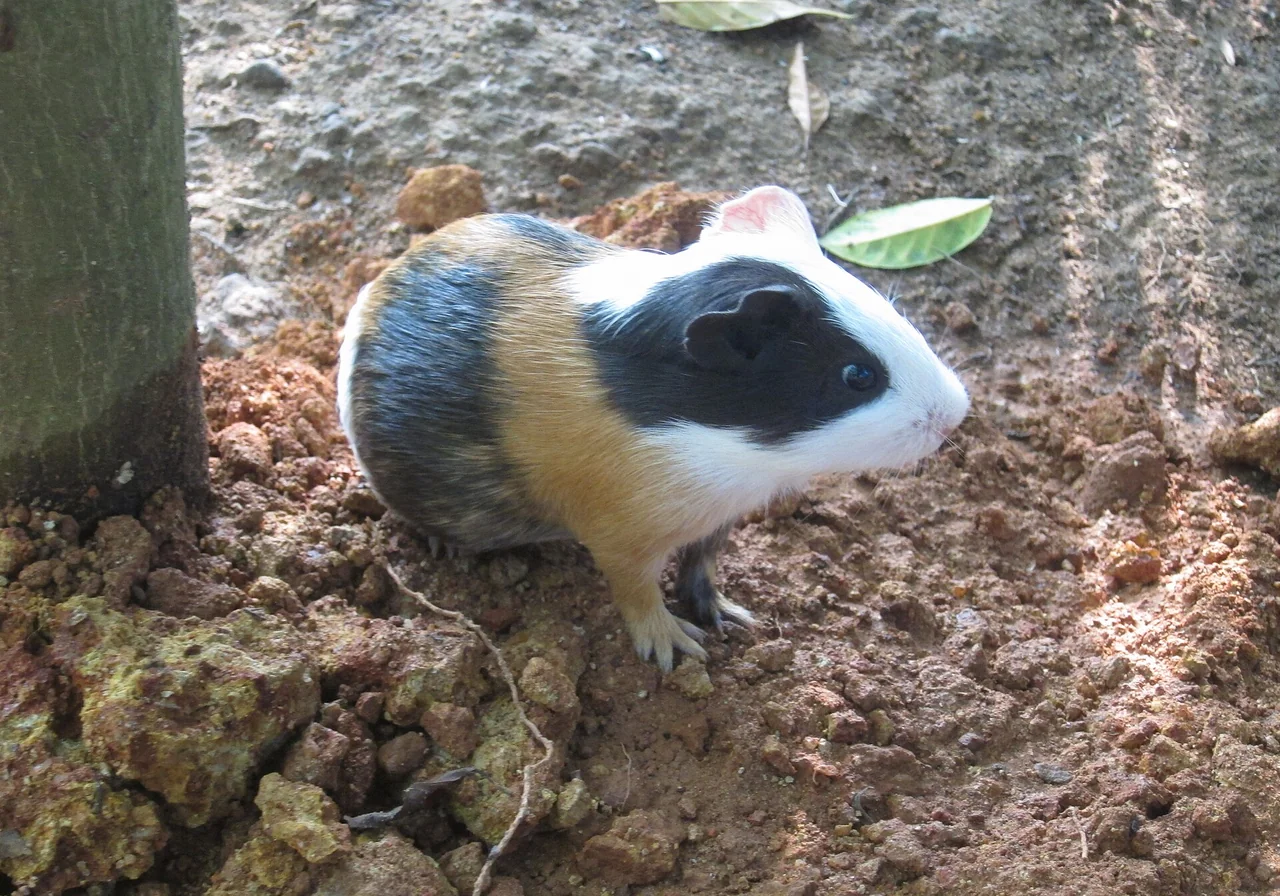
The Rex guinea pig lacks long guard hairs, leaving a uniform woolly coat often compared to chenille plush. Its defining trait is a confident, friendly temperament on a low-maintenance coat — though Rex cavies still require paired housing, hay-rich diets and annual exotics dental care.
What are the key facts about a Rex?
The Rex is a guinea pig breed from Domestic (mutation): medium (0.9–1.2 kg), confident, friendly, robust. Short, woolly coat with no guard hairs — soft and slightly coarse at once.
| Origin | Domestic (mutation) |
|---|---|
| Size | Medium (0.9–1.2 kg) |
| Adult weight | 900–1,200 g (2–2.6 lb); muscular cobby body with springy coat adding visual volume |
| Lifespan | 5–7 years |
| Coat type | Short, dense wool without prominent guard hairs; whiskers crinkled or absent. Coat feels slightly coarse yet springy. Colours include agouti, self and white patterns — weekly check for dry patches during moults. |
| Temperament | Confident, friendly, robust |
| Best suited to | Keepers wanting texture variety without longhair labour — families providing spacious indoor pens, compatible companions and routine weighing. |
Is a Rex a good guinea pig for you?
A Rex is a good guinea pig when your home matches keepers wanting texture variety without longhair labour — families providing spacious indoor pens, compatible companions and routine weighing.. It is a confident, friendly, robust medium (0.9–1.2 kg) breed from Domestic (mutation).
Short, woolly coat with no guard hairs — soft and slightly coarse at once. That one-line pitch is not a care plan. Factor grooming (Short, dense wool without prominent guard hairs; whiskers crinkled or absent. Coat feels slightly coarse yet springy. Colours include agouti, self and white patterns — weekly check for dry patches during moults.), typical adult size (900–1,200 g (2–2.6 lb); muscular cobby body with springy coat adding visual volume), and the health issues listed below before you pay a deposit.
Meet adults of the breed, not only puppies or kittens, and prefer rescue or health-screened homes. A Rex that looks right in a photo can still be the wrong animal for a small flat, a full-time office job, or a household that wanted a low-energy companion.
What is a Rex?
Short, woolly coat with no guard hairs — soft and slightly coarse at once. Origin is Domestic (mutation); coat or markings are described as Short, dense wool without prominent guard hairs; whiskers crinkled or absent. Coat feels slightly coarse yet springy. Colours include agouti, self and white patterns — weekly check for dry patches during moults..
Kennel and registry labels describe a type. Individual Rexs still vary, and rescue animals may be mixes.
Where does the Rex come from?
Rexs come from Domestic (mutation). Rex coat genetics appeared in European cavy breeding programmes during the twentieth century, parallel to Rex rabbits and cats.
British fanciers formalised Rex standards alongside Teddy and American smooth coats, judging even wool density and crinkled whiskers. Pet Rex guinea pigs are marketed as 'easy-care' textured cavies — partly true for grooming but misleading for overall welfare. Rex whiskers are fragile; rough handling can break them and cause temporary disorientation. Companionship, vitamin C and predator-safe housing matter as much for Rex as for any cavy breed.
How much care does a Rex need?
Plan 5–7 years of food, vet care, grooming and time. A Rex is medium (0.9–1.2 kg) (900–1,200 g (2–2.6 lb); muscular cobby body with springy coat adding visual volume) from Domestic (mutation), with coat care described as short, dense wool without prominent guard hairs; whiskers crinkled or absent. coat feels slightly coarse yet springy. colours include agouti, self and white patterns — weekly check for dry patches during moults..
Match daily exercise to the confident, friendly, robust temperament rather than to Instagram.
Grooming follows the coat, not a generic clip: Short, dense wool without prominent guard hairs; whiskers crinkled or absent. Coat feels slightly coarse yet springy. Colours include agouti, self and white patterns — weekly check for dry patches during moults.. Keep the animal lean; extra weight is a joint and heart tax, especially in a medium guinea pig.
Budget for unexpected vet bills. The health section below is why “cheap to buy” is not the same as cheap to keep.
What surprises people about the Rex?
A few details about the breed, alongside the practical care information in this guide.
- Rex cavies lack the long guard hairs that give smooth coats their shine — wool texture dominates.
- Absent or crinkled whiskers are normal; handle gently around the muzzle.
- Rex genetics also appear in Texel breeding programmes for curl definition.
- Show Rex are judged on even wool density without bald patches from barbering.
What health issues should you know about in a Rex?
Health concerns to discuss with your vet, including changes to watch for and everyday care. This is general guidance, not veterinary advice — always speak to your vet.
Barbering
Bored or dominant cage mates chew Rex wool, leaving patchy coat and skin trauma.
Care: Increase space, provide hay piles and tunnels; separate if chewing continues despite enrichment.
Dental malocclusion
Rex type offers no protection from molar overgrowth — drooling may hide under wool around the chin.
Care: Check chin daily for wetness; schedule exotics dental care when appetite falters.
Respiratory infections
Dusty hay or pine bedding irritates airways in all cavies; Rex coats do not filter air quality.
Care: Use dust-extracted hay and paper-based bedding with good ventilation.
Who should skip a Rex?
Skip a Rex if you are homes that cannot match a confident, friendly, robust medium (0.9–1.2 kg) guinea pig from Domestic (mutation). This Domestic (mutation) guinea pig is medium (0.9–1.2 kg) and confident, friendly, robust — the mismatch is usually lifestyle, not a missing accessory.
This page is allowed to say no. Skip if you are homes that cannot match a confident, friendly, robust medium (0.9–1.2 kg) guinea pig from Domestic (mutation).
A different guinea pig breed on this site may fit. Wanting “a Rex” after a film or a colour photo is not a reason to ignore the skip list.
What are the hidden catches with a Rex?
The hidden cost of a Rex is usually not the purchase price. It is years of care, the health list on this page, and the mismatch between a confident, friendly, robust animal and a busy home.
The impulse-buy catch
A Rex from Domestic (mutation) is often sold on looks. Coat, colour and size are not a temperament test. Meet the adult animal, ask about health screening, and walk away from pressure sales.
The barbering catch
Bored or dominant cage mates chew Rex wool, leaving patchy coat and skin trauma. Increase space, provide hay piles and tunnels; separate if chewing continues despite enrichment.
The dental malocclusion catch
Rex type offers no protection from molar overgrowth — drooling may hide under wool around the chin. Check chin daily for wetness; schedule exotics dental care when appetite falters.
How does a Rex compare with Skinny and Himalayan?
A Rex is not interchangeable with Skinny and Himalayan. Compare origin, size, lifespan and temperament before you choose — those four lines prevent most regret.
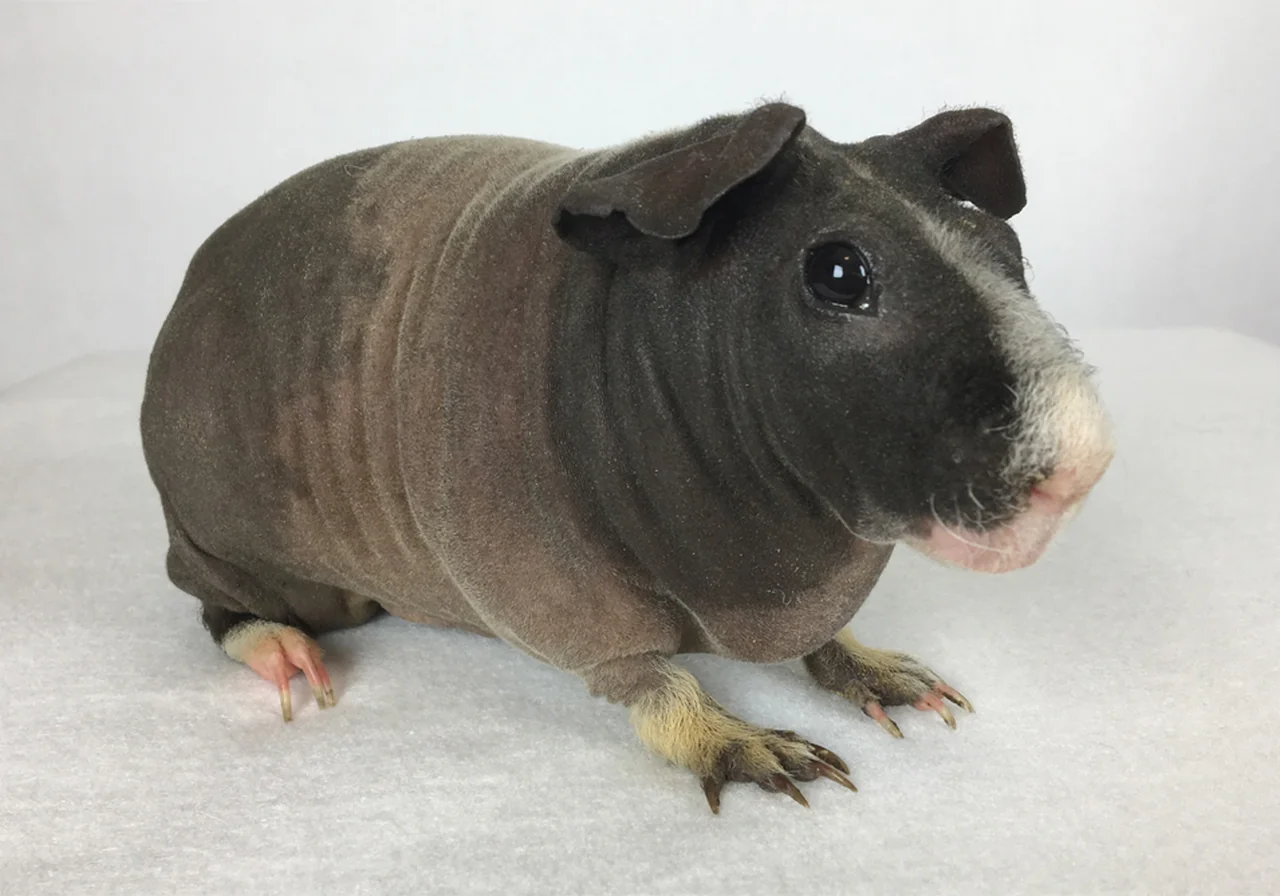
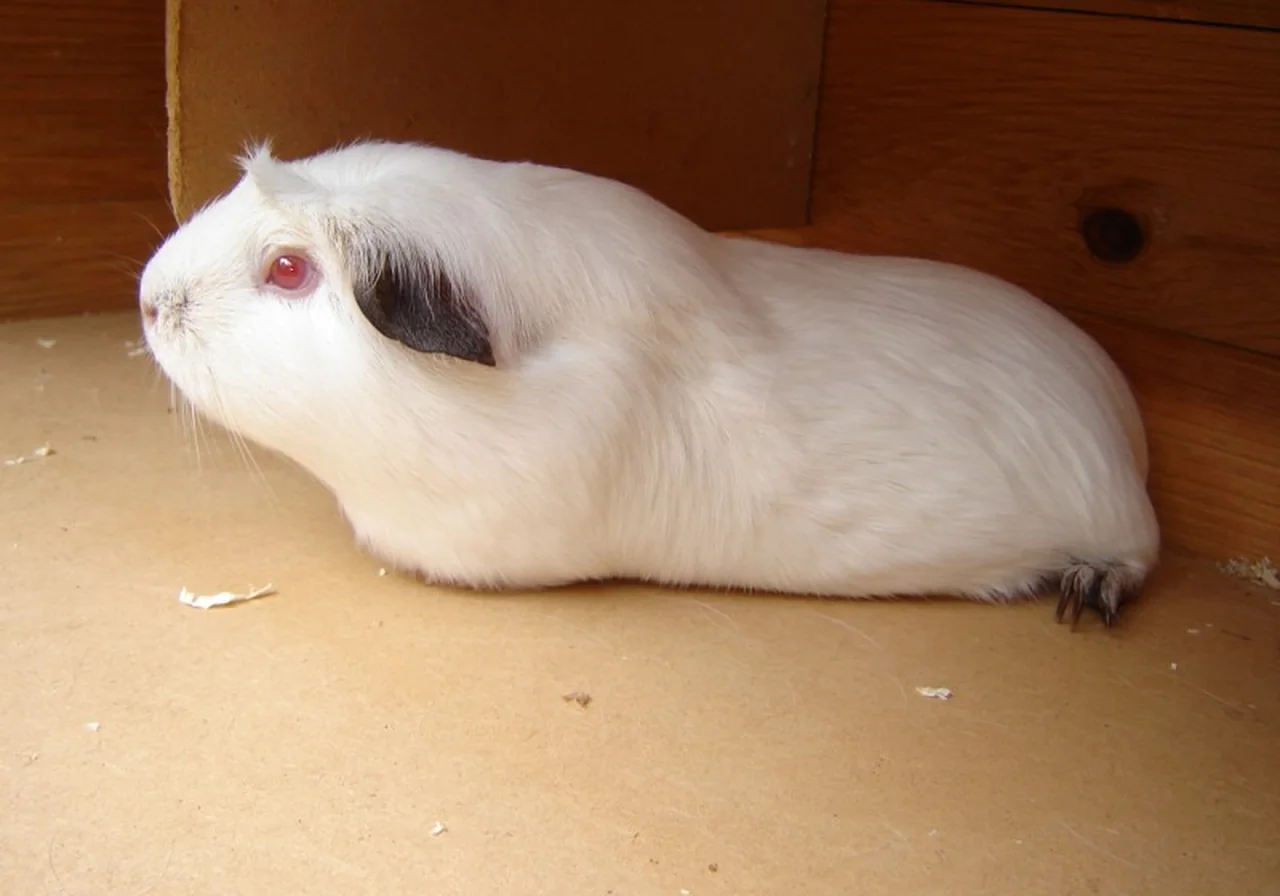
| Guinea Pig fact | Rex | Skinny | Himalayan |
|---|---|---|---|
| Origin | Domestic (mutation) | Domestic (hairless mutation) | Domestic (colour-point mutation) |
| Size | Medium (0.9–1.2 kg) | Medium (0.8–1.1 kg) | Medium (0.9–1.2 kg) |
| Lifespan | 5–7 years | 5–7 years | 5–7 years |
| Temperament | Confident, friendly, robust | Social, warmth-seeking, needs protection | Calm, friendly, colour-sensitive |
What is the verdict on the Rex?
Choose a Rex only if the care, skip-if and health sections still look like your life after a week of thinking. Otherwise pick a different guinea pig or wait. Rescue is usually the better first door than a waiting-list puppy or kitten.
If the match is real, budget for 5–7 years of vet care and do not skip health screening. If it is not, walking away is the kind choice — for you and for the animal.
Guinea pigs deserve proper care
Guinea pigs are social, gentle companions that need pairs, spacious enclosures and vitamin C every day. WARN publishes these guides so fewer end up in rescues after impulse purchases.