Guinea Pig Breed · Sweden (domestic mutation)
Lunkarya
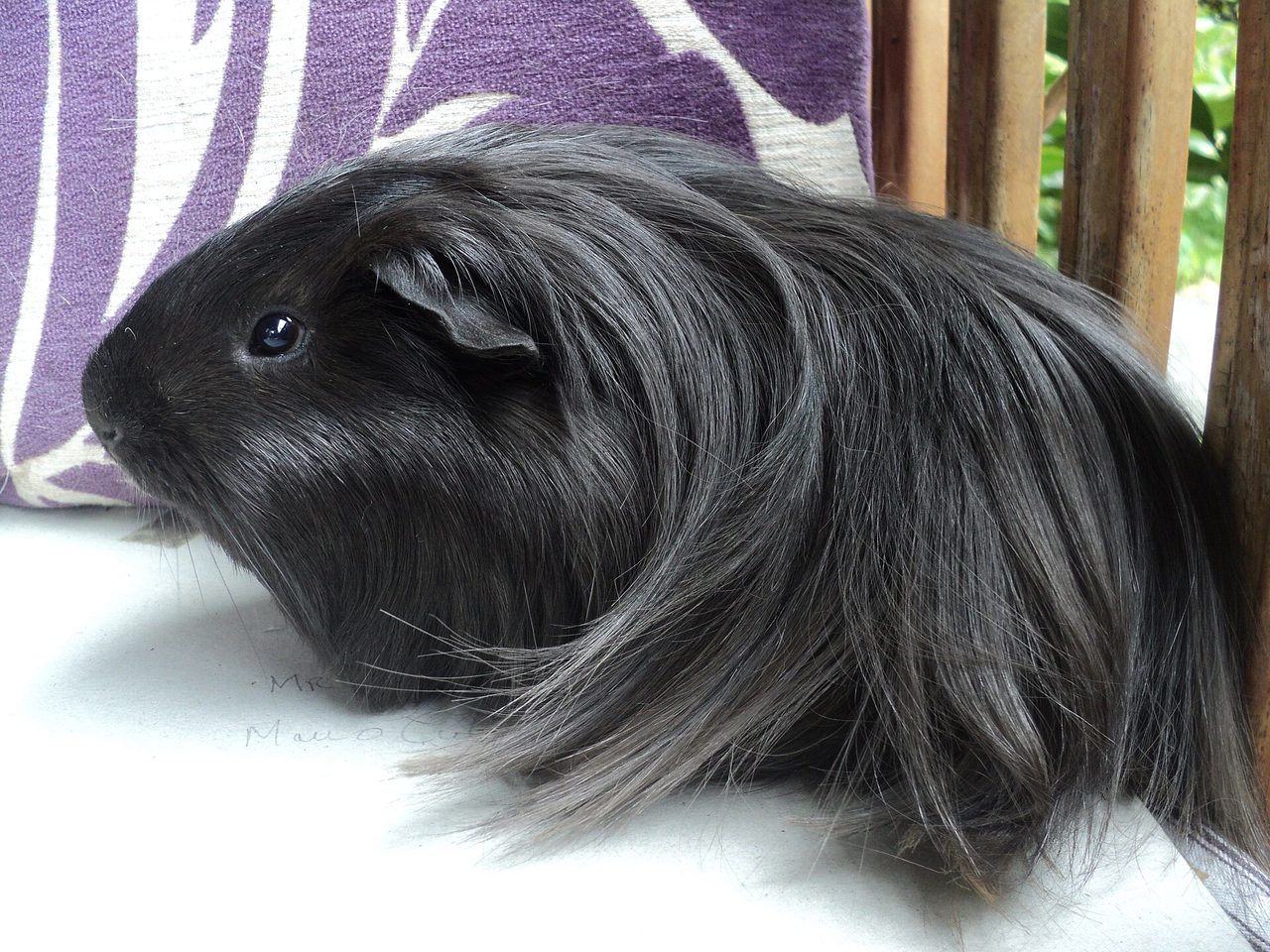
Long, coarse, tousled fur with a wild 'bad hair day' look — high-maintenance but striking.
By WARN Research & Conservation TeamLast updated
In brief
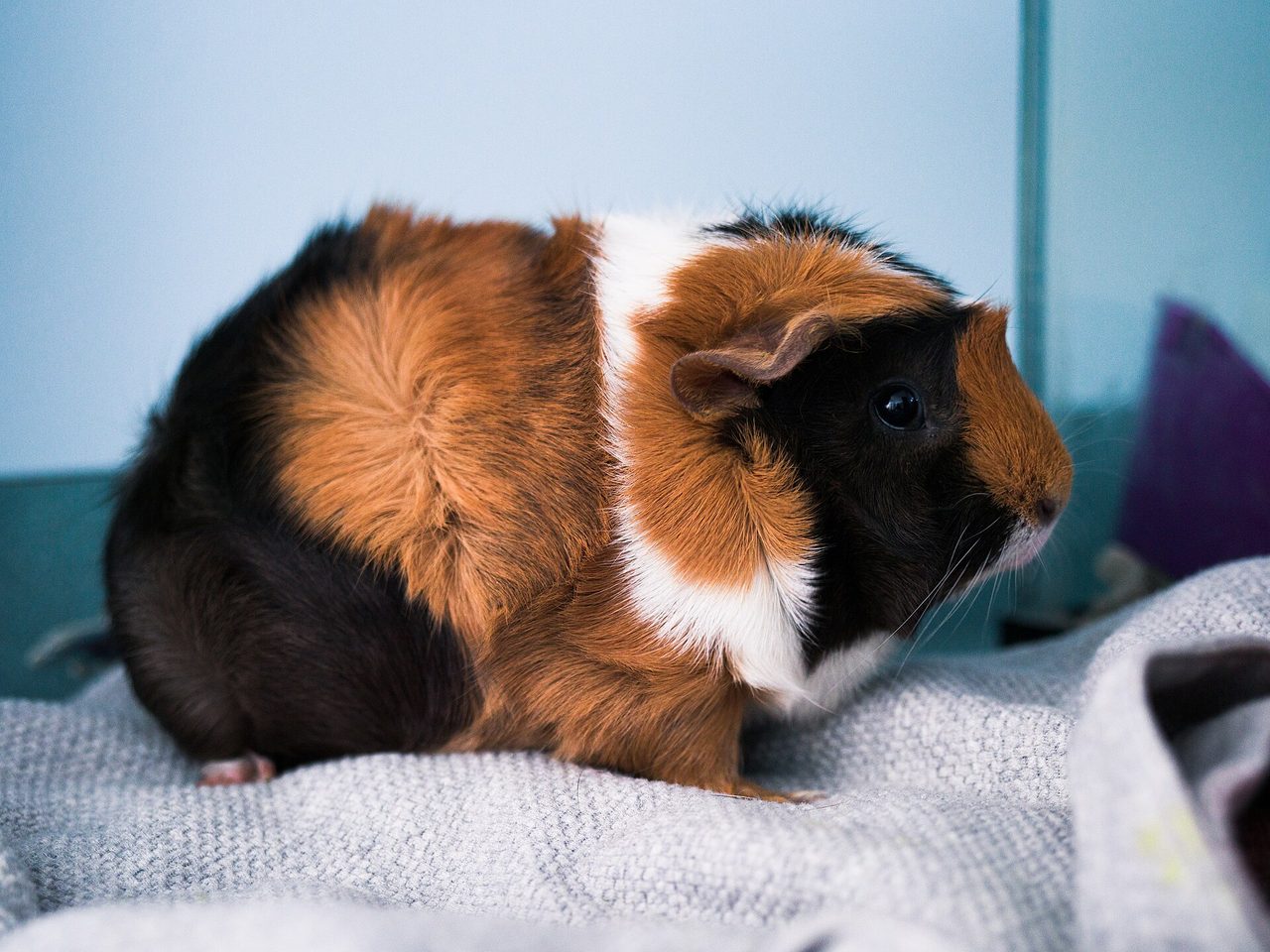
The Lunkarya guinea pig wears long, coarse, forward-growing wool with a tousled 'bad hair day' silhouette — a Swedish mutation crossed into Peruvian and Texel lines. Its defining trait is wild-looking density demanding daily grooming equal to the most specialist longhair breeds.
What are the key facts about a Lunkarya?
The Lunkarya is a guinea pig breed from Sweden (domestic mutation): medium (0.8–1.1 kg), gentle, shy until bonded, needs grooming. Long, coarse, tousled fur with a wild 'bad hair day' look — high-maintenance but striking.
| Origin | Sweden (domestic mutation) |
|---|---|
| Size | Medium (0.8–1.1 kg) |
| Adult weight | 800–1,100 g (1.8–2.4 lb); dense wool adds apparent bulk; monitor weight under coat |
| Lifespan | 5–7 years |
| Coat type | Long, rough, dense forward-growing wool without a smooth undercoat — distinct from Peruvian silkiness. Mats rapidly at skin level; daily combing and rear trimming are mandatory. Colours include agouti, self and mixed patterns. |
| Temperament | Gentle, shy until bonded, needs grooming |
| Best suited to | Expert cavy keepers already managing Texels or Peruvians — Lunkaryas are inappropriate for first-time owners or families seeking low-maintenance pets. |
Is a Lunkarya a good guinea pig for you?
A Lunkarya is a good guinea pig when your home matches expert cavy keepers already managing texels or peruvians — lunkaryas are inappropriate for first-time owners or families seeking low-maintenance pets.. It is a gentle, shy until bonded, needs grooming medium (0.8–1.1 kg) breed from Sweden (domestic mutation).
Long, coarse, tousled fur with a wild 'bad hair day' look — high-maintenance but striking. That one-line pitch is not a care plan. Factor grooming (Long, rough, dense forward-growing wool without a smooth undercoat — distinct from Peruvian silkiness. Mats rapidly at skin level; daily combing and rear trimming are mandatory. Colours include agouti, self and mixed patterns.), typical adult size (800–1,100 g (1.8–2.4 lb); dense wool adds apparent bulk; monitor weight under coat), and the health issues listed below before you pay a deposit.
Meet adults of the breed, not only puppies or kittens, and prefer rescue or health-screened homes. A Lunkarya that looks right in a photo can still be the wrong animal for a small flat, a full-time office job, or a household that wanted a low-energy companion.
What is a Lunkarya?
Long, coarse, tousled fur with a wild 'bad hair day' look — high-maintenance but striking. Origin is Sweden (domestic mutation); coat or markings are described as Long, rough, dense forward-growing wool without a smooth undercoat — distinct from Peruvian silkiness. Mats rapidly at skin level; daily combing and rear trimming are mandatory. Colours include agouti, self and mixed patterns..
Kennel and registry labels describe a type. Individual Lunkaryas still vary, and rescue animals may be mixes.
Where does the Lunkarya come from?
Lunkaryas come from Sweden (domestic mutation). The Lunkarya mutation appeared in Sweden during the 1980s, producing rough dense forward-growing wool.
Breeders crossed it into Peruvian and Texel lines to create the modern show Lunkarya type recognised in European cavy clubs. Pet-trade Lunkaryas attract buyers with 'unique' appearance, yet coat care exceeds many longhairs because coarse wool felts quickly. Welfare rescues shave surrendered Lunkaryas to treat chronic mat dermatitis. Purchase only if daily grooming time is already scheduled — not as a future intention.
That origin still shows. A Lunkarya is medium (0.8–1.1 kg) and gentle, shy until bonded, needs grooming, typically living 5–7 years. Use the history as context for care and conservation, not as folklore to repeat without sources.
How much care does a Lunkarya need?
Plan 5–7 years of food, vet care, grooming and time. A Lunkarya is medium (0.8–1.1 kg) (800–1,100 g (1.8–2.4 lb); dense wool adds apparent bulk; monitor weight under coat) from Sweden (domestic mutation), with coat care described as long, rough, dense forward-growing wool without a smooth undercoat — distinct from peruvian silkiness. mats rapidly at skin level; daily combing and rear trimming are mandatory. colours include agouti, self and mixed patterns..
Match daily exercise to the gentle, shy until bonded, needs grooming temperament rather than to Instagram.
Grooming follows the coat, not a generic clip: Long, rough, dense forward-growing wool without a smooth undercoat — distinct from Peruvian silkiness. Mats rapidly at skin level; daily combing and rear trimming are mandatory. Colours include agouti, self and mixed patterns.. Keep the animal lean; extra weight is a joint and heart tax, especially in a medium guinea pig.
Budget for unexpected vet bills. The health section below is why “cheap to buy” is not the same as cheap to keep.
What surprises people about the Lunkarya?
A few details about the breed, alongside the practical care information in this guide.
- Lunkarya originated from a Swedish mutation in the 1980s.
- Forward-growing wool differs from Peruvian backward/side parting styles.
- Coarse texture felts faster than silky Peruvian hair — grooming urgency is higher.
- European show classes judge density and tousled silhouette without matted neglect.
What health issues should you know about in a Lunkarya?
Health concerns to discuss with your vet, including changes to watch for and everyday care. This is general guidance, not veterinary advice — always speak to your vet.
Wool block
Coarse ingested wool combines with gut contents during self-grooming of dense coat.
Care: Daily combing, unlimited hay and treat reduced droppings as an emergency.
Dental malocclusion
Forward wool hides facial drool until weight loss is advanced.
Care: Check muzzle daily; schedule exotics dental care when eating slows.
Skin allergies
Moisture trapped under dense wool triggers contact dermatitis and fungal growth.
Care: Keep coat dry, trim rear weekly and consult a vet for itching or odour.
Who should skip a Lunkarya?
Skip a Lunkarya if you are homes that cannot match a gentle, shy until bonded, needs grooming medium (0.8–1.1 kg) guinea pig from Sweden (domestic mutation). This Sweden (domestic mutation) guinea pig is medium (0.8–1.1 kg) and gentle, shy until bonded, needs grooming — the mismatch is usually lifestyle, not a missing accessory.
This page is allowed to say no. Skip if you are homes that cannot match a gentle, shy until bonded, needs grooming medium (0.8–1.1 kg) guinea pig from Sweden (domestic mutation).
A different guinea pig breed on this site may fit. Wanting “a Lunkarya” after a film or a colour photo is not a reason to ignore the skip list.
What are the hidden catches with a Lunkarya?
The hidden cost of a Lunkarya is usually not the purchase price. It is years of care, the health list on this page, and the mismatch between a gentle, shy until bonded, needs grooming animal and a busy home.
The impulse-buy catch
A Lunkarya from Sweden (domestic mutation) is often sold on looks. Coat, colour and size are not a temperament test. Meet the adult animal, ask about health screening, and walk away from pressure sales.
The wool block catch
Coarse ingested wool combines with gut contents during self-grooming of dense coat. Daily combing, unlimited hay and treat reduced droppings as an emergency.
The dental malocclusion catch
Forward wool hides facial drool until weight loss is advanced. Check muzzle daily; schedule exotics dental care when eating slows.
How does a Lunkarya compare with American and Abyssinian?
A Lunkarya is not interchangeable with American and Abyssinian. Compare origin, size, lifespan and temperament before you choose — those four lines prevent most regret.
| Guinea Pig fact | Lunkarya | American | Abyssinian |
|---|---|---|---|
| Origin | Sweden (domestic mutation) | South America (domestic cavy) | Domestic (rosette standard) |
| Size | Medium (0.8–1.1 kg) | Medium (0.9–1.2 kg) | Medium (0.9–1.2 kg) |
| Lifespan | 5–7 years | 5–7 years | 5–7 years |
| Temperament | Gentle, shy until bonded, needs grooming | Friendly, vocal, sociable | Energetic, curious, talkative |
What is the verdict on the Lunkarya?
Choose a Lunkarya only if the care, skip-if and health sections still look like your life after a week of thinking. Otherwise pick a different guinea pig or wait. Rescue is usually the better first door than a waiting-list puppy or kitten.
If the match is real, budget for 5–7 years of vet care and do not skip health screening. If it is not, walking away is the kind choice — for you and for the animal.
Guinea pigs deserve proper care
Guinea pigs are social, gentle companions that need pairs, spacious enclosures and vitamin C every day. WARN publishes these guides so fewer end up in rescues after impulse purchases.