Guinea Pig Breed · South America (domestic cavy)
American
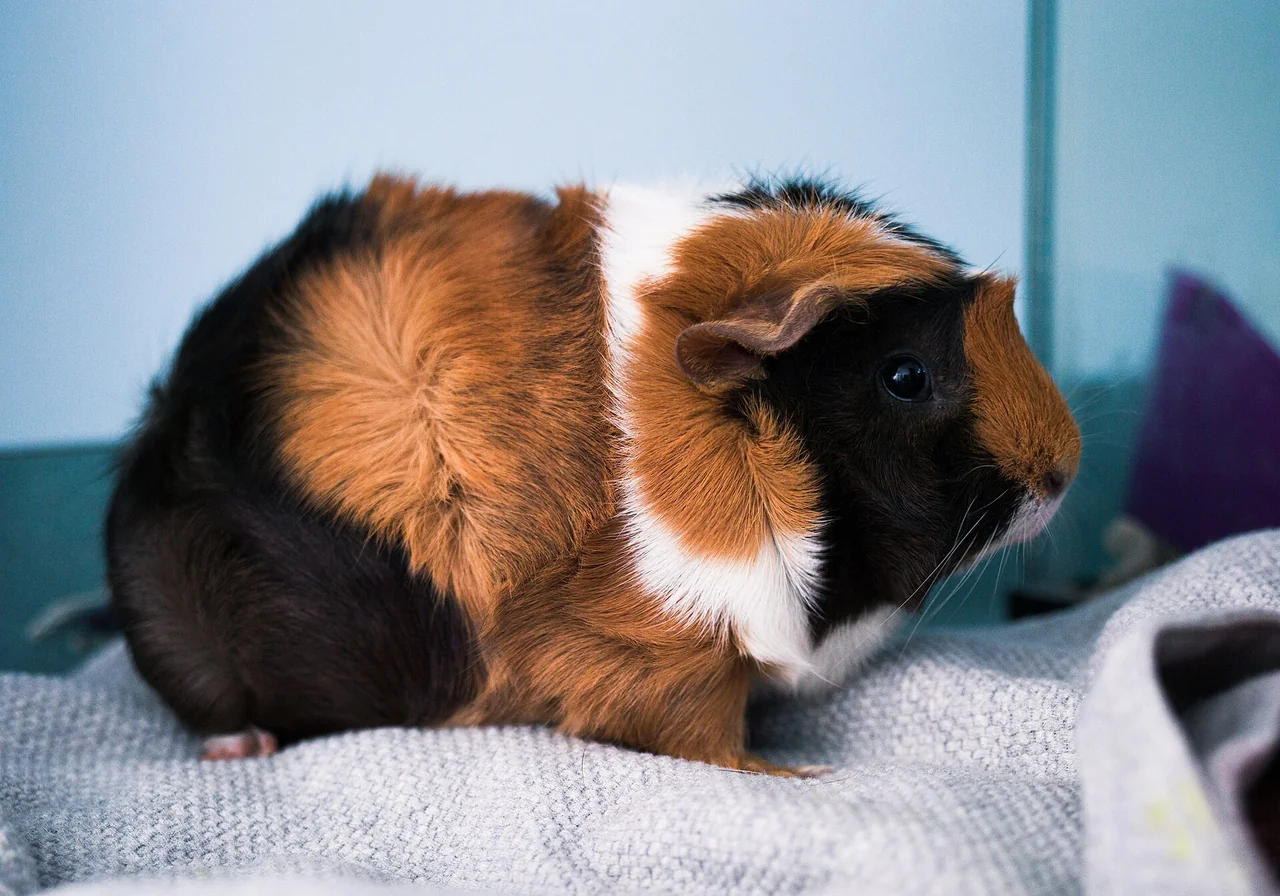
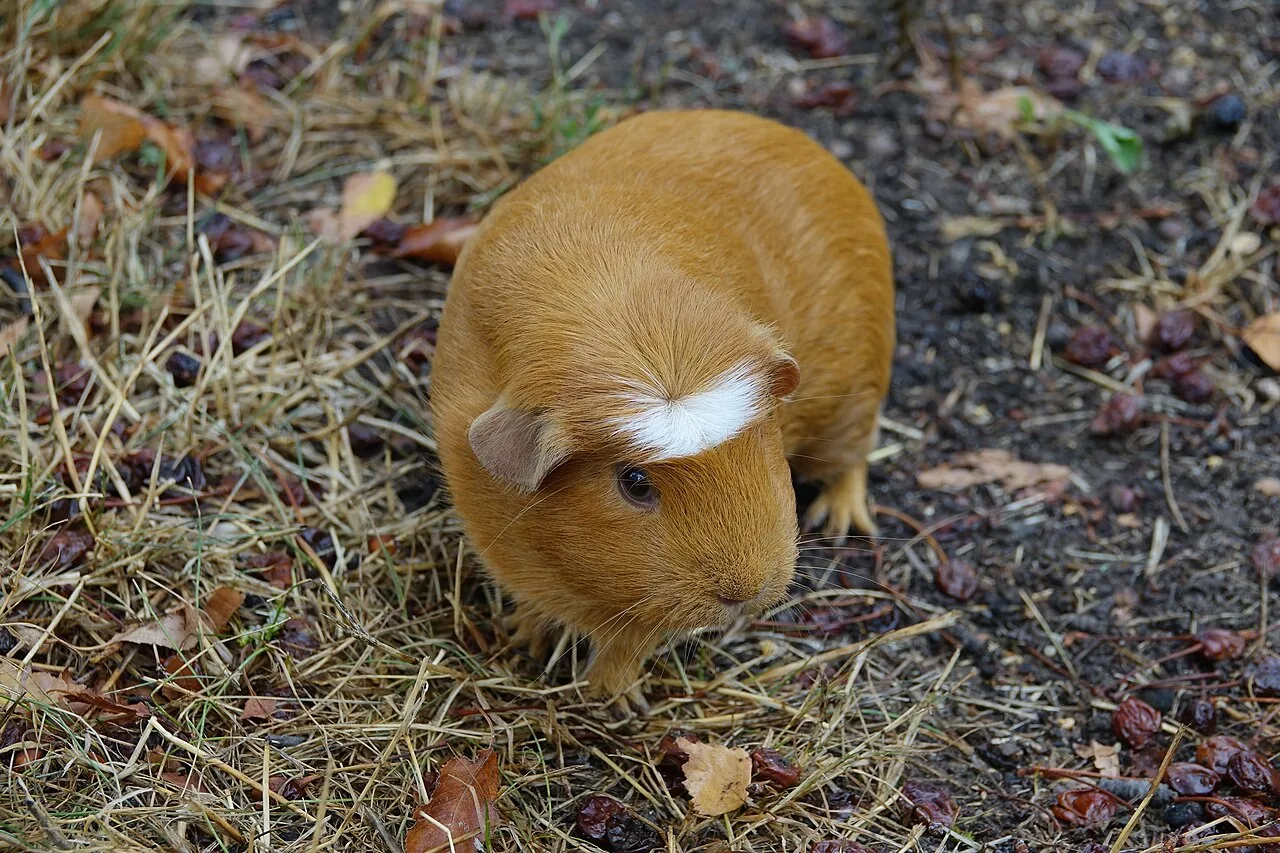
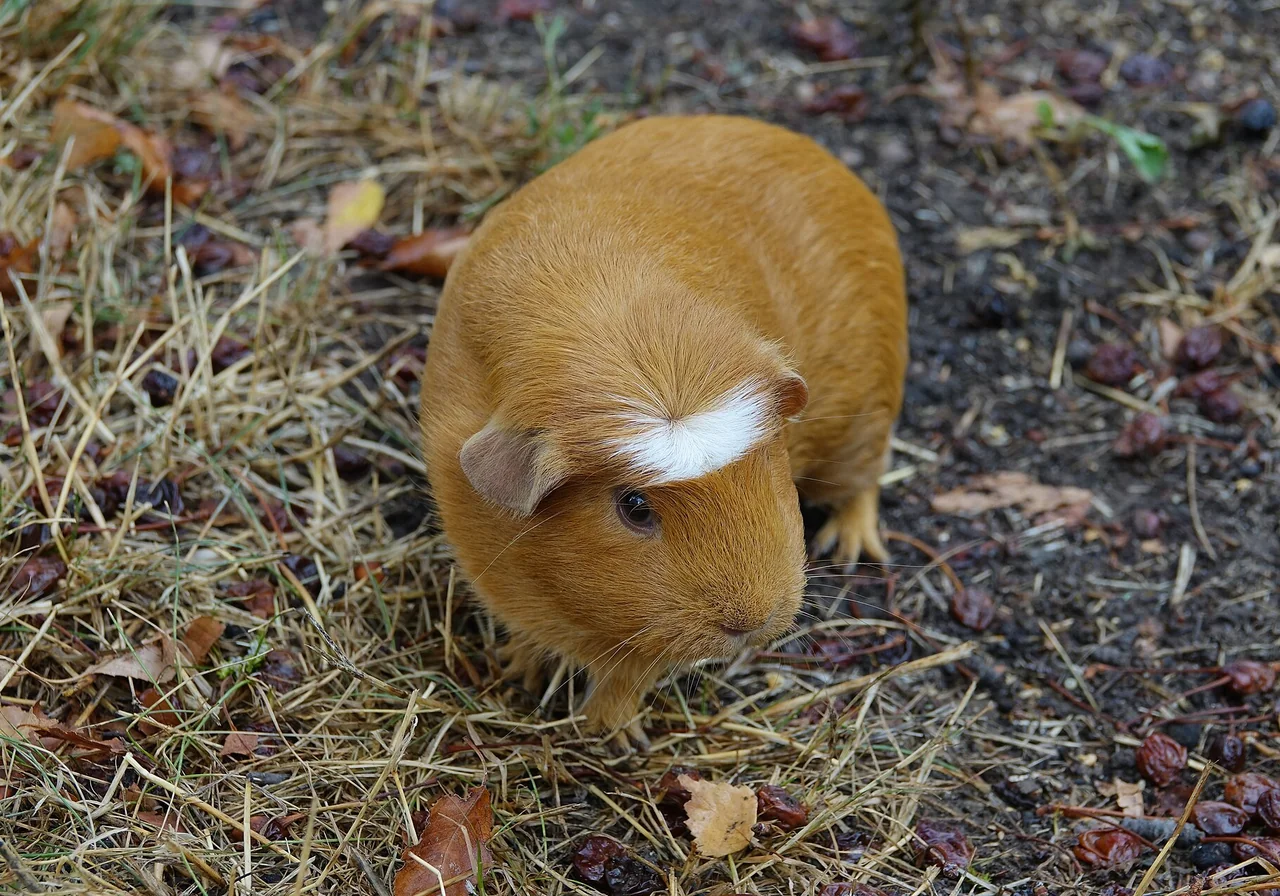
The classic short-haired pet guinea pig — smooth coat and easy grooming.
By WARN Research & Conservation TeamLast updated
In brief
The American guinea pig is the smooth-coated benchmark of the cavy fancy — short, close-lying fur with an open face and minimal grooming compared with Peruvians or Texels. Its defining trait is practicality for keepers who still provide spacious C&C pens, compatible companions and daily vitamin C rather than cramped pet-shop hutches.
What are the key facts about a American?
The American is a guinea pig breed from South America (domestic cavy): medium (0.9–1.2 kg), friendly, vocal, sociable. The classic short-haired pet guinea pig — smooth coat and easy grooming.
| Origin | South America (domestic cavy) |
|---|---|
| Size | Medium (0.9–1.2 kg) |
| Adult weight | 900–1,200 g (2–2.6 lb); cobby body with broad head typical of show Americans |
| Lifespan | 5–7 years |
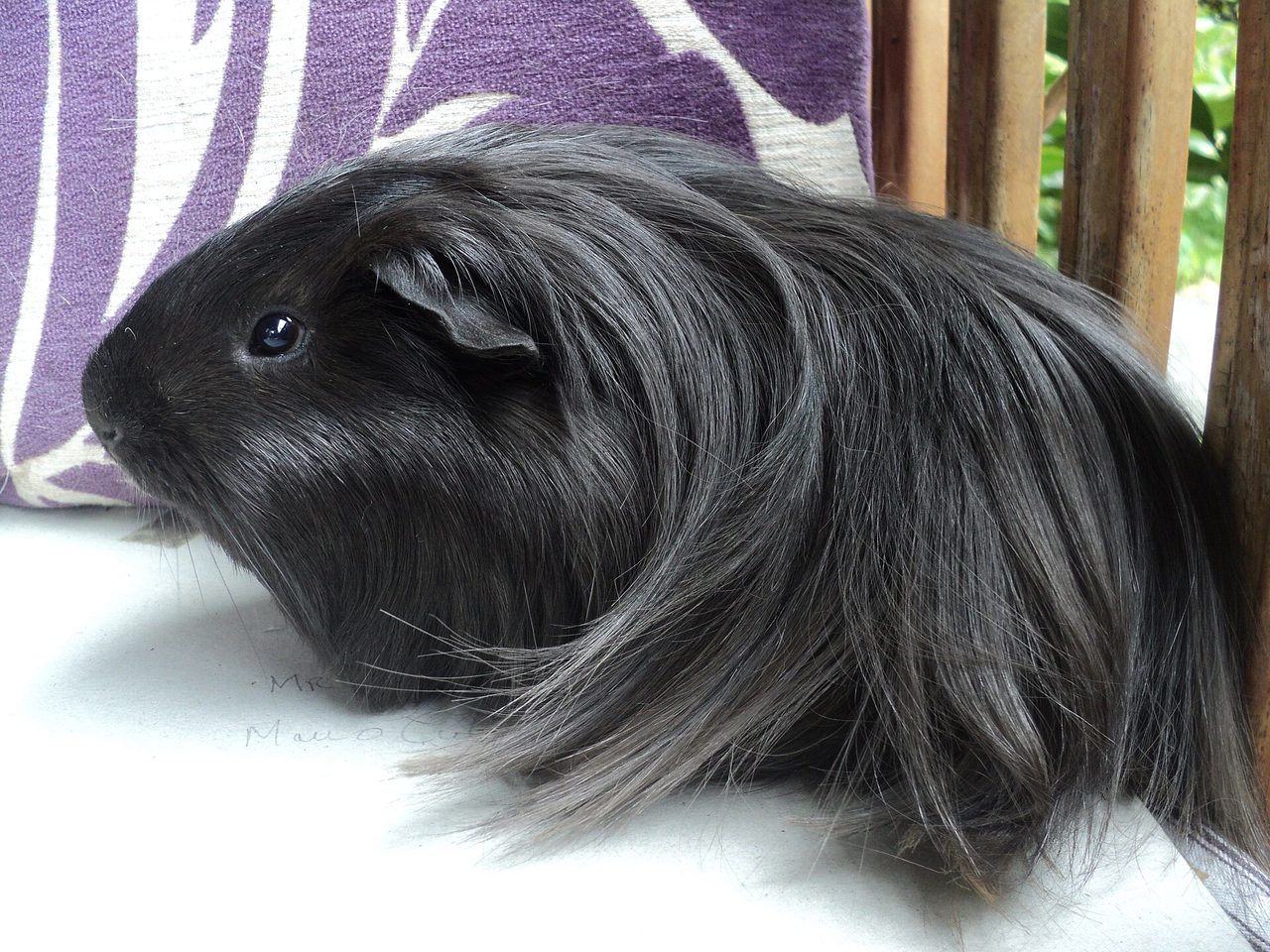
| Coat type | Short, smooth coat lying flat in agouti, self, dalmatian and tri-colour patterns without rosettes or fringe. A weekly brush during moults and nail trims every few weeks suffice — cavies do not wear claws on soft bedding alone. |
| Temperament | Friendly, vocal, sociable |
| Best suited to | Indoor homes with at least 120 × 60 cm floor space, one or more compatible companions introduced carefully, unlimited timothy hay and cavy-savvy exotics veterinary care. Americans suit families who research RSPCA and British Cavy Council guidance before purchase. |
Is a American a good guinea pig for you?
A American is a good guinea pig when your home matches indoor homes with at least 120 × 60 cm floor space, one or more compatible companions introduced carefully, unlimited timothy hay and cavy-savvy exotics veterinary care. americans suit families who research rspca and british cavy council guidance before purchase.. It is a friendly, vocal, sociable medium (0.9–1.2 kg) breed from South America (domestic cavy).
The classic short-haired pet guinea pig — smooth coat and easy grooming. That one-line pitch is not a care plan. Factor grooming (Short, smooth coat lying flat in agouti, self, dalmatian and tri-colour patterns without rosettes or fringe. A weekly brush during moults and nail trims every few weeks suffice — cavies do not wear claws on soft bedding alone.), typical adult size (900–1,200 g (2–2.6 lb); cobby body with broad head typical of show Americans), and the health issues listed below before you pay a deposit.
Meet adults of the breed, not only puppies or kittens, and prefer rescue or health-screened homes. A American that looks right in a photo can still be the wrong animal for a small flat, a full-time office job, or a household that wanted a low-energy companion.
What is a American?
The classic short-haired pet guinea pig — smooth coat and easy grooming. Origin is South America (domestic cavy); coat or markings are described as Short, smooth coat lying flat in agouti, self, dalmatian and tri-colour patterns without rosettes or fringe. A weekly brush during moults and nail trims every few weeks suffice — cavies do not wear claws on soft bedding alone..
Kennel and registry labels describe a type. Individual Americans still vary, and rescue animals may be mixes.
Where does the American come from?
Americans come from South America (domestic cavy). American guinea pigs descend from smooth-coated Cavia porcellus lines formalised when cavy clubs established breed standards in Britain and North America during the twentieth century.
Breeders selected for even guard hairs, clear colour demarcation and calm show-table temperament while retaining the vocal, socially dependent nature of Andean domestic cavies. The type dominates pet shops worldwide because low grooming demands suit busy households — though welfare groups emphasise that coat simplicity never reduces space or companionship requirements. British Cavy Council and American Cavy Breeders Association standards recognise the American as the baseline smooth coat against which rosetted, longhaired and rex varieties are judged. Show animals are presented with glossy brushed coats, but pet-quality Americans share identical dietary and social needs: paired housing, fresh vegetables daily for vitamin C, and annual exotics dental checks. Rescue centres report Americans surrendered when children lose interest — a reminder that easy coats are not a substitute for a five-to-seven-year commitment.
How much care does a American need?
Plan 5–7 years of food, vet care, grooming and time. A American is medium (0.9–1.2 kg) (900–1,200 g (2–2.6 lb); cobby body with broad head typical of show Americans) from South America (domestic cavy), with coat care described as short, smooth coat lying flat in agouti, self, dalmatian and tri-colour patterns without rosettes or fringe. a weekly brush during moults and nail trims every few weeks suffice — cavies do not wear claws on soft bedding alone..
Match daily exercise to the friendly, vocal, sociable temperament rather than to Instagram.
Grooming follows the coat, not a generic clip: Short, smooth coat lying flat in agouti, self, dalmatian and tri-colour patterns without rosettes or fringe. A weekly brush during moults and nail trims every few weeks suffice — cavies do not wear claws on soft bedding alone.. Keep the animal lean; extra weight is a joint and heart tax, especially in a medium guinea pig.
Budget for unexpected vet bills. The health section below is why “cheap to buy” is not the same as cheap to keep.
What surprises people about the American?
A few details about the breed, alongside the practical care information in this guide.
- Americans are the reference smooth coat in most national cavy breed standards.
- They 'popcorn' with sudden vertical hops when excited during floor time.
- Four toes on front feet and three behind make balanced nail trims essential.
- They cannot synthesise vitamin C and develop scurvy within weeks on hay-only diets.
What health issues should you know about in a American?
Health concerns to discuss with your vet, including changes to watch for and everyday care. This is general guidance, not veterinary advice — always speak to your vet.
Dental malocclusion
Continuously growing teeth misalign, causing drooling, selective eating and weight loss — common in all cavies regardless of coat type.
Care: Offer unlimited timothy hay, schedule annual exotics dental checks and seek prompt burring under sedation when drooling appears.
Vitamin C deficiency (scurvy)
Guinea pigs cannot manufacture vitamin C; deficiency causes painful joints, rough coat and poor wound healing within weeks.
Care: Feed fresh vitamin C-rich vegetables daily or a vet-approved supplement; weigh weekly to catch appetite loss early.
Respiratory infections
Sneezing, crusty eyes and laboured breathing often reflect ammonia build-up from small cages or bacterial pneumonia.
Care: Use dust-free bedding, improve ventilation and consult an exotics vet promptly — respiratory decline in cavies can be rapid.
Who should skip a American?
Skip a American if you are homes that cannot match a friendly, vocal, sociable medium (0.9–1.2 kg) guinea pig from South America (domestic cavy). This South America (domestic cavy) guinea pig is medium (0.9–1.2 kg) and friendly, vocal, sociable — the mismatch is usually lifestyle, not a missing accessory.
This page is allowed to say no. Skip if you are homes that cannot match a friendly, vocal, sociable medium (0.9–1.2 kg) guinea pig from South America (domestic cavy).
A different guinea pig breed on this site may fit. Wanting “a American” after a film or a colour photo is not a reason to ignore the skip list.
What are the hidden catches with a American?
The hidden cost of a American is usually not the purchase price. It is years of care, the health list on this page, and the mismatch between a friendly, vocal, sociable animal and a busy home.
The impulse-buy catch
A American from South America (domestic cavy) is often sold on looks. Coat, colour and size are not a temperament test. Meet the adult animal, ask about health screening, and walk away from pressure sales.
The dental malocclusion catch
Continuously growing teeth misalign, causing drooling, selective eating and weight loss — common in all cavies regardless of coat type. Offer unlimited timothy hay, schedule annual exotics dental checks and seek prompt burring under sedation when drooling appears.
The vitamin c deficiency (scurvy) catch
Guinea pigs cannot manufacture vitamin C; deficiency causes painful joints, rough coat and poor wound healing within weeks. Feed fresh vitamin C-rich vegetables daily or a vet-approved supplement; weigh weekly to catch appetite loss early.
How does a American compare with Abyssinian and Peruvian?
A American is not interchangeable with Abyssinian and Peruvian. Compare origin, size, lifespan and temperament before you choose — those four lines prevent most regret.
| Guinea Pig fact | American | Abyssinian | Peruvian |
|---|---|---|---|
| Origin | South America (domestic cavy) | Domestic (rosette standard) | South America (domestic longhair) |
| Size | Medium (0.9–1.2 kg) | Medium (0.9–1.2 kg) | Medium (0.9–1.2 kg) |
| Lifespan | 5–7 years | 5–7 years | 5–7 years |
| Temperament | Friendly, vocal, sociable | Energetic, curious, talkative | Gentle, shy until bonded, needs grooming |
What is the verdict on the American?
Choose a American only if the care, skip-if and health sections still look like your life after a week of thinking. Otherwise pick a different guinea pig or wait. Rescue is usually the better first door than a waiting-list puppy or kitten.
If the match is real, budget for 5–7 years of vet care and do not skip health screening. If it is not, walking away is the kind choice — for you and for the animal.
Guinea pigs deserve proper care
Guinea pigs are social, gentle companions that need pairs, spacious enclosures and vitamin C every day. WARN publishes these guides so fewer end up in rescues after impulse purchases.