Wildlife
What is the difference between a horse and a pony?
Ponies are horses under 14.2 hands — same species, sturdier build; measurement at the withers defines the label.
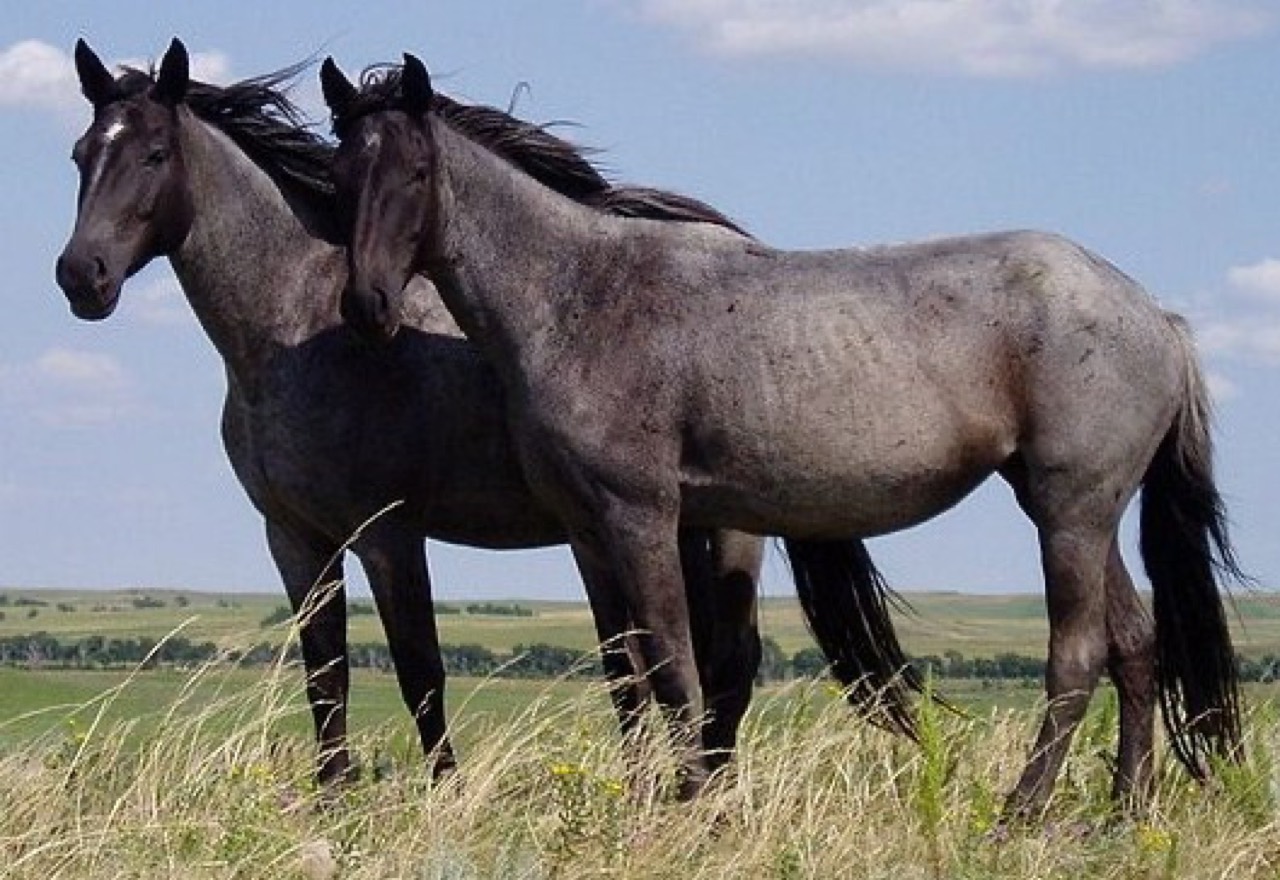
In brief
Ponies are horses under about 14.2 hands (147 cm) at the withers — same species (Equus caballus), smaller sturdy build. Ponies often have proportionally shorter legs, thicker manes and hardier constitutions than horse breeds. 2 hands (147 cm) at withers separates pony from horse in equestrian convention.
By WARN Research & Conservation Team Last updated
Horses and ponies are Equus caballus — size threshold 14.2 hands (147 cm) at withers separates pony from horse in equestrian convention. Ponies often thicker mane, proportionally shorter legs, hardier metabolism. Draft horses exceed 16 hands; Shetland pony under 10. Working equid welfare in developing economies parallels donkey concerns in WARN network countries.
14.2
Hand threshold — pony vs horse
4 in
One hand measurement
1
Species — Equus caballus
10
Shetland pony — under 10 hands
Quick facts
| Same species | Horse and pony — Equus caballus |
|---|---|
| Measure | Withers height in hands — 14.2 cutoff |
| Pony traits | Often hardier, thicker coat, shorter legs |
| Breeds | Welsh pony, Shetland, Connemara — pony breeds |
| Wild horse | Przewalski horse — separate conservation story |
| Working welfare | Donkeys and horses — load and heat stress issues |
Key takeaways
- Same species — 14.2 hands defines pony.
- Ponies often hardier with thicker coats.
- Measure at withers in four-inch hands.
- Native ponies adapted harsh climates.
- Working equid welfare global concern.
- Przewalski horse — wild equid recovery story.
Measurement convention
Hand equals four inches — ancient unit. Height at highest point of withers not head. Pony at 14.2 hands exactly often called horse in some registries — borderline classification. Miniature horse bred small but proportioned as horse not pony — show circuit separate category. Classification affects competition rules and feed recommendations not biology.
Pony hardiness
Native ponies evolved harsh climates — Shetland, Icelandic, Dartmoor survive poor forage. Insulin resistance common in native ponies on rich modern pasture — laminitis risk. Horse breeds selected speed or draft power — thoroughbred leggy, Clydesdale massive. Understanding metabolic difference prevents owner-induced disease — welfare education not only wildlife but WARN audience includes working animal ethics.
Working equids globally
Horses and donkeys pull carts in WARN partner countries — overload and heat exhaustion documented. Working animal welfare NGOs parallel street dog CNVR — different species same compassion framework. Przewalski horse reintroduced Mongolia after captive breeding — EW narrative parallel interesting for conservation readers crossing from pony pet question.
Wild vs domestic
Mustangs feral domestic descendants — US management controversial. True wild horse Przewalski never domesticated — Critically Endangered recovered to wild from captive. Distinction educates readers searching pony vs horse — domestic taxonomy separate from IUCN wild equid status.
Frequently asked questions
Horse vs pony difference?
Is a miniature horse a pony?
How do you measure hands?
Are ponies a different species?
What is a wild horse?
Horse lifespan?
Sources & references
Related reading
More Wildlife answers
Stay connected with WARN
Receive appeal updates, animal-welfare news and published funding reports. Unsubscribe any time.
We only use your address for WARN updates. See our privacy policy.