Wildlife · Species comparisons
What is the difference between a donkey and a mule?
Donkeys are a species; mules are sterile donkey–horse hybrids — stronger than donkeys, hardier than horses.
In brief
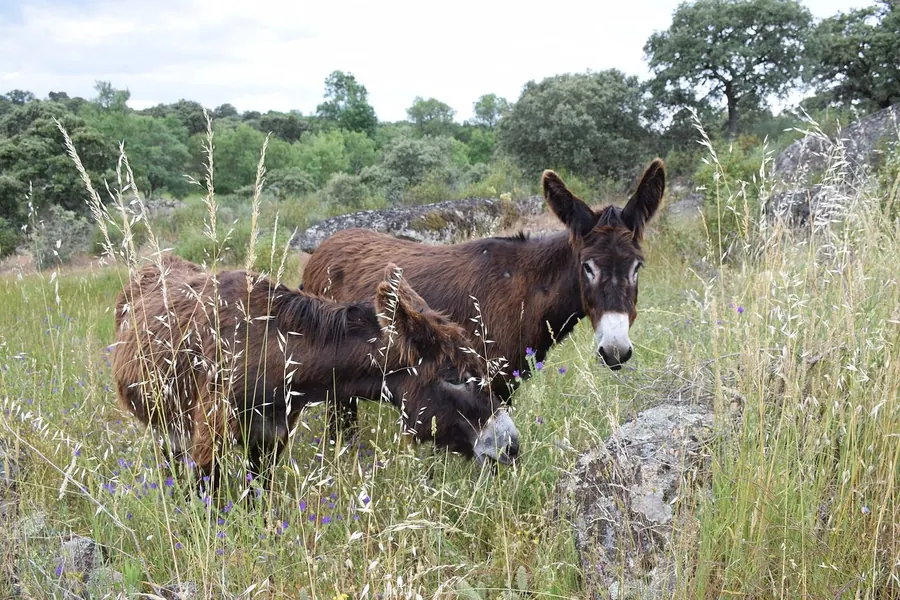
A donkey (Equus asinus) is its own species — long ears, braying voice and sure-footed build. A mule is a hybrid — male donkey crossed with a female horse — usually sterile, stronger than a donkey and more patient than a horse. Mules inherit traits from both parents.
By WARN Research & Conservation Team Last updated
Donkeys (Equus asinus) domesticated in Africa and the Middle East — sure-footed, drought-tolerant transport for millennia. Mules — sired by jack donkeys on mares — combine donkey endurance with horse size; almost always sterile due to chromosome mismatch. Hinny is the reverse cross — horse sire, donkey dam — rarer. Working equids underpin rural economies in Pakistan, Kenya and across WARN’s welfare network — vet care and farriery gaps cause preventable suffering.
62 vs 64
Donkey vs horse chromosome count — mule sterility
6,000+
Years of donkey domestication
112M
Estimated working horses, donkeys and mules worldwide (FAO)
50 yrs
Documented mule lifespan with good care
Quick facts
| Donkey | Equus asinus — own species |
|---|---|
| Mule | Jack donkey × mare — hybrid |
| Fertility | Mules sterile — rare fertile females documented |
| Ears | Donkey long; mule intermediate length |
| Voice | Donkey bray; mule mixed whinny-bray |
| Strength | Mule carries more load than donkey of same age |
Key takeaways
- Donkeys are a species; mules are sterile hybrids.
- Mules combine donkey endurance with horse size.
- 112M+ working equids worldwide — welfare often neglected.
- Chromosome mismatch causes mule sterility.
- WARN funds working donkey vet outreach.
- See comparison and working donkeys appeal.
Taxonomy and hybrid genetics
Horses (64 chromosomes) and donkeys (62) produce mule offspring with 63 — meiosis fails, gametes rarely viable. Rare fertile molly mules exist but cannot sustain populations. Hinnies look more horse-like; mules more donkey-like in head and ears. Zebras crossed with horses or donkeys produce zedonk or zorse — separate hybrids. Understanding sterility prevents unrealistic breeding expectations in development projects.
Working roles worldwide
Donkeys carry water and goods where motor roads fail — brick kilns in South Asia employ thousands under harsh conditions. Mules serve US backcountry packing, military history and Mediterranean agriculture. Both need dental care, hoof trimming and parasite control — neglected equids develop lameness and colic. WARN working-donkey appeals fund vet outreach in partner countries.
Welfare priorities
Overloading, poor harness fit and heat exhaustion kill working equids silently. Donkeys tolerate neglect longer than horses — suffering is easy to miss. Community training in load limits and wound treatment multiplies impact. Donation to WARN is not Gift Aid eligible — see registration status for legal detail.
Identification table
WARN comparison rows: species vs hybrid, ear length, tail hair tuft, fertility, typical weight and voice. Mules valued for “self-preservation” — refusing unsafe cliff paths — folklore with behavioural basis.
What WARN does
WARN working-donkey appeals fund veterinary outreach, hoof care and harness training through partners in Pakistan and East Africa — transparent session budgets, not awareness-only campaigns.
Frequently asked questions
Is a mule a donkey?
Why are mules sterile?
Which is stronger — mule or donkey?
What is a hinny?
How long do mules live?
Does WARN help working donkeys?
Sources & references
Related reading
More from Species comparisons
More Wildlife answers
Stay connected with WARN
Receive appeal updates, animal-welfare news and published funding reports. Unsubscribe any time.
We only use your address for WARN updates. See our privacy policy.