Trafficking · Companion animal facts
What animals are most affected by the illegal pet trade?
The illegal pet trade targets animals that are rare, colourful, cute, small enough to move or profitable online.
In brief
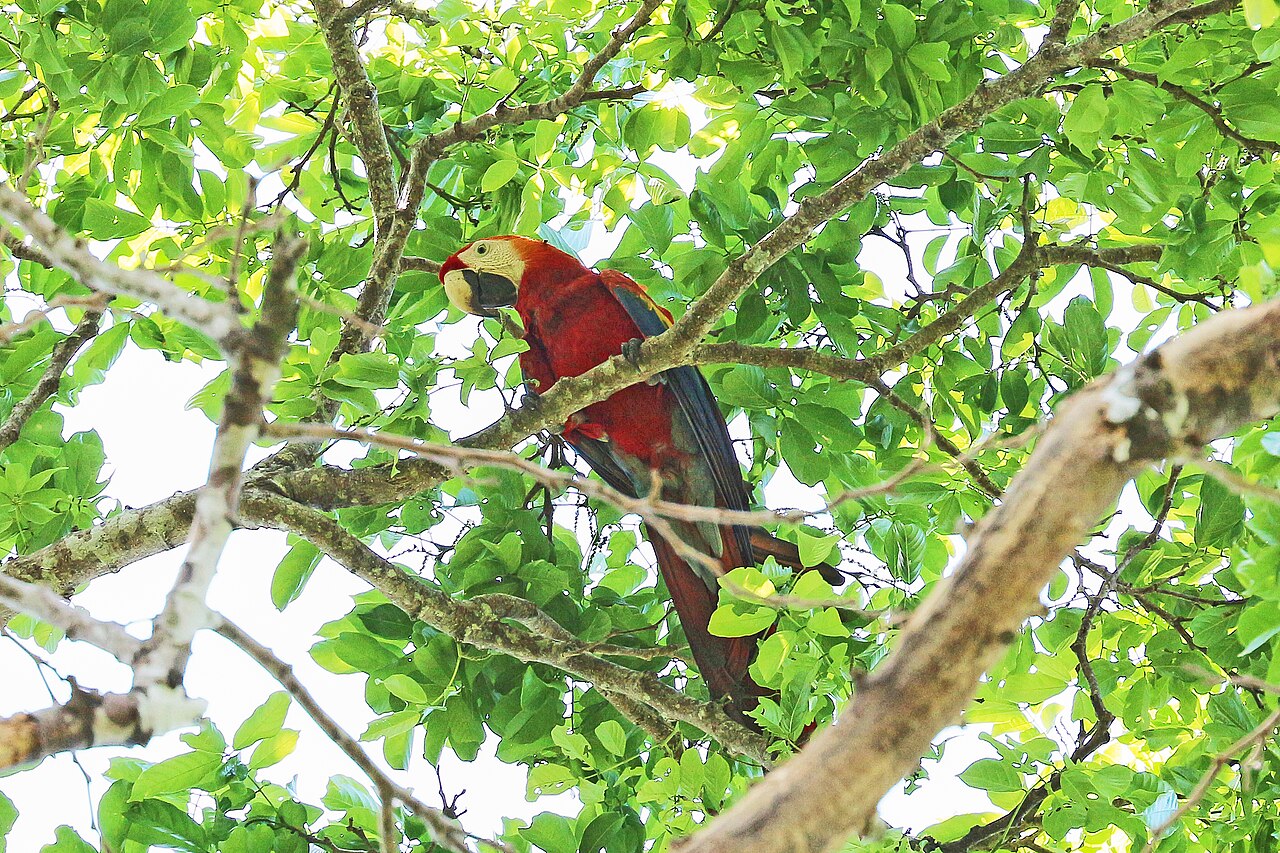
Animals heavily affected by the illegal pet trade include parrots, songbirds, reptiles, turtles, primates, slow lorises, big cats and some amphibians. Risk varies by region, rarity, price and online demand. This page functions as a broad answer and an internal link hub for species-specific trafficking pages.
By WARN Research & Conservation TeamLast updated
This page functions as a broad answer and an internal link hub for species-specific trafficking pages.
Quick facts
| Common victims | Parrots, reptiles, turtles, primates, lorises and big cats |
|---|---|
| Sales channels | Markets, couriers, social media and private groups |
| After seizure | Quarantine, veterinary care and specialist placement |
| Public role | Do not buy undocumented exotic animals |
Key takeaways
- Parrots, reptiles, turtles and primates face high illegal-pet-trade pressure.
- Viral demand can create real-world capture pressure.
- Confiscated animals need quarantine and expert care.
- Buyers should avoid undocumented exotic pets.
Why this question matters
Searches for “rare pets” and “cute exotic animals” can feed the same demand curve traffickers exploit.
The welfare-first answer
Animals most affected vary by region, but pet trade risk rises when a species is portable, visually striking, hard to breed legally or made popular by online content.
What to do next
The safest public action is refusal: do not buy, do not share sales posts as entertainment and report suspicious listings.
What WARN does
WARN covers exotic pet and wildlife trade questions because consumer demand can drive capture, laundering and cruelty. Our role is to explain the welfare risk, direct readers away from harmful purchases and link to rescue and anti-trafficking appeals.
Frequently asked questions
Are reptiles affected by illegal pet trade?
Why are baby animals common in trade?
Can confiscated animals go back to the wild?
Sources & references
Original WARN research and writing. This page is written to answer a specific search question while linking readers to deeper welfare, rescue and conservation guidance.