Trafficking · Why species are endangered
Why are pangolins trafficked?
Scales, meat and status demand have made pangolins one of wildlife crime’s most visible victims.
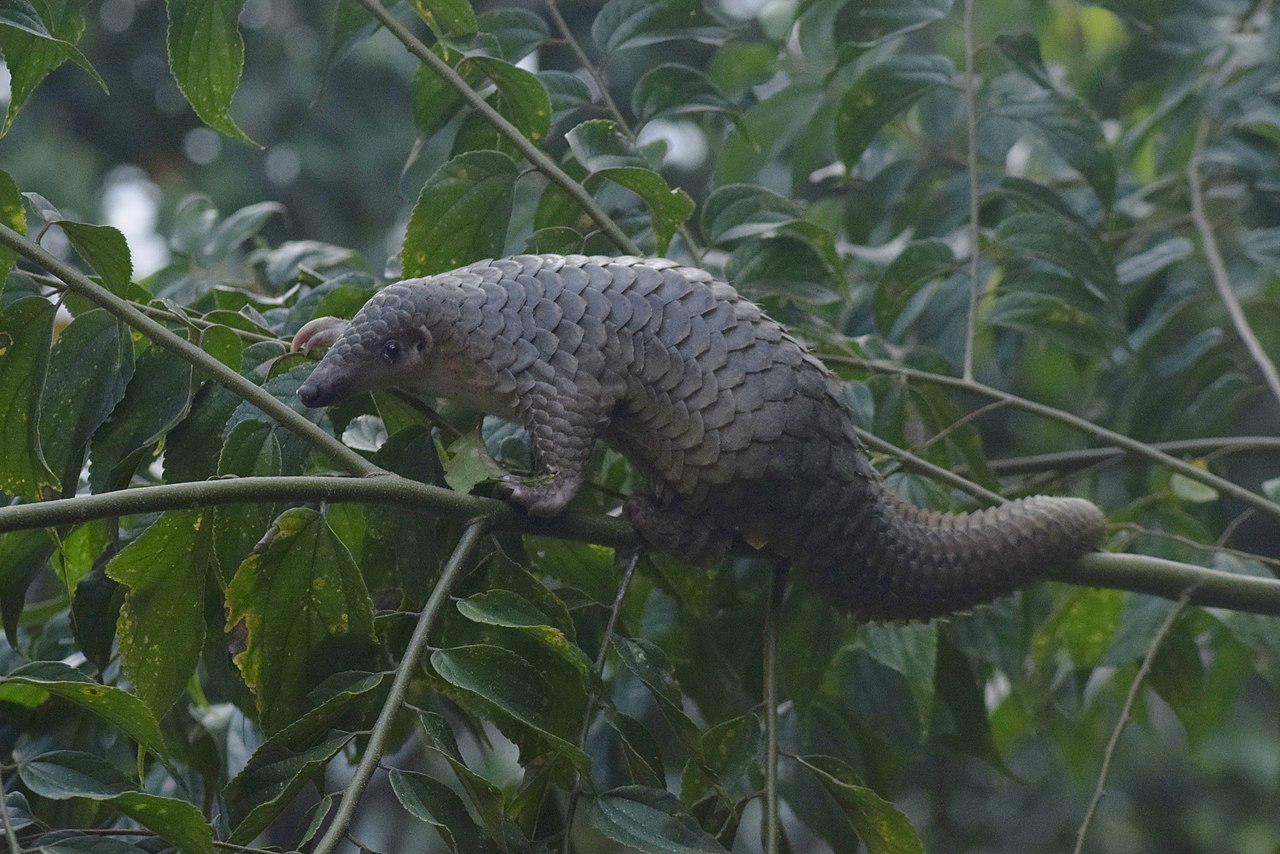
In brief
Pangolins are trafficked for their scales, meat and perceived medicinal value. Their keratin scales have no proven special medical benefit, but high demand has made pangolins among the most trafficked mammals in the world. This page deepens WARN’s pangolin cluster with a direct trafficking query that can capture searchers before they reach generic encyclopedias.
By WARN Research & Conservation TeamLast updated
This page deepens WARN’s pangolin cluster with a direct trafficking query that can capture searchers before they reach generic encyclopedias.
Quick facts
| Main products | Scales, meat and live animals |
|---|---|
| Scale material | Keratin, the same broad protein family as nails and hair |
| Biology risk | Slow reproduction and specialist diets |
| Rescue need | Low-stress handling, hydration, treatment and release planning |
Key takeaways
- Scales, meat and status demand drive pangolin trafficking.
- Pangolin scales are keratin, like nails and hair.
- Slow reproduction makes poaching especially damaging.
- Seized pangolins need specialist rescue and release planning.
Why this question matters
Pangolins combine high demand with fragile rescue needs. A seized pangolin is not automatically saved; care quality decides survival.
The welfare-first answer
The welfare-first answer recognises both trade demand and biology. Pangolins stress easily, feed on ants and termites and cannot be treated like generic mammals.
What to do next
Support demand reduction, enforcement and specialist rehabilitation. Avoid sharing content that treats pangolins as novelty pets.
What WARN does
WARN covers exotic pet and wildlife trade questions because consumer demand can drive capture, laundering and cruelty. Our role is to explain the welfare risk, direct readers away from harmful purchases and link to rescue and anti-trafficking appeals.
Frequently asked questions
Are pangolin scales medicine?
Why are pangolins hard to rescue?
Which pangolins are trafficked?
Sources & references
Original WARN research and writing. This page is written to answer a specific search question while linking readers to deeper welfare, rescue and conservation guidance.