Animal Comparison
Spider vs Insect
Spiders are arachnids with eight legs and two body parts; insects have six legs and three body parts. Spiders are not insects, despite everyday mix-ups.
By WARN Research & Conservation Team Last updated
In brief — Spider vs Insect
Eight legs and two body parts means spider (arachnid); six legs and three body parts means insect.
Spiders are arachnids, not insects. A typical spider has eight legs and two main body parts — cephalothorax and abdomen — and lacks antennae. A typical adult insect has six legs, three body parts — head, thorax and abdomen — and a pair of antennae. Wings appear in many insects and never in spiders. The comparison is a category correction first.
See the difference
Images are shown at different scales. Read each caption for the species, source and context.
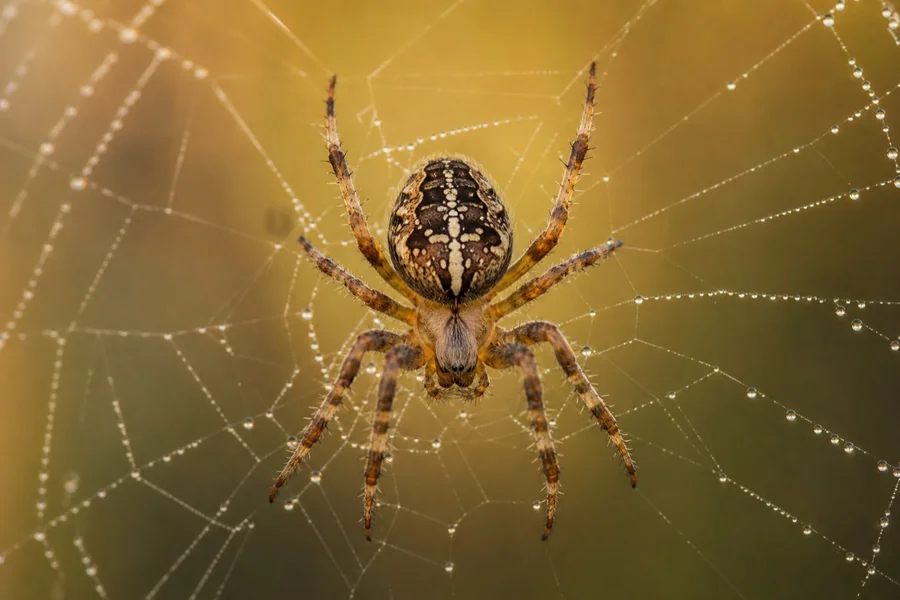
Spider — eight legs, two body parts
AI-generated educational wildlife portrait — World Animal Rescue Network
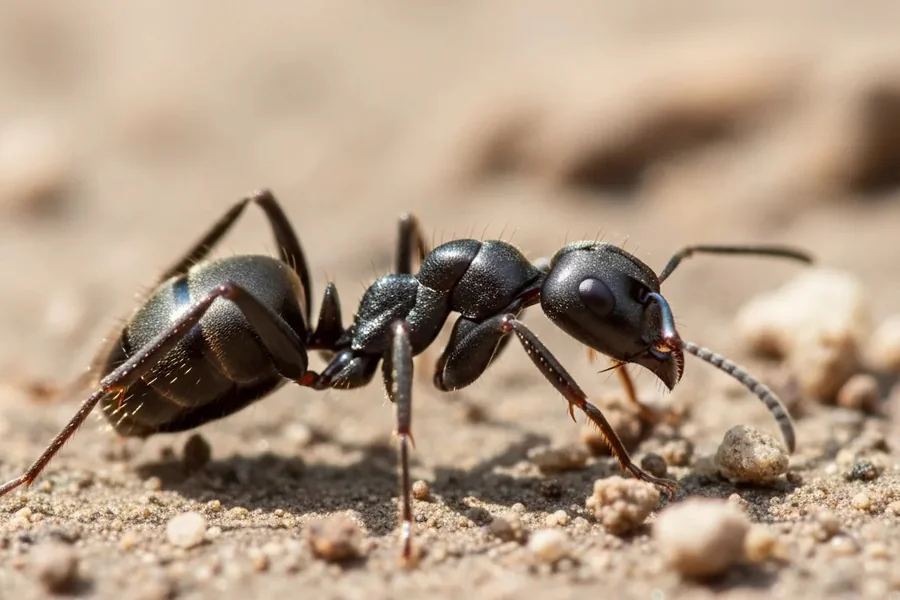
Insect — six legs, three body parts
AI-generated educational wildlife portrait — World Animal Rescue Network
Spider vs Insect: At a Glance
| Feature | Spider | Insect |
|---|---|---|
| Legs (typical adult) | Eight | Six |
| Main body parts | Two (cephalothorax + abdomen) | Three (head, thorax, abdomen) |
| Antennae | Absent | Present |
| Wings | Never | Often present (not always) |
| Eyes | Usually multiple simple eyes | Compound eyes common |
| Silk | Produced from spinnerets | Some insects make silk; different structures |
| Fangs / mouthparts | Chelicerae with fangs | Varied mouthparts by order |
| Classification | Arachnid | Insect |
| Everyday examples | Orb-weaver, jumping spider | Beetle, fly, bee, butterfly |
| Are spiders insects? | No | Insects are insects |
Size and physical differences
Both groups span pinhead to hand-sized forms; count legs and body sections rather than using length to decide the category.
Spider versus insect is less a rivalry than a repair job on everyday language. People say “insect” for any small crawly animal, then feel surprised that spiders sit in Arachnida beside scorpions and mites. Insects are Hexapoda in the broad teaching sense used here: six-legged arthropods with a three-part body plan. Spiders are silk-producing arachnids with eight legs and a two-part body, fangs, and no antennae.
Once the body-plan rule is clear, garden identification gets easier. A housefly is an insect. A garden orb-weaver is not. Both can share a windowsill and a food web without sharing a class. This page keeps the marks simple enough for children and precise enough to stop the most common search misconception.
This comparison sticks to marks you can use without laboratory gear: size, shape, behaviour and the words people actually type into a search box. Scientific names are given where they prevent a regional mix-up. Where a popular belief is wrong, the correction leads; where two animals are simply different, the decisive field mark leads. Ranges and masses are given as working bands from standard natural-history references, not as courtroom measurements for every individual.
Correction first: spiders are not insects
Arachnids and insects are both arthropods, which is why they share hard exoskeletons and jointed legs. That is where the useful similarity ends for this comparison. Spiders never become insects at maturity; they are not a wingless insect stage. Teaching the nested words — arthropod as umbrella, insect and arachnid as separate branches — prevents the false choice “bug or spider” from implying spiders sit outside animals of interest. Use more than one mark before you decide — single-trait IDs fail on juveniles, regional forms and poor light. In practice, people meet these animals in brief glances. Slow down long enough to check the two or three marks in the table above before accepting the first common name that comes to mind. Mislabeling spreads through photos and social posts faster than corrections do, which is why a short, checkable comparison page earns its keep. When experts disagree on subspecies or English names, the underlying biology — diet, body plan, reproductive cycle — remains the stable part of the answer.
Count legs and body sections
Eight walking legs and a fused head-thorax (cephalothorax) plus abdomen signal spider. Six legs and a separate head, thorax and abdomen signal insect. Pedipalps beside the fangs can look like an extra pair of short legs on spiders, which sometimes causes miscounts — they are not the walking legs. A calm photo from above beats a panicked glance. Geography matters: the same English names attach to different species on different continents, and range often settles an argument faster than colour. In practice, people meet these animals in brief glances. Slow down long enough to check the two or three marks in the table above before accepting the first common name that comes to mind. Mislabeling spreads through photos and social posts faster than corrections do, which is why a short, checkable comparison page earns its keep. When experts disagree on subspecies or English names, the underlying biology — diet, body plan, reproductive cycle — remains the stable part of the answer.
Antennae and wings
Insects generally have antennae; spiders do not. Many insects have wings at some stage; spiders never do, though they can balloon on silk as spiderlings. If you see clear wings and six legs, you are not looking at a spider. If you see silk webbing and eight legs on a two-part body, you are. Behaviour at the moment of observation — feeding, escape, nesting — is evidence, not a personality story about the whole species. In practice, people meet these animals in brief glances. Slow down long enough to check the two or three marks in the table above before accepting the first common name that comes to mind. Mislabeling spreads through photos and social posts faster than corrections do, which is why a short, checkable comparison page earns its keep. When experts disagree on subspecies or English names, the underlying biology — diet, body plan, reproductive cycle — remains the stable part of the answer.
Silk and hunting styles
Spiders are famous for silk from abdominal spinnerets — webs, wrap attacks, safety lines and egg sacs. Insects that make silk (some moth larvae, for example) do it with different anatomy and life stories. Predatory lifestyles overlap — both groups include hunters — but silk architecture is a spider hallmark in gardens and sheds. Conservation status is assessed taxon by taxon; a group label like 'wasp' or 'antelope' is not an IUCN status. In practice, people meet these animals in brief glances. Slow down long enough to check the two or three marks in the table above before accepting the first common name that comes to mind. Mislabeling spreads through photos and social posts faster than corrections do, which is why a short, checkable comparison page earns its keep. When experts disagree on subspecies or English names, the underlying biology — diet, body plan, reproductive cycle — remains the stable part of the answer.
Why the mix-up persists
Small size, many legs and a startle reflex push spiders into the mental bin labelled insects. Media and casual speech reinforce it. Accurate words matter for bite advice, pest control and conservation messaging: spider-specific guidance is not interchangeable with insect advice. The six-versus-eight rule remains the fastest fix. If you are managing conflict with people or pets, identify first, then choose a proportionate response; misidentification wastes effort and can harm the wrong animal. In practice, people meet these animals in brief glances. Slow down long enough to check the two or three marks in the table above before accepting the first common name that comes to mind. Mislabeling spreads through photos and social posts faster than corrections do, which is why a short, checkable comparison page earns its keep. When experts disagree on subspecies or English names, the underlying biology — diet, body plan, reproductive cycle — remains the stable part of the answer.
Did you know?
A spider’s pedipalps can look like spare legs beside the fangs — count the long walking legs: eight still means arachnid, not insect.
Spider vs Insect: FAQs
Are spiders insects?
What is the main difference between a spider and an insect?
Do spiders have antennae?
Can spiders fly?
Are ticks insects?
Why do people call spiders bugs?
Help protect animals
Learning about animals can help more people understand their needs. WARN raises funds for eligible animal-welfare organisations. Read the relevant appeal’s purpose, recipient status and fund terms, or share this free guide to raise awareness.
Stay connected with WARN
Receive appeal updates, animal-welfare news and published funding reports. Unsubscribe any time.
We only use your address for WARN updates. See our privacy policy.