Animal Comparison
Reindeer vs Caribou
Reindeer and caribou are the same species, Rangifer tarandus. Reindeer usually means Eurasian or domesticated herds; caribou means wild North American animals.
By WARN Research & Conservation Team Last updated
In brief — Reindeer vs Caribou
Same species — the name tracks place and domestication, not a biological split.
Reindeer and caribou are the same species, Rangifer tarandus. The names reflect geography and domestication: reindeer is used in Eurasia and for domesticated herds, while caribou is used for wild populations in North America. They are not two species that look alike.
See the difference
Images are shown at different scales. Read each caption for the species, source and context.
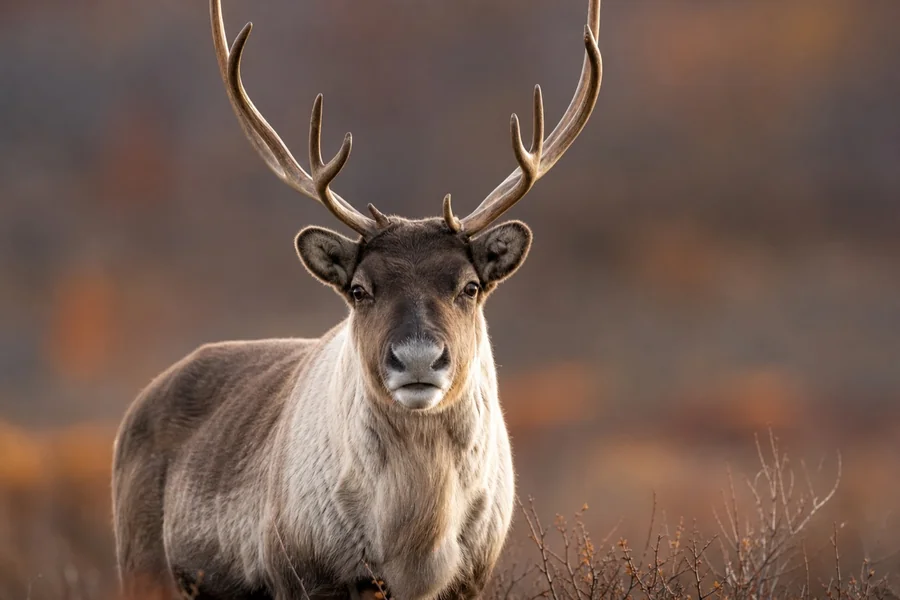
Reindeer — Eurasian/domesticated name for Rangifer
AI-generated educational wildlife portrait — World Animal Rescue Network
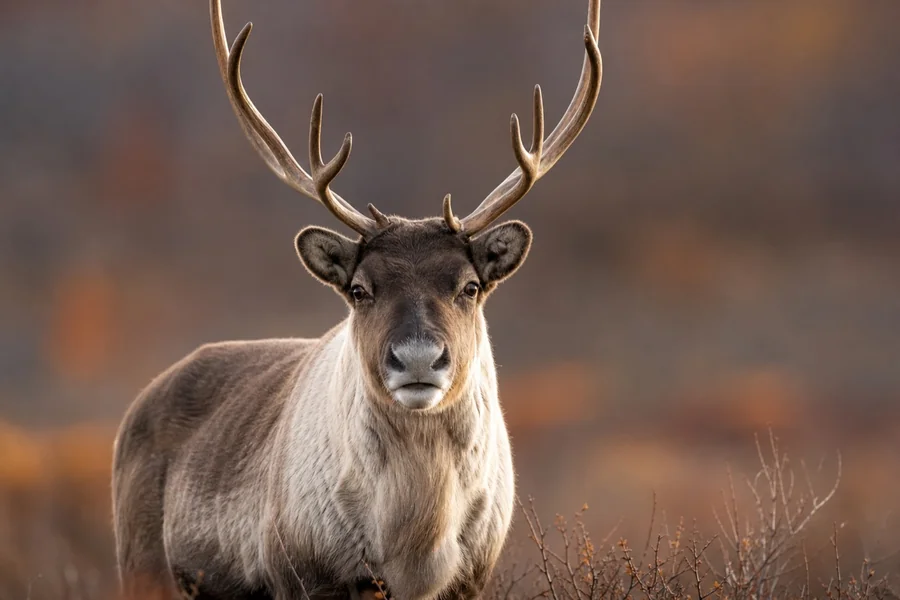
Caribou — North American wild name; same species
AI-generated educational wildlife portrait — World Animal Rescue Network
Reindeer vs Caribou: At a Glance
| Feature | Reindeer | Caribou |
|---|---|---|
| Scientific name | Rangifer tarandus | Rangifer tarandus |
| Species split | None | None |
| Name usage | Eurasia; domesticated herds globally | Wild North American populations |
| Antlers | Grown by both sexes in most populations | Grown by both sexes in most populations |
| Diet | Lichens, shrubs, grasses, sedges | Lichens, shrubs, grasses, sedges |
| Migration | Some herds migrate long distances | Some herds migrate long distances |
| Domestication | Long history of herding in Eurasia | Generally wild; not traditionally herded like Eurasian reindeer |
| Hooves | Broad; useful on snow and soft ground | Broad; useful on snow and soft ground |
| Conservation | Varies by region/herd | Several caribou populations declining |
| IUCN (species) | Vulnerable (species-level assessment) | Vulnerable (same species) |
Size and physical differences
Size varies by subspecies and sex more than by the name used; large males can exceed 150 kg, while smaller woodland forms weigh less.
Reindeer versus caribou is a correction page. There is not a hidden anatomical checklist that turns one animal into the other. Rangifer tarandus is a circumpolar deer whose English names split by culture: reindeer across Eurasia and in husbandry, caribou for wild North American herds. Domestication produced behavioural and sometimes morphological differences between herds, but that is not the same as being separate species.
What readers still need after the correction is real: subspecies and ecotypes differ in size, migration distance and conservation pressure. Some caribou populations have declined sharply. Domesticated reindeer herding remains central to several northern cultures. The name on the label should not hide those facts.
This comparison sticks to marks you can use without laboratory gear: size, shape, behaviour and the words people actually type into a search box. Scientific names are given where they prevent a regional mix-up. Where published measurements disagree, this page gives the range rather than a single tidy figure that implies more certainty than the sources support.
Lead with the sameness
If a page buries the answer under subspecies trivia, it fails the query. Reindeer and caribou are Rangifer tarandus. Use the local word, then describe the herd. Treating them as a classic look-alike pair like frog versus toad mis-teaches taxonomy. Field observers should treat colour alone as weak evidence and combine it with shape, behaviour and habitat before naming what they see. Where published measurements disagree, this page gives the range rather than a single tidy figure that implies more certainty than the sources support. Field observers should treat colour alone as weak evidence and combine it with shape, behaviour and habitat before naming what they see. Where published measurements disagree, this page gives the range rather than a single tidy figure that implies more certainty than the sources support.
What domestication changes
Eurasian reindeer herding selected for manageability and continuous human association. Wild caribou retain migratory and predator-driven behaviours without that management. Body size and antler shape can differ among herds, but those are population differences inside one species. Field observers should treat colour alone as weak evidence and combine it with shape, behaviour and habitat before naming what they see. Where published measurements disagree, this page gives the range rather than a single tidy figure that implies more certainty than the sources support. Field observers should treat colour alone as weak evidence and combine it with shape, behaviour and habitat before naming what they see. Where published measurements disagree, this page gives the range rather than a single tidy figure that implies more certainty than the sources support.
Both sexes usually grow antlers
Among deer, this is unusual and shared across the names. Females typically grow smaller antlers than males. Antler timing links to season and nutrition. It is a Rangifer trait, not a reindeer-only trait. Field observers should treat colour alone as weak evidence and combine it with shape, behaviour and habitat before naming what they see. Where published measurements disagree, this page gives the range rather than a single tidy figure that implies more certainty than the sources support. Field observers should treat colour alone as weak evidence and combine it with shape, behaviour and habitat before naming what they see. Where published measurements disagree, this page gives the range rather than a single tidy figure that implies more certainty than the sources support. Field observers should treat colour alone as weak evidence and combine it with shape, behaviour and habitat before naming what they see. Where published measurements disagree, this page gives the range rather than a single tidy figure that implies more certainty than the sources support.
Migration and ecology
Some populations move hundreds of kilometres between calving grounds and winter range; others are more sedentary woodland forms. Snow, lichen availability and insect harassment shape summer and winter behaviour. The ecology is Arctic and subarctic either side of the name. Field observers should treat colour alone as weak evidence and combine it with shape, behaviour and habitat before naming what they see. Where published measurements disagree, this page gives the range rather than a single tidy figure that implies more certainty than the sources support. Field observers should treat colour alone as weak evidence and combine it with shape, behaviour and habitat before naming what they see. Where published measurements disagree, this page gives the range rather than a single tidy figure that implies more certainty than the sources support.
Conservation depends on the herd
Species-level status does not mean every herd is secure. Habitat fragmentation, disturbance, climate-driven forage change and hunting pressure hit populations unevenly. Accurate naming helps reporting; accurate herd identity helps conservation. Field observers should treat colour alone as weak evidence and combine it with shape, behaviour and habitat before naming what they see. Where published measurements disagree, this page gives the range rather than a single tidy figure that implies more certainty than the sources support. Field observers should treat colour alone as weak evidence and combine it with shape, behaviour and habitat before naming what they see. Where published measurements disagree, this page gives the range rather than a single tidy figure that implies more certainty than the sources support. Field observers should treat colour alone as weak evidence and combine it with shape, behaviour and habitat before naming what they see. Where published measurements disagree, this page gives the range rather than a single tidy figure that implies more certainty than the sources support.
Why the comparison matters
People search for reindeer versus caribou because a wrong name leads to the wrong expectation — about danger, about care, about what lives in a local habitat. Getting the distinction right is how accurate advice and conservation reporting stay attached to the animal that is actually present. Field observers should treat colour alone as weak evidence and combine it with shape, behaviour and habitat before naming what they see. Conservation status also diverges inside everyday labels: a common garden species and a rare relative can share a common name while facing completely different pressures. Where published measurements disagree, this page gives the range rather than a single tidy figure that implies more certainty than the sources support. WARN publishes these comparisons so high-intent questions get a sourced answer instead of an unsourced listicle.
Did you know?
Santa’s reindeer are the same species as the caribou on a Canadian tundra postcard — marketing chose one English name.
Reindeer vs Caribou: FAQs
Are reindeer and caribou the same animal?
Why do people use two names?
Do female reindeer have antlers?
Is a caribou bigger than a reindeer?
Are reindeer endangered?
Can reindeer and caribou interbreed?
Help protect animals
Learning about animals can help more people understand their needs. WARN raises funds for eligible animal-welfare organisations. Read the relevant appeal’s purpose, recipient status and fund terms, or share this free guide to raise awareness.
Stay connected with WARN
Receive appeal updates, animal-welfare news and published funding reports. Unsubscribe any time.
We only use your address for WARN updates. See our privacy policy.