Animal Comparison
Ferret vs Stoat
Ferrets are domesticated polecats kept as pets; stoats are wild mustelids with a black-tipped tail, often turning white in winter.
By WARN Research & Conservation TeamLast updated
In brief — Ferret vs Stoat
Ferrets are domesticated polecats; stoats are wild weasels with a black tail tip — not pet ferrets living outdoors.
Ferrets are domesticated forms of the European polecat, bred for hunting and now kept as pets, with a softer temperament and variable colour. Stoats are wild mustelids (Mustela erminea) with a distinctive black-tipped tail and, in many cold regions, a white winter coat called ermine. Similar long-body shapes hide a domestic-versus-wild split.
See the difference
Images are shown at different scales. Read each caption for the species, source and context.
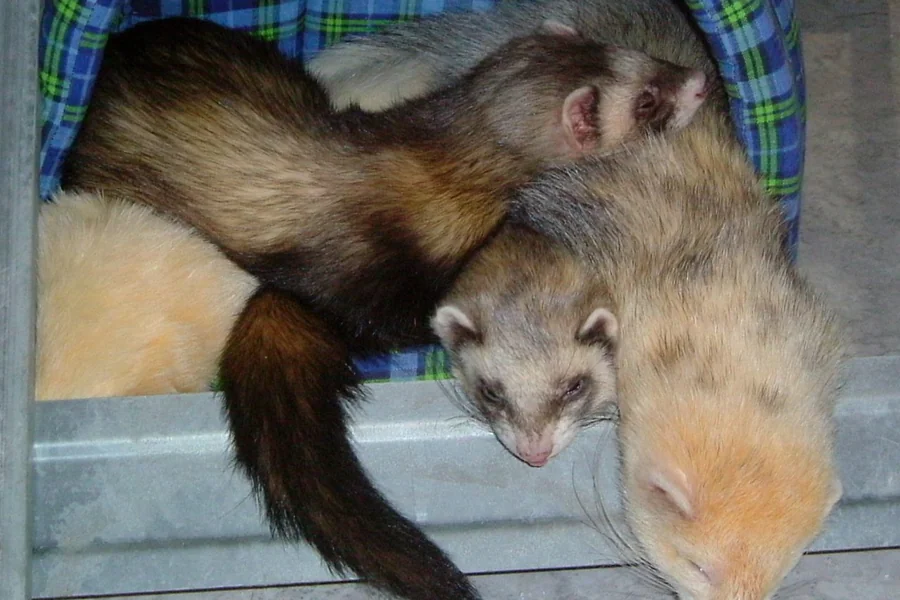
Ferret — long domestic mustelid body
AI-generated educational wildlife portrait — World Animal Rescue Network
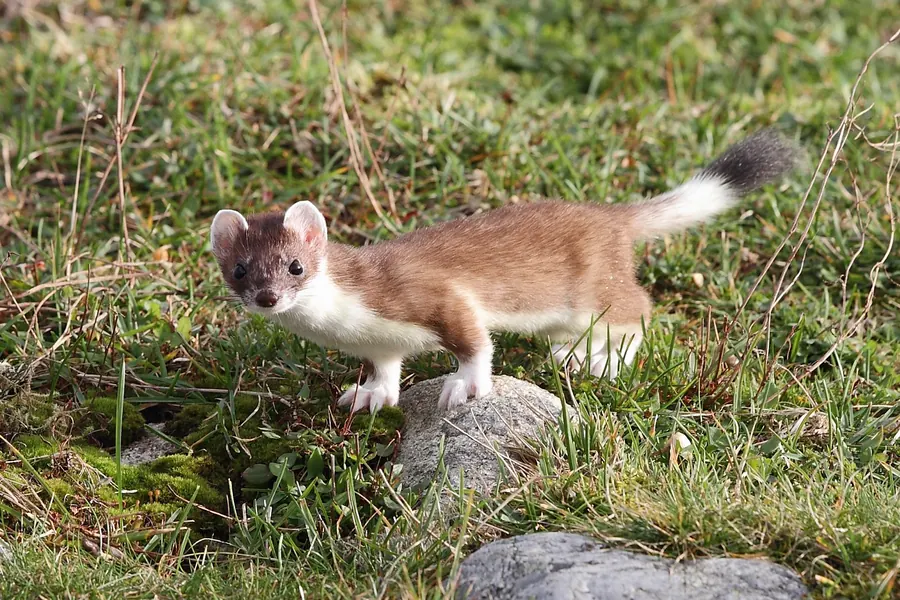
Stoat — black-tipped tail, wild mustelid
AI-generated educational wildlife portrait — World Animal Rescue Network
Ferret vs Stoat: At a Glance
| Feature | Ferret | Stoat |
|---|---|---|
| Status | Domesticated polecat | Wild species |
| Tail tip | Not a reliable black tip rule | Black tip year-round |
| Winter coat | No seasonal ermine moult | Many turn white (ermine) |
| Typical mass | Often 0.7–2 kg | Often 0.15–0.45 kg |
| Ears/face | Often broader pet look | Wild weasel face |
| Human role | Pet / working ferret | Wild predator |
| Colour morphs | Many domestic colours | Brown summer; white winter in cold areas |
| Weasel comparison | Larger than least weasels | Larger than least weasel; smaller than ferret |
| Legal note | Ownership rules vary | Wild animal; not a pet |
| Hunting | Historically used for rabbiting | Hunts rodents and lagomorphs wild |
Size and physical differences
Ferrets often weigh about 0.7–2 kg; stoats are usually lighter, commonly around 0.15–0.45 kg depending on sex and region.
Ferret versus stoat confuses people because both are elongated mustelids with short legs and sharp faces. Ferrets (Mustela furo / domestic polecat) are human-made domestic animals. Stoats are wild hunters of rodents and rabbits across Eurasia and elsewhere, famous for the black tip that remains even when the coat turns white in winter.
Tail tip and context are the fastest keys. A wild small mustelid with a clear black tail tip in northern countryside is a stoat, not an escaped pet by default. A captive ferret may be albino, sable or mixed, and it lacks the stoat’s ecological role as a wild predator even when it looks superficially similar.
This comparison sticks to marks you can use without laboratory gear: size, shape, behaviour and the words people actually type into a search box. Scientific names are given where they prevent a regional mix-up. Where published measurements disagree, this page gives the range rather than a single tidy figure that implies more certainty than the sources support.
Domestic versus wild
A ferret is a domesticated animal descended from polecats. A stoat is a wild species. That status difference drives temperament, legality and welfare. Escaped ferrets can survive for a time and confuse trackers, but a stoat on a stone wall in March is not "a thin ferret." Treat wild mustelids as wildlife: observe, do not handle, and keep dogs under control near dens. Field observers should combine silhouette, behaviour and habitat before naming what they see. Where published measurements disagree, this page gives the range rather than a single tidy figure. Treat a single trait as supporting evidence rather than a complete identification. Local field guides remain the final check when similar species share a landscape. When evidence is thin, prefer a broader label over a false precise name.
The black-tipped tail
Stoats keep a black tip on the tail in both brown and white coats. That mark separates them from least weasels, which lack the black tip, and it is a better field key than body colour alone. Ferrets do not follow the stoat’s seasonal ermine rule and are usually identified in the hand by domestic traits rather than by pretending they are a wild colour phase. If you see a white small mustelid with a black tip in winter, ermine/stoat is the working name. Field observers should combine silhouette, behaviour and habitat before naming what they see. Where published measurements disagree, this page gives the range rather than a single tidy figure. Treat a single trait as supporting evidence rather than a complete identification.
Size and hunting style
Stoats are small enough to pursue rodents into burrows and are famous for boldness relative to size. Ferrets are generally heavier and were historically entered into rabbit warrens under human control. Comparing a working ferret to a wild stoat without noting domestication misleads beginners. In New Zealand, introduced stoats are a major conservation threat to birds — a wild-ecology story that does not transfer to pet ferrets in houses. Field observers should combine silhouette, behaviour and habitat before naming what they see. Where published measurements disagree, this page gives the range rather than a single tidy figure. Treat a single trait as supporting evidence rather than a complete identification. Local field guides remain the final check when similar species share a landscape.
Polecats in the middle
European polecats, ferrets and their hybrids complicate rural sightings. A dark wild-type polecat is closer to the ferret’s ancestor than a stoat is. If the animal is clearly a small white-and-black-tipped ermine, stoat remains correct. When unsure between polecat and ferret, look for domestication cues and context — near houses versus wild cover — and avoid forcing a name from a single night photo. Field observers should combine silhouette, behaviour and habitat before naming what they see. Where published measurements disagree, this page gives the range rather than a single tidy figure. Treat a single trait as supporting evidence rather than a complete identification. Local field guides remain the final check when similar species share a landscape. When evidence is thin, prefer a broader label over a false precise name.
Why the comparison matters
Pet shops, wildlife hotlines and island conservation programmes need different protocols. Accurate names keep advice attached to the animal present. WARN publishes these comparisons so high-intent questions get a sourced answer instead of an unsourced listicle. Field observers should combine silhouette, behaviour and habitat before naming what they see. Where published measurements disagree, this page gives the range rather than a single tidy figure. Treat a single trait as supporting evidence rather than a complete identification. Local field guides remain the final check when similar species share a landscape. When evidence is thin, prefer a broader label over a false precise name. Field observers should combine silhouette, behaviour and habitat before naming what they see. Where published measurements disagree, this page gives the range rather than a single tidy figure.
Did you know?
The white winter fur of the stoat is the historic "ermine" used in ceremonial robes — still advertising the black tip that identifies the species.
Ferret vs Stoat: FAQs
Is a ferret a stoat?
How do you tell a stoat from a weasel?
Why do stoats turn white?
Can ferrets turn into ermine?
Which is bigger?
Are stoats good pets?
Help protect animals
Learning about animals can help more people understand their needs. WARN raises funds for eligible animal-welfare organisations. Read the relevant appeal’s purpose, recipient status and fund terms, or share this free guide to raise awareness.